January 12, 2026
The value of commercially-focused arena design in Asia
Written by





Time and cost factors have become even more of a focus in Asia with constrained supply chains in Southeast Asia, the increasing cost of labour in countries like Japan that relies on a domestic workforce, and the need to manage a broader range of design challenges such as around sustainability and infrastructure resilience in countries like Thailand that are feeling the climate challenge the most.
But it is at this intersection of cost and complexity where the specialist arena designer can find the real value. In fact, the role of the designer is to design out or factor in these supply, labour and regulatory issues. We should be using the complexity of the venue to the project’s advantage by designing an arena that is adaptable to these external changes and which creates long-term value through more than just the cost of the materials it was constructed with.
Condensing time to expand capacity
There’s no one model fits all for these projects, particularly in Asia where audiences are culturally so diverse. But getting the basics right is so important and that comes with experience. You can look at what has and has not worked before in the region and develop a scheme that gets these fundamentals aligned to the geography and the user you are designing for.
Having that global understanding but being able to localise the design is an advantage. You can put a robust scheme in place that will keep the project on time and budget, and then you can flexibly start to increase value through things such as capacity where you might need to increase by 5% or 10% based on the same floor area to get a more commercial outcome.
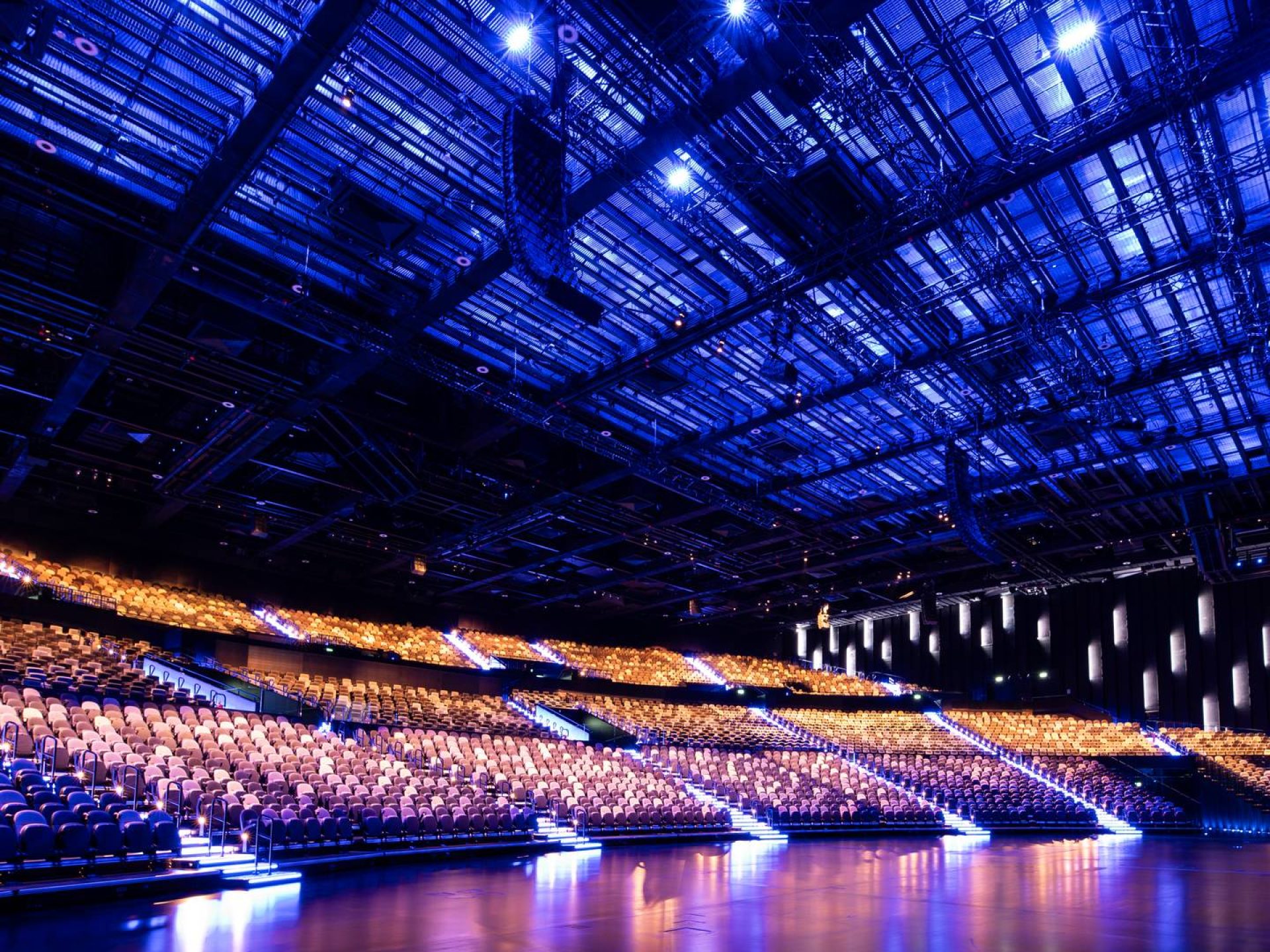
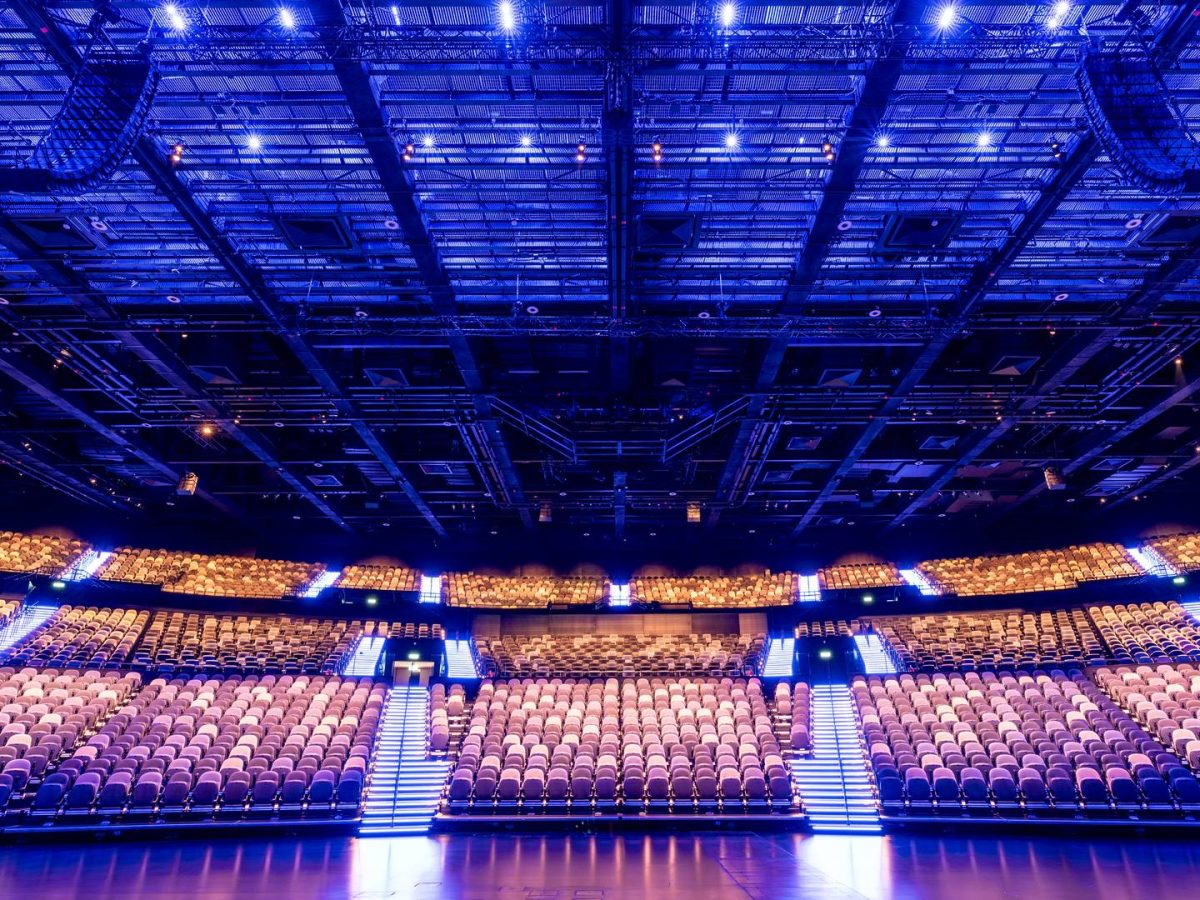
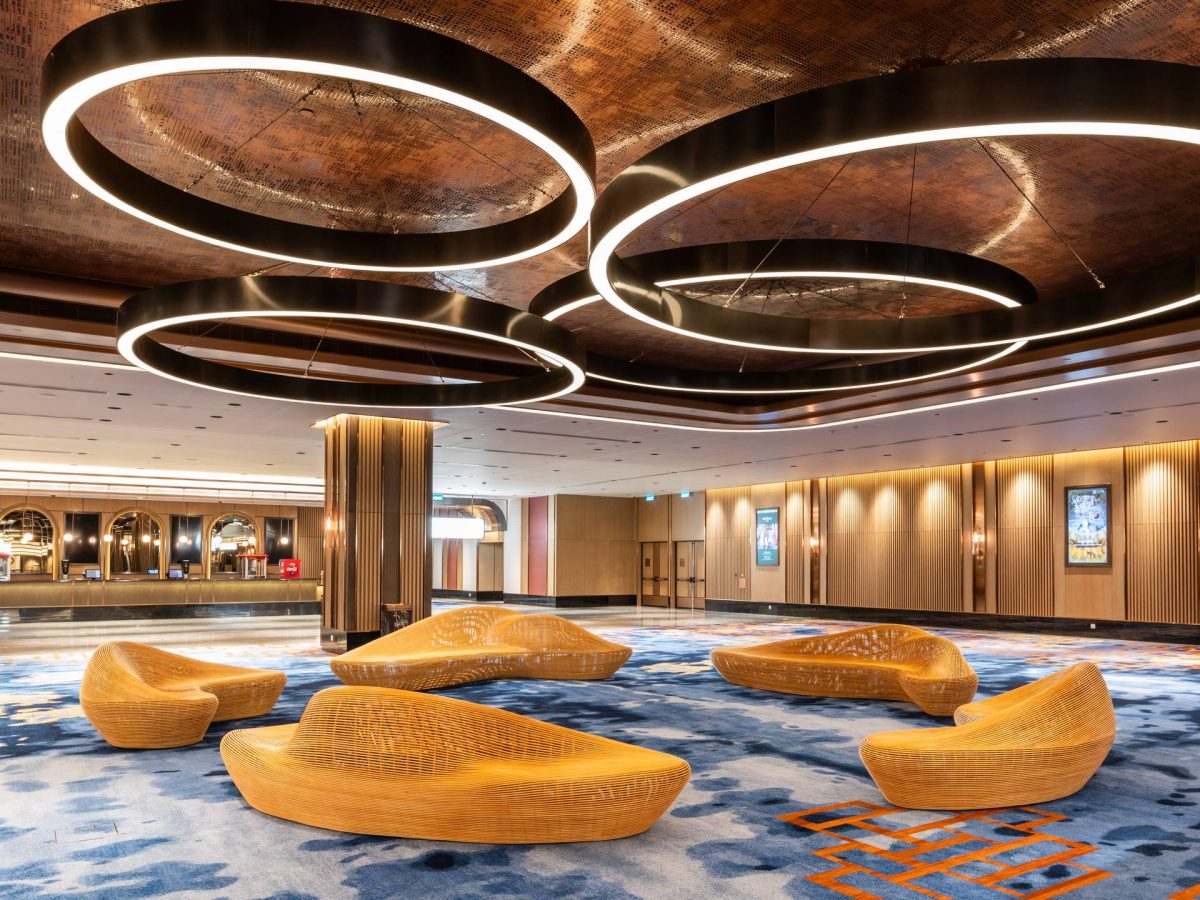
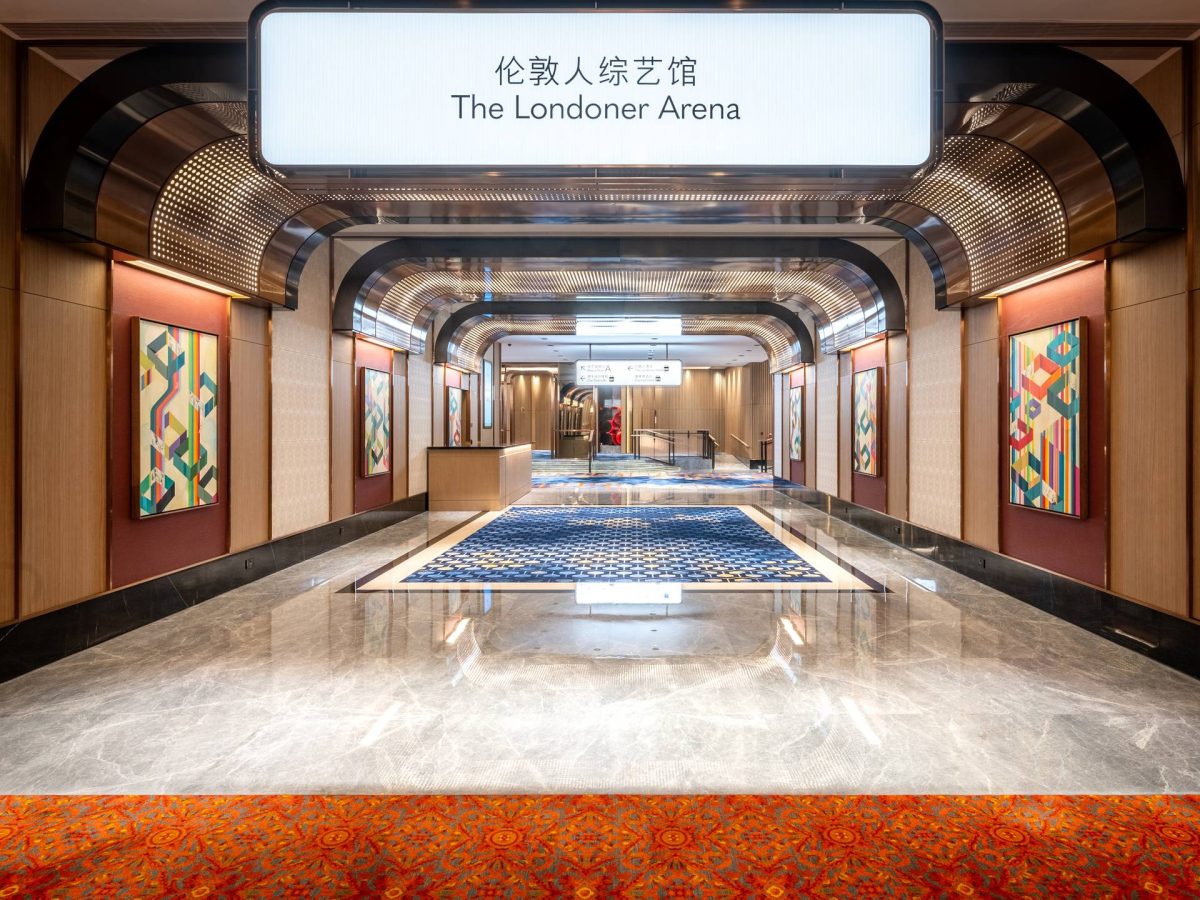
The five-star Londoner Macao resort is one of the jewels of the Cotai Strip, home to some of the most luxurious accommodation in the “Las Vegas of the East”. The addition of the 6,000-seat Londoner Arena in 2023 has created an entertainment hub, able to attract global superstars. On a project like this where you are working in a limited space and have a deadline for opening with the curtain calling, there’s no room for error. You have to get the basics right at the start otherwise that curtain won’t go up on time. We were able to develop a strong foundational scheme for the project that gave the venue everything the audience needed in terms of seating capacity and sightlines, but then provided room to breathe with the ability to look for added value throughout the project in areas like back of house facilities and premium suite design.
This approach keeps the project moving forward. You don’t have to go back to make changes to the original scheme – you are constantly progressing and adapting rather than redesigning – it’s an important difference in the approach where the design is optimized for flexibility.
“Efficiency is key on these projects. From the start, you need a scheme that is commercially viable and really gets the basics right on the arena design to ensure it is fit for the purpose in the location it is in. Having this strong base then means you can spend a lot more time adding value through additional design elements, whether that’s things such as premium offerings or trying different seating layouts.”

Commercial validation and value recognition
It is particularly important in the highly dynamic and rapidly growing Asian sports and entertainment venue market that the scheme developed, whether for a new arena or a refurbishment, is validated to ensure it can perform at a higher level than other competitor venues, therefore returning the investment quicker.
Further, this commercial approach needs to be optimized with the design so that we’re not designing and then looking for commercial opportunities – we are building these revenue generating streams into the design of the venue to promote faster return on investment.
If we were to design a new arena in Thailand as an example we would need to undertake thorough market research of similar venues in Southeast Asia, examining benchmarks and focusing on user experience. This analysis is then used to create a dynamic and diverse approach to revenue generation that informs everything from hospitality concepts to bowl design. It looks at the capital invested compared to the long-term tangible economic benefits, as well as other non-economic benefits such as community and health benefits, which are of significant value to government-funded arena projects.
Populous Consulting, in collaboration with Populous’ specialist Brand Activation team completed an extensive commercial and design feasibility study for the potential renovation of the Nikos Galis Olympic Indoor Hall of O.A.C.A. – home to the 2024 EuroLeague champions, Panathinaikos BC. Originally constructed in 1994 to host events at the 2004 Summer Olympics, the venue is Greece’s largest indoor arena. The feasibility study sought to explore comprehensive renovation options that would leverage the entire site, including a spacious training hall and various activation areas, priming it for a significant transformation.
“Perhaps ‘value’ is a better word than ‘cost’ to use in Asia. While construction costs can often be more unpredictable and complex to manage, we can very strategically manage the outcomes and these can range from direct commercial revenue to much broader value such as health benefits for local communities, places of resilient infrastructure during severe weather events and even the national pride that comes from the opening of a major sports venue that local teams call home.”

Pulling the data to push digital efficiencies
The sheer size and complexity of an arena project means that there is often a push and pull between innovation and efficiency. As designers we are constantly pushing the boundaries of what a modern arena is and can do, but are being pulled by time and cost to meet operational deadlines and budgets. At the center of this push and pull is technology and our increasing use of digital modelling to efficiently design at scale.
Throughout just one arena project, we can generate and process a staggering amount of information collected from thousands of data points. We can use that information to more easily identify construction time savings as well as to build more flexibility into the design to adapt to supply constraints as they occur.
It’s not about replacing the costs of labor with the efficiency of technology, but instead better using the labor we have to identify the best design route that’s most suitable for the budget, based on the digital modelling that the technology can provide.
At the smaller end of the scale, this could include looking at where space can be saved to increase overall value, or more significant recommendations could include the inclusion of different types of retractable seating or specific power supply features. For every scenario, the digital model allows costs and timeframes to be measured against the overall project risk.
During the design and delivery of Kai Tak Sports Park, including the 10,000-seat Kai Tak Arena in Hong Kong, we worked with hundreds of consultants and partners to develop a brand-new methodology of BIM management for large projects.
“We were able to combine all the BIM models used by our collaborators – a staggering 800+ models – into a single model. This streamlined the delivery process and drastically improved time efficiencies.”

A networked team
As design leaders on these large scale projects, we work as part of integrated teams, managing this data and the efficient flow of information. Arenas are buildings designed by people for communities. That human connection is at the center of our designs.
Understanding the whole network of what brings an arena to life is essential. This changes from country to country so local knowledge is key.
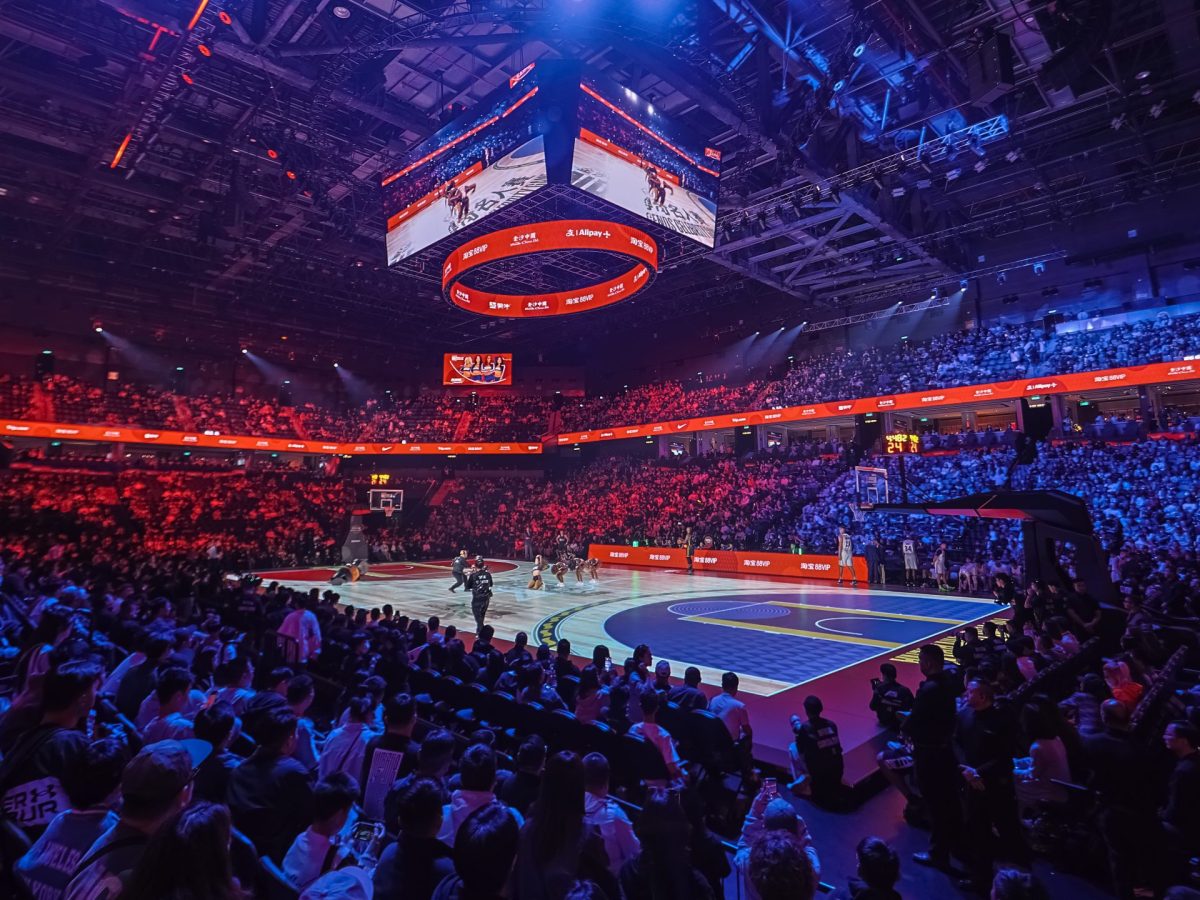
We’ve worked on several arenas in China’s Greater Bay Area so when it came to a project like upgrading the Venetian Arena in Macau, which opened in 2024, we were very clear with all the project participants from the start about not just the physical space, but also the economic, political and social space that the project needed to occupy to position it as a key venue in the Asian entertainment and events industry. No sooner had the venue opened, than it announced it would be hosting pre-season NBA games in 2025.
There’s no slowing down the progress of arena development in Asia so it’s up to us as designers to meet the challenge of time a cost with innovation and value creation.


Lorem ipsum dolor sit amet consectetur, adipisicing elit. Non facere corporis et expedita sit nam amet aut necessitatibus at dolore enim quis impedit eius libero, harum tempore laboriosam dolor cumque.
Lorem, ipsum dolor sit amet consectetur adipisicing elit. Illo temporibus vero veritatis eveniet, placeat dolorem sunt at provident tenetur omnis, dicta exercitationem. Expedita quod aspernatur molestias eum? Totam, incidunt quos.