King Fahad Sports City Stadium
Riyadh, Saudi Arabia
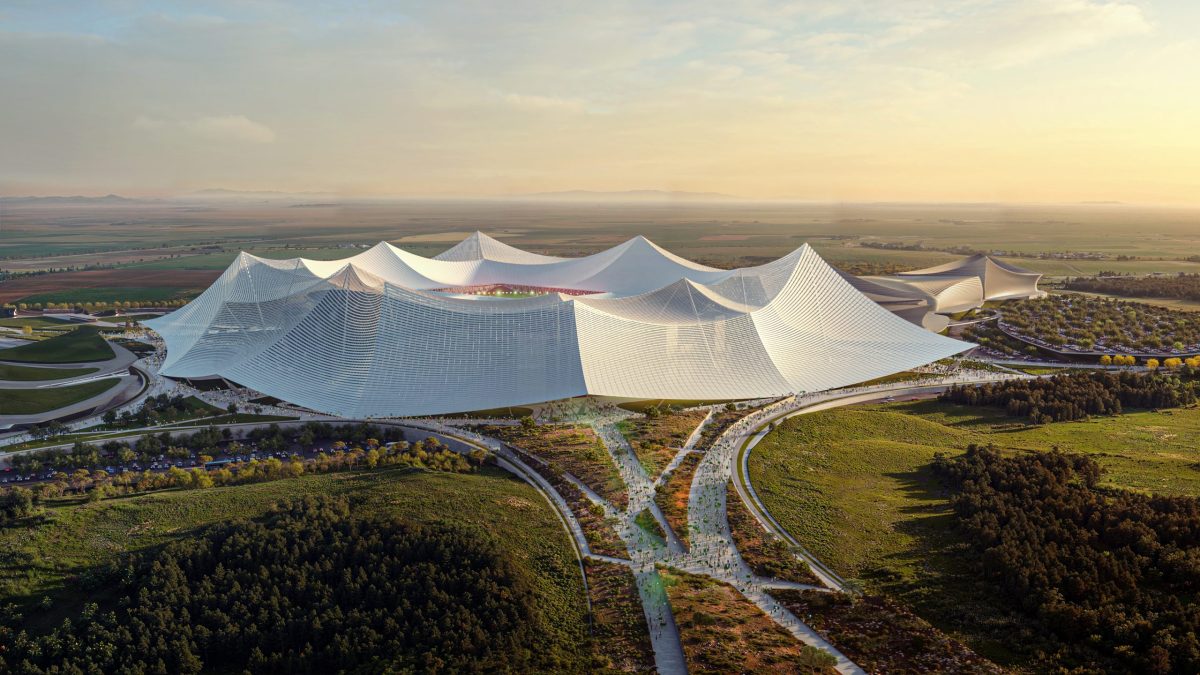
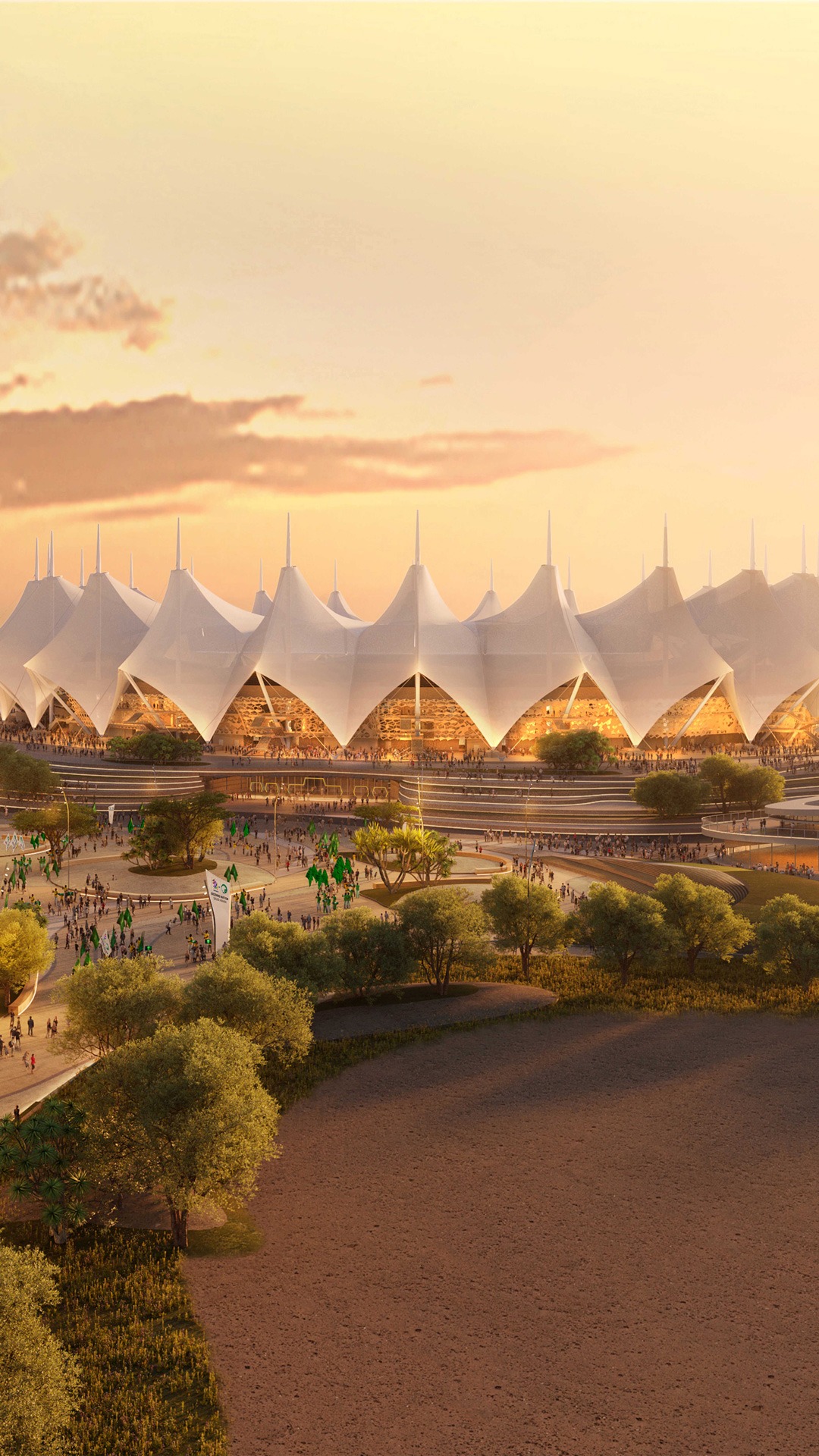
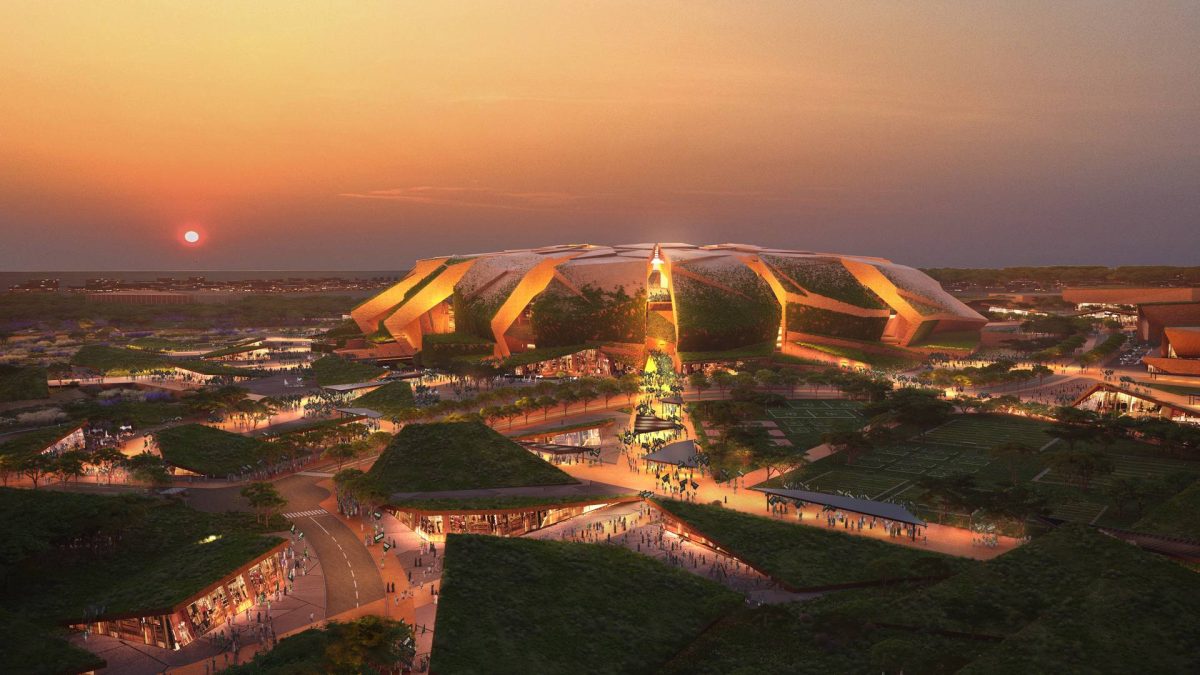
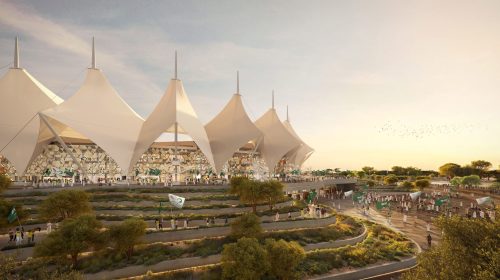
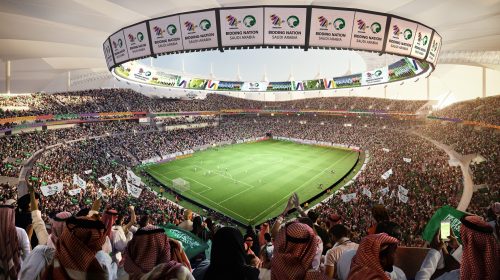
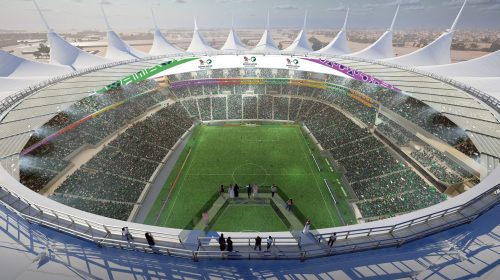
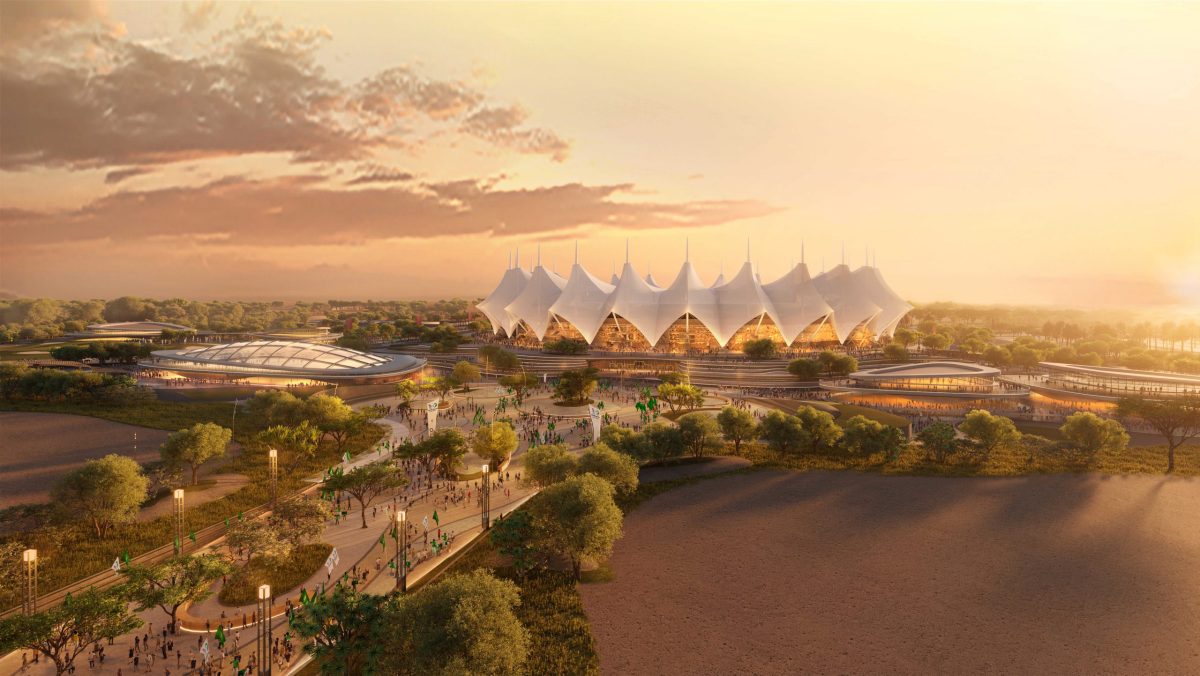
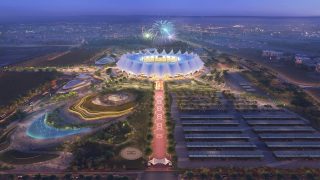
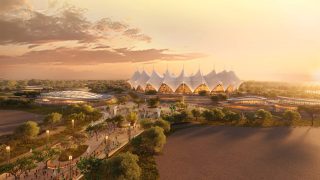
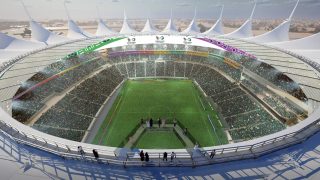
As Saudi Arabia prepares to welcome the world for the FIFA World Cup 2034™, King Fahad Sports City Stadium is being transformed through a comprehensive renovation that celebrates the venue’s legacy while creating a world-class destination for the future. Designed by Populous for the Saudi Ministry of Sports, the project will modernise one of the Kingdom’s most iconic sporting landmarks while demonstrating how large-scale stadium redevelopment can be delivered through a sustainability-led approach.
-
Client
Ministry of Sport
-
Disciplines
-
Collections
Opened in 1987, King Fahad Sports City Stadium was the first major stadium of its kind in the region and quickly became a symbol of Saudi Arabian sport. Home to the national football team, it has hosted some of the most significant sporting and entertainment events in the Middle East, including the FIFA Confederations Cup, AFC Champions League Finals, Arabian Gulf Cup tournaments, world championship boxing events and major international concerts.
The renovation preserves the stadium’s status as a national landmark while adapting it to meet the demands of contemporary sport and entertainment. The design focuses on retaining and enhancing key elements of the existing structure, reducing environmental impact through the reuse of materials and infrastructure wherever possible.
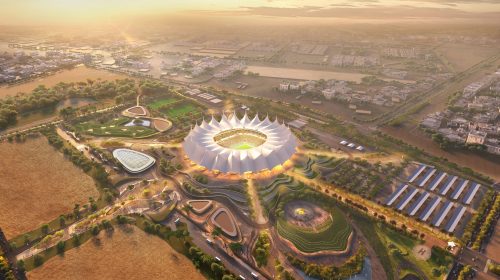
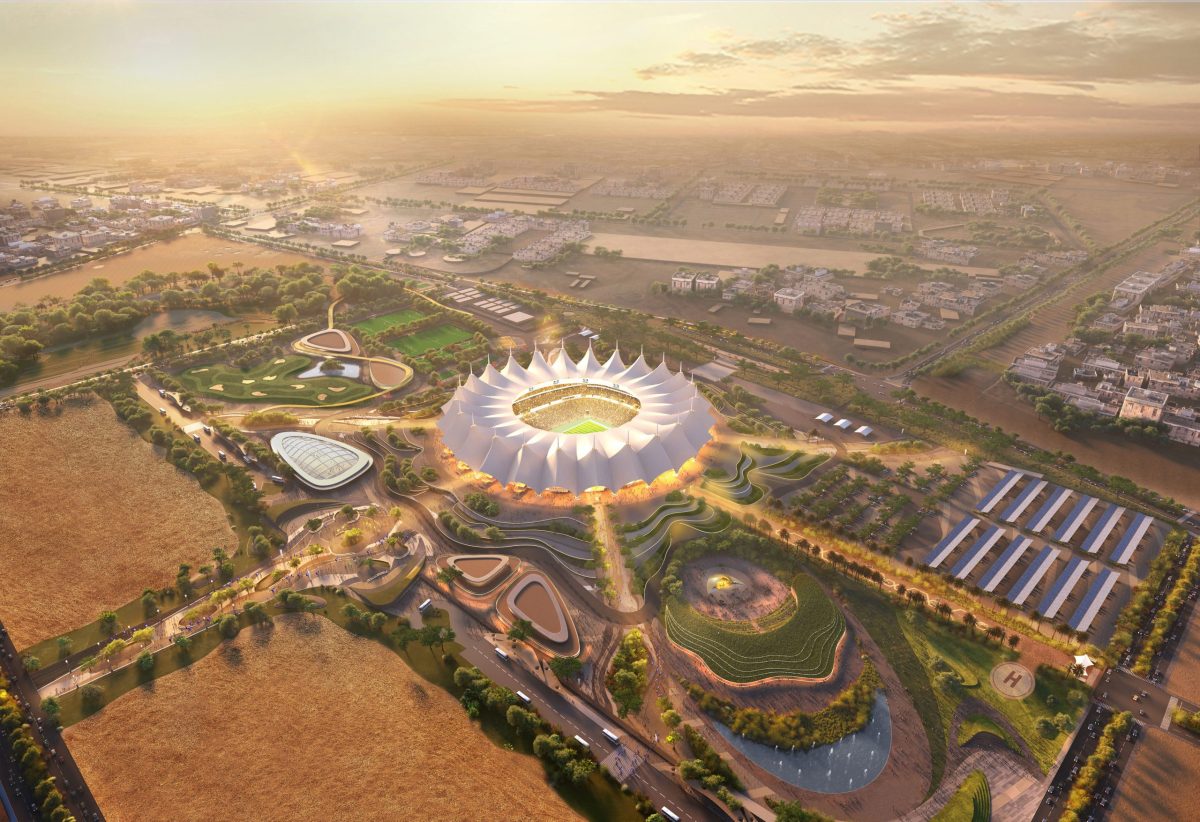
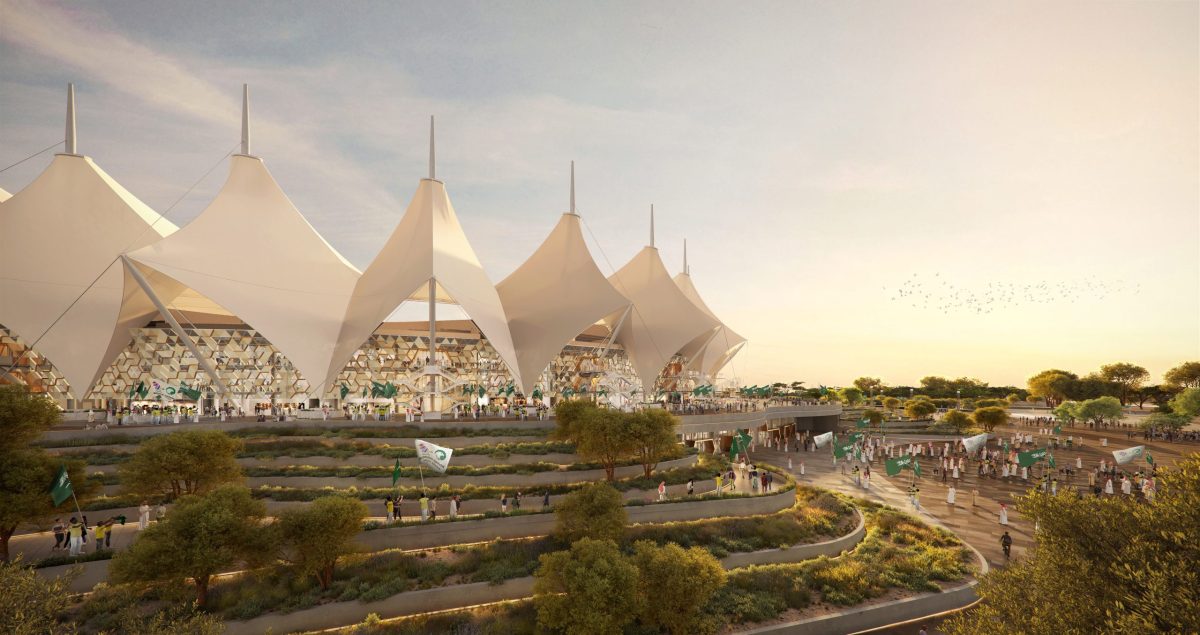
A major component of the project is the expansion of the stadium’s capacity through the creation of a new lower seating tier, achieved by excavating approximately ten metres below ground level. Rather than removing this material from site, the excavated soil is being repurposed to shape a new landscape masterplan surrounding the stadium, creating a vibrant mixed-use destination that extends the venue’s role beyond matchday activity.
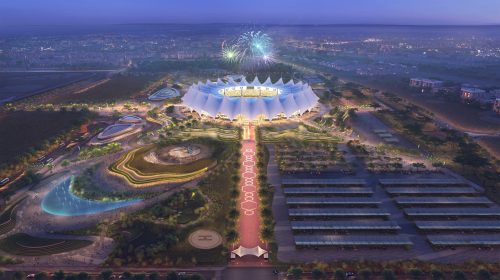
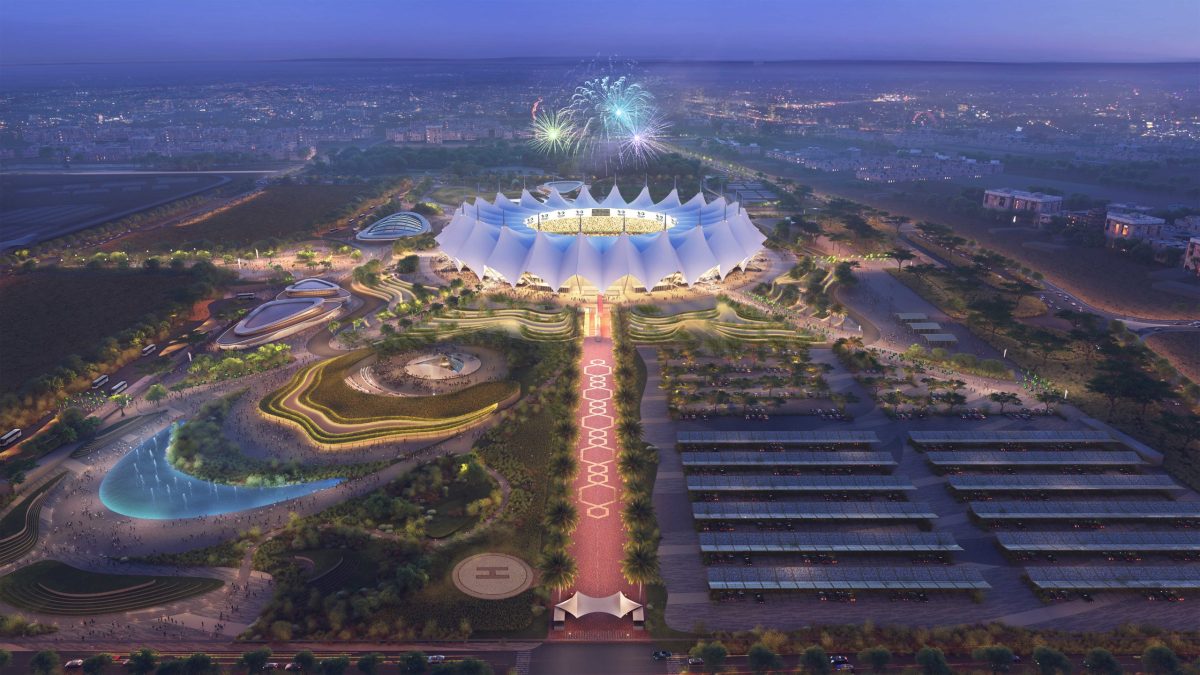
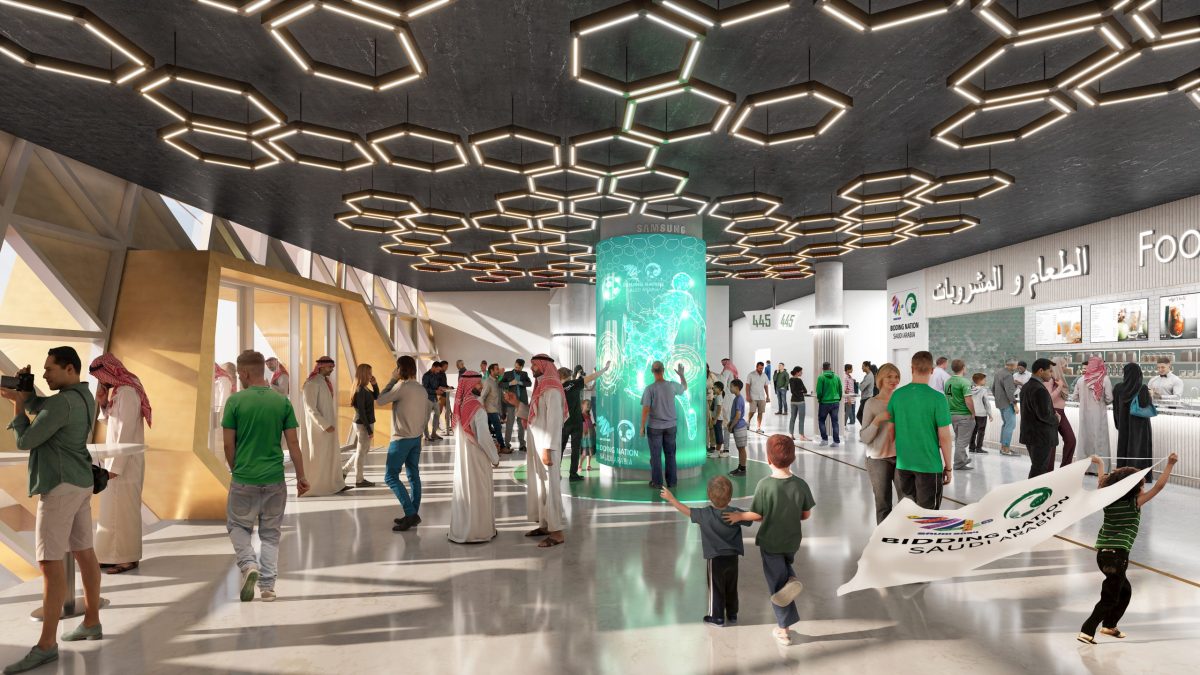
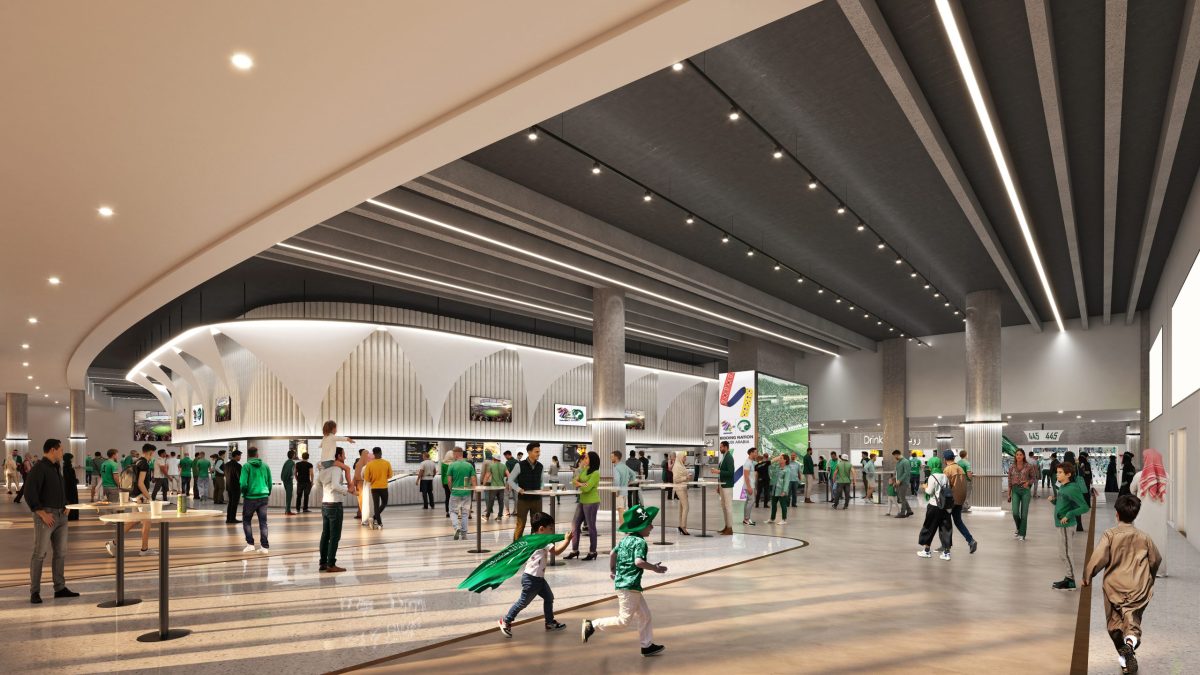
The wider development will introduce a range of new community-focused facilities, including a football academy, sports centre, amphitheatre, fan zone, five-a-side football pitches, footgolf course and commercial destinations. More than 400 existing trees will be carefully relocated and replanted throughout the new parkland, helping to establish a greener and more accessible environment for local residents and visitors.
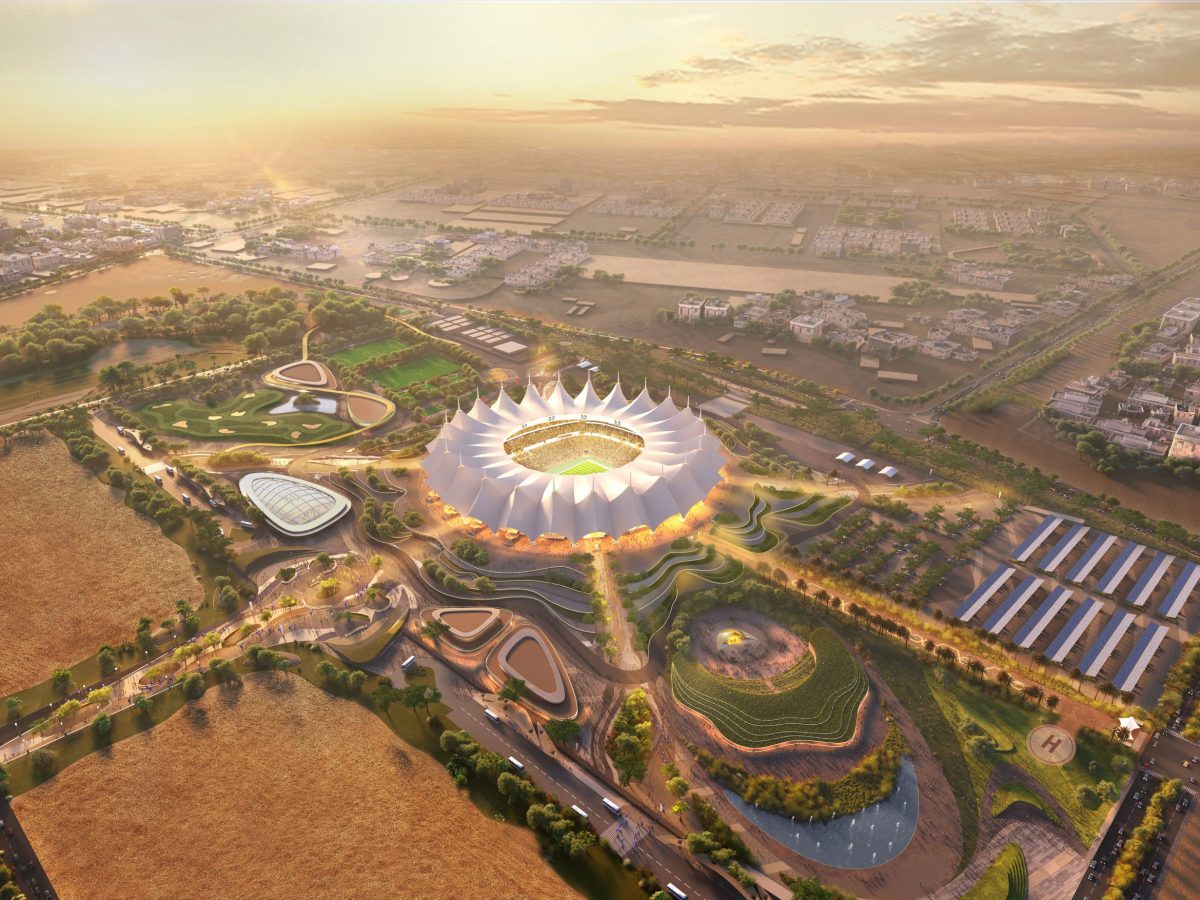
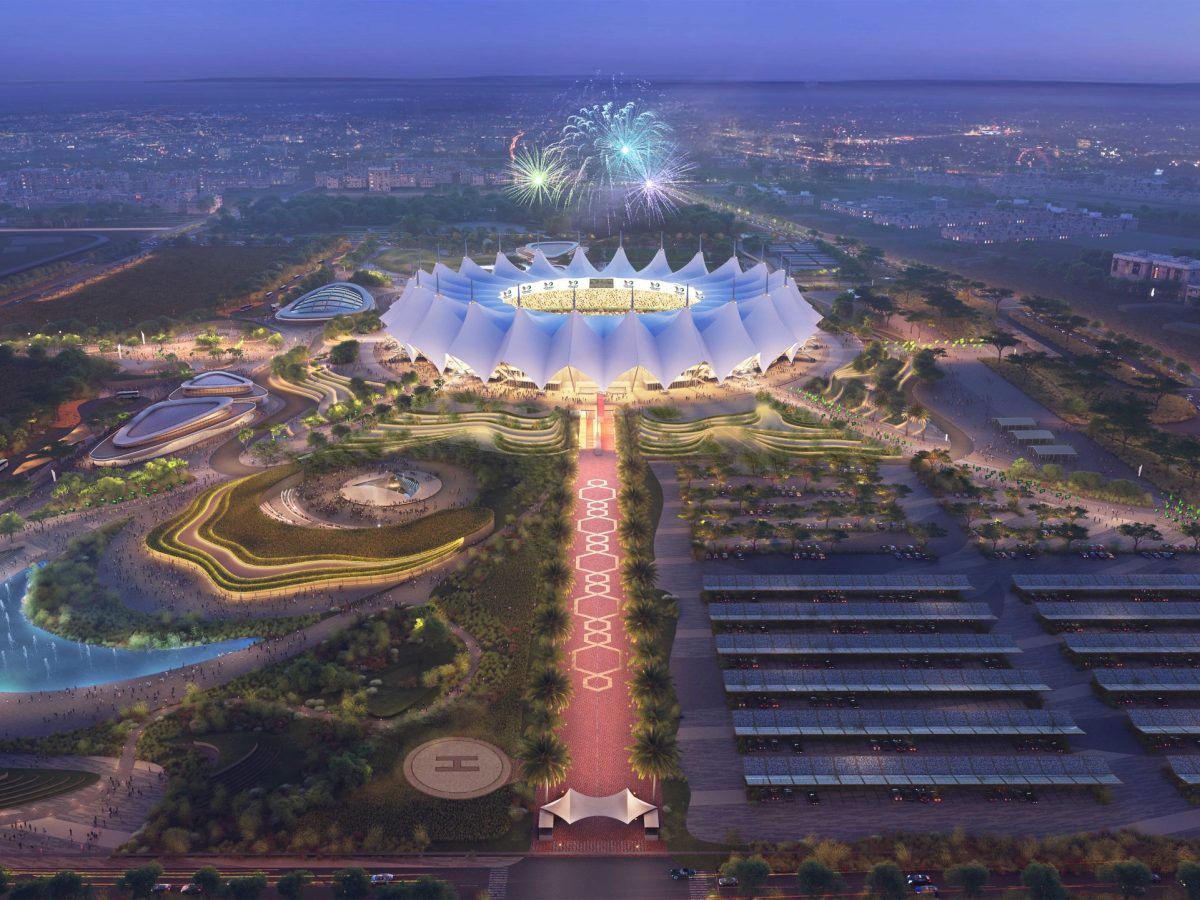
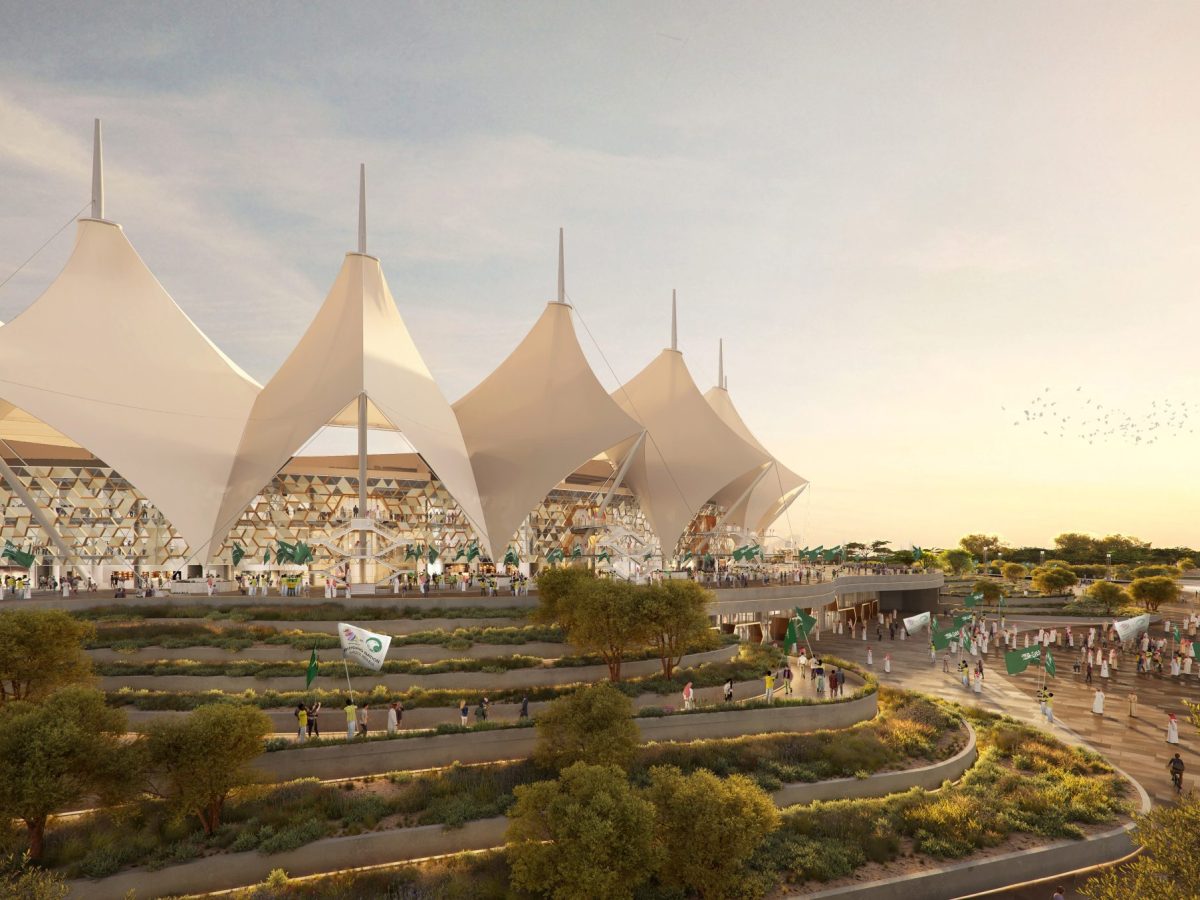
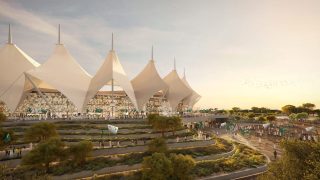
Throughout the project, sustainability has informed every stage of the design process. The stadium’s original roof canopy had reached the end of its operational life and was unable to support the technical requirements of modern entertainment events. Instead of discarding the existing structural masts and cables, these elements are being repurposed on-site to create new photovoltaic shading structures above the parking areas. The solar installations will generate enough energy to satisfy the stadium’s non-event operational requirements, including electric vehicle charging infrastructure.
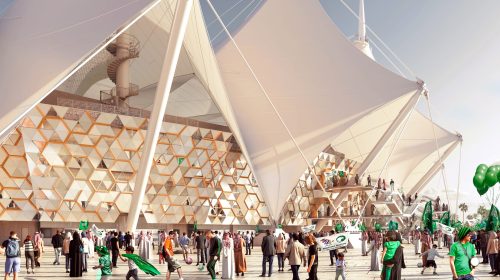
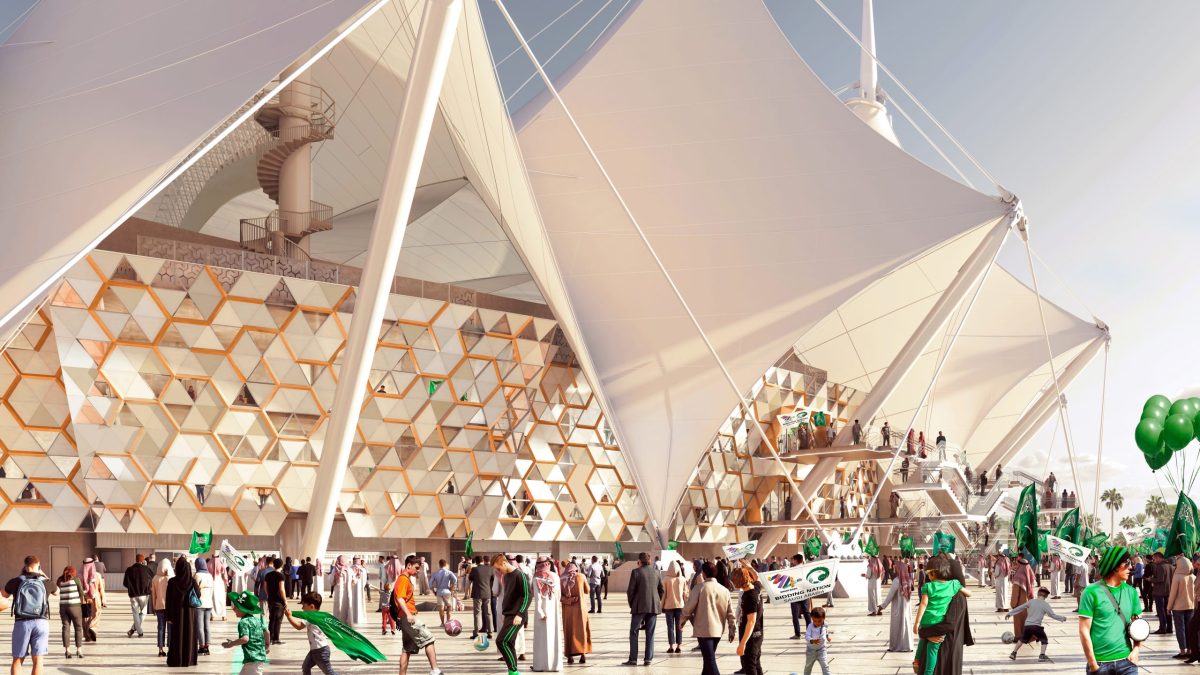
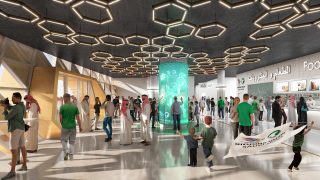
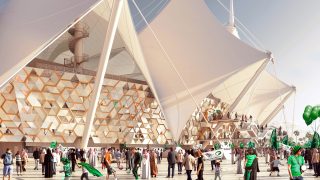
Additional reuse strategies are embedded across the project. The stadium’s distinctive hexagonal cladding is being repurposed within the landscape design and reused to clad new energy and utility buildings across the site. Existing seating, sanitary fittings and lighting infrastructure are also being carefully removed and redistributed to support community initiatives elsewhere in the Kingdom.
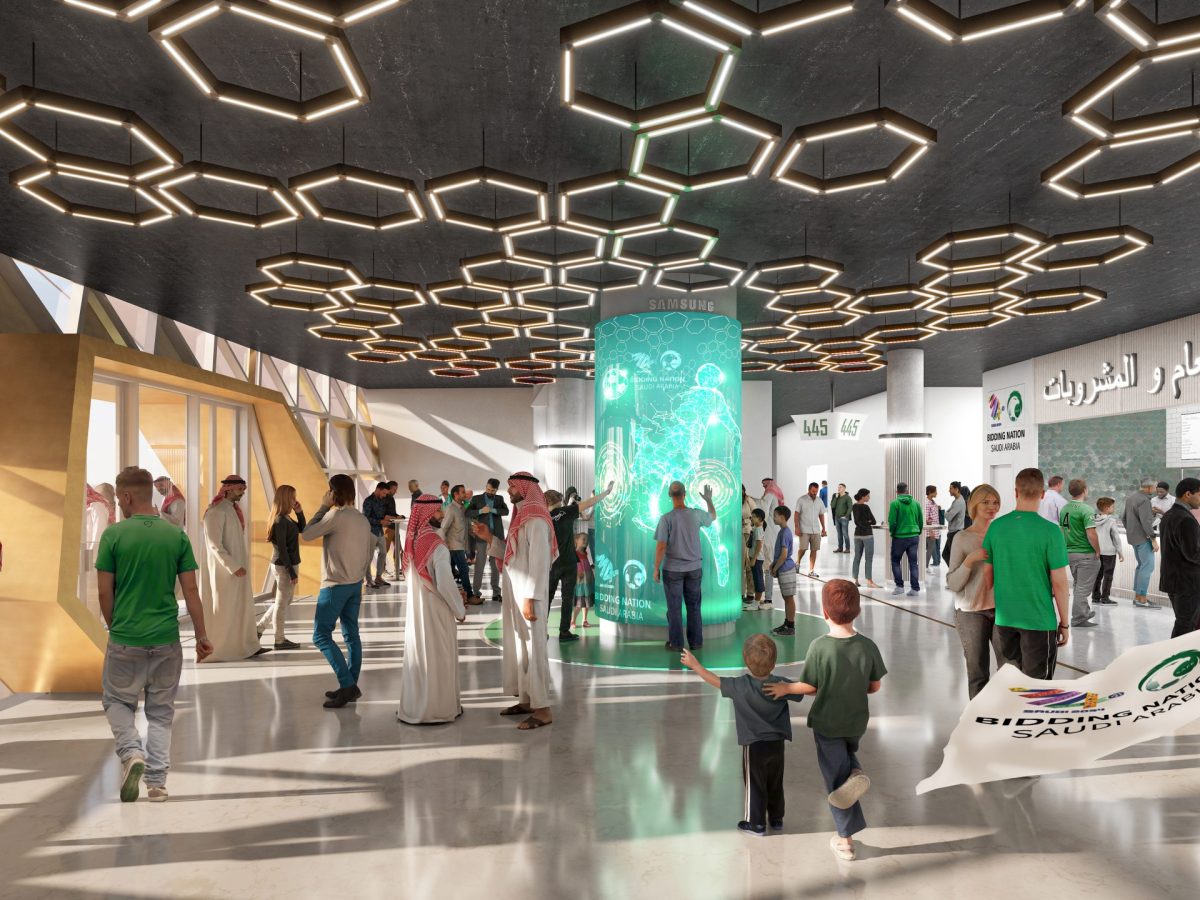
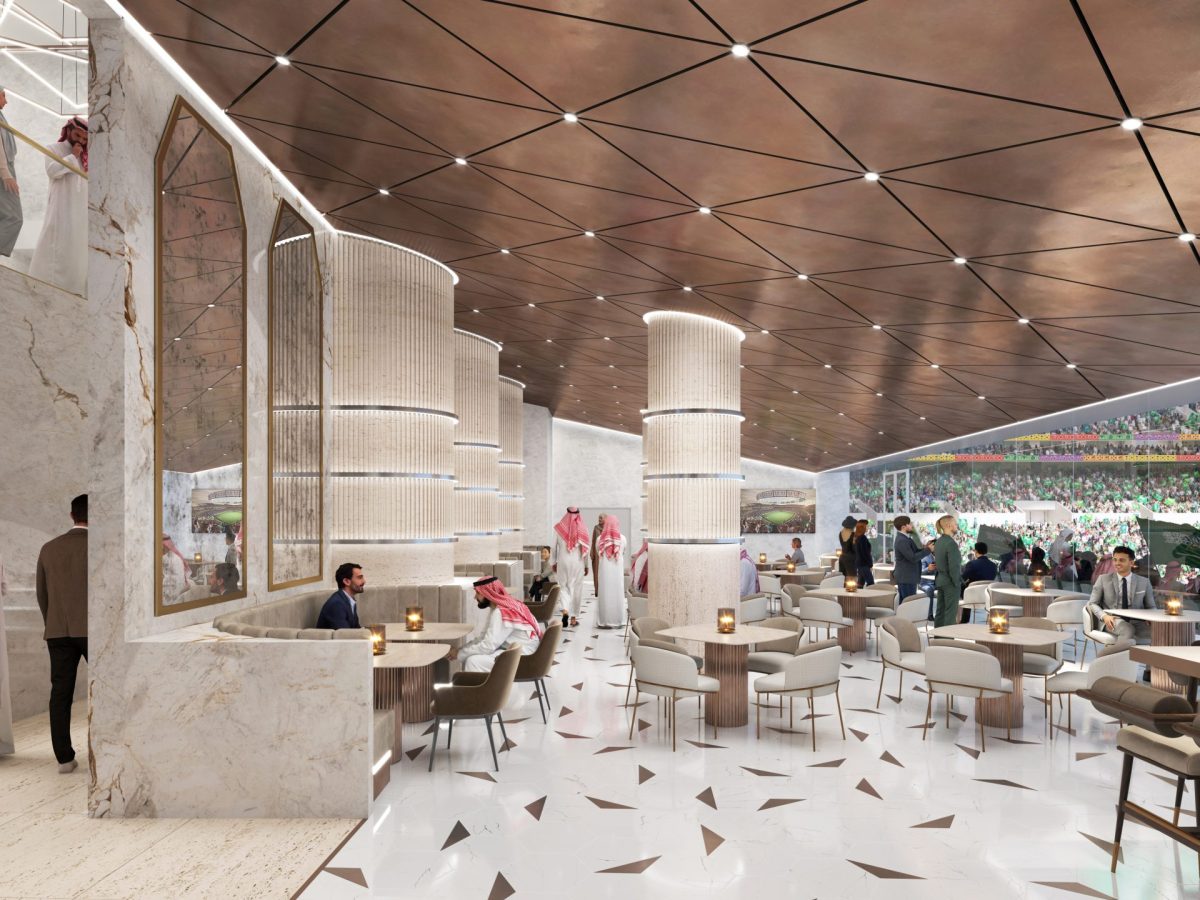
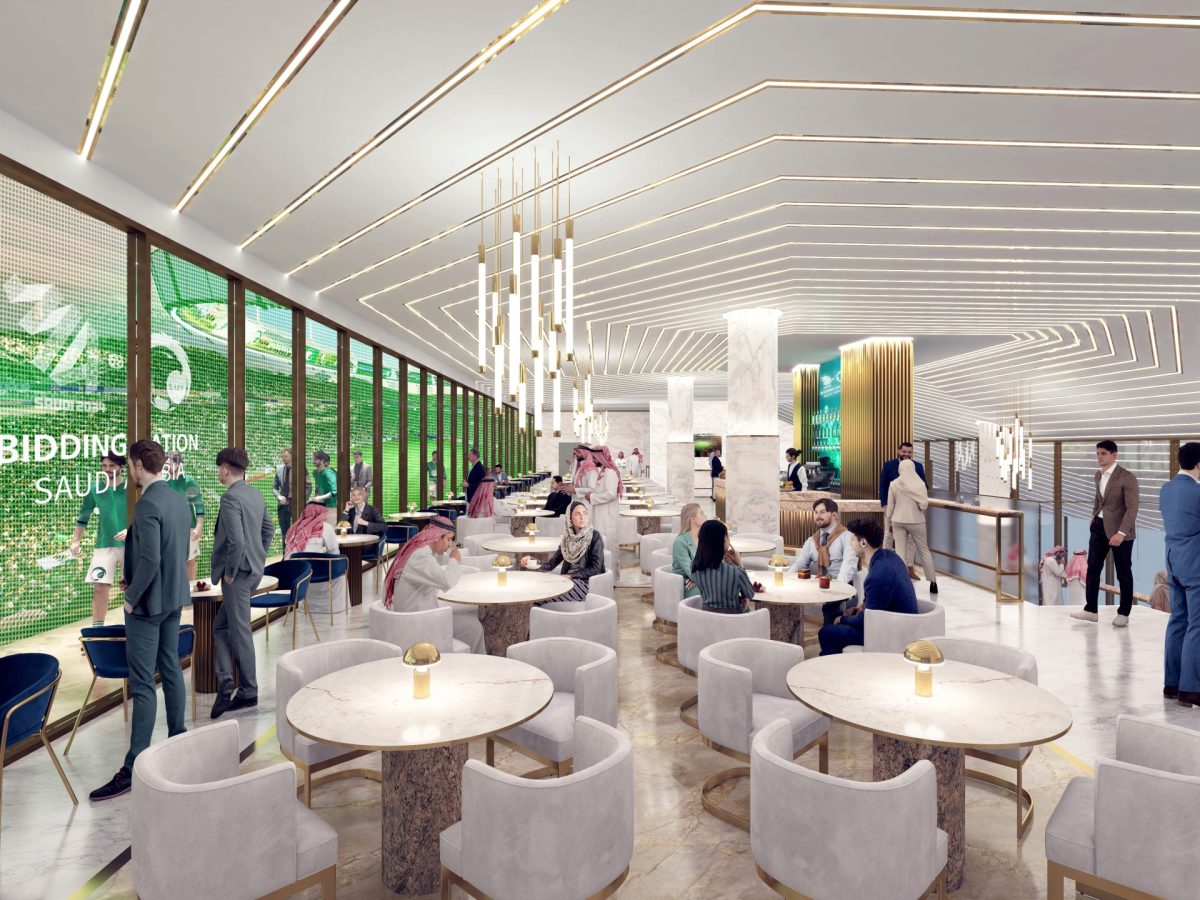
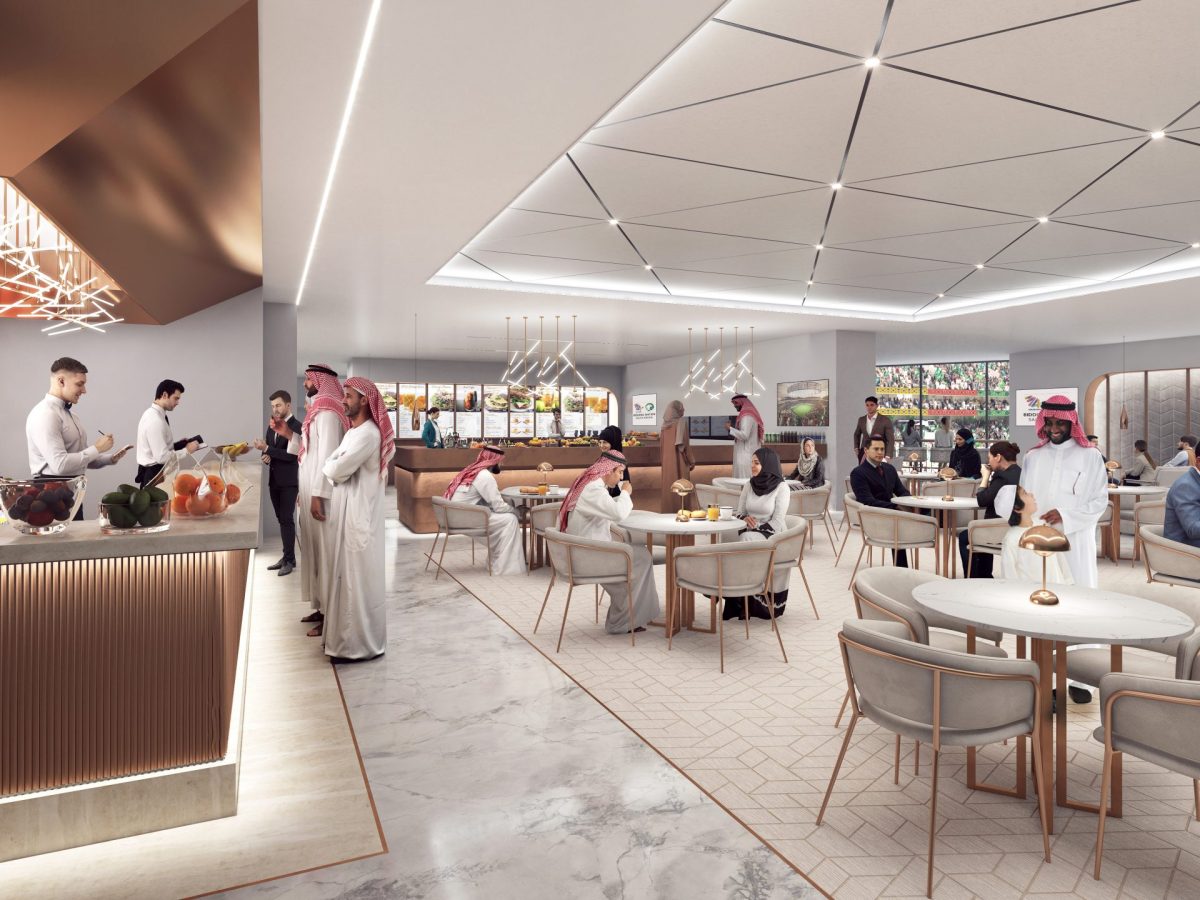
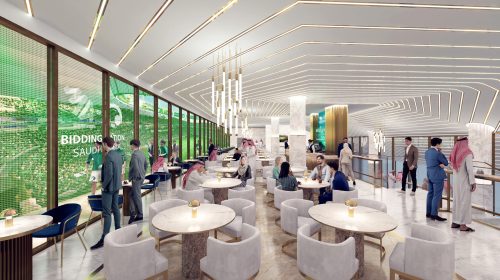
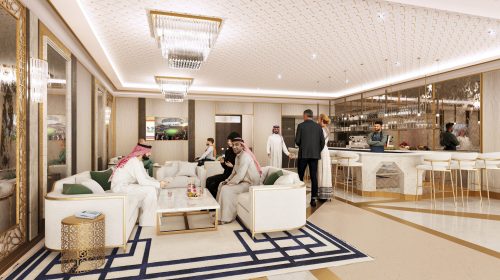
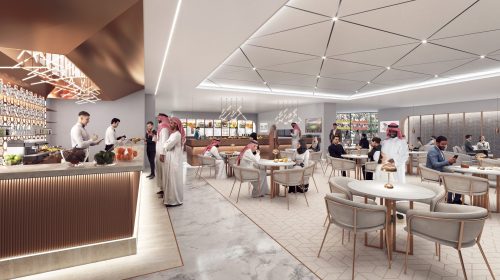
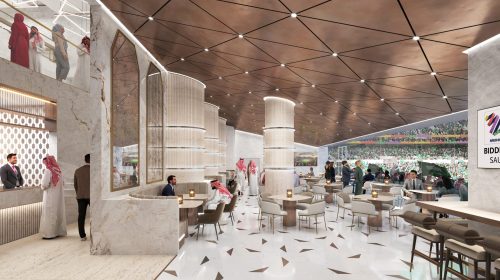
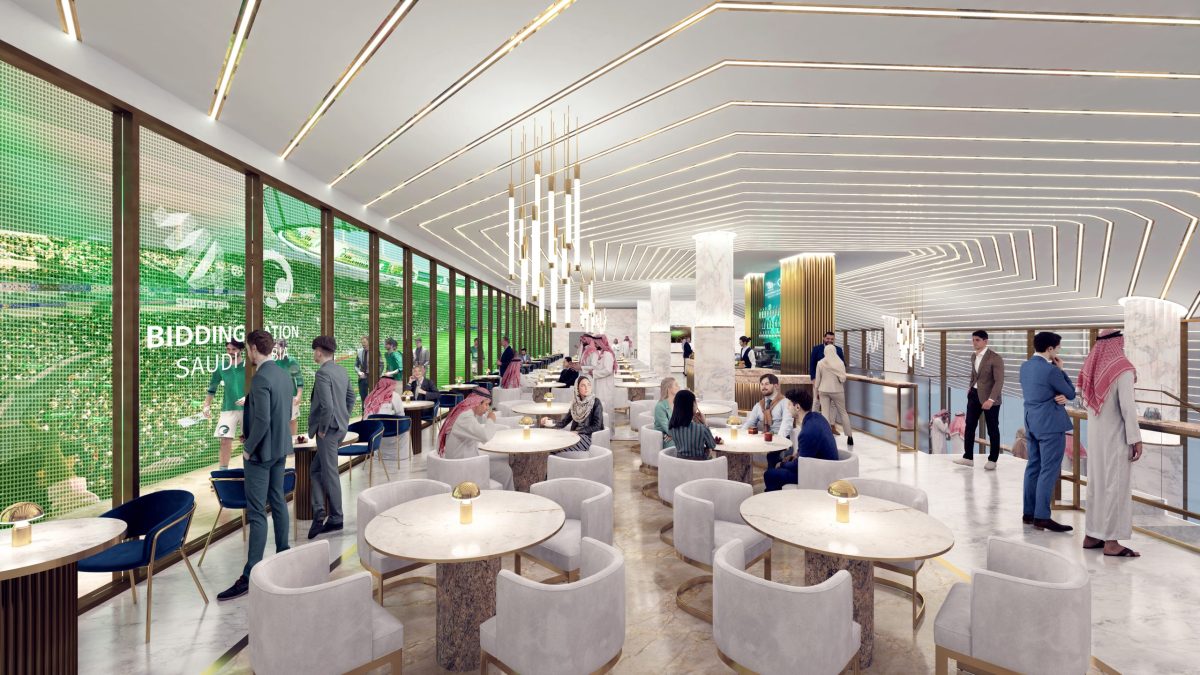
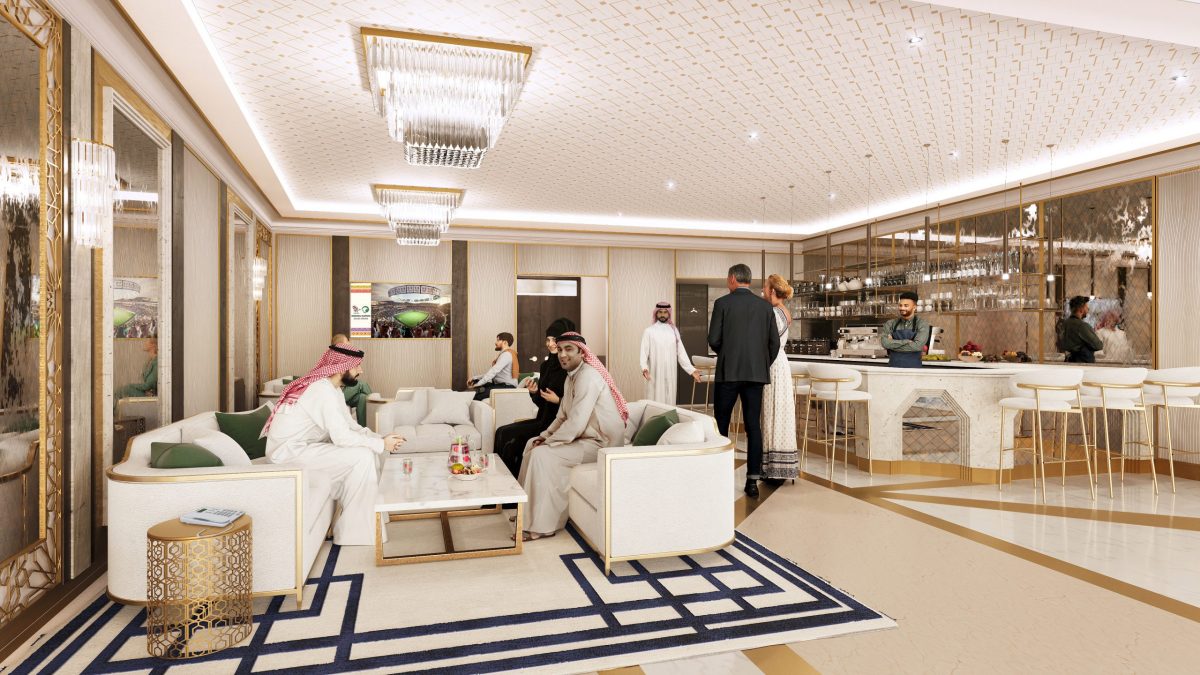
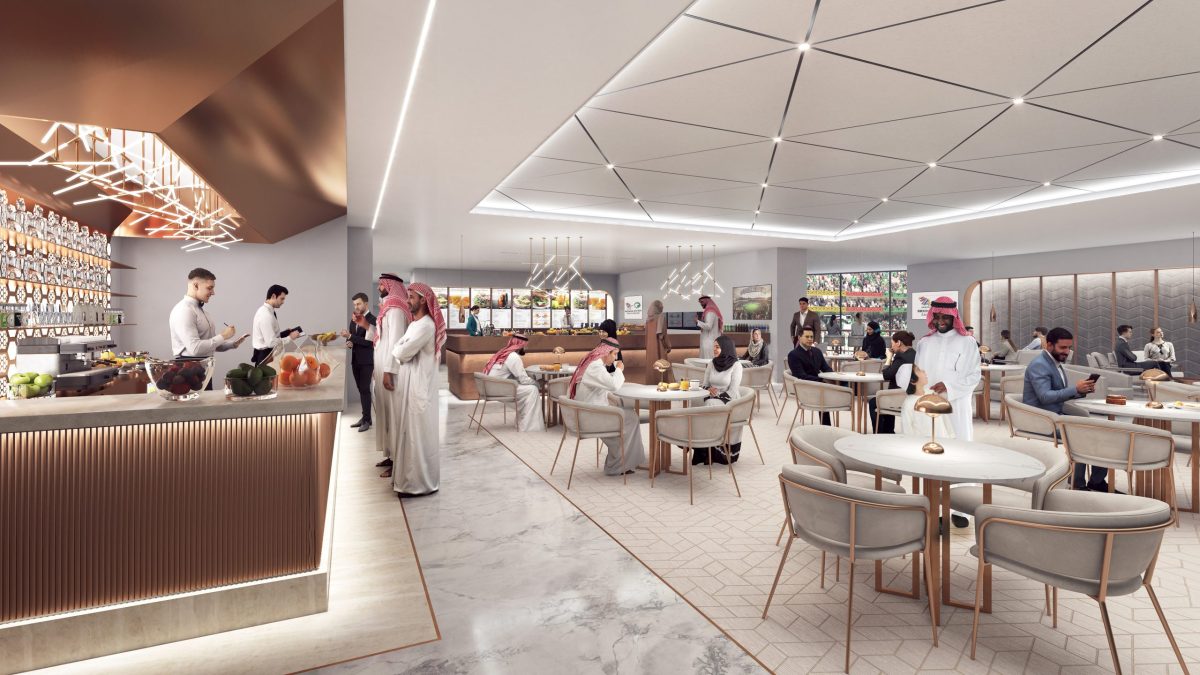
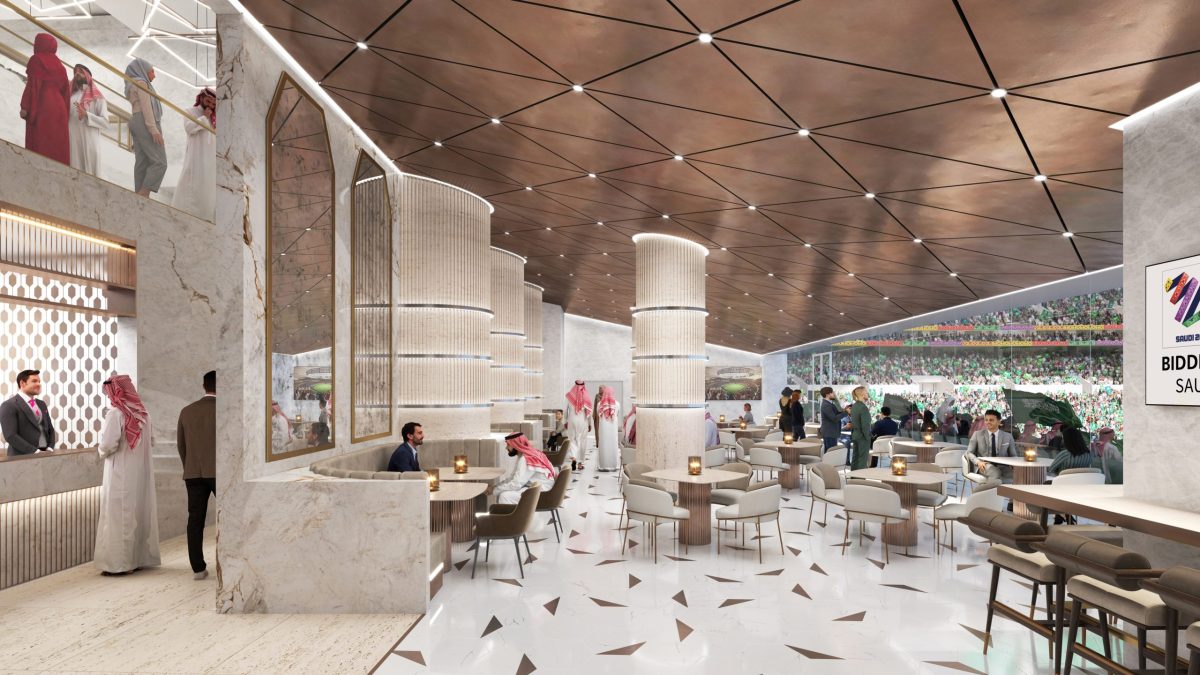
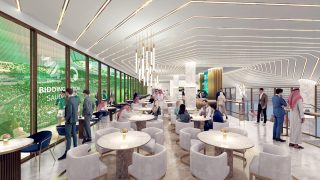
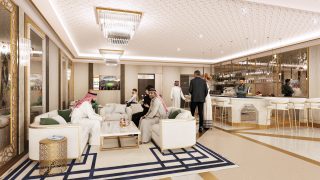
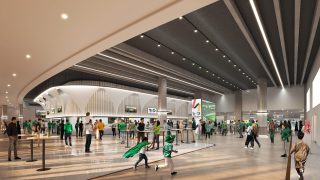
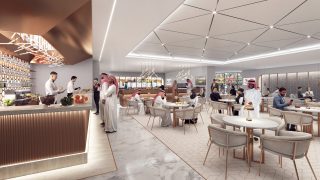
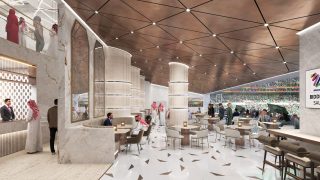
The design retains key architectural features that define the stadium’s identity. The existing East Stand and associated facilities will be refurbished, while the iconic Hive structure and royal hospitality areas on the west side will be preserved, maintaining the character and heritage of the original venue. At the same time, upgraded media, operational and hospitality facilities will ensure the stadium meets the highest international standards for major tournaments and entertainment events.
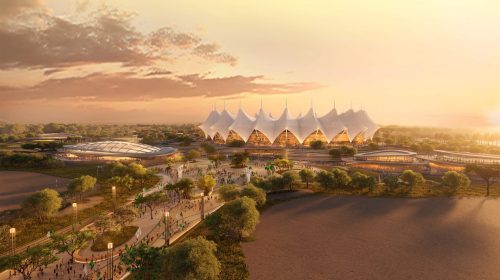
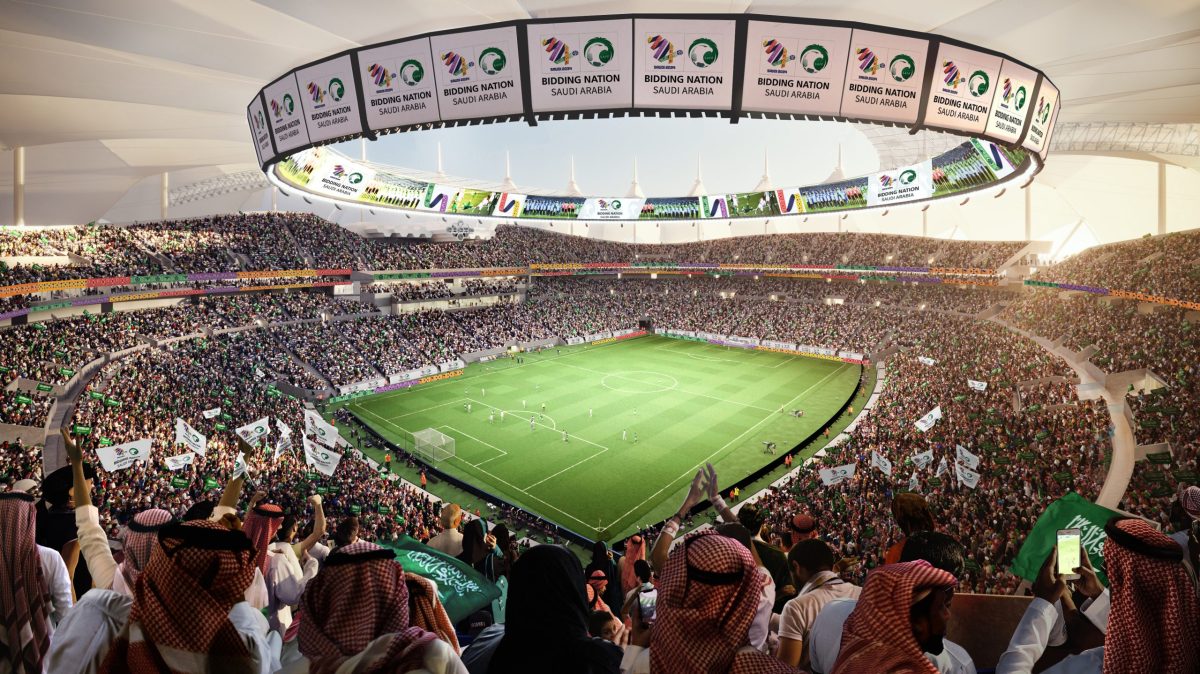
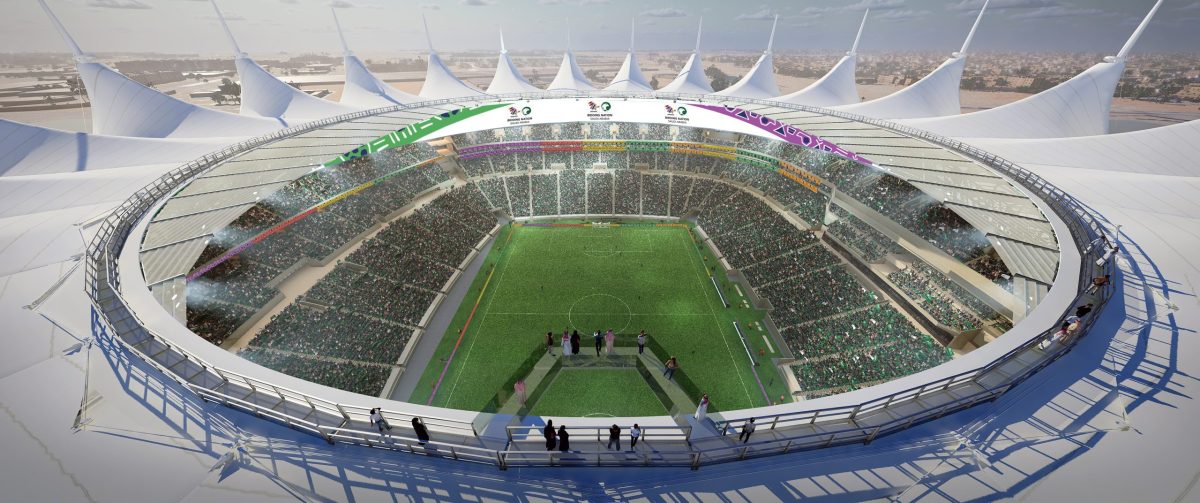
To preserve the venue’s distinctive silhouette, a new system of structural masts will be introduced to support the technical demands of contemporary events. These will work in conjunction with a new 36,000-square-metre cable-net roof canopy that provides extensive shade across the seating bowl and surrounding podium while reinforcing the stadium’s recognisable architectural form.
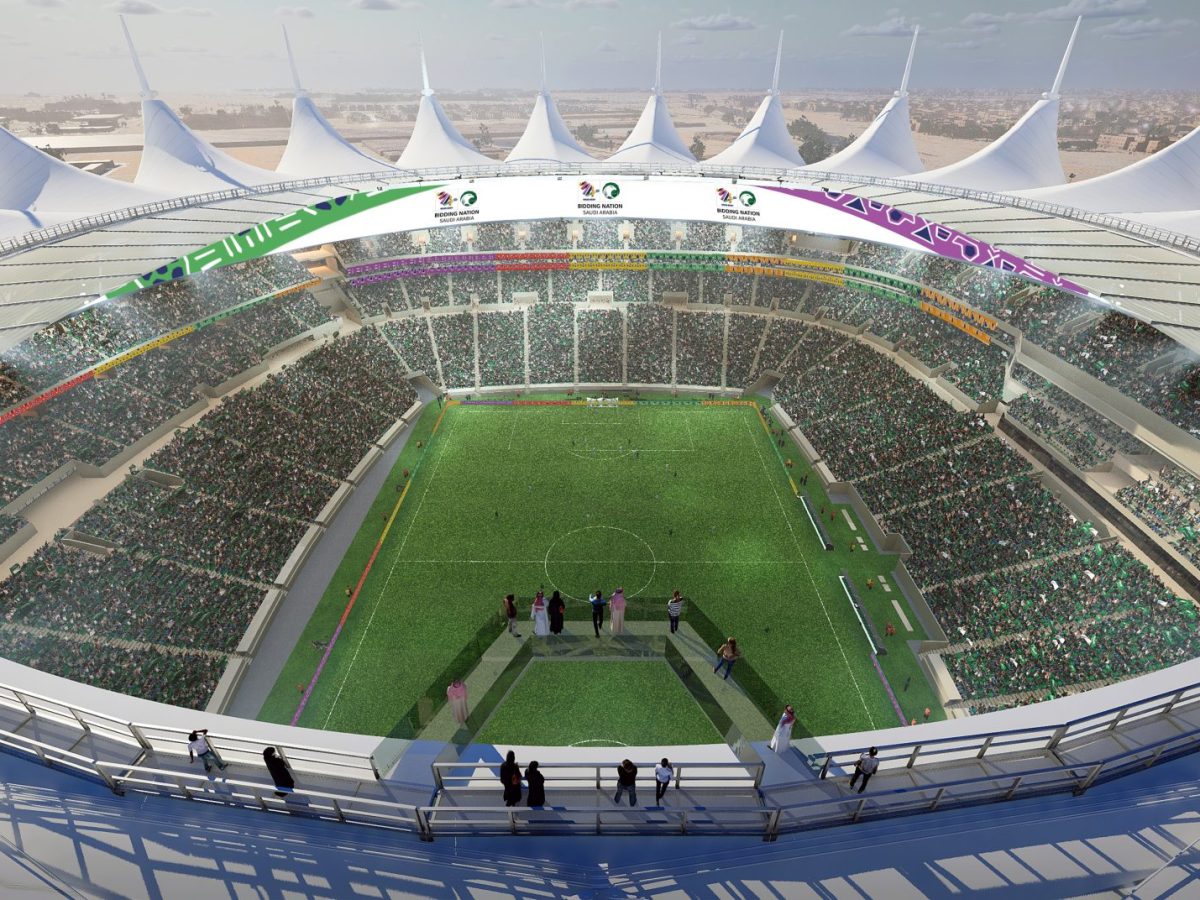
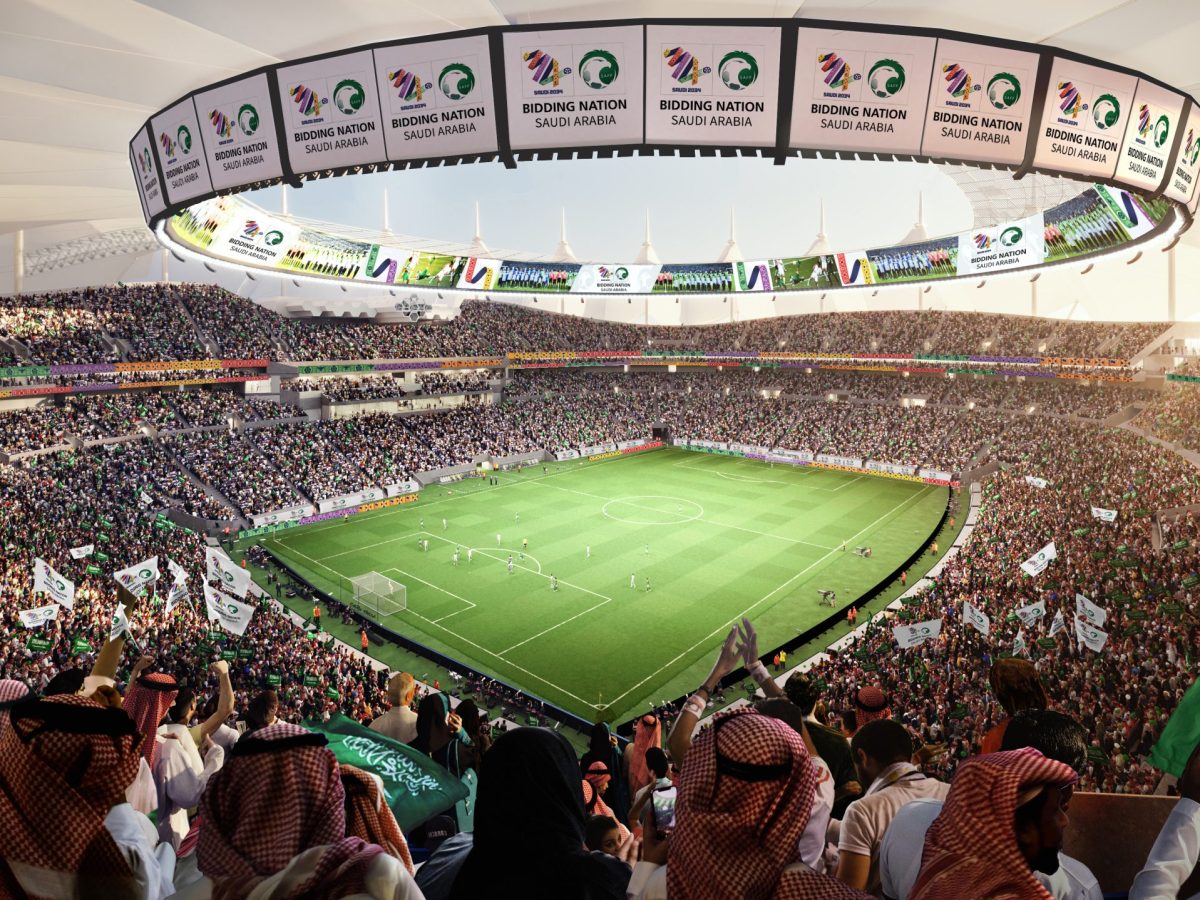
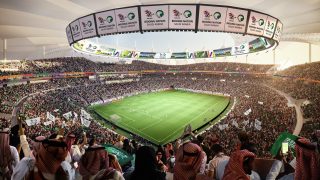
Inside the venue, spectator comfort is being enhanced through innovative environmental design solutions developed by Populous’ sustainability specialists. Detailed climatic analysis identified opportunities to reduce heat retention within the concrete seating bowl. In response, a series of semi-automatic deployable terrace covers has been developed to reflect solar radiation and minimise heat absorption during the day. Testing indicates the system can reduce concrete surface temperatures by up to eight degrees Celsius, significantly lowering radiant heat levels during events and reducing demand on the stadium’s cooling systems.
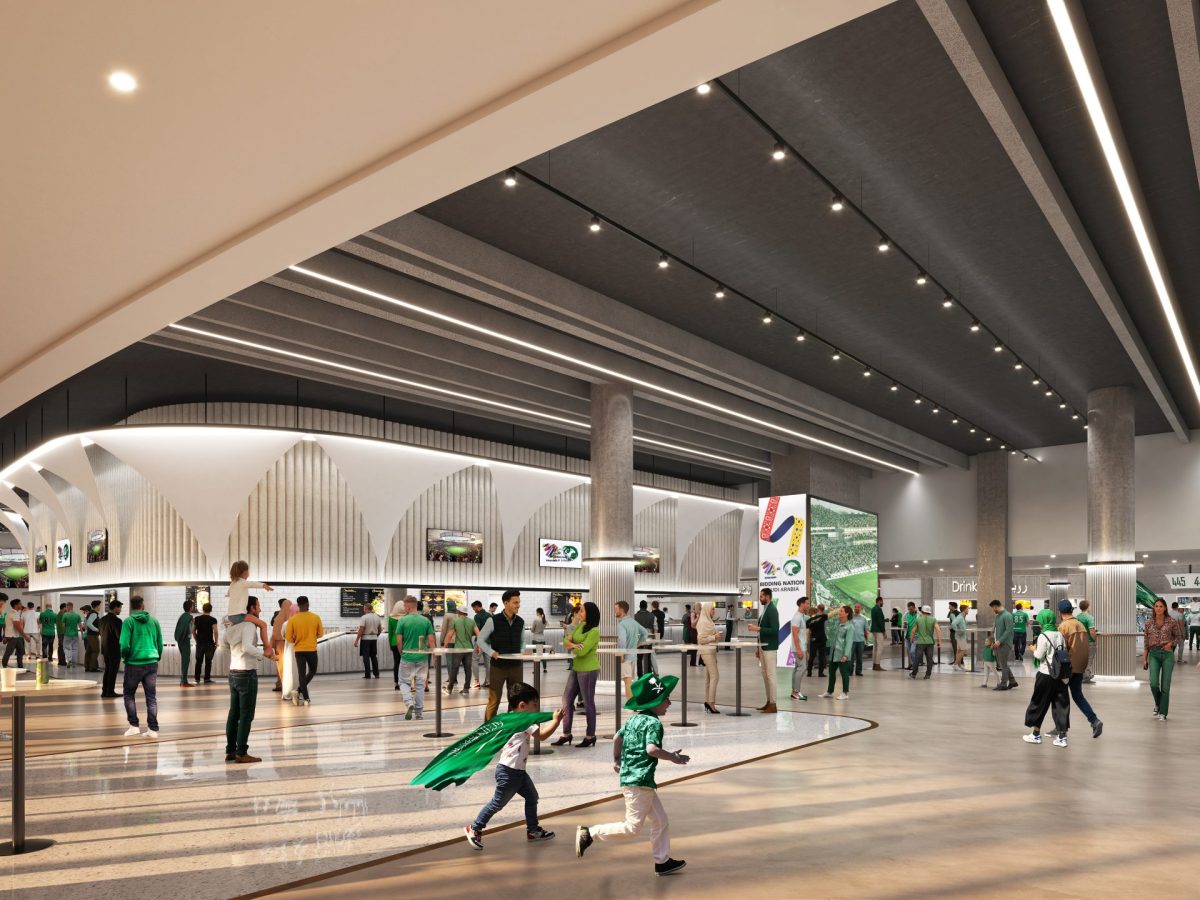
Together with a new displacement cooling strategy, these interventions will create a more comfortable and energy-efficient spectator experience while supporting the venue’s long-term operational sustainability.
The transformation of King Fahad Sports City Stadium demonstrates how existing sporting infrastructure can be adapted to meet future demands without sacrificing heritage, identity or environmental responsibility. By combining innovative sustainability strategies with a comprehensive programme of renewal, the project will ensure that one of Saudi Arabia’s most beloved sporting venues continues to create memorable experiences for generations to come.
Explore More Projects
Gallery
( 13 )
King Fahad Sports City Stadium
( — 13 )

Lorem ipsum dolor sit amet consectetur, adipisicing elit. Non facere corporis et expedita sit nam amet aut necessitatibus at dolore enim quis impedit eius libero, harum tempore laboriosam dolor cumque.
Lorem, ipsum dolor sit amet consectetur adipisicing elit. Illo temporibus vero veritatis eveniet, placeat dolorem sunt at provident tenetur omnis, dicta exercitationem. Expedita quod aspernatur molestias eum? Totam, incidunt quos.