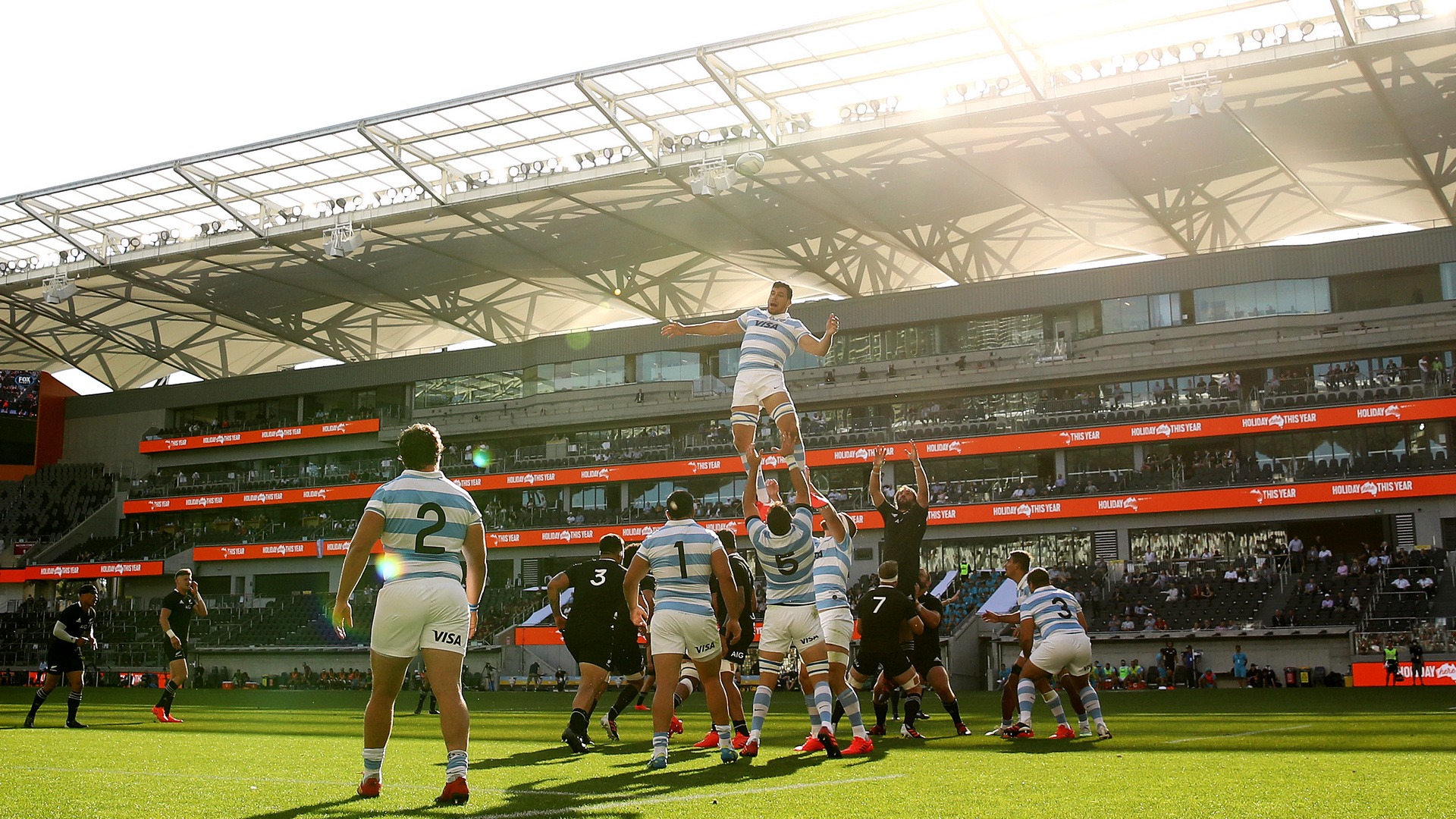
Commbank Stadium
-
クライアント
Lendlease
-
総容量
30,000
-
学問分野
Completed in 2019, the 30,000-seat venue became the first stadium in the world to achieve LEED v4 Gold certification.
Designing for Deconstruction
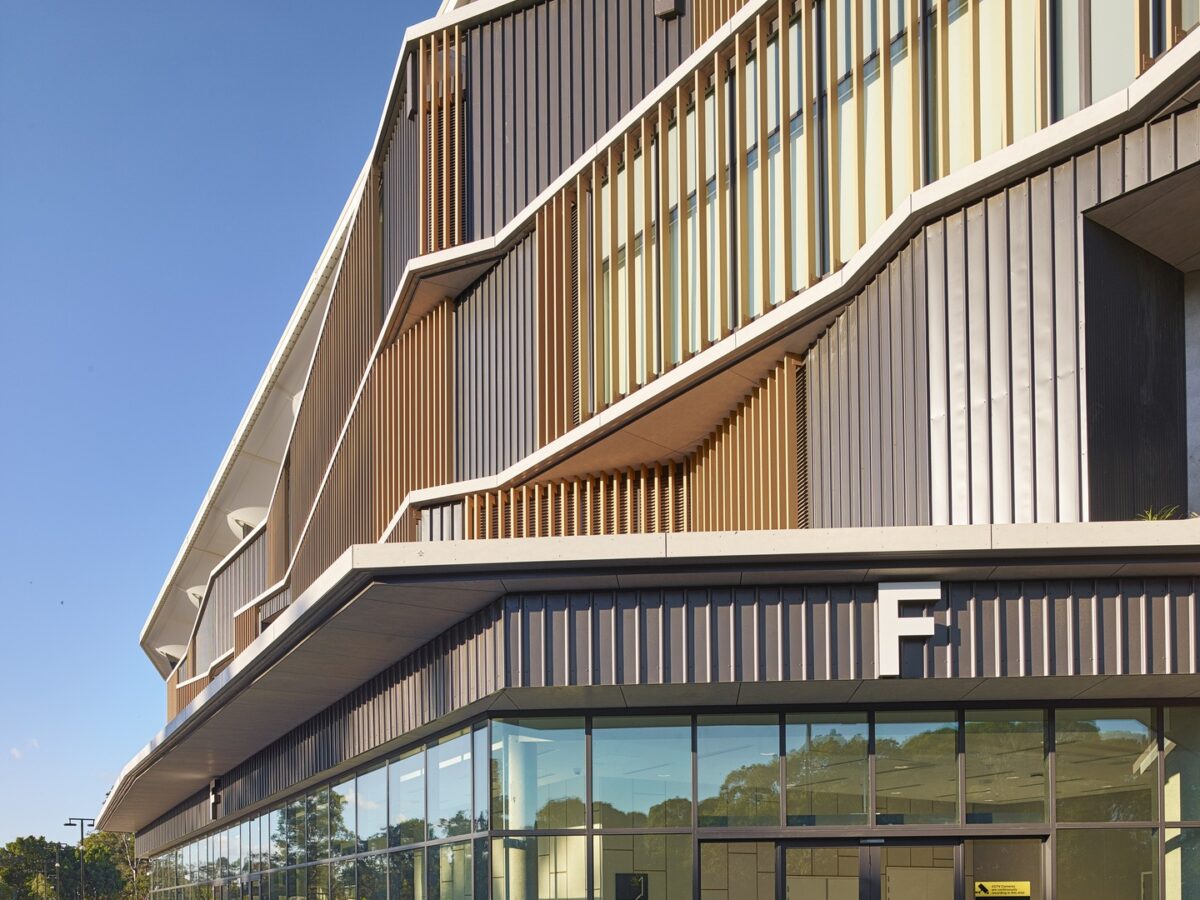
The stadium was designed so it could easily be taken apart again when it becomes necessary. Steel roof members use bolted connections instead of welds and a single standardized section, so the whole roof can be unbolted and used elsewhere rather than scrapped. Precast concrete slabs were bolted into place for the same reason. Material recovered during the demolition of the old stadium was reused as subgrade in the new foundations, and new steel was sourced locally from BlueScope, cutting both transport emissions and virgin material use.
Populous, Lendlease and Aurecon worked together from the earliest design stages, a collaborative model that enabled the team to design for disassembly from day one instead of retrofitting it later.
Using less material mattered as much as reusing it: the north-east and south concourses were left unclad, removing the need for mechanical ventilation. A lightweight fabric roof, hung beneath the steel frame rather than on top of it, cut material use while shaping the acoustics inside the bowl. Water harvested from that roof irrigates the pitch. Together, these choices reduced whole-of-life greenhouse gas emissions by 48% against the reference case.
Circular thinking also shaped everyday life in and around the stadium during construction too with modular, off-site construction reducing traffic through the surrounding neighborhood.
Zoom
Zoom
Zoom
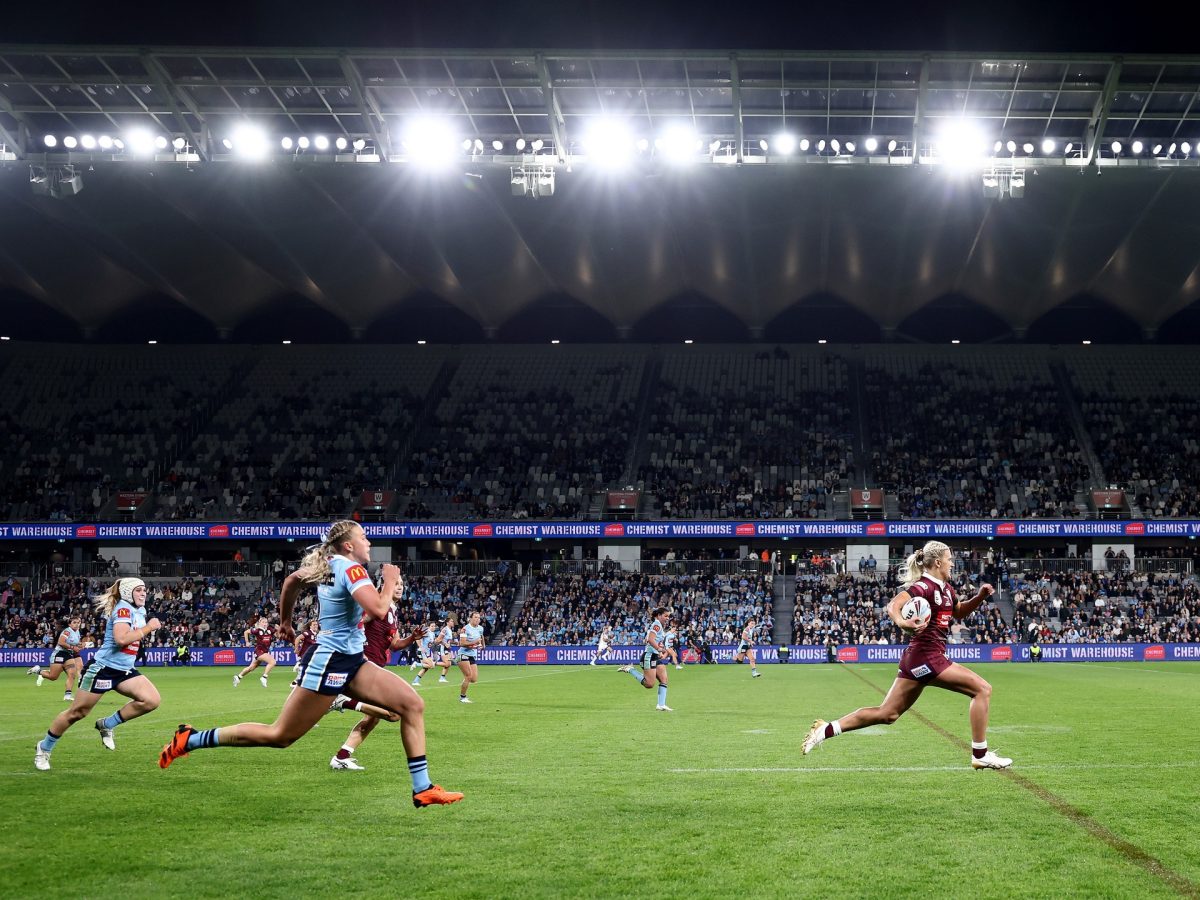
The home of sport and entertainment in Western Sydney
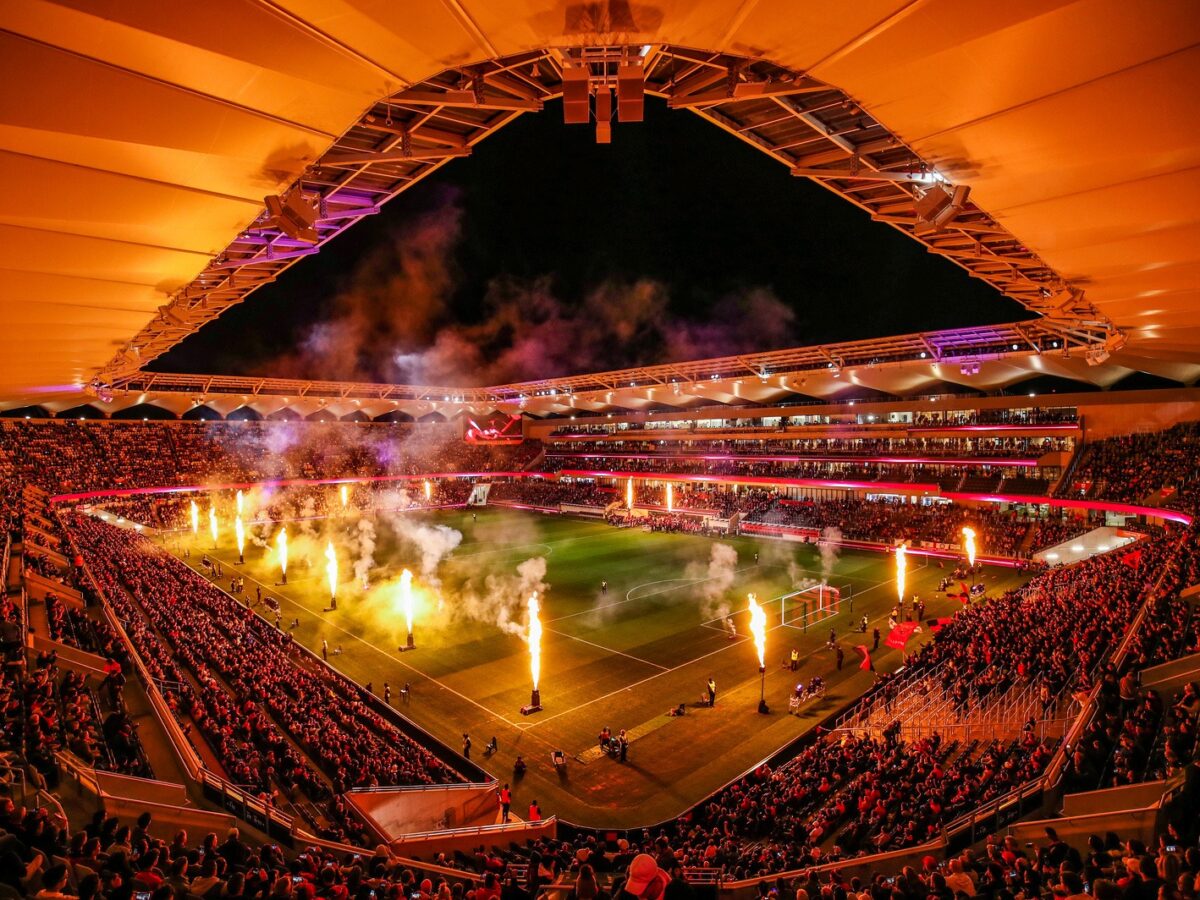
The finished stadium was designed around Western Sydney’s family-oriented character rather than for occasional big nights. Australia’s first continuous suite deck gives fans a social, in-bowl experience while a family zone twice the size of the old stadium’s connects to a dedicated Kids’ Zone. Beyond the 45-50 major events a year, the stadium hosts a further 250 to 300 community and non-sport events, keeping it active six days out of seven and delivering close to AU$1 million in economic benefit for Parramatta for every event.
CommBank Stadium shows circular design and community value are not competing goals. The decisions that led to the recovery of the steel and concrete are the same ones that kept cost and program under control, and the design thinking that shaped its seating bowl for atmosphere also shaped its precinct for daily life. Its modular approach now feeds into national research on circular construction through the Building 4.0 CRC and the work offers developers and operators across the Asia Pacific a full-scale example of design for disassembly.
Sustainability Snapshot
-
Seating Capacity — Australia’s first LEED v4 Gold stadium
30,000
-
Reduction in whole-of-life greenhouse gas emissions vs. reference case
48%
-
Steel and precast concrete designed for recovery and reuse
Bolted, not welded
-
Material from previous stadium
Reused
-
Local economic benefit generated for Western Sydney per event
~AU$1M
-
USGBC Certiticication
LEED v4 Gold

Lorem ipsum dolor sit amet consectetur, adipisicing elit. Non facere corporis et expedita sit nam amet aut necessitatibus at dolore enim quis impedit eius libero, harum tempore laboriosam dolor cumque.
Lorem, ipsum dolor sit amet consectetur adipisicing elit. Illo temporibus vero veritatis eveniet, placeat dolorem sunt at provident tenetur omnis, dicta exercitationem. Expedita quod aspernatur molestias eum? Totam, incidunt quos.