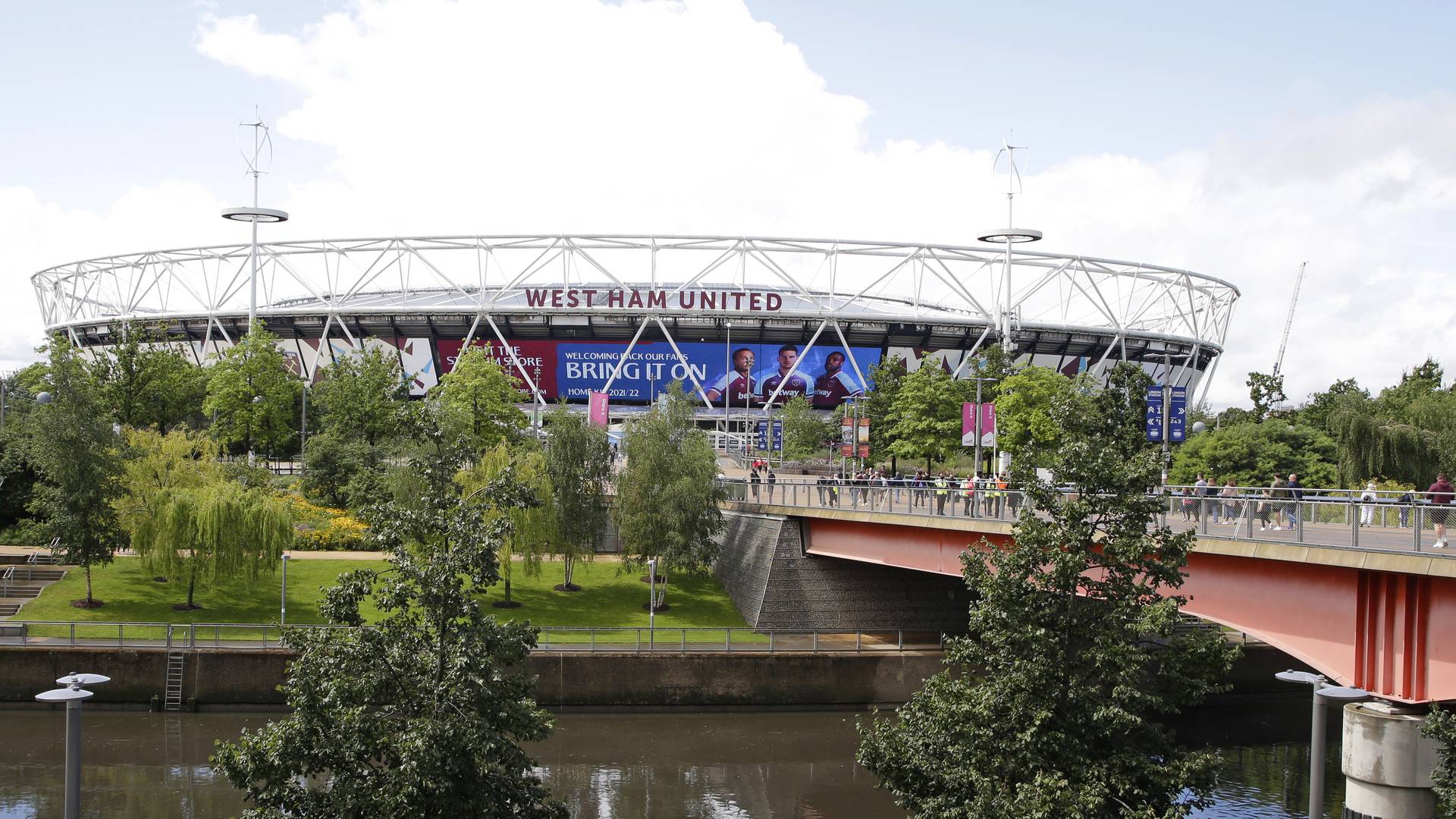
London Stadium
-
総容量
80,000
-
学問分野
That principle of adaptability has continued through its transformation into a multi-purpose home for West Ham United Football Club, elite athletics, international sport and major concerts. The result is a venue whose environmental, social and economic value comes not only from how it was built, but from its ability to keep changing with the city around it.
Environmental Protection: Designing for Change and Reducing Operational Carbon
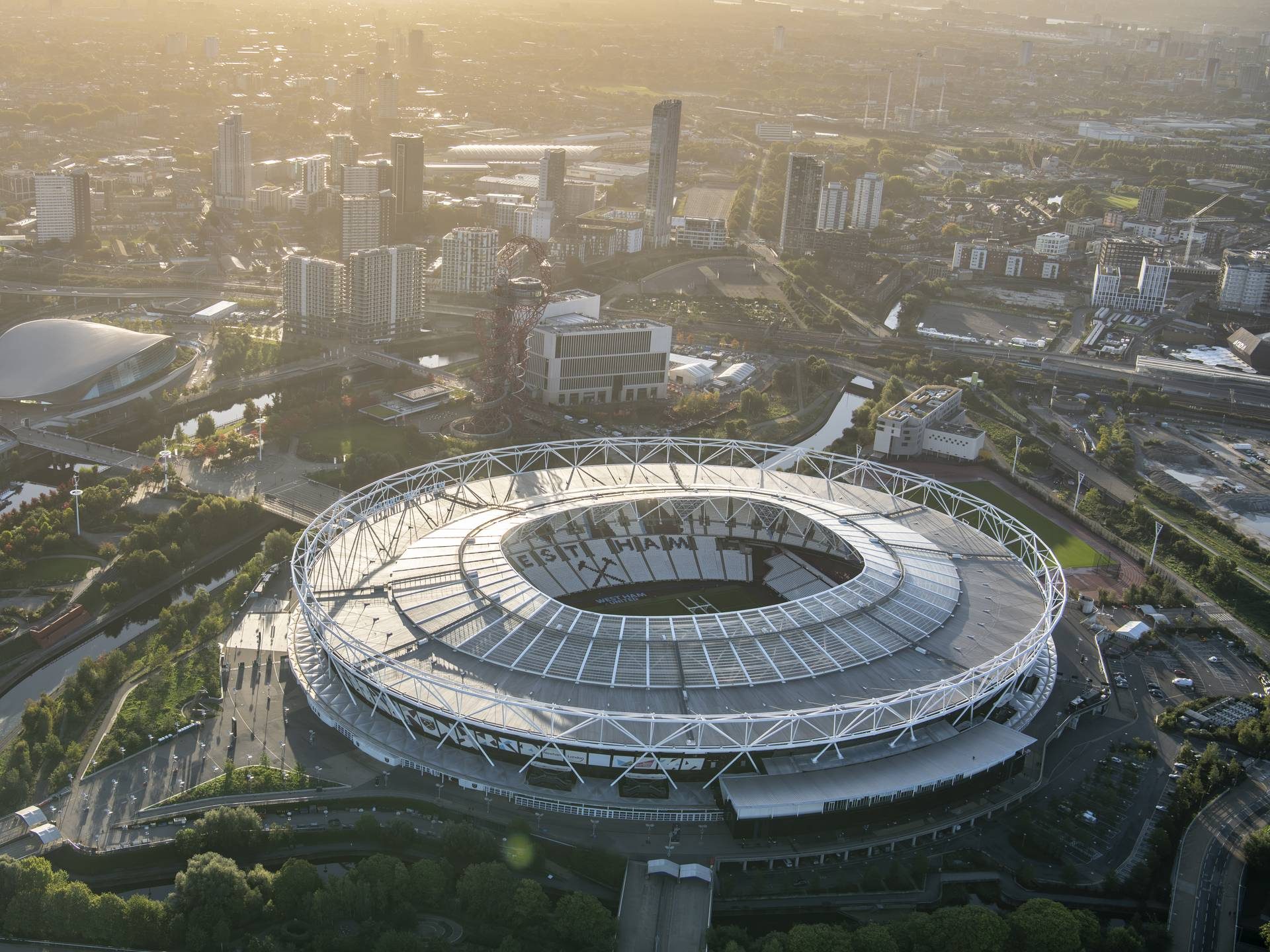
London Stadium’s sustainability story began with its original London 2012 design. Populous adopted a reduce, reuse and recycle approach, using a lightweight structural system with significantly less steel than a conventional Olympic stadium of comparable capacity. Low-carbon concrete reduced embodied carbon in the base tier by around 40%, recycled and surplus steel was used where possible, and elements were designed to be demounted and reconfigured for legacy use rather than replaced after the Games.
That “design for change” philosophy continues in the stadium’s operations. A 6,500 m² photovoltaic membrane now generates around 850,000 kWh of renewable electricity annually, while LED lighting, more efficient building systems and closer energy monitoring further reduce operational carbon. Together, current sustainability initiatives deliver more than 1 million kg of CO₂e reductions and 4.8 million kWh in energy savings annually, alongside zero waste to landfill.
Social Wellbeing: Keeping an Olympic Venue in Public Life
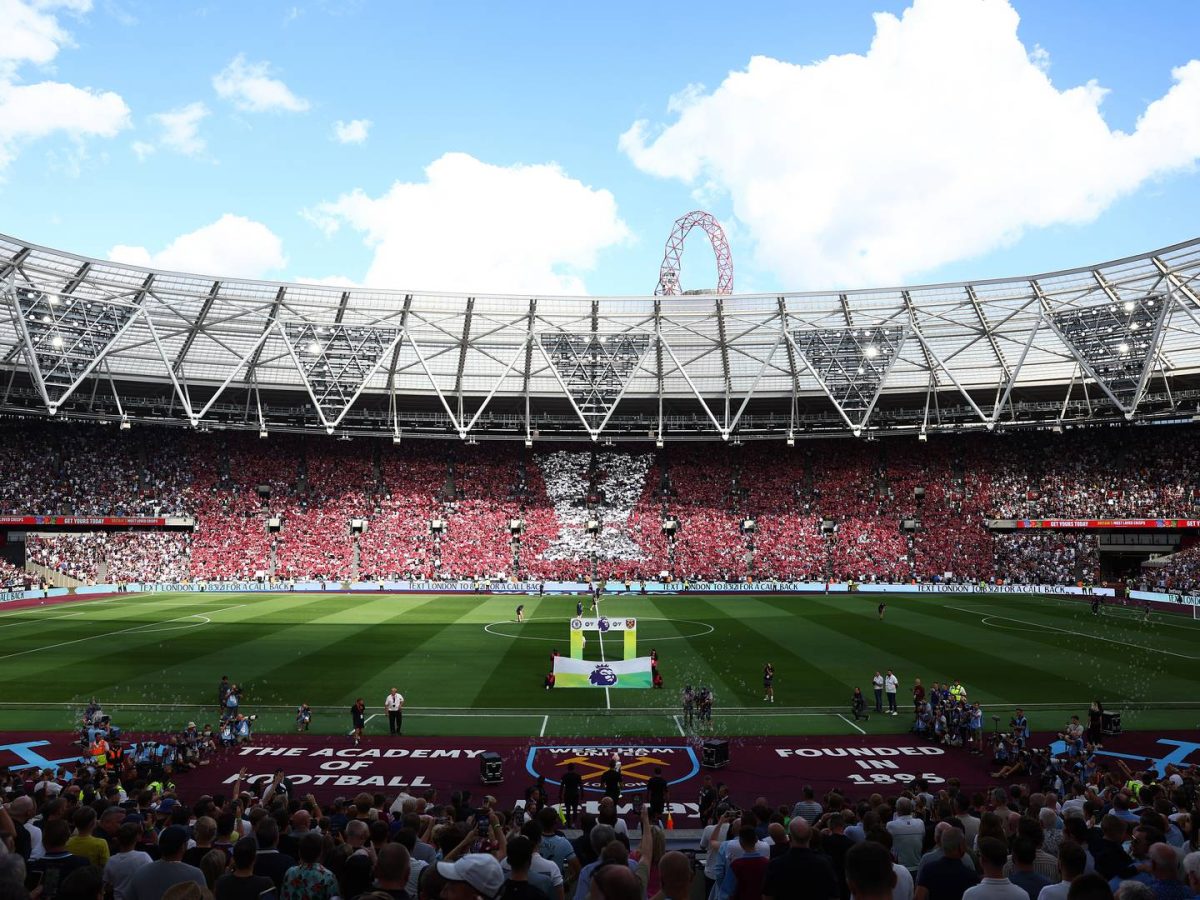
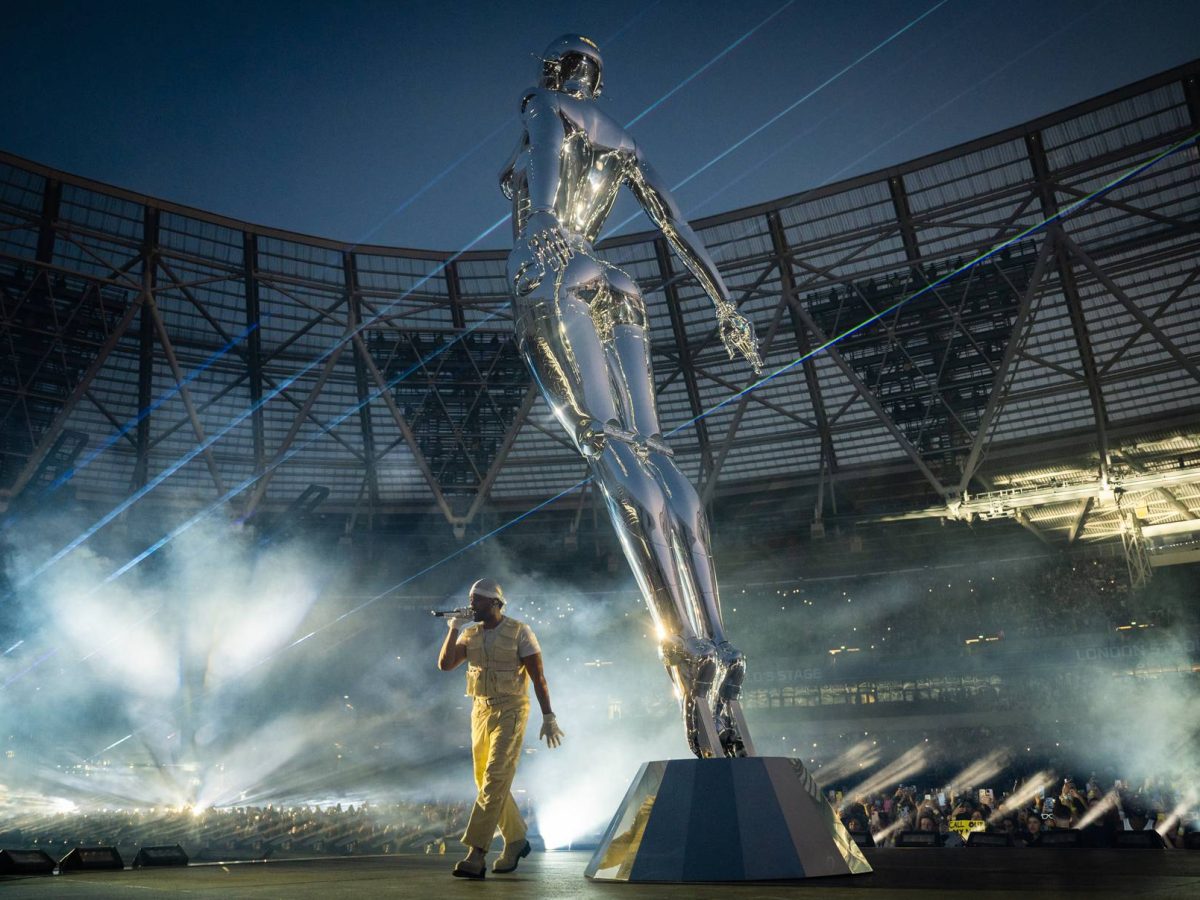
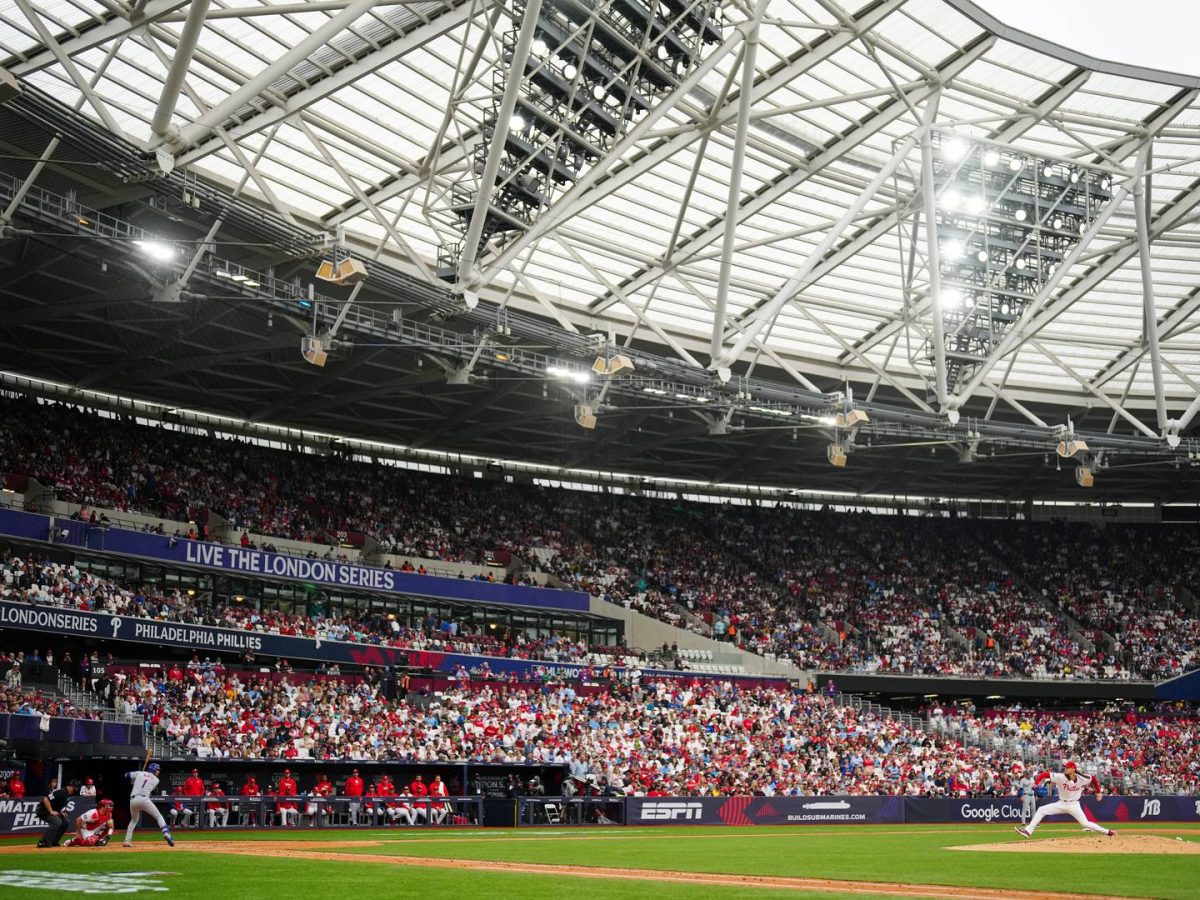
The stadium’s enduring social value is rooted in its ability to serve different communities and uses. Retaining the running track preserved its role as the UK’s National Competition Centre for athletics while also creating a permanent home for West Ham United. Since 2012, the venue has hosted international athletics, Rugby World Cup matches, Major League Baseball, concerts and other major events, ensuring infrastructure created for the Olympics remains active and relevant.
Its transformation also strengthened connections with Queen Elizabeth Olympic Park and the wider regeneration of east London, creating a more usable public realm linked to new homes, workplaces and cultural facilities. Inclusive access is embedded throughout the venue, with step-free concourses, accessible seating and lifts, quiet spaces, accessible toilets and three Changing Places facilities, while the adjacent community track extends its sporting legacy beyond major event days.
Economic Growth: Flexibility as a Long-term Operating Model
London Stadium was transformed around the idea that long-term economic sustainability depends on adaptability. Retractable seating, an expanded roof, upgraded hospitality and concessions, and the ability to transition between football, athletics, concerts and other large-scale events have created a year-round operating model rather than one dependent on a single sport or event type.
That flexibility continues to support the wider Stratford and Queen Elizabeth Olympic Park economy by attracting major events and large visitor volumes. Proposals submitted in 2026 to increase the number and capacity of concerts and other events demonstrate that continuing potential: an accompanying economic impact assessment projected up to 800,000 additional annual visits and £15M in additional economic benefit for Newham if approved.
Zoom
Zoom
Zoom
From Olympic Moment to Enduring Place
London Stadium shows how the most sustainable venue can sometimes be the one designed to keep changing. Its lightweight original structure, planned post-Games transformation and continuing operational upgrades have allowed a building created for London 2012 to remain relevant more than a decade later.’
Its legacy is not a frozen memory of the Olympics, but an active piece of city infrastructure: a football ground, athletics venue, concert destination and community landmark that continues to reduce its environmental impact while supporting the social and economic life of east London. That capacity to adapt – physically, operationally and culturally – is what makes London Stadium a place that endures.
Sustainability Snapshot
-
Maximum seating capacity
80,000
-
Rooftop solar membrane
6,500 m²
-
Annual energy generated by rooftop solar
~850,000 kWh
-
Annual carbon reduction across current sustainability initiatives
>1M kg CO₂e
-
Annual energy savings across current sustainability initiatives
4.8M kWh
-
Waste diverted from landfill
100%

Lorem ipsum dolor sit amet consectetur, adipisicing elit. Non facere corporis et expedita sit nam amet aut necessitatibus at dolore enim quis impedit eius libero, harum tempore laboriosam dolor cumque.
Lorem, ipsum dolor sit amet consectetur adipisicing elit. Illo temporibus vero veritatis eveniet, placeat dolorem sunt at provident tenetur omnis, dicta exercitationem. Expedita quod aspernatur molestias eum? Totam, incidunt quos.