September 23, 2026
Stadiums as Destinations for Globetrotting Sports Fans
Written by

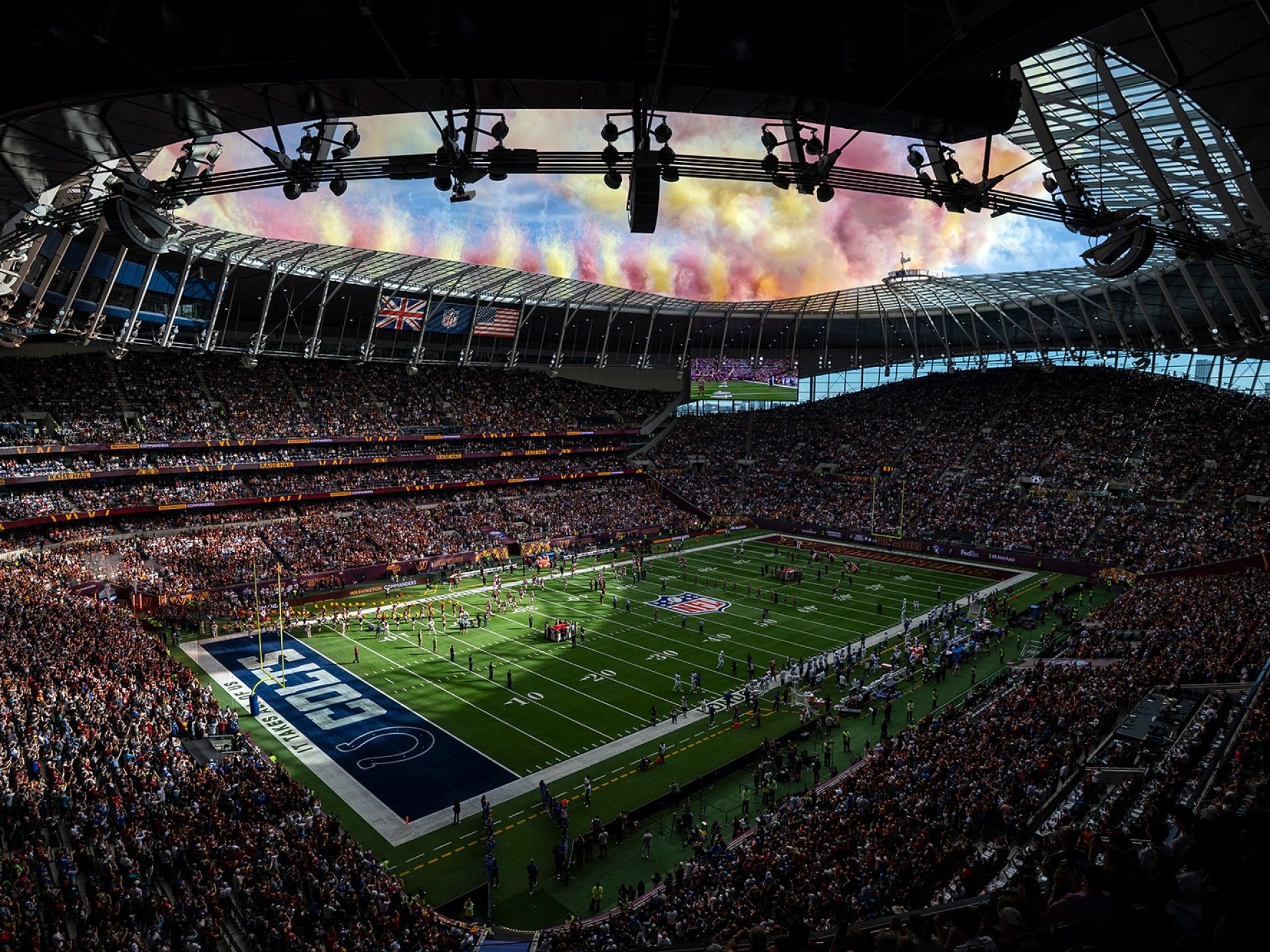
Sport has long brought people together from different countries, but it is increasingly becoming a major driver of international travel. That trend was on display at Tottenham Hotspur Stadium this month, where the two NFL London Games drew a combined crowd of more than 122,000 spectators, with the second taking place last weekend.
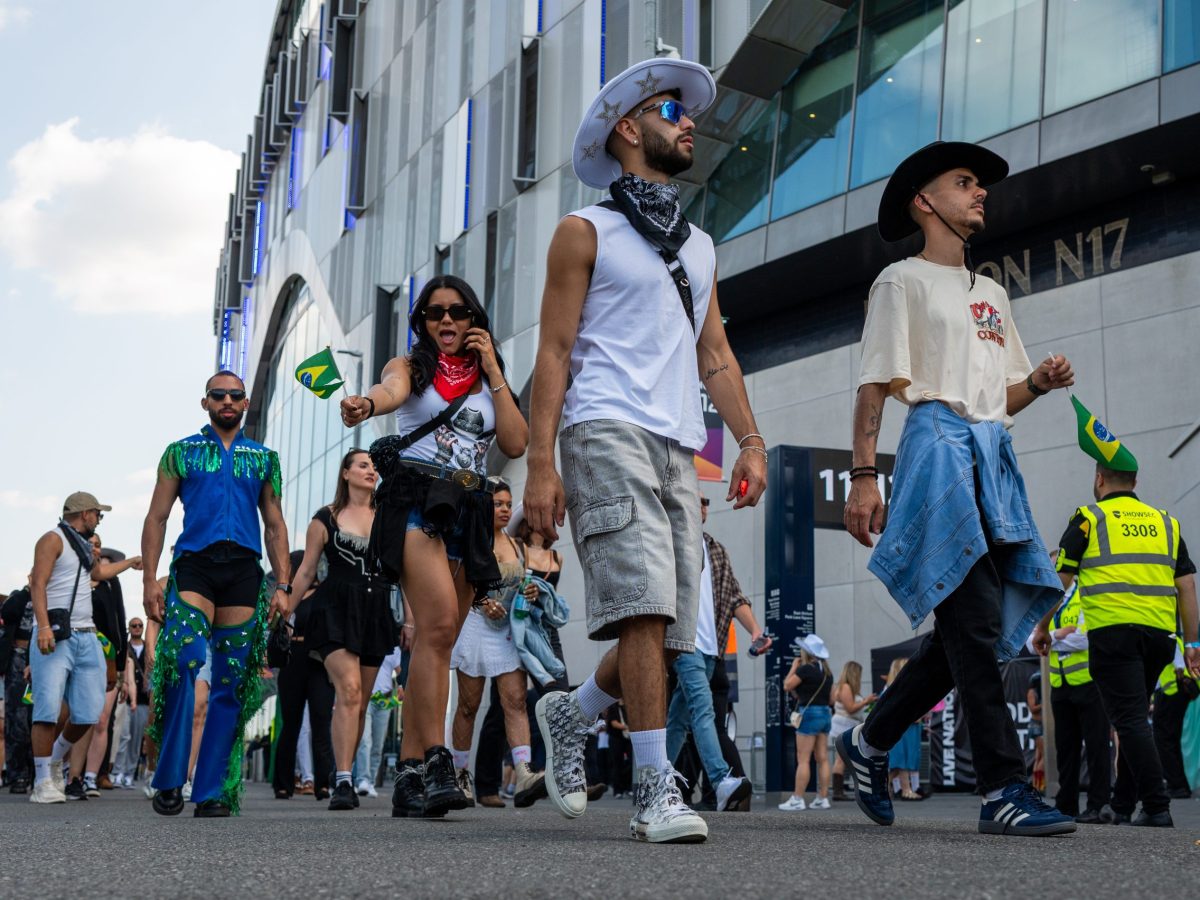
Sports tourism, as it is known, is motivated both by necessity – fans wanting to attend events they cannot experience in their home country – and by a sense of adventure, with people using sport as a vehicle to discover new places, meet new people and experience different cultures.
Indeed, after the COVID-19 pandemic largely shut down live sport and entertainment, leading some to question the industry’s long-term health, attendances have boomed, in many cases surpassing pre-pandemic levels.
This can be attributed in part to the rise of sports tourism and the desire of fans around the world to experience these culturally defining moments in person.
Take the 150th Open Championship at St Andrews in 2022. An estimated 55,700 of the tournament’s 290,000 spectators travelled from the United States alone. Similarly, a study commissioned by the NFL found that around 30% of spectators attending its International Series games in London travelled from overseas.
“London's 2024 Major Sports Events Impact Report found that six major events... generated £230 million in direct economic impact from approximately 480,000 attendees. ”
It is no wonder, then, that stadium owners and city authorities are taking notice. The world’s biggest sporting events represent hundreds of millions of pounds in additional economic activity for the venues and destinations that host them. London’s 2024 Major Sports Events Impact Report found that six major events – including the NFL London Games, MLB London Series and UEFA Champions League Final – generated £230 million in direct economic impact from approximately 480,000 attendees.
As cities increasingly view stadiums as economic assets rather than simply sporting infrastructure, a new design challenge emerges: how do you create a venue capable of hosting multiple sports and entertainment formats without compromising the experience of any of them?
For football stadiums, the challenge of protecting the natural turf pitch has traditionally limited the ability to host other sports and entertainment events during the season. At Tottenham Hotspur Stadium, Populous addressed this challenge through the incorporation of a retractable natural grass pitch which slides beneath the South Stand to reveal a dedicated artificial playing surface for NFL games.
This secondary playing surface also unlocks another powerful driver of experience-led tourism: live entertainment.
Increasingly, artists are concentrating demand into fewer venues and longer runs, encouraging fans to travel to them rather than touring extensively across every market. Beyonce’s Renaissance World Tour provides a compelling example. In 2023, she played five consecutive nights at Tottenham Hotspur Stadium, attracting more than 240,000 fans. It was the only one of the 39 venues across the global tour to host a five-night residency.
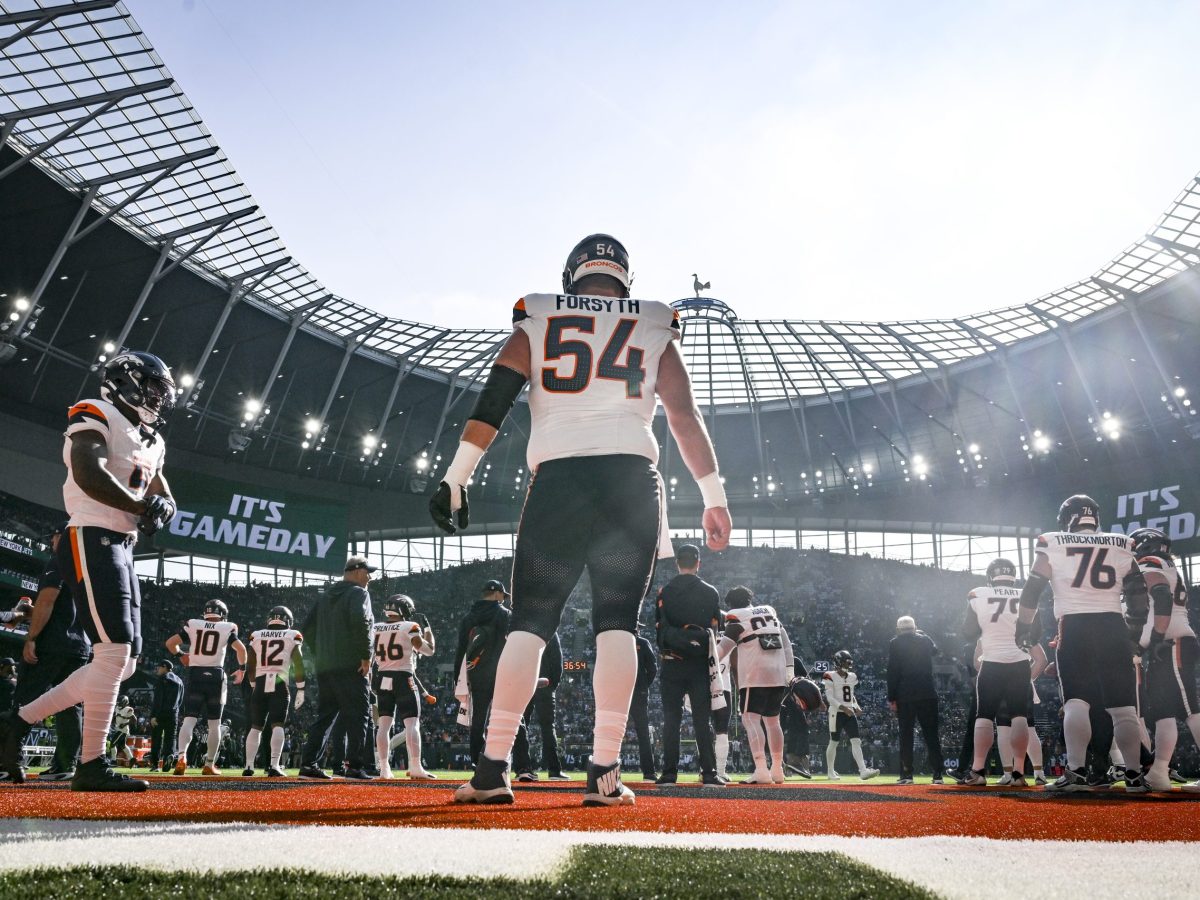
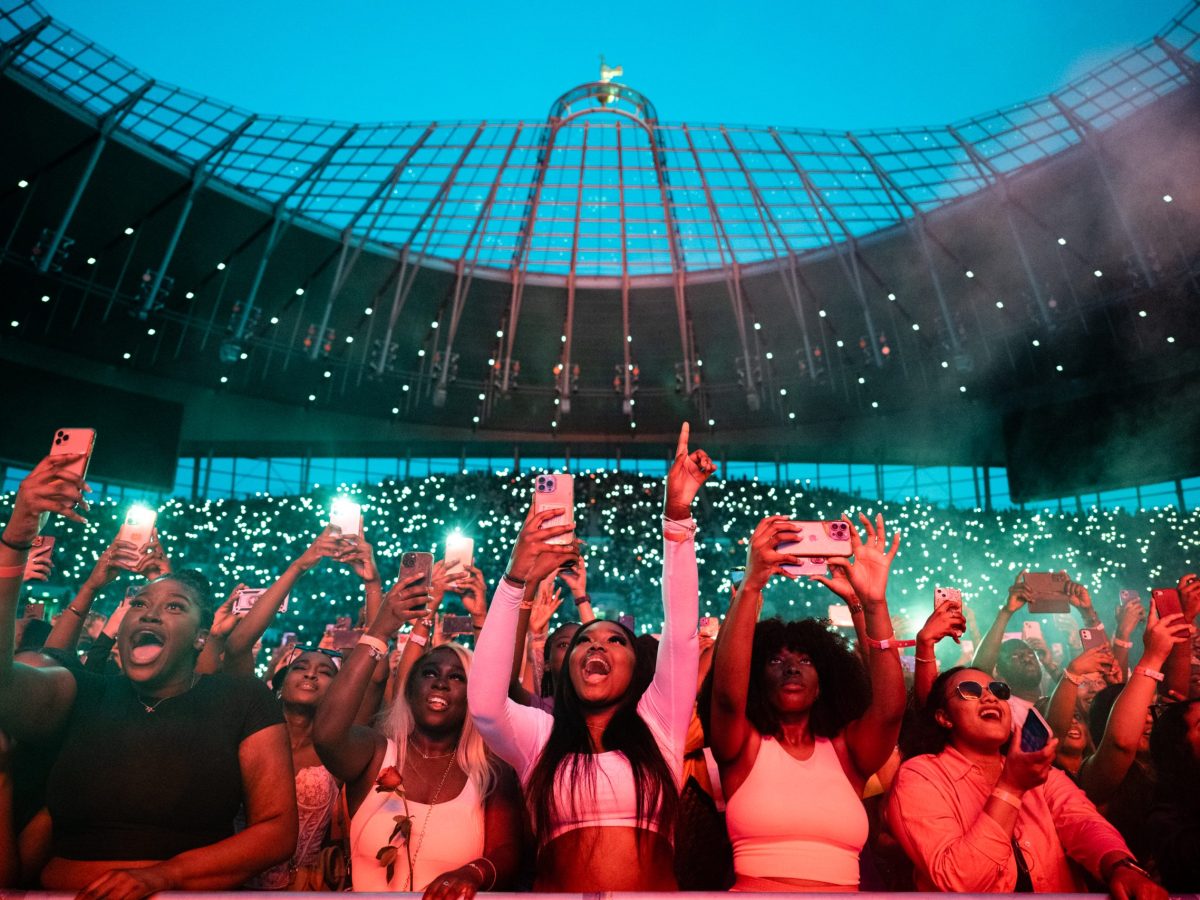
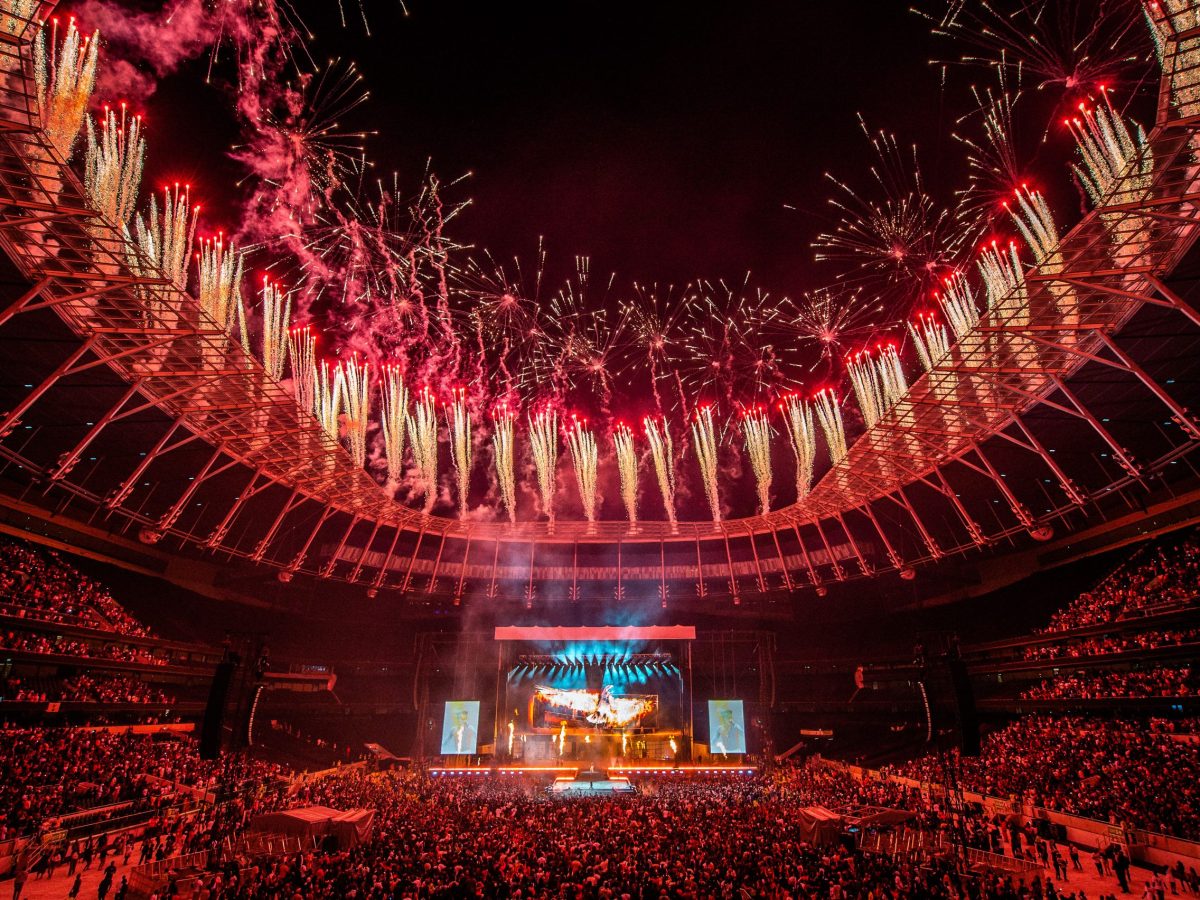
The reason is not simply capacity. Stadiums that successfully attract these events are designed to deliver exceptional experiences beyond sport. At Tottenham Hotspur Stadium, the acoustics were carefully considered from the outset, and the sound system was specified to a standard rarely associated with traditional football venues. The result is a stadium capable of hosting world-class concerts as effectively as world-class sport.
However, while demand for these experiences appears insatiable, venues, sporting bodies and artists cannot afford to take fans for granted. As people invest more time and money in travelling for events, expectations inevitably rise. Ticket prices cannot outpace the quality of the experience.
The stadium itself has become part of the destination. Arrival, accessibility, hospitality, food and beverage, acoustics, sightlines and atmosphere all contribute to whether visitors feel the journey was worthwhile. For us as designers at Populous, the challenge is to lead clients in a direction that maximises the flexibility and revenue-generating abilities of venues without compromising the fan experience. It is no longer simply creating a place to watch sport. It is creating destinations capable of attracting visitors from around the world and delivering experiences that justify the trip.

Lorem ipsum dolor sit amet consectetur, adipisicing elit. Non facere corporis et expedita sit nam amet aut necessitatibus at dolore enim quis impedit eius libero, harum tempore laboriosam dolor cumque.
Lorem, ipsum dolor sit amet consectetur adipisicing elit. Illo temporibus vero veritatis eveniet, placeat dolorem sunt at provident tenetur omnis, dicta exercitationem. Expedita quod aspernatur molestias eum? Totam, incidunt quos.