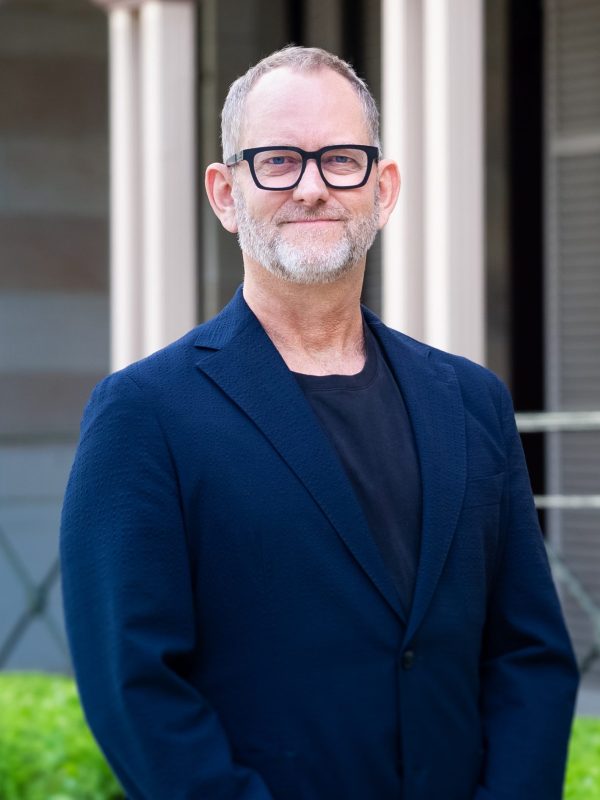
Chris Paterson
Senior Principal, APAC Regional Board Director, Brisbane

}) {(/data.image)}
{(/data.image)}
Senior Principal, APAC Regional Board Director, Brisbane

Senior Associate, Wayfinding Design Lead, APAC, Brisbane
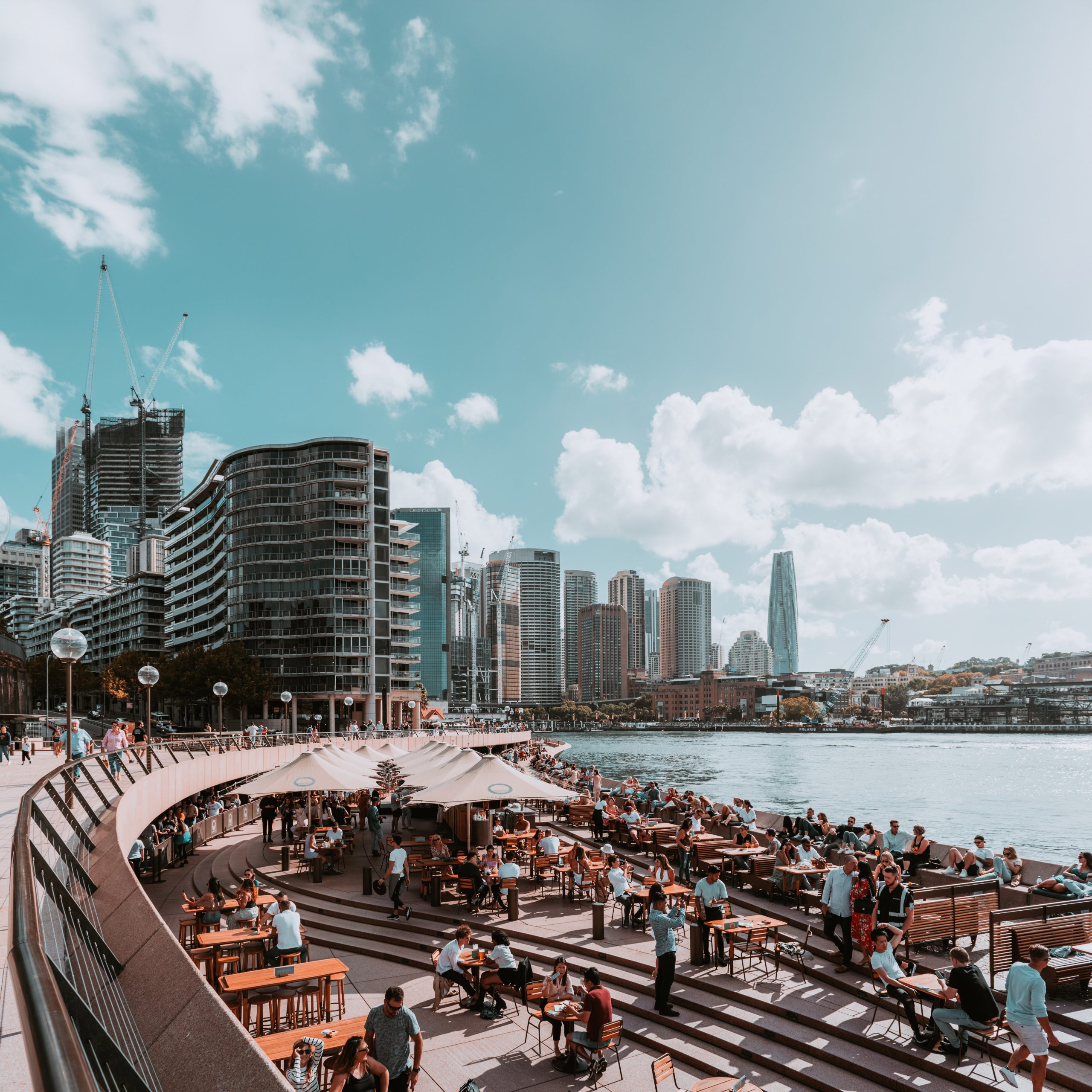
Australian cities have chased the 24-hour ideal for years, often through policy and licensing focused on nightlife. Yet our streets tell a different story at first light. River paths, harbourfronts and beach areas fill with runners from first light, cafés hum from around 5am to 6am, and markets, classes and casual meetups animate the public realm before many offices open. Rather than fighting this natural rhythm of our cities, we should design for it. We call this the Dawn Economy: a design-led reframing of the 24-hour city that embraces dawn-to-midday as a distinct and valuable phase of urban life. It does not replace the nighttime economy so prevalent in Asia; it completes the daily Antipodean cycle. The opportunity is sequencing, not substitution.
The core idea is sequential activation: spaces that support different activities and audiences across the day. At dawn, movement networks and café nodes anchor wellness and social energy. Through midday, shaded plazas, markets and micro-performances extend dwell time. Into evening, lighting and wayfinding shape pre-event hospitality and safe circulation. Later, good acoustic design and venue management protect residential amenity while inclusive programming sustains life after dark. The city works best when these moments are designed to flow, not compete.
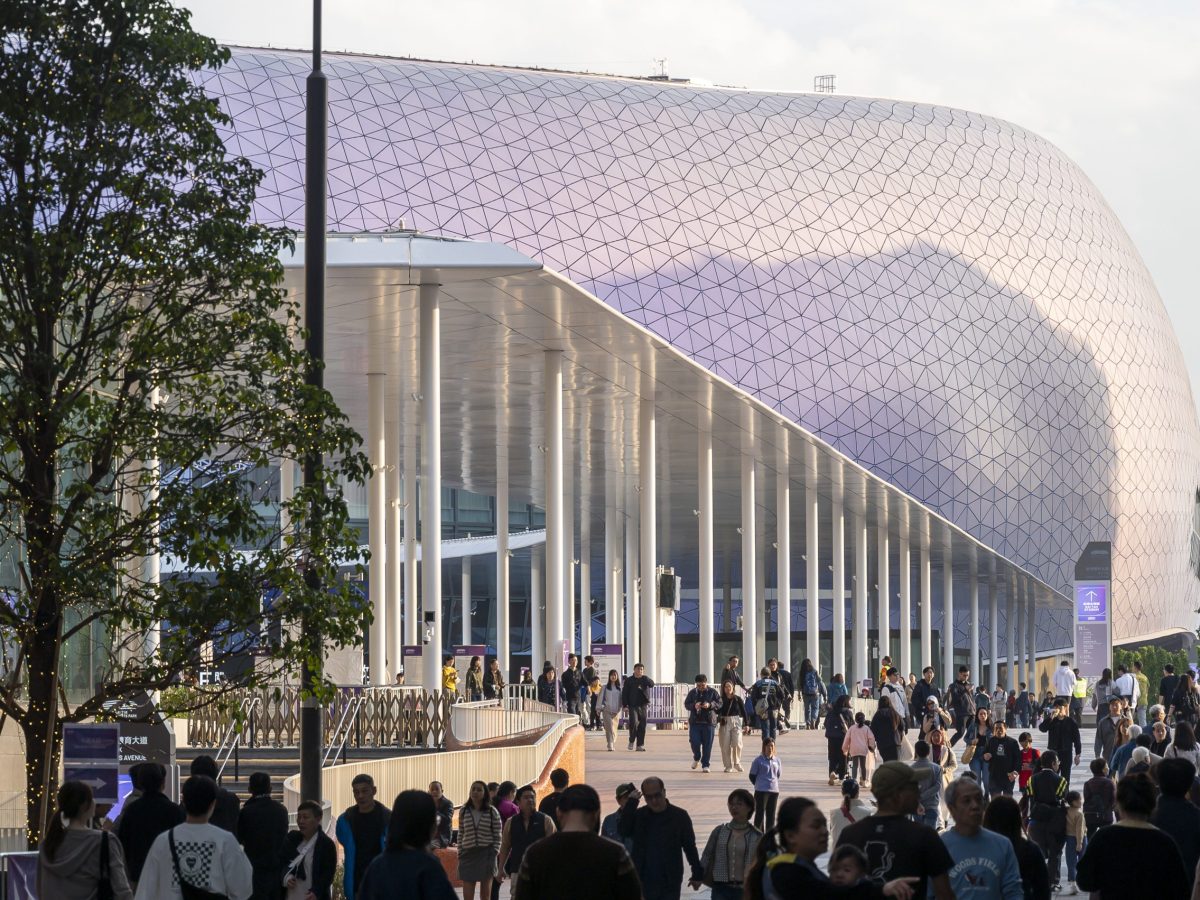
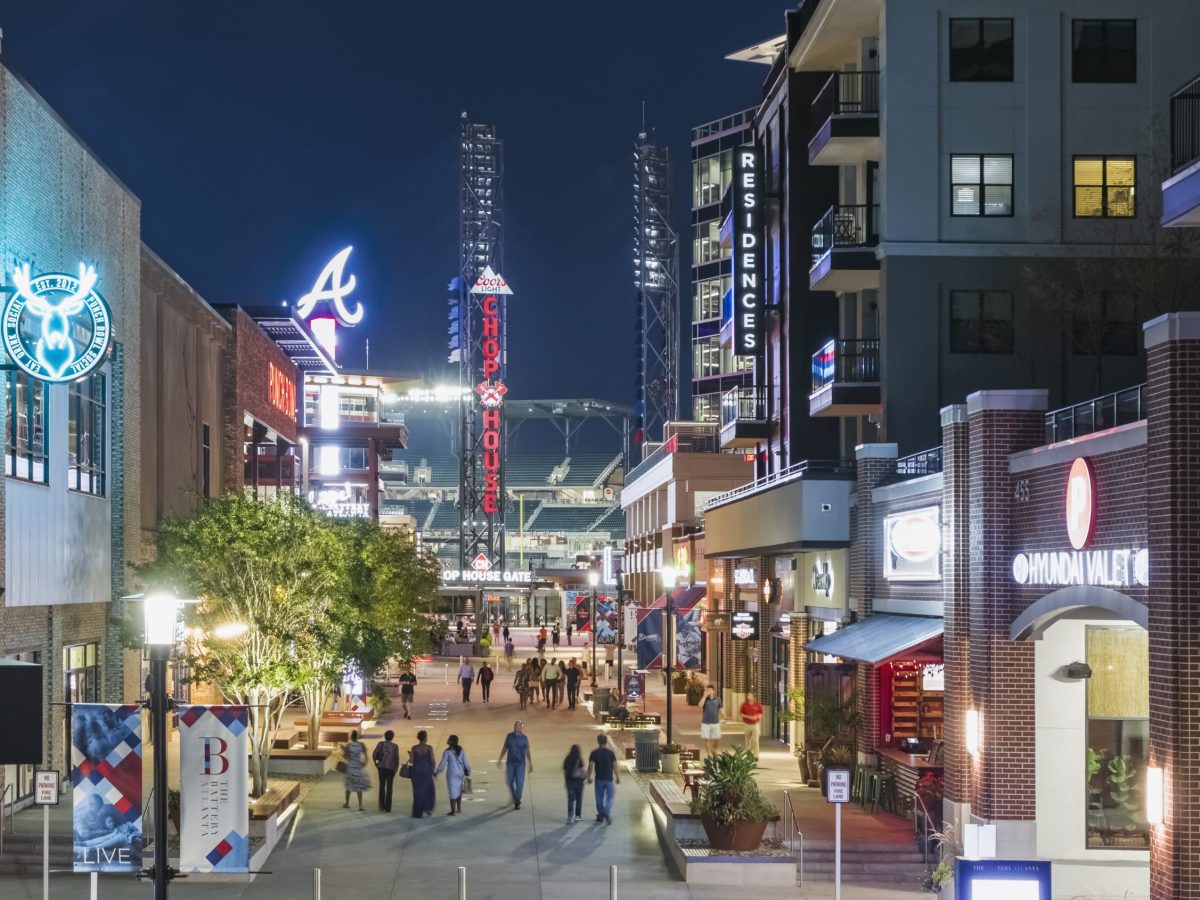
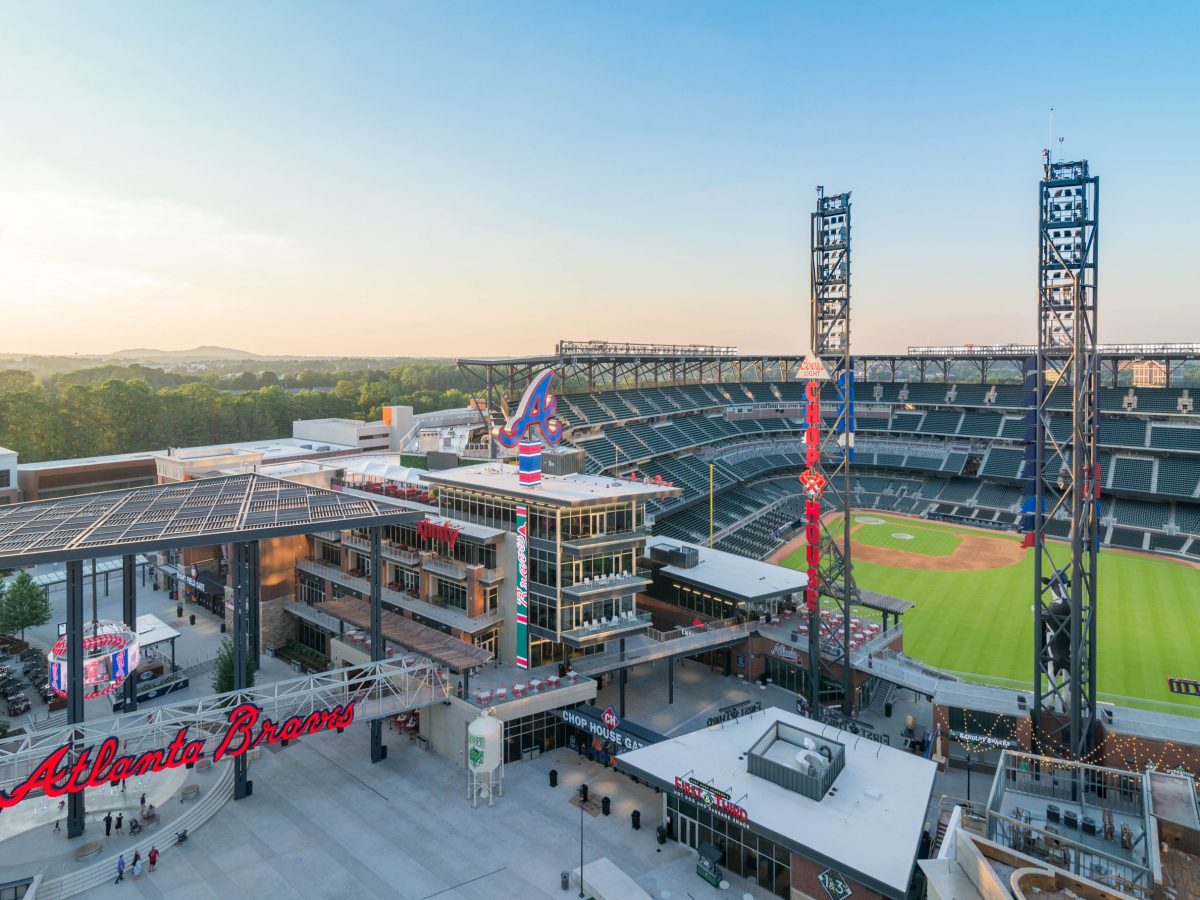
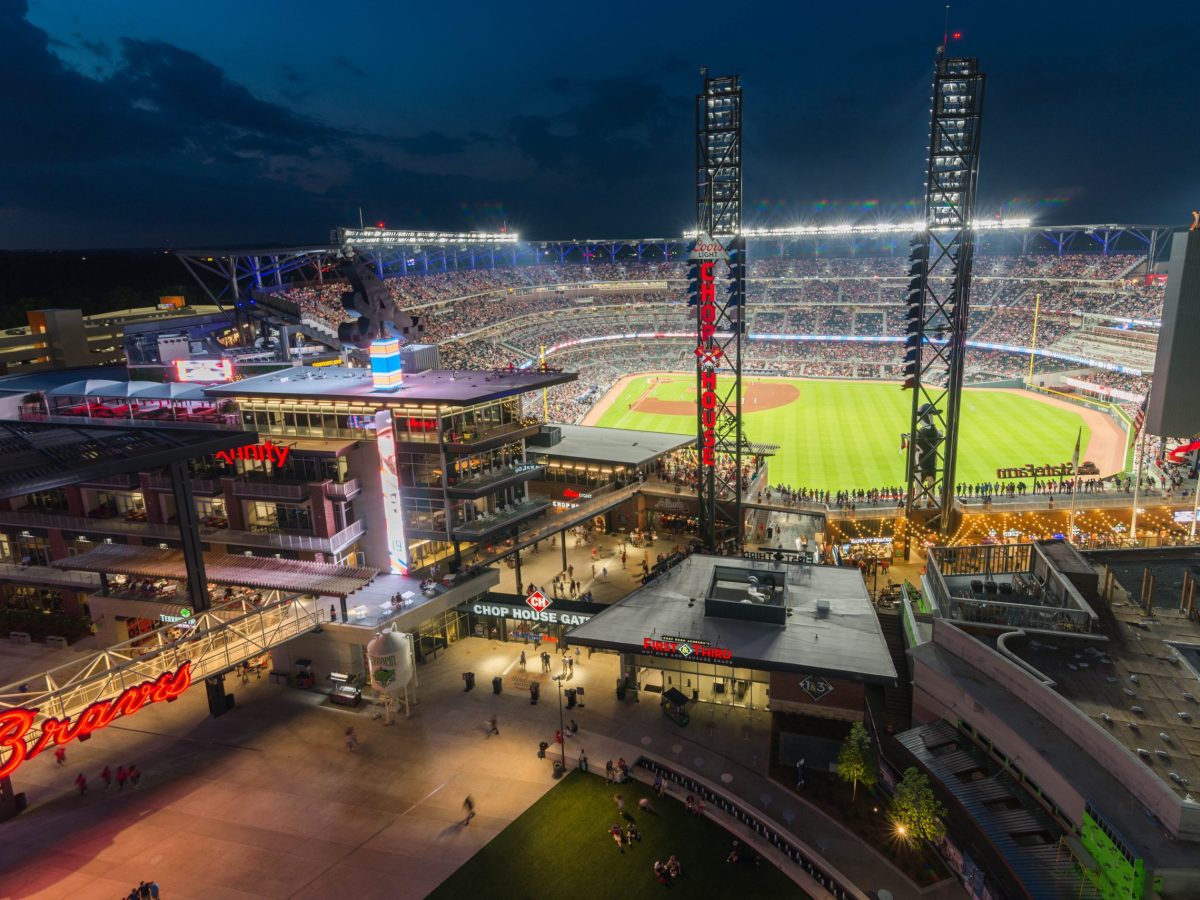
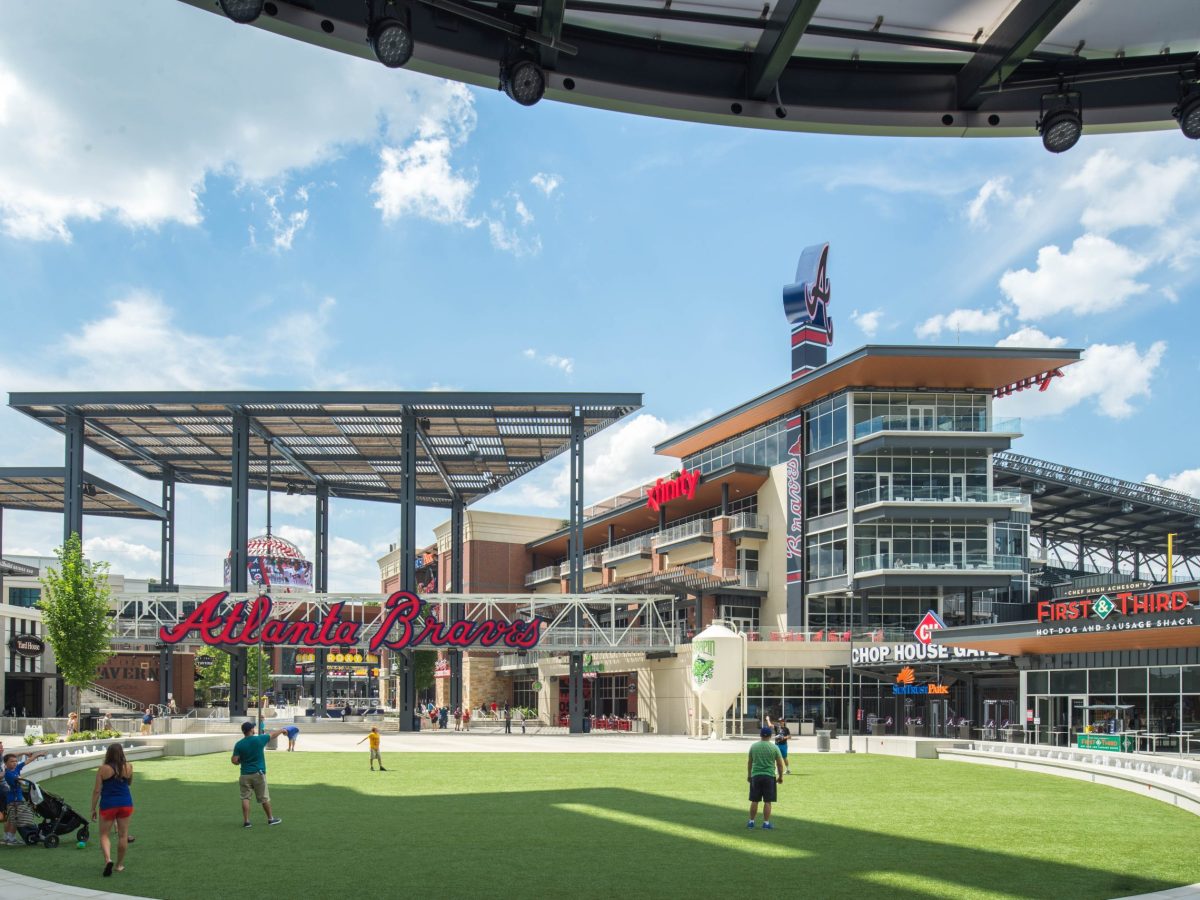
Populous has long focused on precincts that feel alive beyond game day – from Kai Tak Sports Park in Hong Kong where there are no gates and which welcomed over seven million visitors during its opening year, to Truist Park in Atlanta which forms the centrepiece of the wider Battery development, a new neighbourhood with 60 bars, restaurants, shopping precincts, hotels and a 3,600-seat Live Nation concert hall all built around a 40,000-seat stadium. The Dawn Economy sharpens that lens. We treat venues and their surrounds as movement infrastructure, connecting transport stations, residences and workplaces, and we design the edges to do the heavy lifting.
In Brisbane – the host city of the 2032 Olympic & Paralympic Games, our precinct planning connects directly into dawn movement networks along the river and major parklands, adding shaded loops, water and bike amenities, and early café touchpoints where people naturally pause. At venue thresholds, we design outward-facing terraces and forecourts sized for morning classes that transition seamlessly to pre-event hospitality. These edges keep streets lively on non-event days and ensure the precinct feels welcoming at first light and after dark.
When designing places that people love to wake up to, we need to remember that these venues are not only experienced in person but also through the lens of our phone cameras and the constant social media battle to outperform each other by being the first to try the latest café or be seen leading the pack at the run club.
Design considerations for the morning economy therefore need to consider these performative spaces that we not only experience in-person, but which we also act out in our morning rituals as a way to bring others into our experience. The rise of the social media influencer has created a need for spaces that are adaptable, interchangeable, and photographable.
The precinct should be designed as a movement-first destination that welcomes runners, commuters, families with prams, and pet owners from early morning onwards. Clear circulation loops and parallel pathways can help distribute activity and reduce congestion along popular routes, creating a more comfortable and accessible experience for all users.
Public spaces along the precinct edge should be flexible and adaptable throughout the day. Half courts, play areas, and open platforms can support morning exercise and recreation, transition into informal social gathering spaces during lunchtime, and later accommodate pop-up activations, community events, and buskers. This flexibility ensures the precinct remains active and engaging across different times of day and for a range of user groups.
Climate responsiveness should be embedded into the design, with ample shade and rain protection to support use during humid mornings and summer storms. Low-glare orientations and material selections can improve comfort during sunrise periods, while thoughtfully designed lighting can enhance safety and wayfinding at night without compromising the precinct’s atmosphere and character.
Hospitality should function as a form of social infrastructure, with cafés and food offerings positioned at natural pauses along key movement routes. A diverse hospitality mix can cater to different needs throughout the day, ranging from convenient grab-and-go options for commuters and exercisers to more substantial dining experiences before events and gatherings.
Strong connections between indoor and outdoor spaces will further activate the precinct, with venues extending into forecourts, terraces, and surrounding public areas. This inside-outside continuity encourages everyday use beyond scheduled events, supporting vibrant public life on non-event days while also creating opportunities for passive spectatorship and social interaction when the precinct is at its busiest.
Project Photography: Kai Tak Sports Park
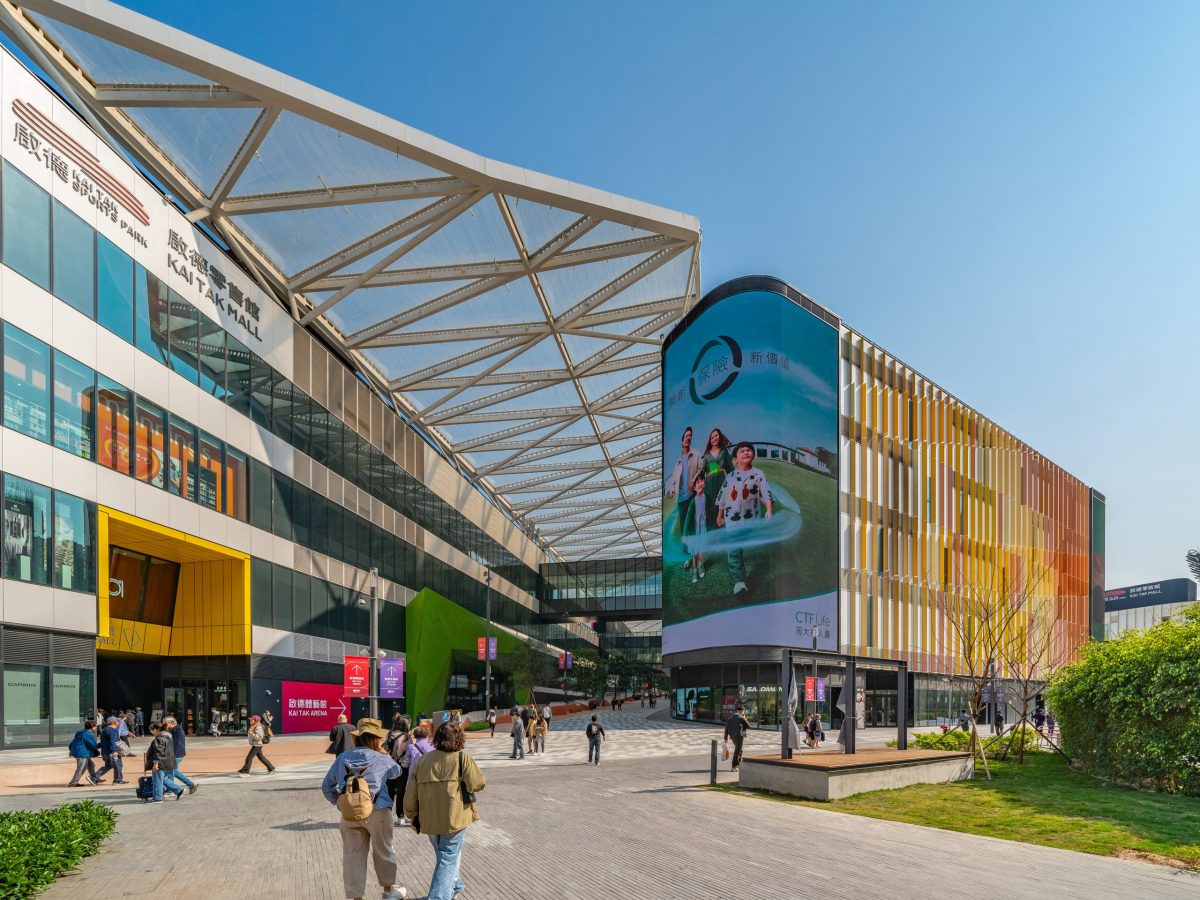
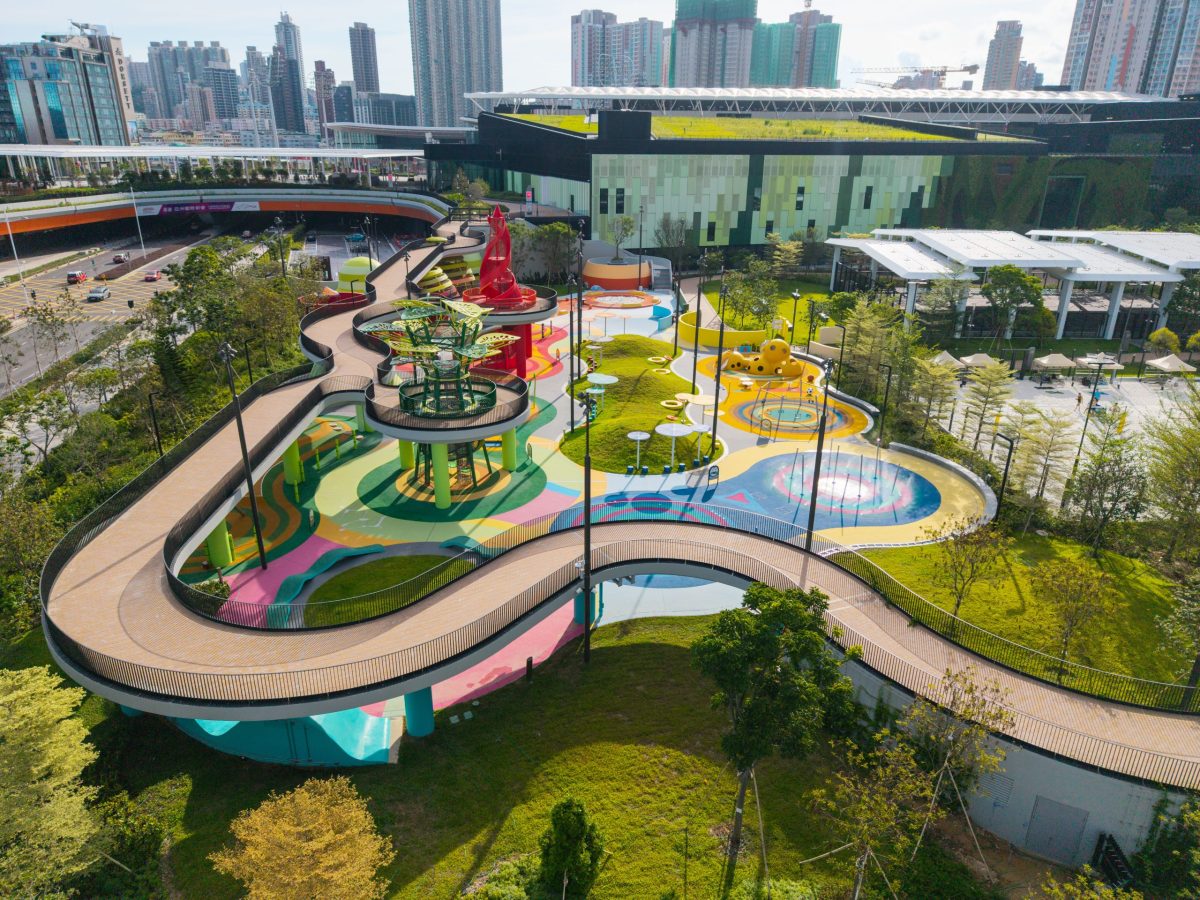
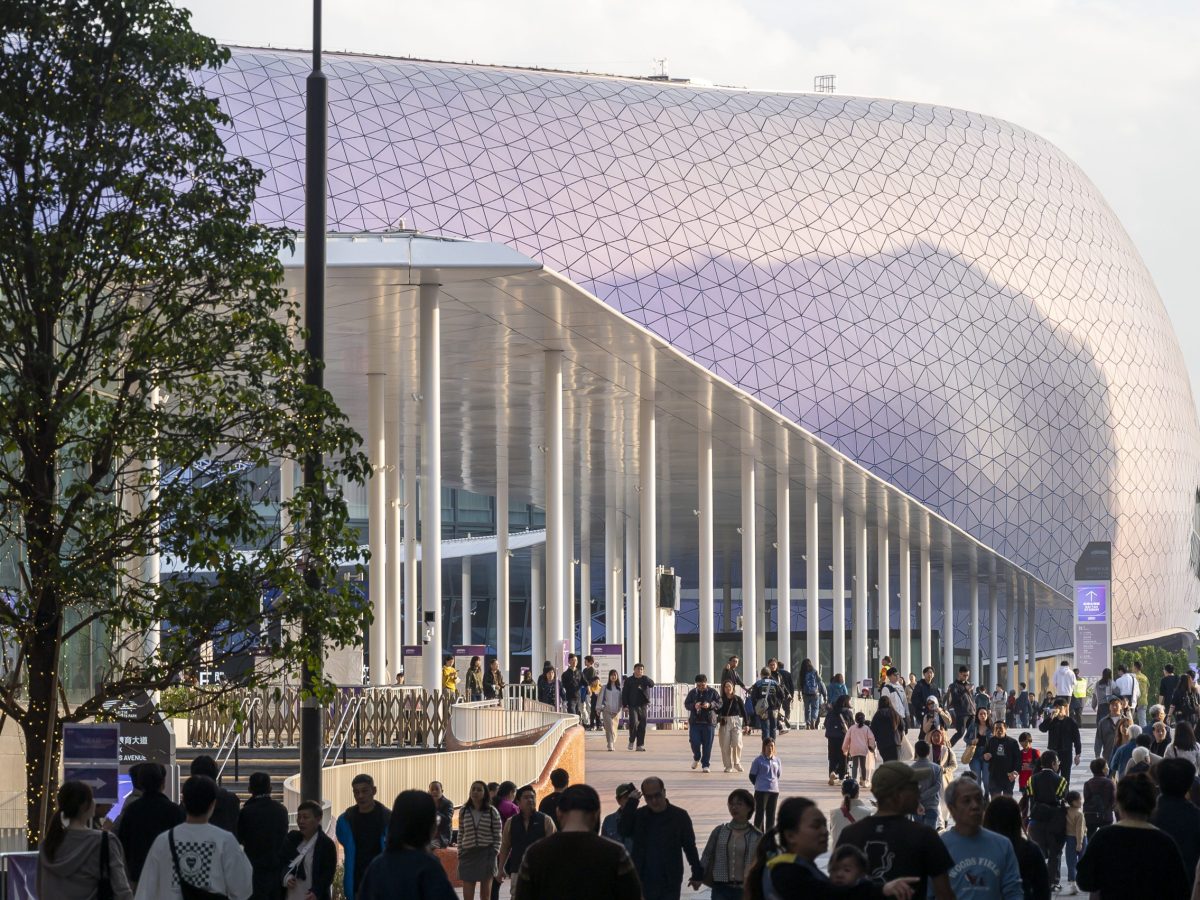
The precinct edge should be designed as a daily movement network, supporting runners, walkers, cyclists, pet owners, and commuters through a continuous loop of well-connected pathways. Integrated amenities such as shade structures, drinking water stations, bicycle repair facilities, and pet-friendly fixtures can enhance comfort and convenience, encouraging regular use throughout the day and establishing the precinct as part of everyday routines.
Forecourts should be generously sized and appropriately serviced to accommodate a range of activities, from morning fitness classes and community wellbeing programs to pre-event gathering and hospitality opportunities later in the day. This flexible approach allows spaces to evolve with changing patterns of use, maximising activation and value across different times and audiences.
A strong sense of inside-outside continuity should be created through acoustically contained venues that open onto outward-facing terraces, forecourts, and porous lobby spaces. These interfaces can animate surrounding streets and public areas on non-event days, extending activity beyond venue walls while maintaining operational performance during events.
Public spaces should also be seamlessly integrated with transport infrastructure, creating intuitive, legible, and welcoming arrival experiences. Clear wayfinding, comfortable pedestrian connections, and high-quality public realm design can ensure spaces are easy to navigate at first light and remain safe, vibrant, and inviting after dark.
Project Photography: Truist Park
Several shifts make dawn-first design especially relevant:
· Lifestyle and health: early-morning participation is rising, from run clubs to park workouts. Designing for this behaviour supports public health and social connection.
· Operator models: revenue is diversifying beyond beverage spend. Distinct experiences across the day help venues and precincts capture value from more audiences, more often.
· Public value and legitimacy: when public land or investment is involved, all-day benefits matter. Dawn activation makes the case for precincts that serve everyone, not just ticket-holders.
· Identity and brand: first-light activity is highly visible and shareable, helping cities express who they are.
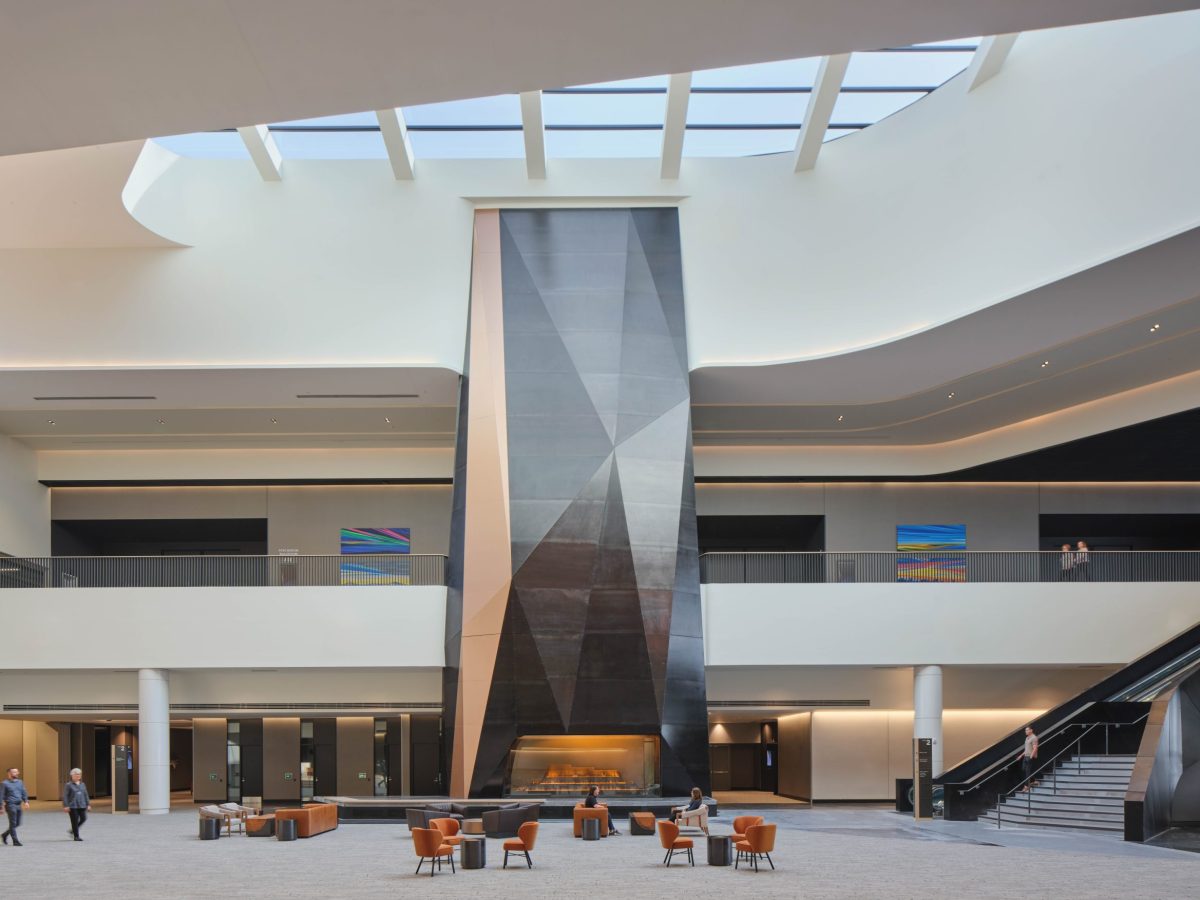
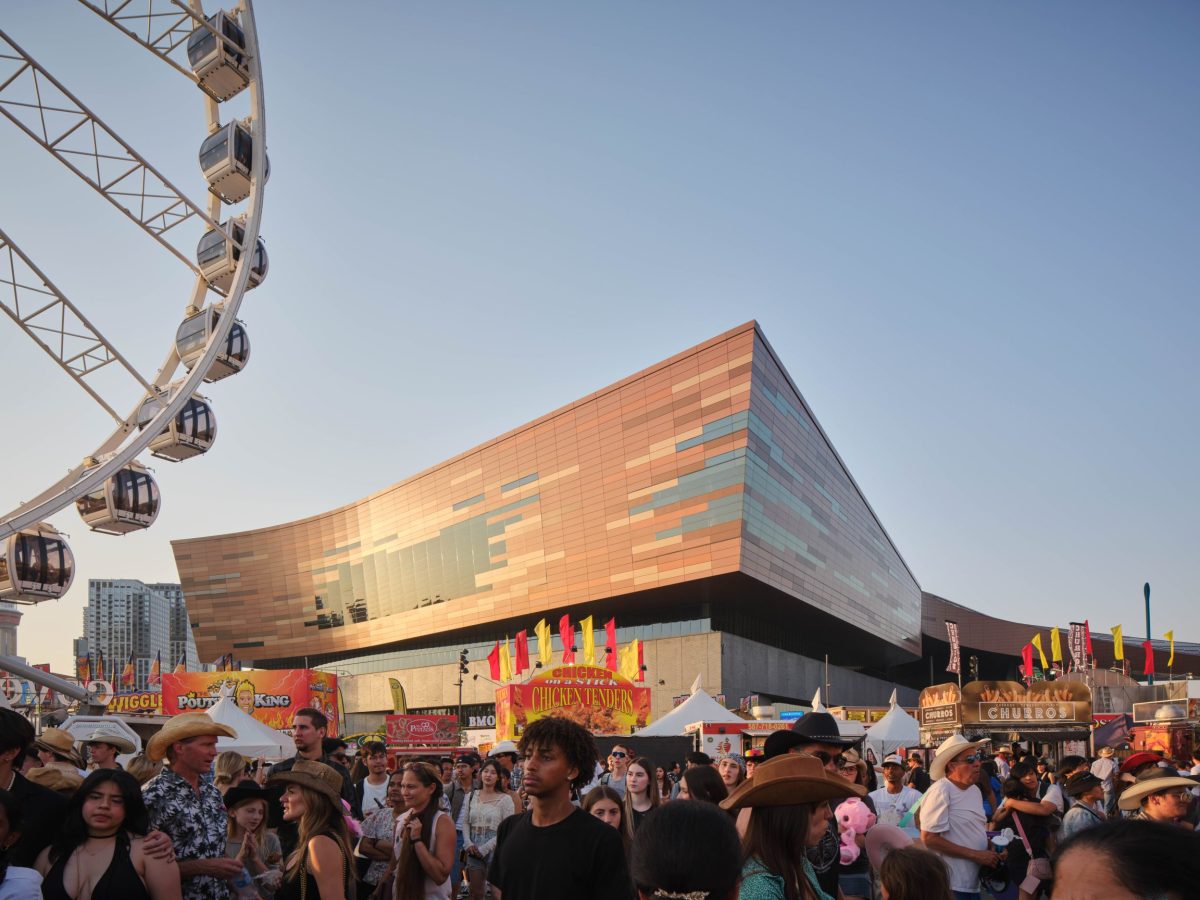
Project Photography: BMO Centre
The design process should begin with movement. Understanding how people actually use the precinct at dawn, including the routes they take between transit hubs, homes, workplaces, and venues, provides the foundation for successful placemaking. Existing pinch points should be identified and addressed through wider pathways and additional parallel routes before investment is directed towards aesthetic enhancements, ensuring the precinct functions efficiently during its busiest periods.
The public realm should be supported by generous and flexible precinct edges that accommodate a variety of everyday activities. Surfaces and furnishings should encourage people to sit, stand, rest, stretch, socialise, or pause with strollers, creating a welcoming environment for a diverse range of users. Amenities such as water refill stations, bicycle repair facilities, and pet-friendly infrastructure can enrich the experience and encourage casual passers-by to engage more actively with the precinct.
Design responses must also reflect local climatic conditions. In warm, storm-prone environments, shade and weather protection are essential rather than optional. The precinct should be planned to maximise airflow, minimise glare, and provide effective shelter, ensuring comfort for users during both early morning activity and evening visitation.
Morning activation should be treated as a key component of the precinct’s programming strategy. Sunrise presents an opportunity to establish daily rhythms through fitness classes, community markets, and partnerships with local cafés and hospitality operators. These activities can generate consistent early-day energy that supports broader precinct activation and encourages repeat visitation.
A careful balance should be struck between openness and acoustic performance. While event-related noise should be effectively contained within venues, building edges and thresholds should remain porous and inviting. Outward-facing terraces, active frontages, and welcoming lobby spaces can bring activity to surrounding streets and public areas without compromising amenity for nearby users and residents.
Finally, the precinct should be managed as an evolving environment informed by data and observation. Tracking metrics such as early morning visitation, dwell time, movement patterns, and congestion points can provide valuable insights into how spaces are performing. This evidence can then guide ongoing refinements, including the addition of new circulation loops, redistribution of activities, and adjustment of hospitality trading hours to align with actual patterns of use.
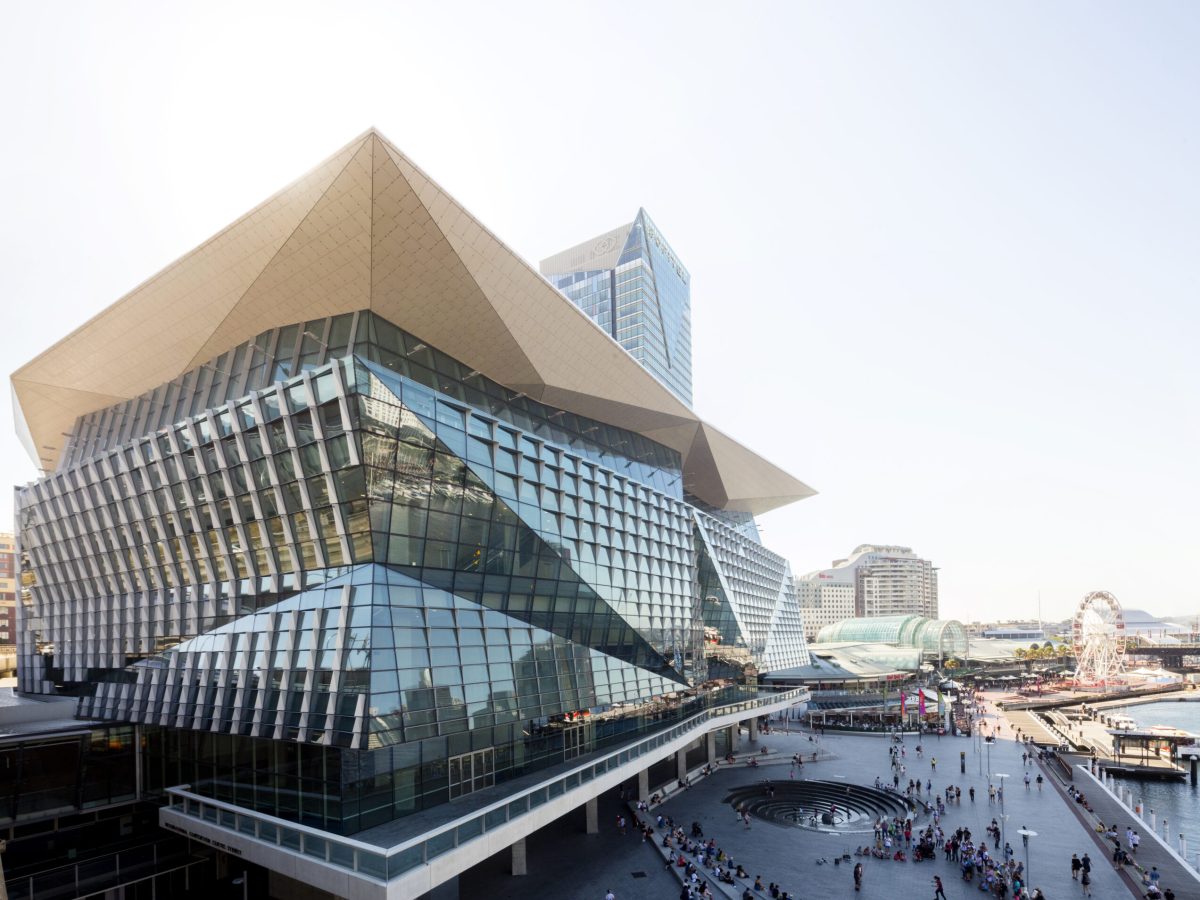
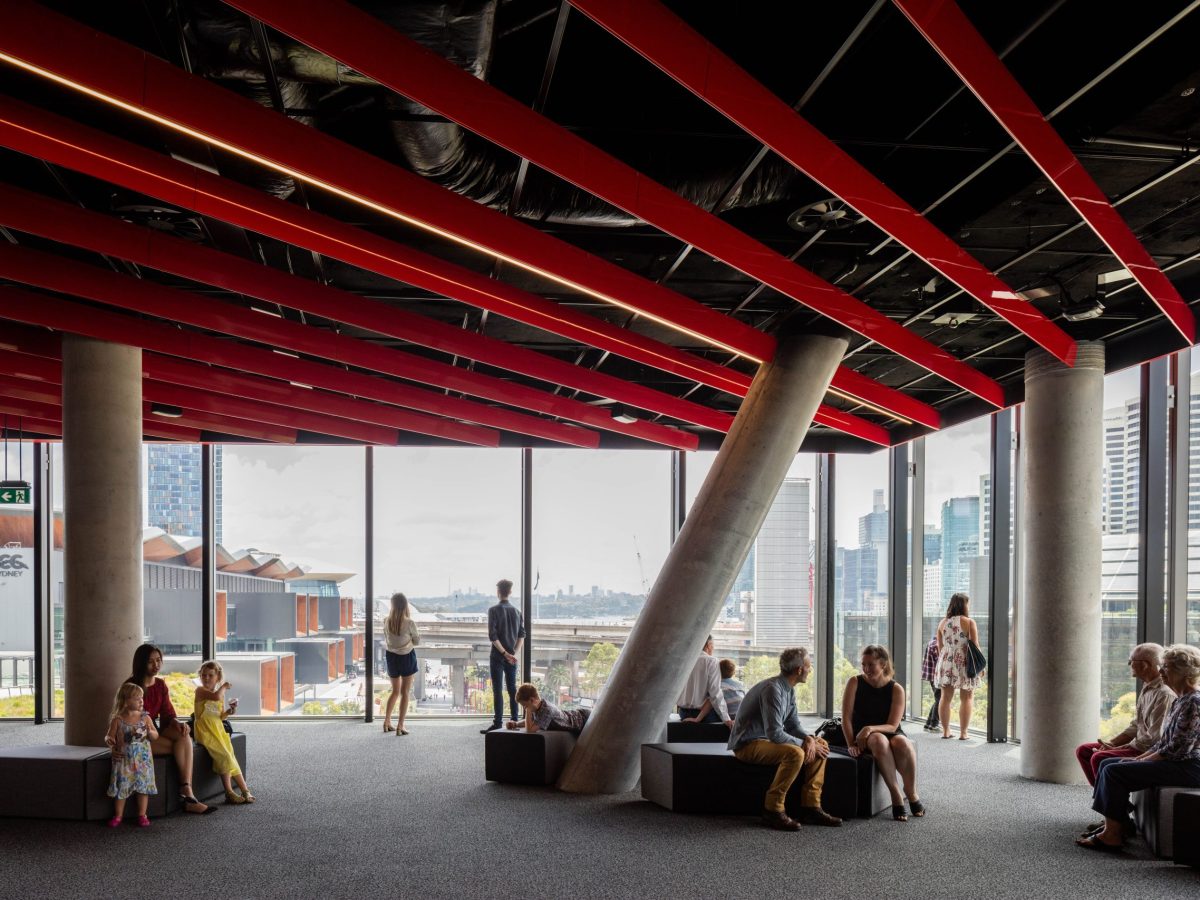
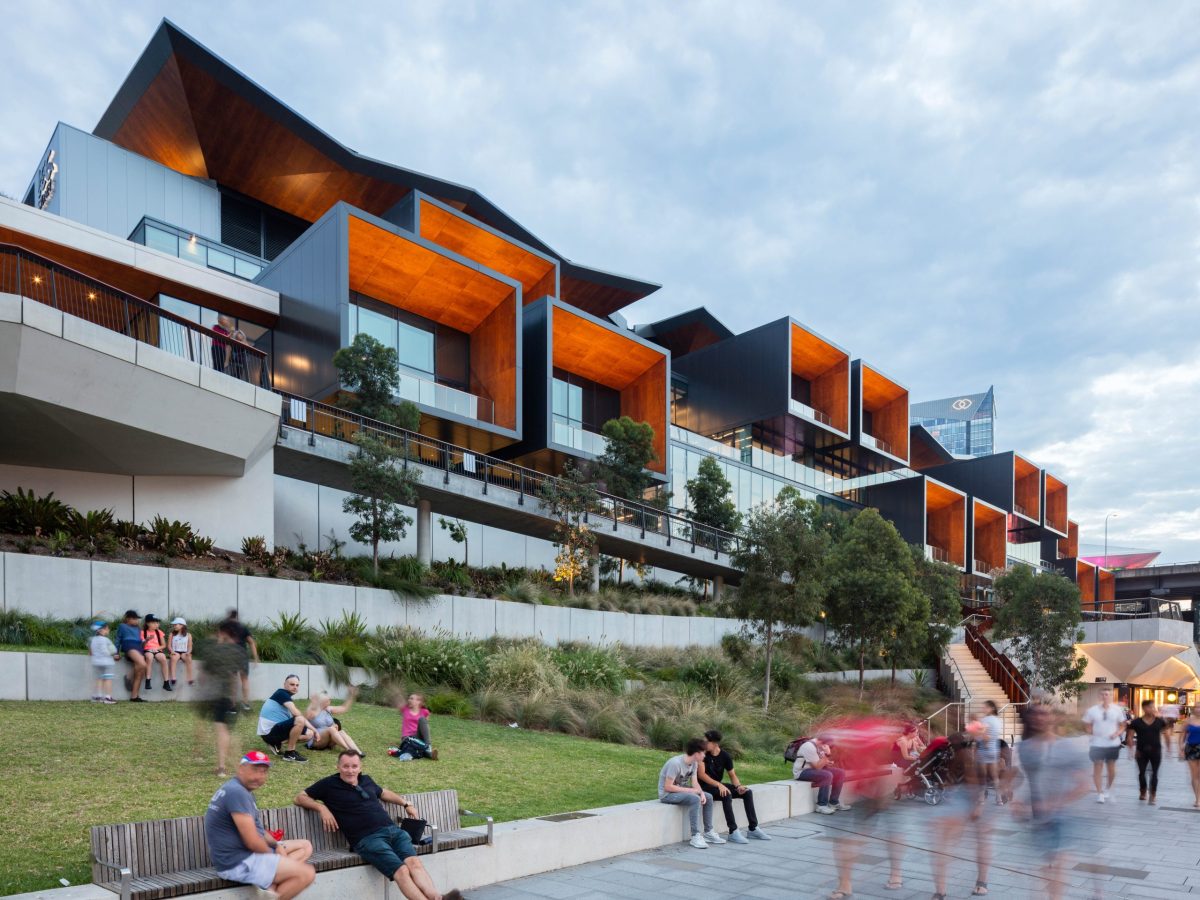
Project Photography: ICC Sydney
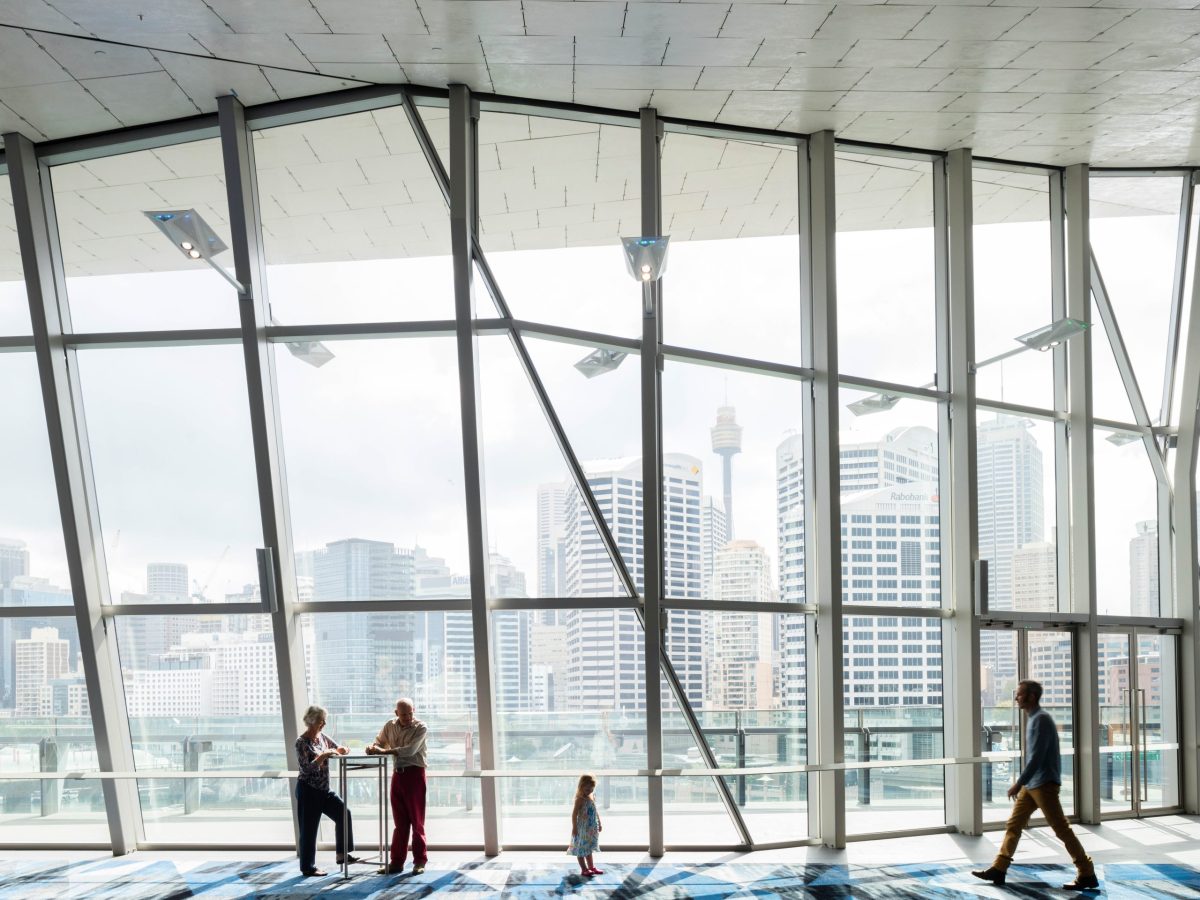
Across Australia, precedents already hint at what’s possible: active riverfront paths and parklands at first light, bustling breakfast venues, and transit-adjacent plazas that feel safe and busy before office hours. Our work connects to these patterns and amplifies them through design so we shouldn’t try to copy our neighbours in Asia like Singapore and Hong Kong where the nighttime economy flourishes under their humid skies where the sun rises much later in the day.
Kai Tak Sports Park
Kai Tak Sports Park welcomed over 7 million visitors in its first year. Only 1.25 million were event ticket holders.
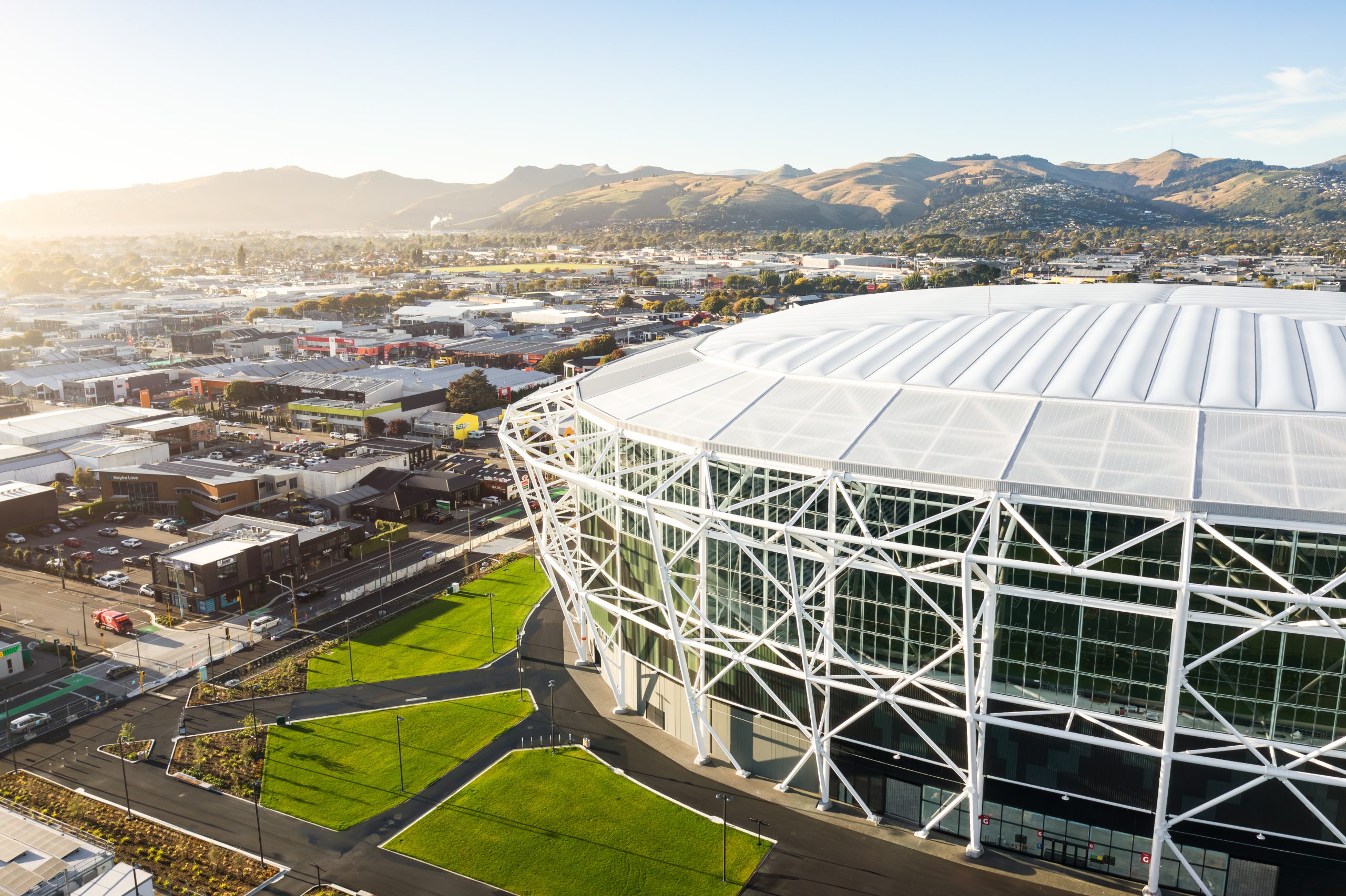
One New Zealand Stadium
One New Zealand Stadium has transformed Christchurch's event landscape with more than NZ$21 million in local economic revenue generated within the first 60 days of operation.
Truist Park
Truist Park has delivered a remarkable economic impact for Cobb County and the State of Georgia with US$644 million in value at The Battery Atlanta in 2025, up from just US$5M in 2014.
The Dawn Economy is a conversation about how we design for the way we live rather than trying to live for the way we design. It’s a concept rooted in our climate and culture, and directly connected to design decisions that city planners can act on now. It also respects the full 24-hour rhythm. Healthy mornings and inclusive nights are not opposites; they are parts of a well-sequenced whole. Cities are asking how to bring people back into shared space. In Australia, the answer may be happening before breakfast. The challenge now is to turn that natural rhythm into lasting urban value through design.

Lorem ipsum dolor sit amet consectetur, adipisicing elit. Non facere corporis et expedita sit nam amet aut necessitatibus at dolore enim quis impedit eius libero, harum tempore laboriosam dolor cumque.
Lorem, ipsum dolor sit amet consectetur adipisicing elit. Illo temporibus vero veritatis eveniet, placeat dolorem sunt at provident tenetur omnis, dicta exercitationem. Expedita quod aspernatur molestias eum? Totam, incidunt quos.