January 12, 2026
Creating an anchor-led vision for arena developments in Asia
Written by





Due to the density of many cities in Asia, these venues are often an extension of the living rooms of communities, situated among high rise developments, or in the case of developing economies where commercial centers are rapidly expanding, they provide an anchor for future economic and social opportunities.
It is therefore essential in this region that an arena has an identity and holds a sense of place in its location. Before we think about size and how many suites it will have, we need to capture the story of the venue and understand its relationship to its surroundings. Without a vision for the venue, it’s another structure to be used on special occasions rather than activated all year round.
Creating a sense of place
Site selection is incredibly important when designing an arena in Asia. From the start, you need to think about the arena as an anchor that will support a myriad of other commercial activities around it and create a broader precinct and destination that is multi-use. Perhaps 20 years ago, we may have considered the anchor to a mixed-use precinct to be a shopping center or a dining area, but with the growth in the major events industry in Asia, these other services are now the supporting revenue streams for the central sport and entertainment development.
This integrated approach to arena design reflects the way local audiences behave when at the venues, and comes from an understanding of regional culture. If we take food, which is such an important part of community, we are seeing some of the famous local culinary brands finding ways to offer their products in the surrounding precinct, almost as an appetizer to the main course entertainment venues, while at some arenas, street food is becoming elevated to a premium level and offered in the laneways and the concourses around the facilities.
It’s the diversity that makes designing these large spaces for such different social, religious and community groups so interesting. Whether it is the integration of prayer rooms for those attending a sports event during Ramadan or the inclusion of multi-generational seating so that families can sit together without having older members or those with children separated from the action in their own segregated spaces, arenas in Asia have the potential to utilize this incredible diversity to create a sense of place.
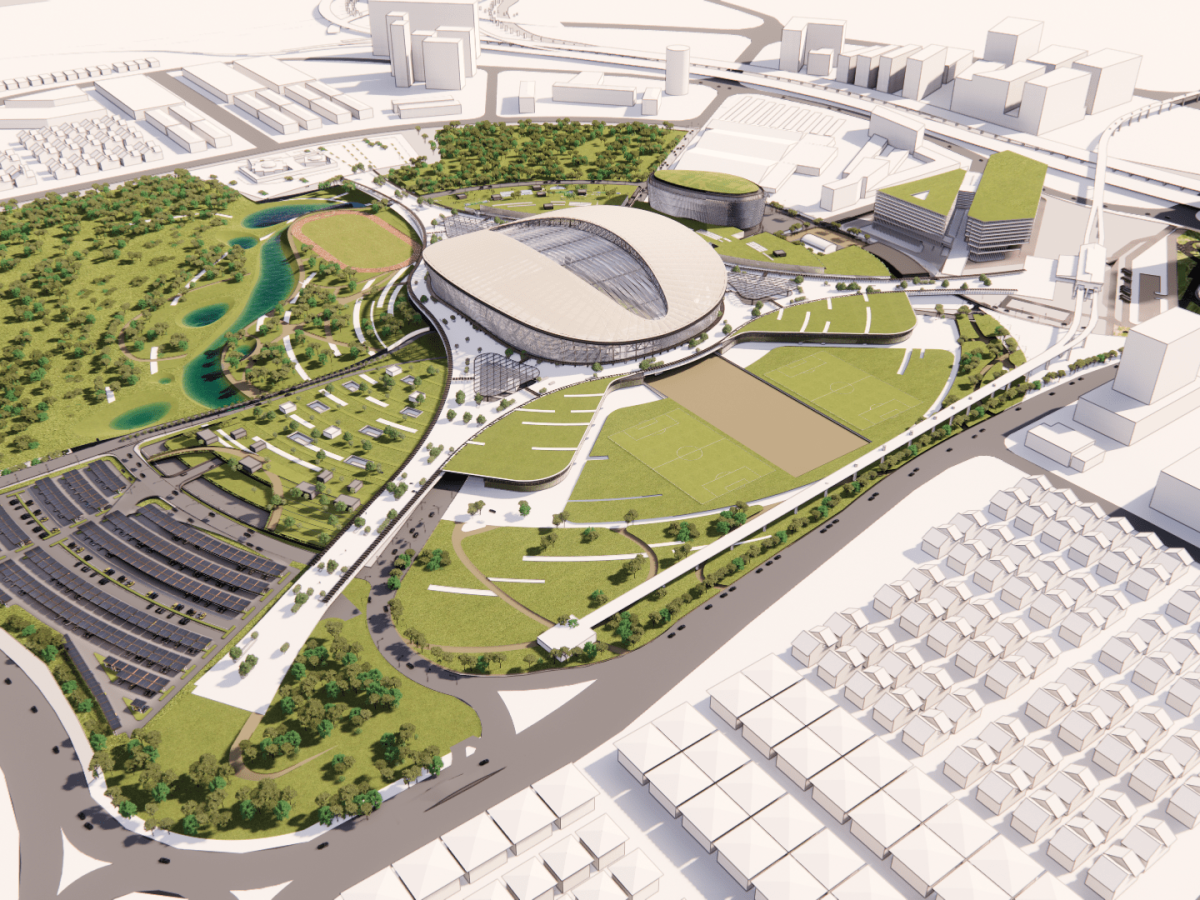
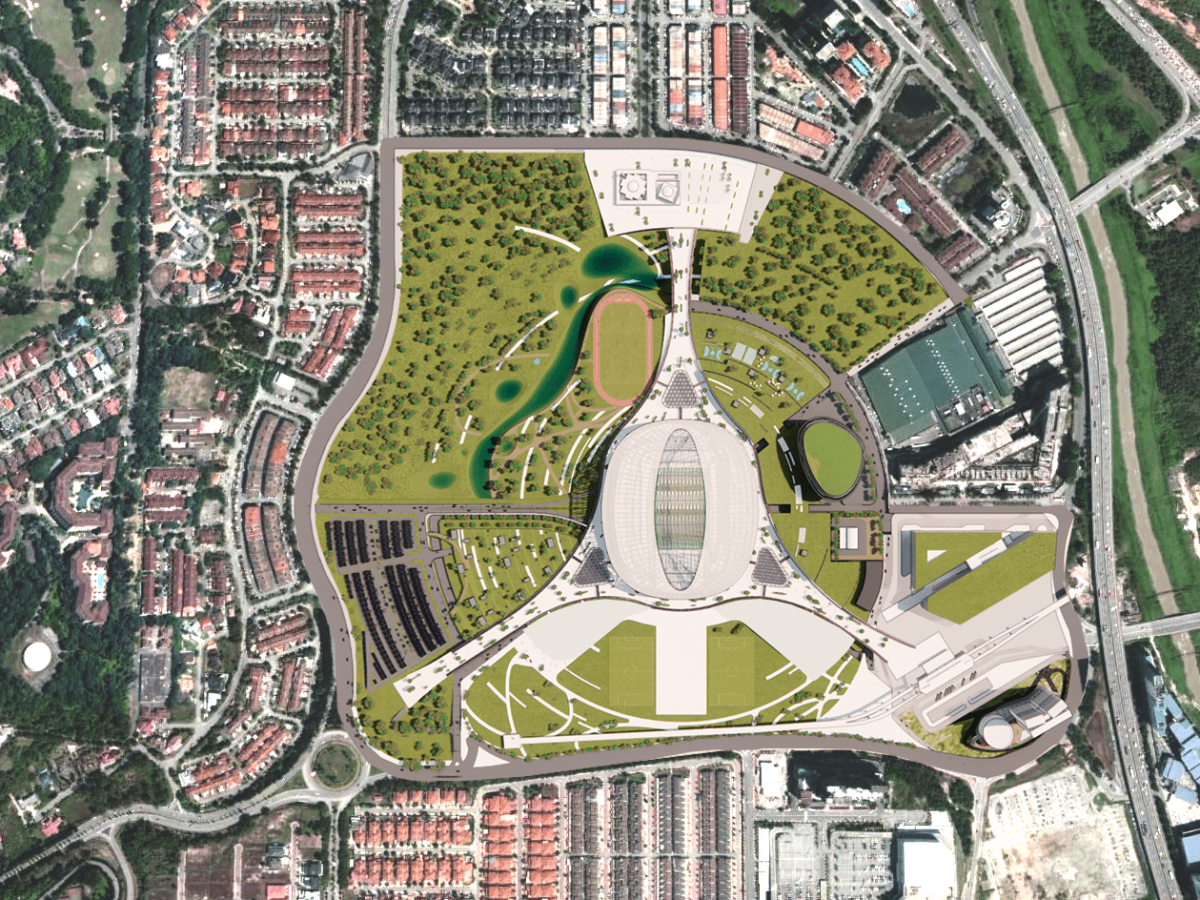
At the currently under construction Shah Alam Sports Complex, commercial spaces and community facilities will provide convenience for neighboring residents while a new LRT station will be built on the site, providing sports fans and the community with direct access to public transport. A second mosque will also be built to the north of the stadium.
What enhances this diverse and inclusive design intent even further is the success that the region has had in attracting sport and entertainment tourism. It could be an international table tennis tournament in Malaysia that caters for its many Chinese visitors or Singapore being Taylor Swift’s only tour stop in the region, venues need to be able to adapt to the cultural characteristics of their primary audiences.

“The Western model doesn’t always translate here in Asia because we have different levels of density, different ways of getting to and from the venue, and the way fans at a concert or a sports event interact with the performance in Asia is also very different from country to country. So, to create a sense of place through the venue, you really need to understand the relationship between the user and the building.”

Commercial partnerships
There’s a story in every performance and the arena is part of that overall narrative from the moment people buy their ticket to when they leave wearing their fan merchandise. So, the venue itself needs to have its own clear narrative. During the design process we need to articulate its purpose and understand where it fits into a city’s built environment hierarchy. It’s never too early in this process to be thinking about which partners are likely to be attracted to the venue, what types of sponsors you want the venue to be associated with and even who should have the rights to the name above the door.
In some parts of Asia, this type of brand association has not always been effectively thought out during the design process, due largely to ownership structures. For example, in Japan many of the arenas have traditionally been owned and operated by the same private company with little incentive for external commercial partnerships. In Southeast Asia many of the arenas are government funded so brand, partnerships and storytelling have tended to be ‘added on’ after the venue is built. But these tactical commercial considerations are an integral part of the placemaking process and need to be developed upfront and embedded into the design.
The arena and its surrounding precinct must forge a connection to the community so that people can see themselves in the venue’s story and the venue in their Instagram story. It’s about incorporating brand strategy design into the physical design of the area and creating environments that embody the essence of a sponsor or a home sports team, and amplifying its presence and the interaction it has with visitors. This is something that many of the privately funded arenas in the US have taken advantage of for decades.
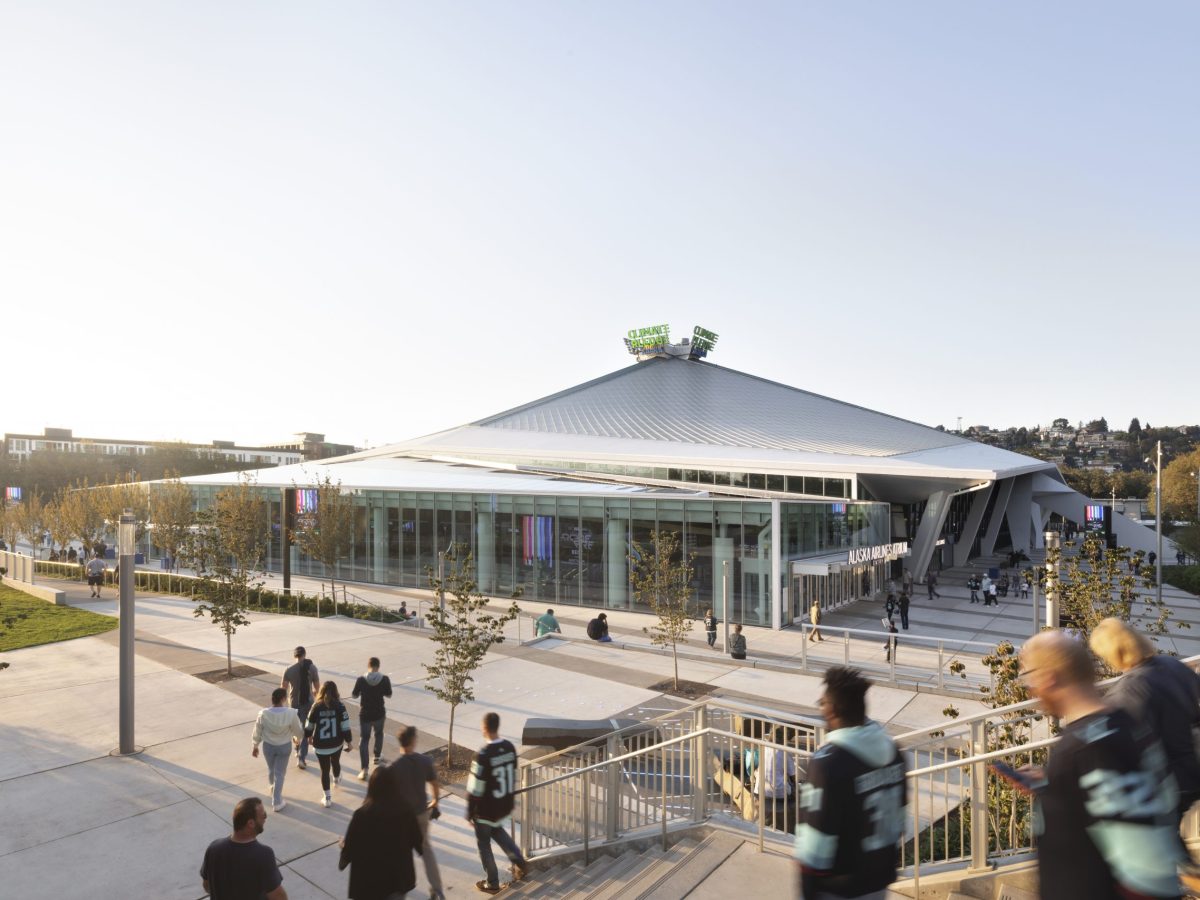
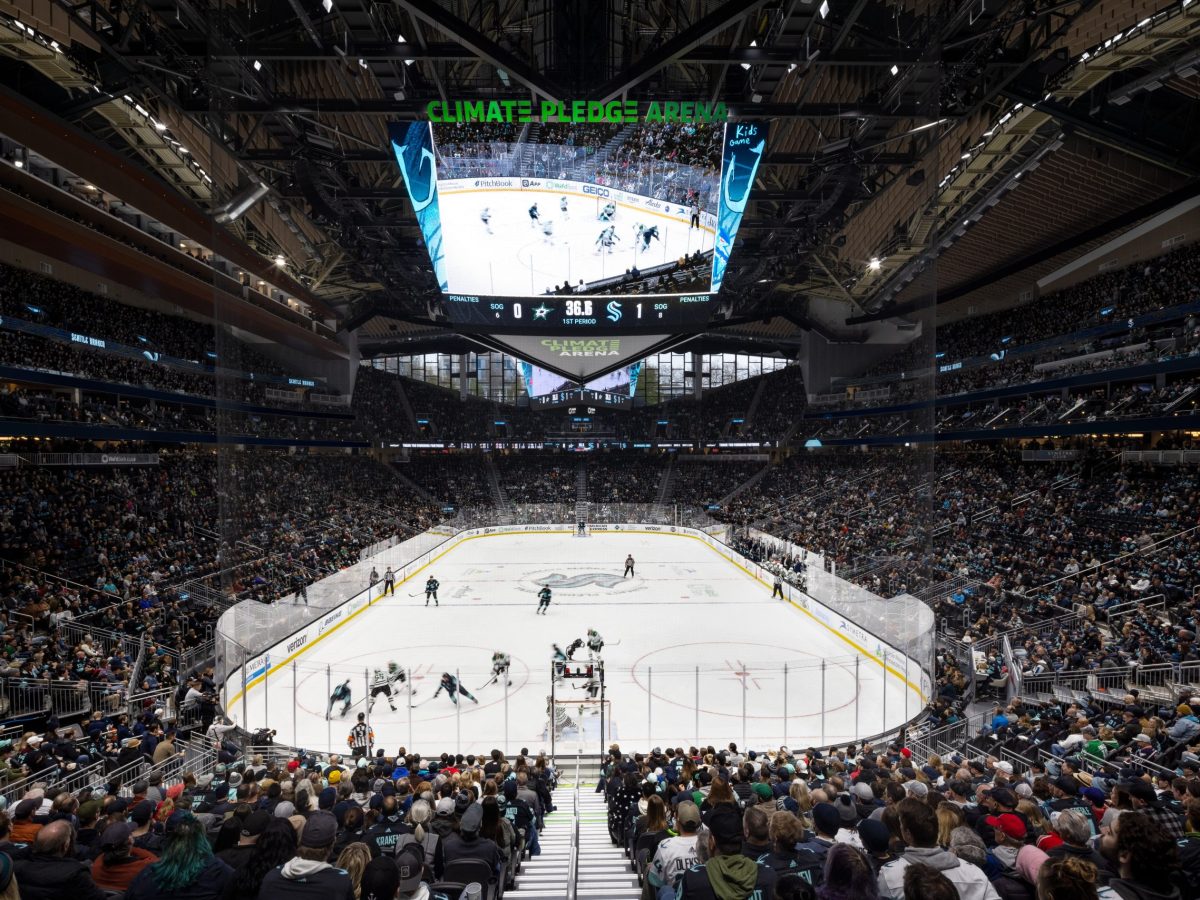
Climate Pledge Arena is one of the US’s most significant private investments in sports and entertainment history. It also contributes to a critical movement within the industry to transition the built environment from a major contributor of greenhouse gas emissions towards a central solution to the climate crisis. It’s more than just a venue – it’s a statement about the future of arena design and it’s a drawcard for performers whose brands align with its message.
Every detail of the Climate Pledge project was scrutinized to minimize its impact on the environment, setting a new standard for future arenas to follow. With Amazon as the arena’s naming rights partner, Populous was able to transform its sustainable design approach to meet The Climate Pledge, a global initiative that commits signatories to net zero carbon across their businesses by 2040.

“By accessing in-depth and real-life knowledge of what the users want in their arena, we’re not just creating a physical structure, we’re creating an experience for the community.”

An investment in the community
Whether publicly or privately funded, a new arena is an investment in the community, particularly in Asia where social and family ties are often very strong and where the arena can sometimes be seen as a cultural meeting place.
Sport can unite people from different backgrounds so, in creating the vision for the venue, a conversation needs to be had with the community about why they will use it, when they will use it and how they will use it. This allows the community to be invested in and supportive of the project from concept stage.
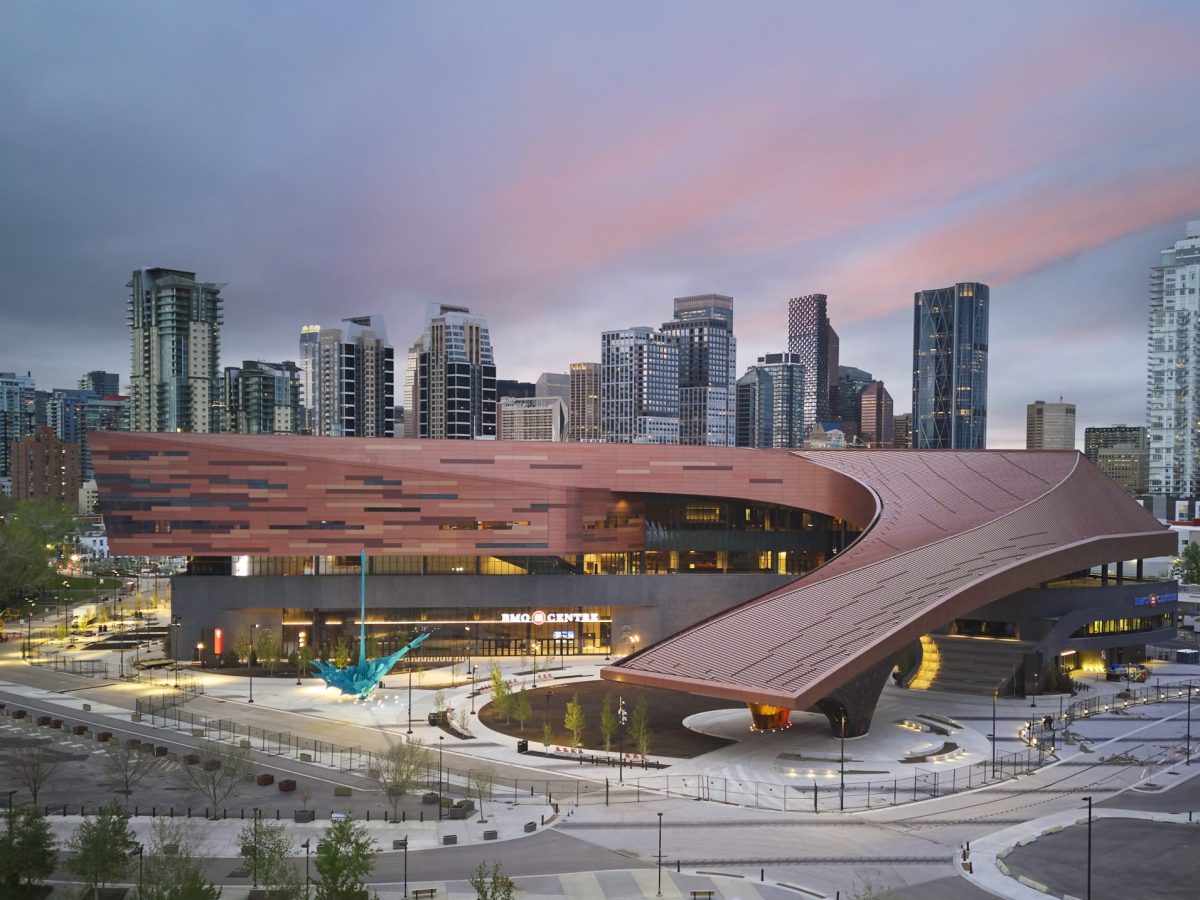
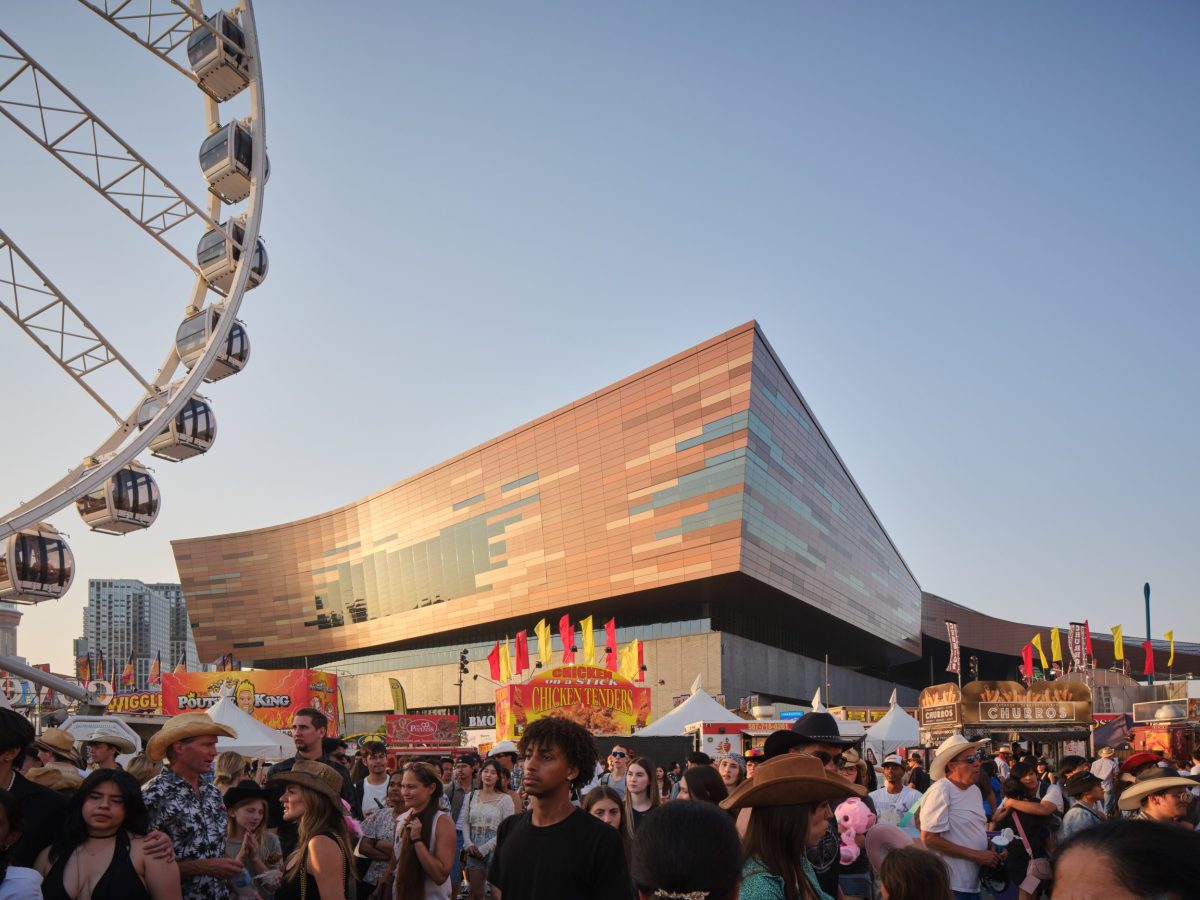
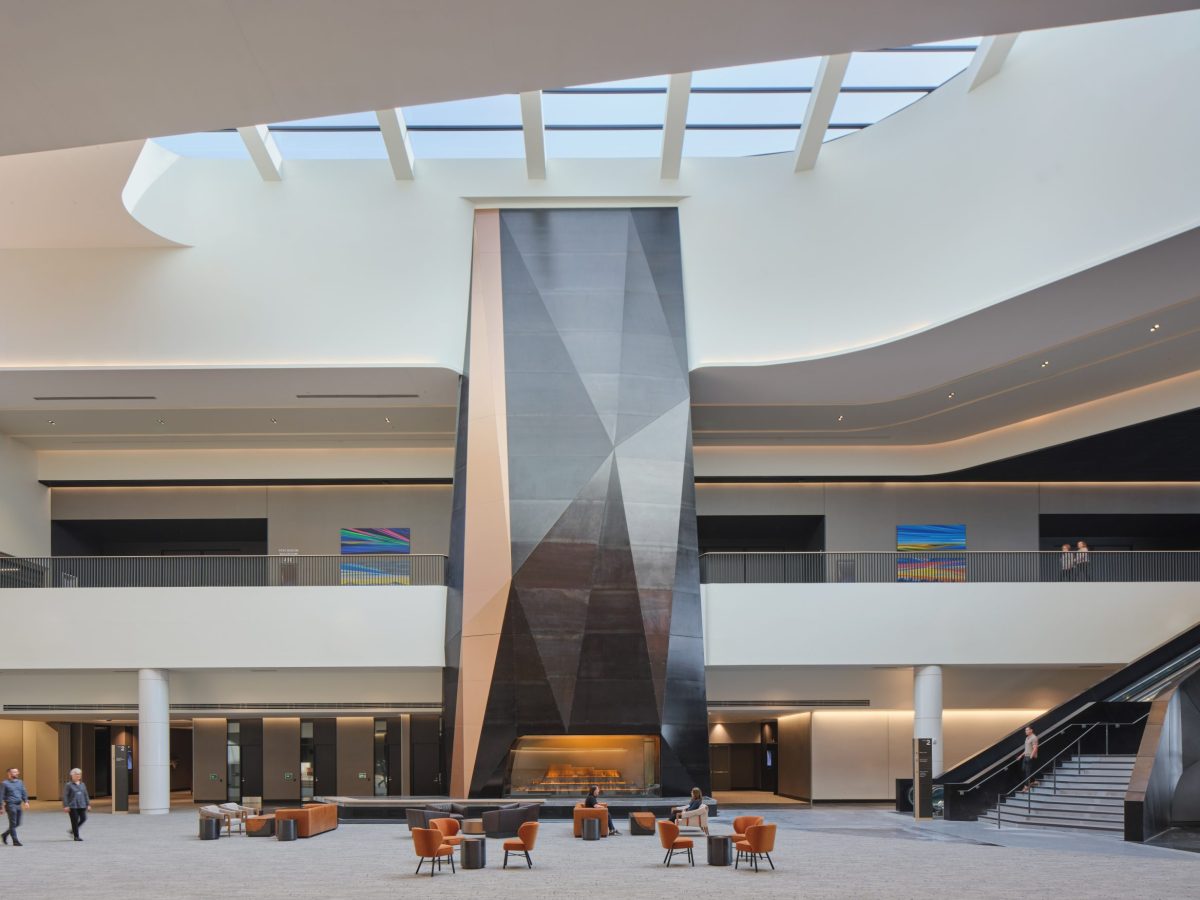
The BMO Centre in Calgary, Canada has set the bar globally for civic buildings designed as catalysts for community interaction. Each year, the BMO Centre sits in the middle of one of the wildest festivals on the planet: the Calgary Stampede. Welcoming more than one million visitors, the stampede is a kaleidoscope of Canadian culture – it features one of the biggest rodeos in the world, vibrant celebrations of Calgary’s Indigenous First Nations and concerts from global megastars. Our design captured the energy of this larger-than-life festival and translated it into the tangible form of a building.
Populous designed the exterior of BMO Centre as a reflection of both the grit and glamor displayed at the Stampede – finding inspiration in the way the earthy agricultural elements are juxtaposed with the glamorous attire of the participants. Clad in shimmering copper panels, the sweeping form of the building’s canopy rises over the darker earthy tones of the lower levels in a direct response to this dramatic theme. Rooting the design in the larger story of the community allowed us to design a building that was unmistakably Calgary.
There are so many similar stories to be told in Asia and the way we design arenas here can help to leave a legacy for future generations who will look to these venues as celebrations of culture.
“The community needs to know that the venue will be something they can be proud of and will honor the teams who play there and represent them as their home venue.”

Leaving a legacy
This concept of legacy is very important. Arenas are designed to operate for decades and their size means that they leave a lasting physical impression on the landscape as well as an emotional impression from the memories created within.
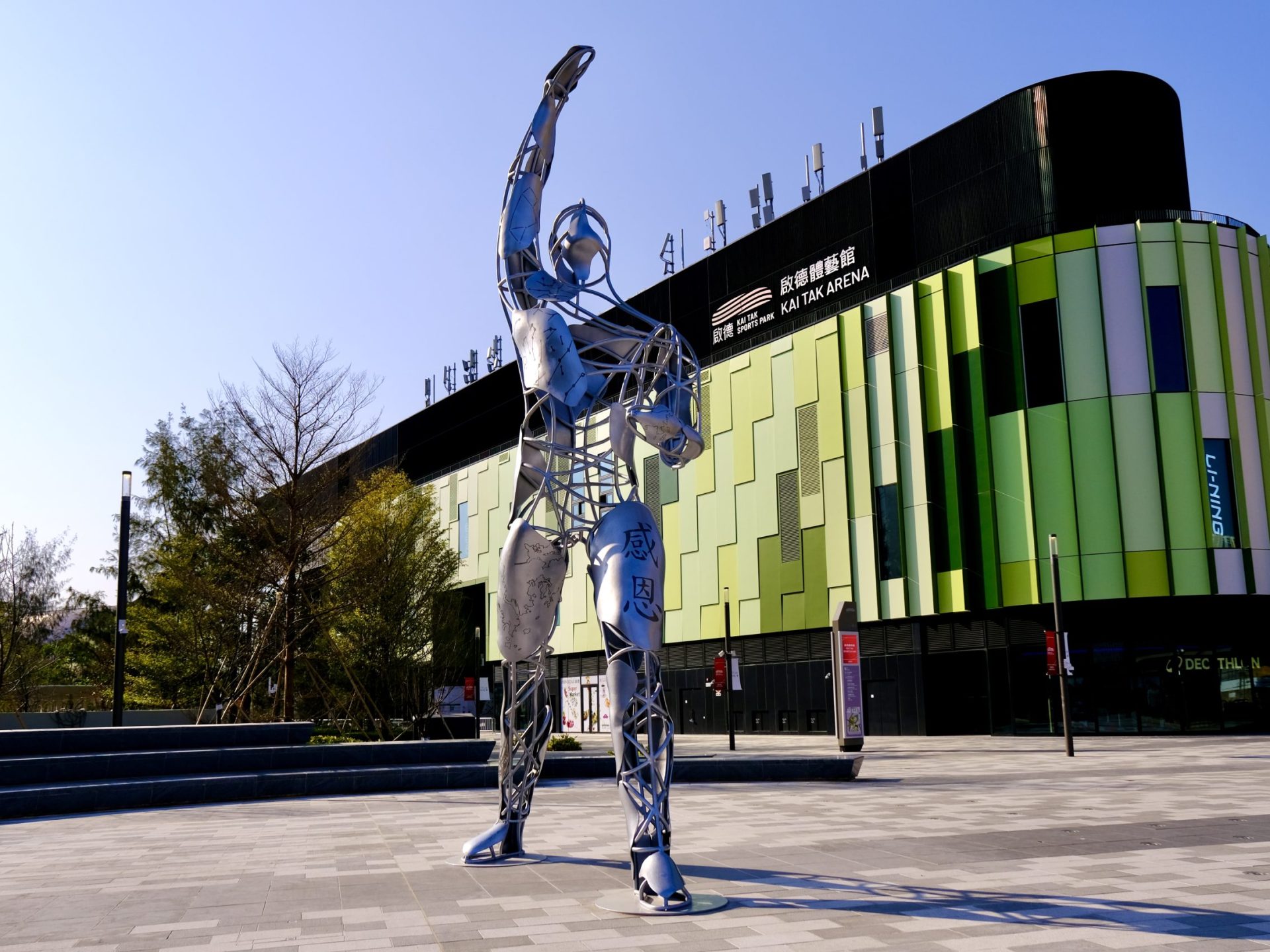
If we consider the recently completed 10,000-seat Kai Tak Arena that was built on the site of the former Kai Tak Airport in Hong Kong, we can see that there was real attention paid to honor what was there before and to ensure that the land was utilized in the best possible way to create future memories.
The ambitious regeneration of the site transformed the previously underutilized area into a vibrant sports and community hub for the city’s 7.5 million residents. The venue uses art as wayfinding tools, some of which include references to aviation such as a sculpture outside the arena of children playing with a model aircraft.
Arenas will create their own stories and their own memories, and their design needs to help tell these stories so that they are places people feel connected to and want to enjoy.

Lorem ipsum dolor sit amet consectetur, adipisicing elit. Non facere corporis et expedita sit nam amet aut necessitatibus at dolore enim quis impedit eius libero, harum tempore laboriosam dolor cumque.
Lorem, ipsum dolor sit amet consectetur adipisicing elit. Illo temporibus vero veritatis eveniet, placeat dolorem sunt at provident tenetur omnis, dicta exercitationem. Expedita quod aspernatur molestias eum? Totam, incidunt quos.