July 3, 2026
All the World’s a Stage: Exploring the Design of Past, Present and Future World Cup Venues

The FIFA World Cup is changing and growing. With 48 national teams now included in the tournament finals — almost a quarter of all nations affiliated to FIFA — and a total of 104 matches scheduled, this year’s event in the USA, Canada and Mexico is bigger and bolder than ever before. Looking to the future, the organizers have altered their hosting strategy, allowing for multi-national bids and insisting on rotating between different continents, all of which increases the potential number of host nations.
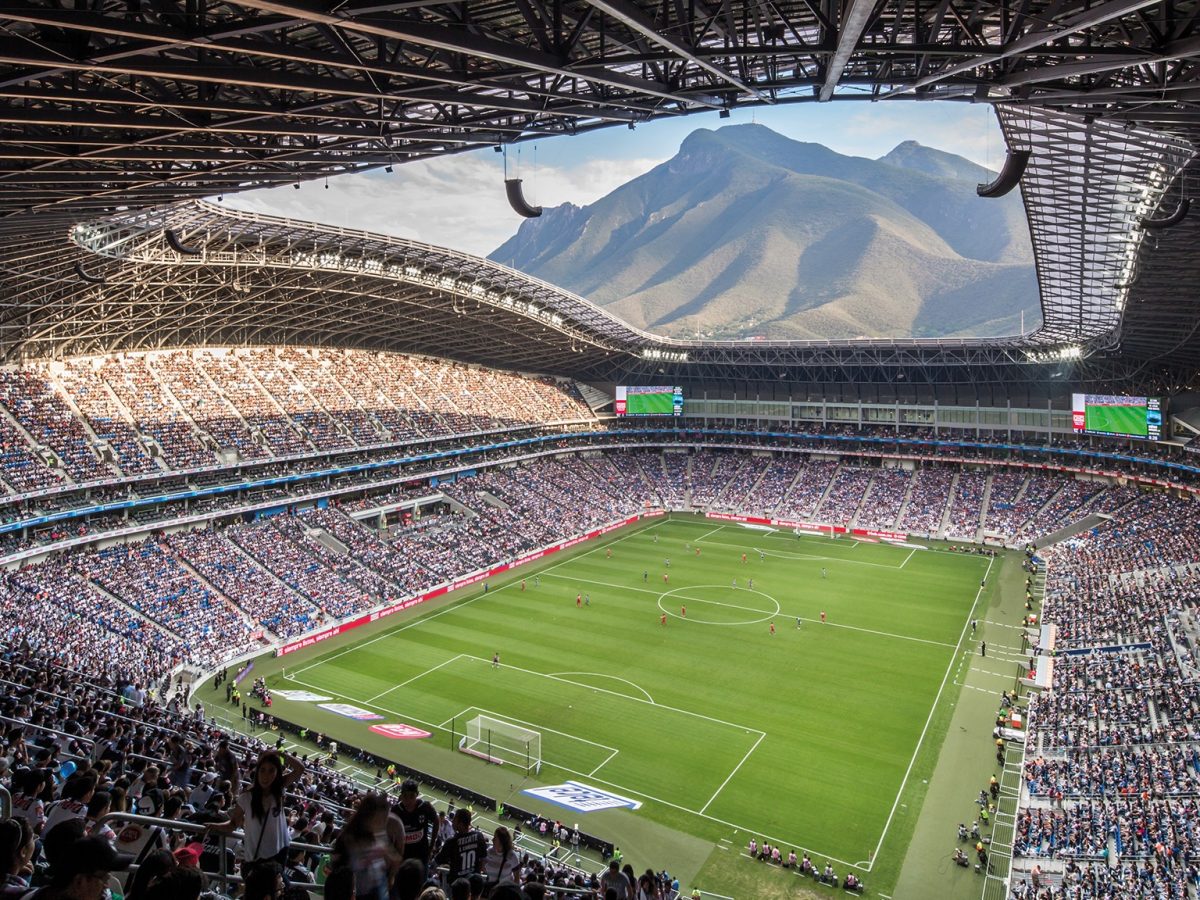
The new tournament formats are sure to have an impact on the design and construction of future stadia,” says Christopher Lee, global head of design at Populous and the design director of football stadia for clubs such as Arsenal FC and Tottenham Hotspur FC in London, as well as the Estadio BBVA in Monterrey, Mexico — a key venue for the 2026 World Cup. “But there are other factors at play. A warming planet means existing stadia will need to be adapted and redeveloped. And, of course, more teams and more matches will require expanded infrastructure. Transport connections, broadcast facilities and hospitality must all be designed accordingly.”
Populous has been involved in World Cup stadium design and overlay, as well as in host-nation event bids, since 1994. No fewer than six of the host stadia for this year’s World Cup — in Boston, Houston, Kansas City, Miami, Monterrey and Mexico City — were originally designed or significantly renovated by our teams. Populous is also working on stadia for the 2030 World Cup (in Morocco, Portugal and Spain) and the 2034 World Cup (in Saudi Arabia).
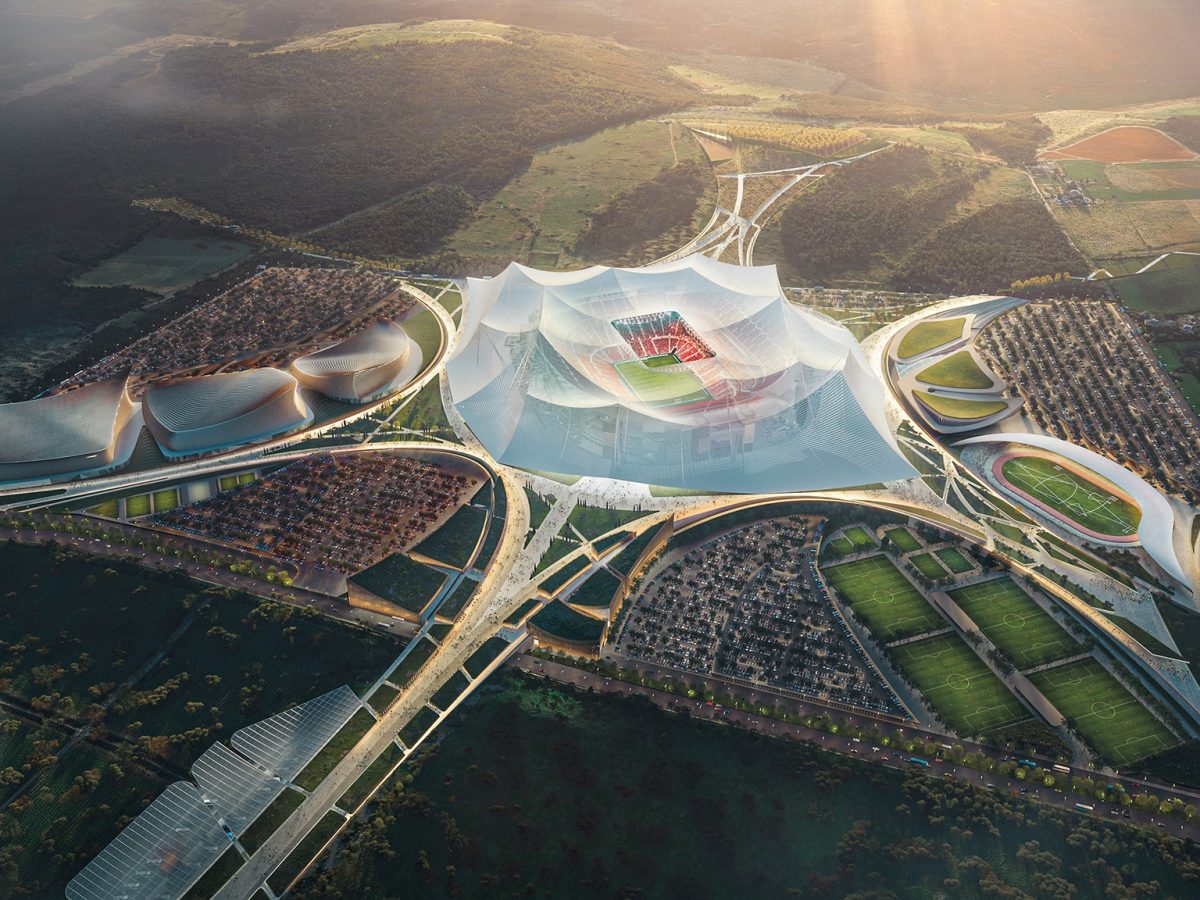
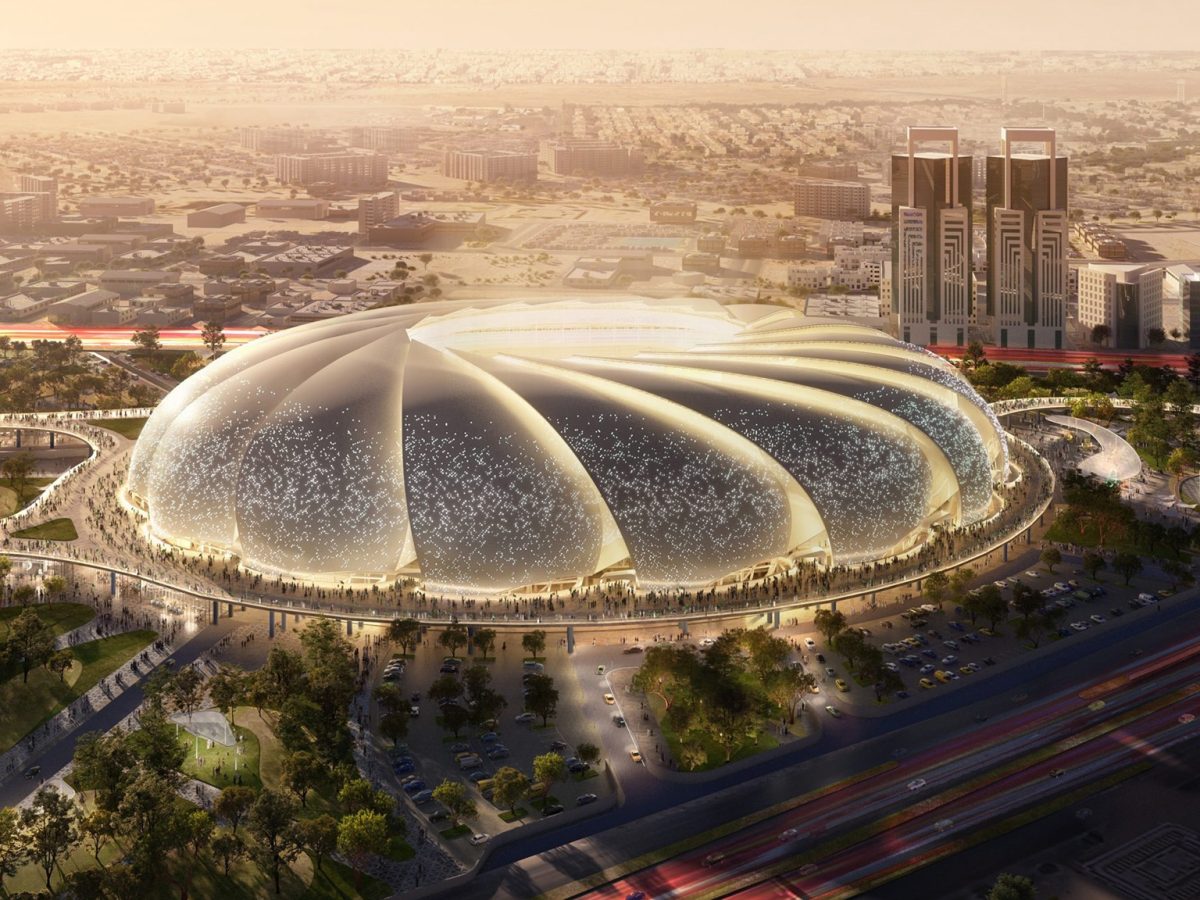
The Populous-designed Hassan II Stadium, close to the Moroccan city of Casablanca, is an example of this new generation of mighty tournament venues. Due for completion in 2028, and a potential venue for the 2030 World Cup final, it will have room for 115,000 spectators, making it the third largest on the planet.
Populous senior principal François Clement is directing this major project. “The tented roof design takes its cue from the traditional Moroccan moussem — a social gathering often associated with tents, ceremony and collective celebration,” he explains. “That idea is translated into a vast roof canopy and bowl composition set within a forested landscape, giving the venue both monumental presence and a strong cultural point of reference.”
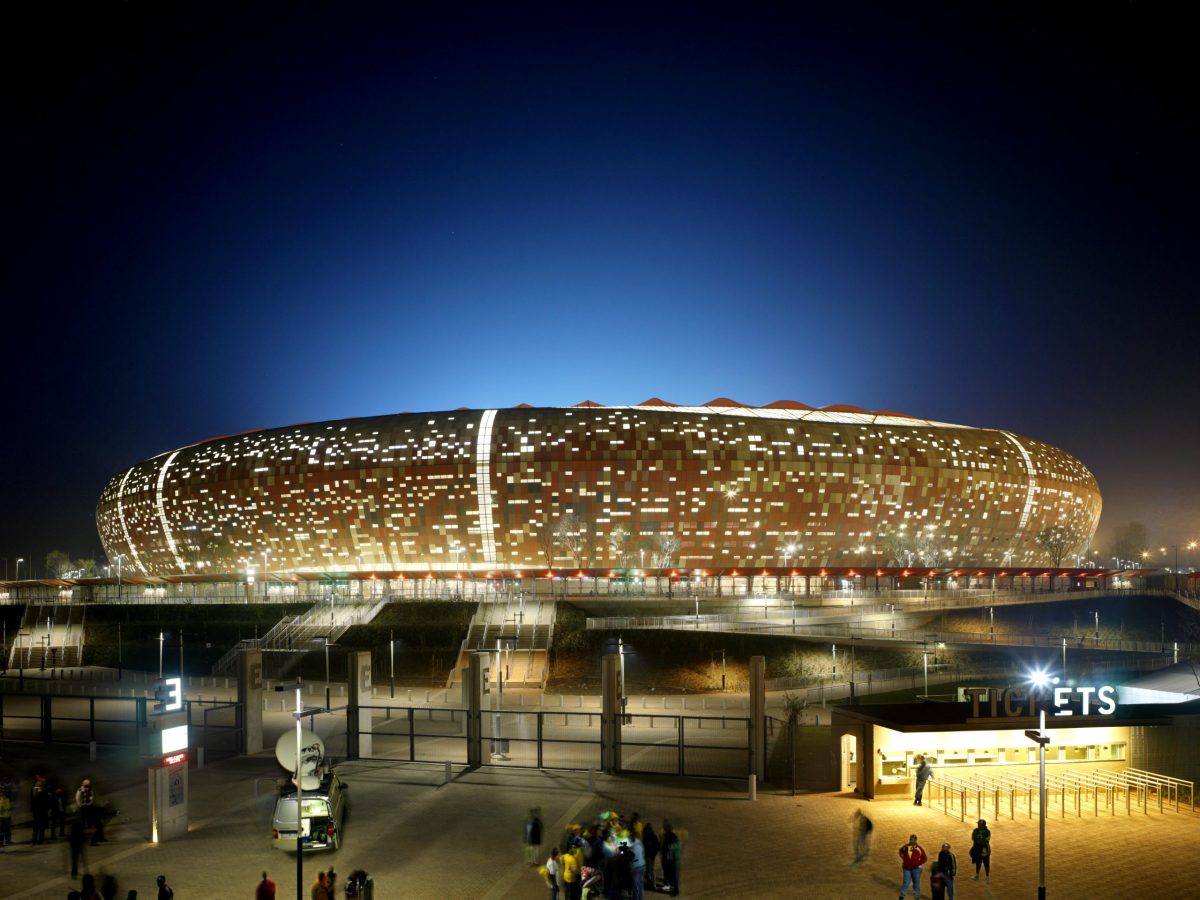
Local culture is often reflected in Populous’ stadium design. FNB Stadium in Johannesburg, the venue for the 2010 World Cup final, was intentionally shaped like a local cooking pot called a calabash — and still carries that nickname. The Arena das Dunas, one of the 2014 World Cup venues in Brazil, has undulating curves to it, inspired by the sand dunes that form its backdrop. And the façade design for the new Prince Moulay Abdellah Stadium in Rabat is influenced by palm tree leaves and traditional Moroccan embroidery.
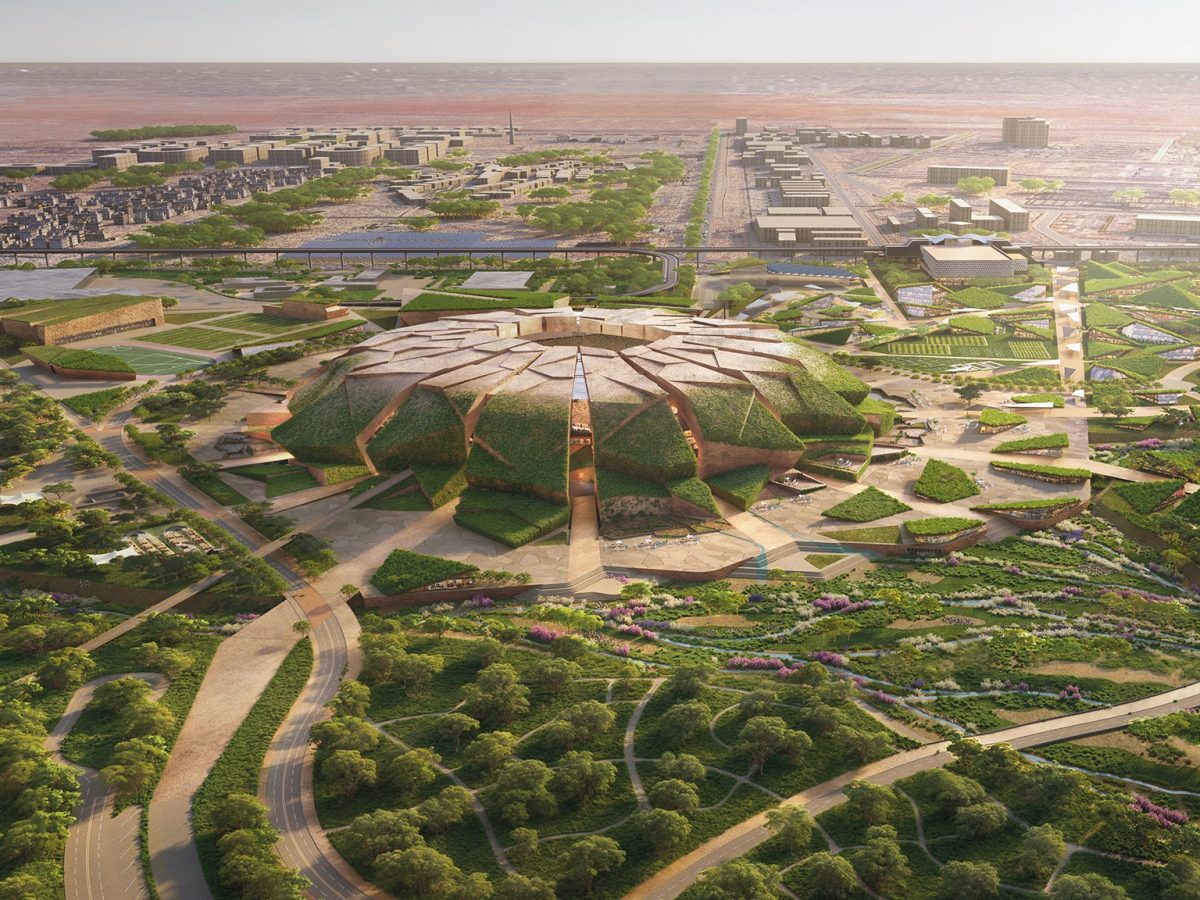
Looking ahead to the 2034 World Cup in Saudi Arabia, the stadium designs are even more ambitious, with Populous working on several venues. The largest, with a capacity of 92,000, is King Salman Stadium in Riyadh. “The wider masterplan expands the project beyond a single venue,” explains Shireen Hamdan, a global director at Populous who oversees the practice’s Middle East operations. “It will also include numerous new sport and leisure amenities that can be used by the community throughout the year, all connected by a 5.6-mile (9-km) sports track. Green roofs, planted walls and a connecting valley integrate the stadium with the surrounding parkland.”
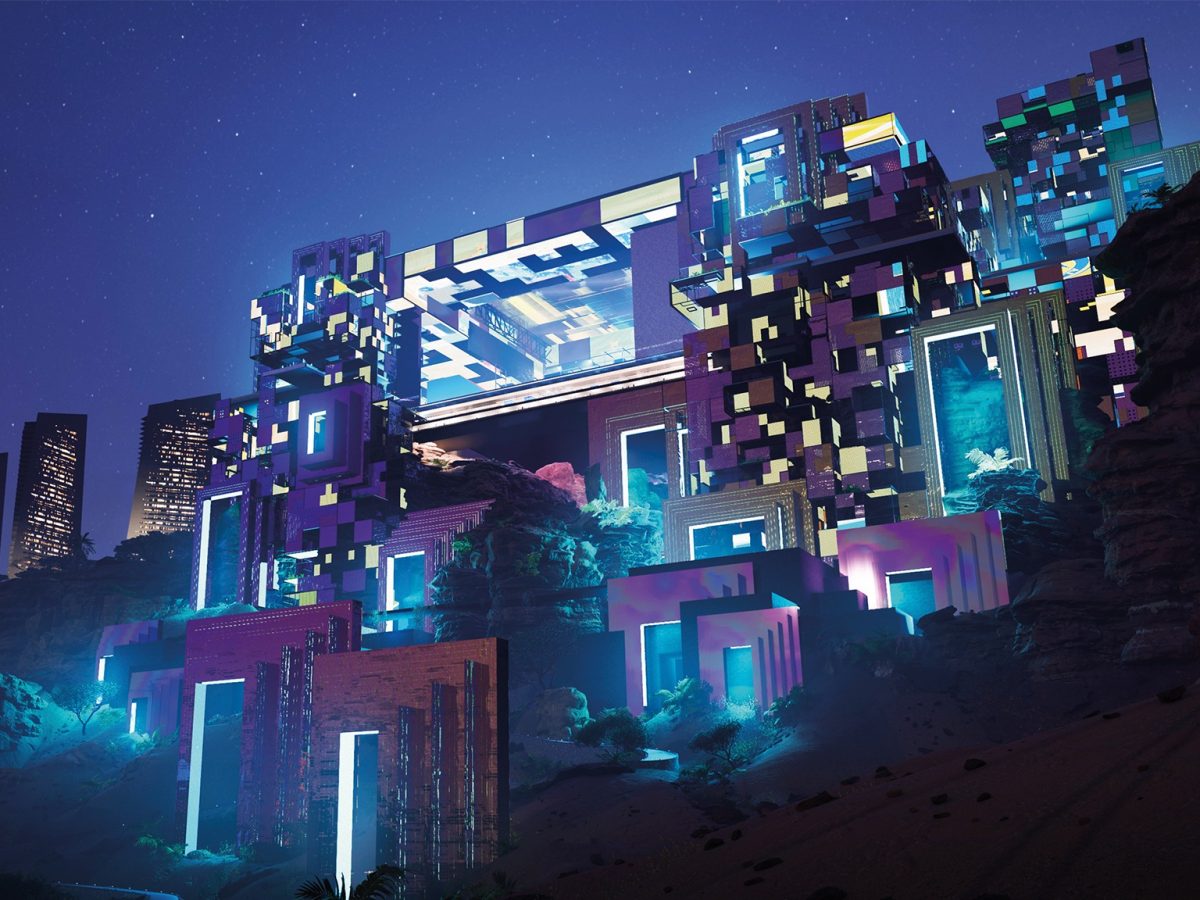
Two other Saudi venues under construction are Aramco Stadium, in Al Khobar, and Prince Mohammed bin Salman Stadium, in Qiddiya City. The former has specially designed ramps and walkways, shaped to optimize natural ventilation as much as possible. The latter, positioned atop a 660-feet-tall (200-meter) cliff, will combine high-end technology with visual drama. There will be a retractable roof, retractable pitch and giant LED wall. “Together, these elements allow the stadium to switch between different event configurations in a matter of hours,” says Hamdan. “The LED wall can operate as a backdrop for live sport, films and large-scale visual shows, or open to frame views across Qiddiya City. It is a bold statement for what the next generation of global event architecture could become.”
When building such enormous venues, it’s vital that host nations have solid plans in place for their future use. Populous’ World Cup stadia were all designed with legacy use in mind. FNB Stadium, in Johannesburg, for example, is now home to Kaizer Chiefs FC and the South Africa national football team. It also stages international rugby matches, concerts and mass Christian gatherings. Likewise, the Arena das Dunas in Brazil is now home to América Futebol Clube, while Hassan II stadium will eventually accommodate Raja Club Athletic, Wydad Athletic Club, and the Morrocco national team.
With 48 national teams now competing in World Cups, the pressure on logistics and facilities shouldn’t be underestimated. This summer, across Canada, United States and Mexico, up to 7.3 million fans are expected to attend. AT&T Stadium, near Dallas, Texas, is hosting nine matches — more than any other city — and its nearest airport, Dallas Fort Worth International, has seen major upgrades, including a US$3 billion expansion of Terminal C, new terminal gates, new lounge space, expanded security checkpoints, and improved onward public transport.
Curtis Fentress is head of Populous: Fentress Studios, Populous’ aviation design group. He envisages a future where all World Cup host cities will upgrade their international airports in anticipation of millions of fans arriving from all over the world. “Advances in wireless technology will allow passengers to move through terminals more quickly,” he explains. “Automatic passport scanning, facial recognition in security areas, and advanced luggage handling will all make travel more seamless.”
Once at the stadium, the spectator experience extends far beyond the action on the pitch. Christopher Lee points to Aramco Stadium in Al Khobar as a benchmark for next-generation fan engagement. “At full capacity for the 2034 World Cup, this stadium will welcome 47,000 spectators,” he says. “In Saudi, hospitality is very much part of the culture. Our interior designers, Jump Studios, have designed a wide range of experiences from simple high-quality food served quickly so fans don’t miss any of the action to premium fine dining options that elevate the overall matchday experience.”
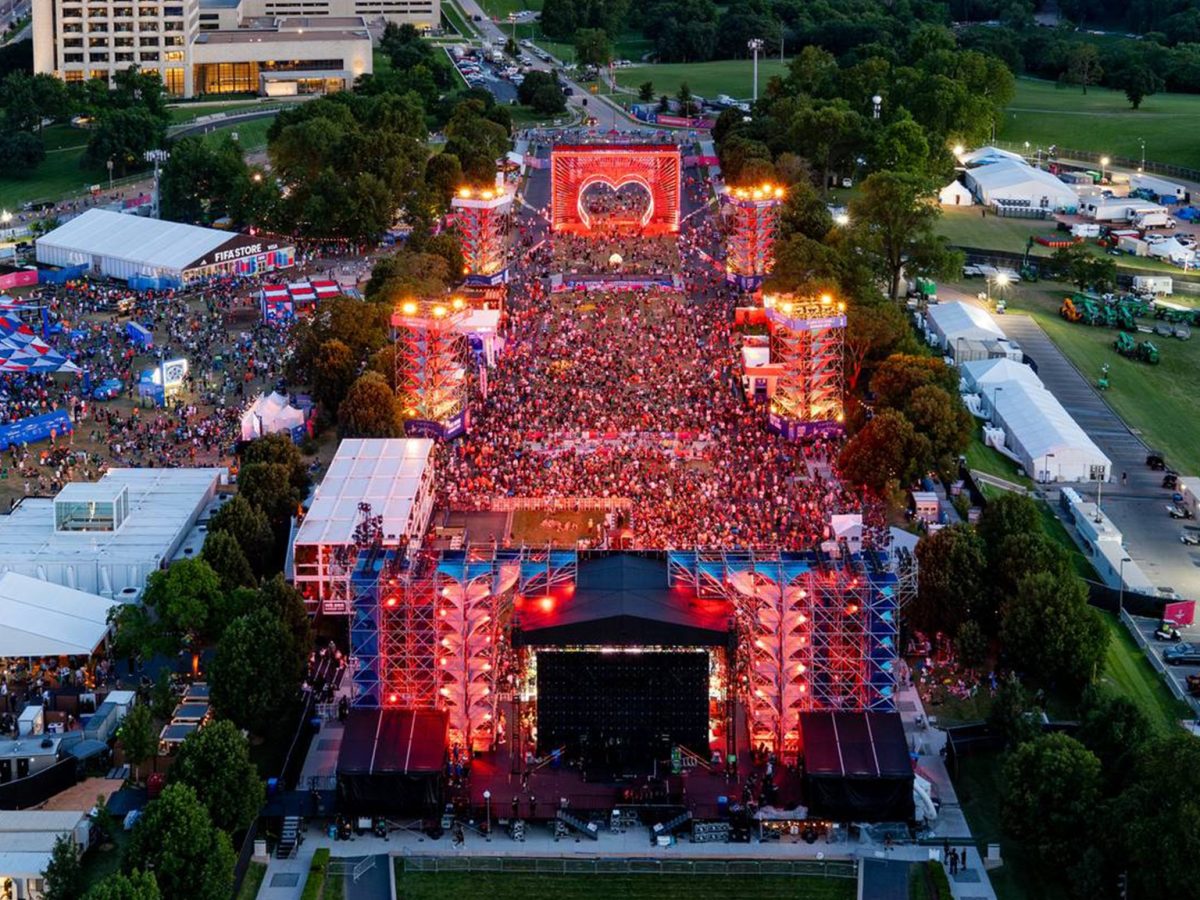
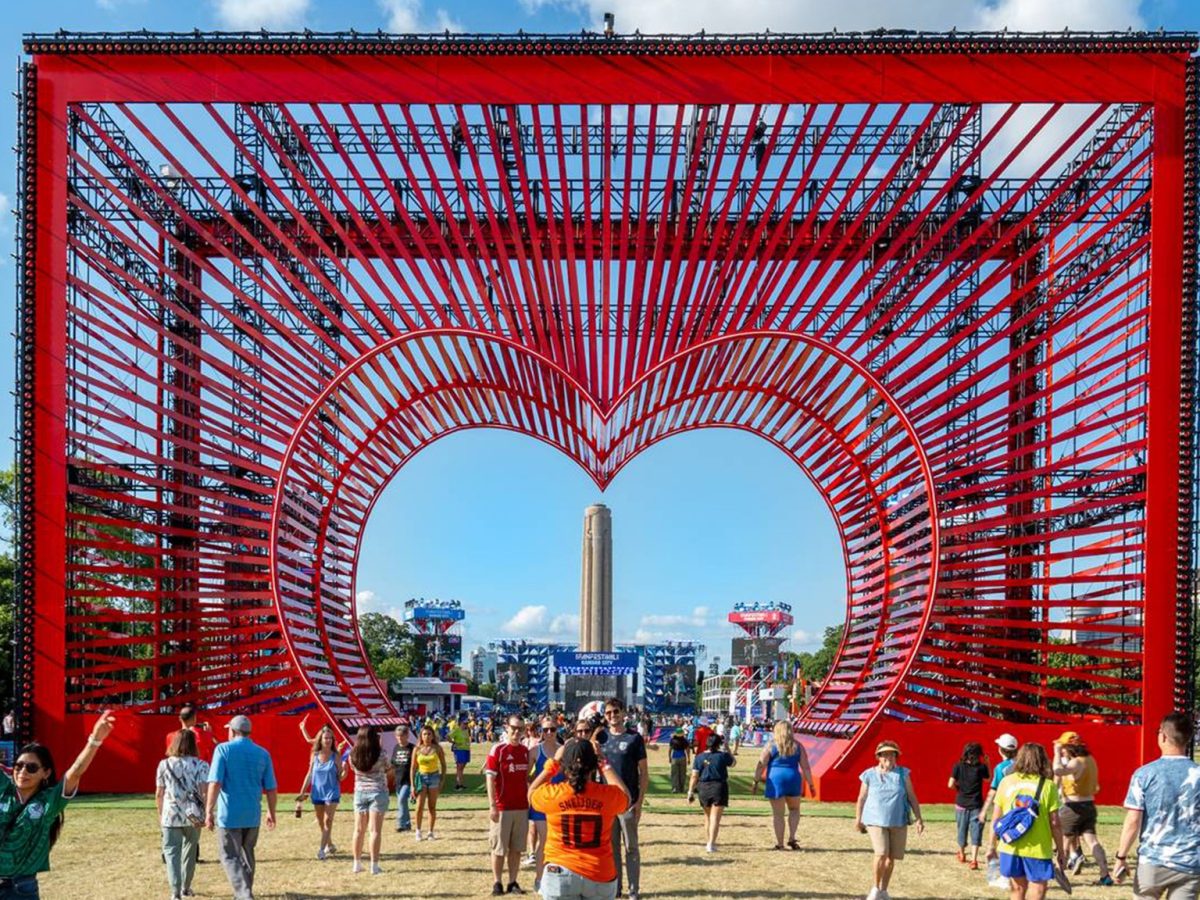
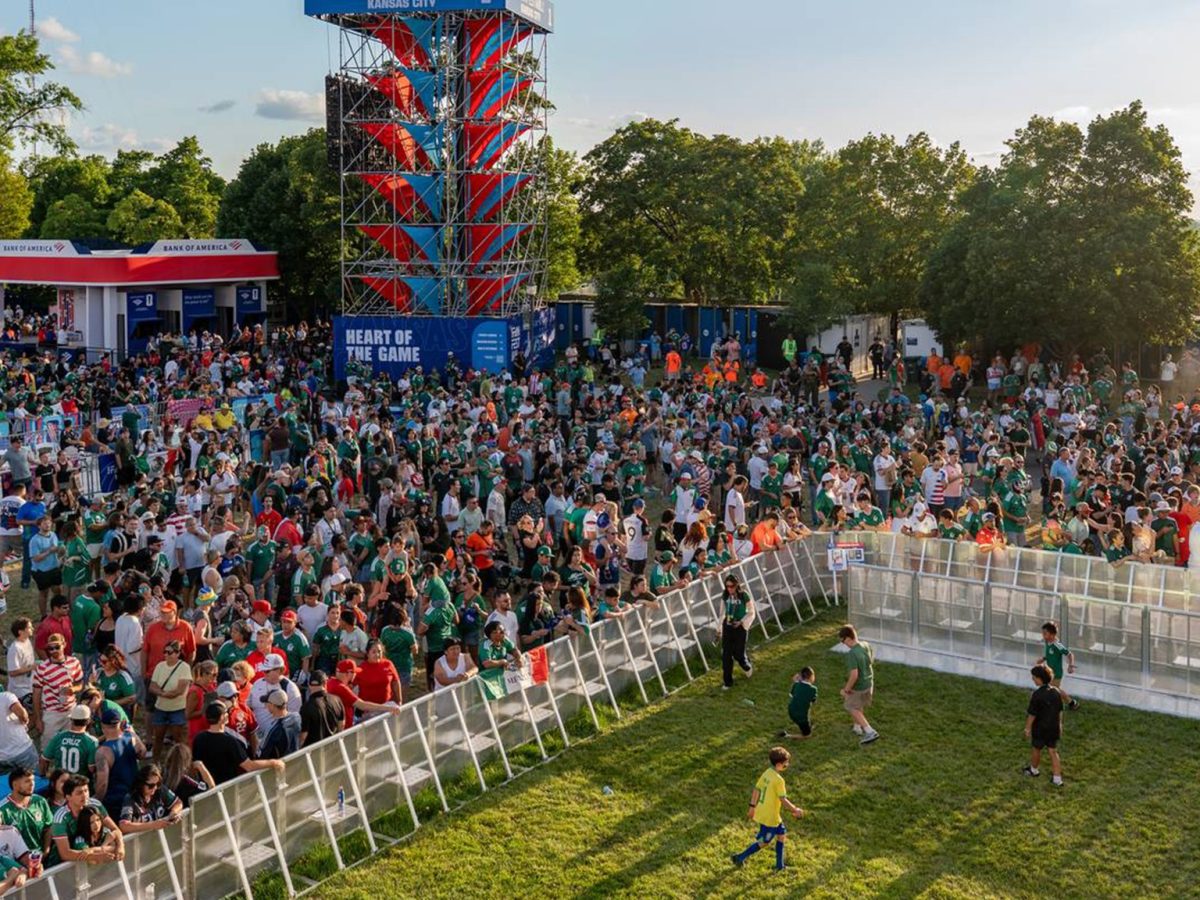
Fans will be well catered for outside of the stadia, too. At this year’s World Cup, Populous has worked with host organisation Kansas City 2026 to create a spectacular FIFA Fan Festival in that city — an outdoor fan area with capacity for 25,000 spectators.
Kelly Holton is senior principal in charge of brand activation at Populous’ Kansas City HQ. She explains: “The festival will elevate the viewing experience with two large stages and 4,500 square feet (418 square meters) of video boards, ensuring all guests can enjoy tournament action throughout the event.”
As the number of teams at World Cup finals increases, so does the number of support staff and media professionals. “Host cities will need to build more advanced training facilities and broadcast centers,” says Chrstopher Lee. “These are two areas that Populous has huge experience in.”
While the design and technology of stadia are paramount, ultimately, however, it’s the spectator and player experiences that distinguish Populous venues. After all, our ethos as a practice is to “design the places where people love to be together.” And anyone who has attended a World Cup match will know that the beautiful game often gives rise to some of the most memorable sporting moments in history — ones that remain etched on fans’ minds.
Just think back to 1958 when 17-year-old Pelé scored twice to help Brazil win the final against Sweden. Or Diego Maradona’s infamous hand of God incident when Argentina beat England in the 1986 quarter-finals. What about the 2006 final in France, when Zinedine Zidane was sent off for his outrageous headbutt? Or the shock 7-1 defeat of Brazil by Germany in 2014?
In future decades, as Populous continues to work closely with the World Cup, there will no doubt be plenty more unforgettable moments like these.

Lorem ipsum dolor sit amet consectetur, adipisicing elit. Non facere corporis et expedita sit nam amet aut necessitatibus at dolore enim quis impedit eius libero, harum tempore laboriosam dolor cumque.
Lorem, ipsum dolor sit amet consectetur adipisicing elit. Illo temporibus vero veritatis eveniet, placeat dolorem sunt at provident tenetur omnis, dicta exercitationem. Expedita quod aspernatur molestias eum? Totam, incidunt quos.