January 23, 2026
From venue to urban living room – Showcasing the future of stadium design at Business of Design Week and Fortune Brainstorm Design in Greater China
We have witnessed this shift across Asia, exemplified by the opening months of Kai Tak Sports Park in Hong Kong. This new precinct – on the site of Hong Kong’s iconic former airport – illustrates the power of a well-connected, mixed-use sports district to reshape how people experience their city on a daily basis. Usage data from the first nine months shows foot traffic exceeded any other sports precinct globally during the same period.
What makes this different from traditional stadium design? The answer lies in integration. Rather than standing as an isolated destination, Kai Tak Sports Park functions as a permeable extension of the surrounding neighborhood. Multiple train stations feed directly into the precinct. Public spaces flow naturally between retail, food and beverage outlets, sports venues and waterfront connections. The precinct, comprising three distinct venues: a 50,000-seat Stadium, a 10,000-seat Arena and a 5,000-seat Youth Sports Ground, is woven into the urban fabric rather than imposed upon it. This tiered approach enables the park to host an extraordinary range of events and experiences.
Kai Tak Stadium accommodates world-class sporting occasions such as the China National Games and Hong Kong’s iconic Rugby Sevens tournament. It also hosts concerts and major entertainment events. The Arena serves regional competitions, basketball games and entertainment acts. The Youth Sports Ground provides community sporting facilities and training grounds for up-and-coming sporting superstars. On any given day, something is happening across these three spaces.
Business of Design Week, Hong Kong
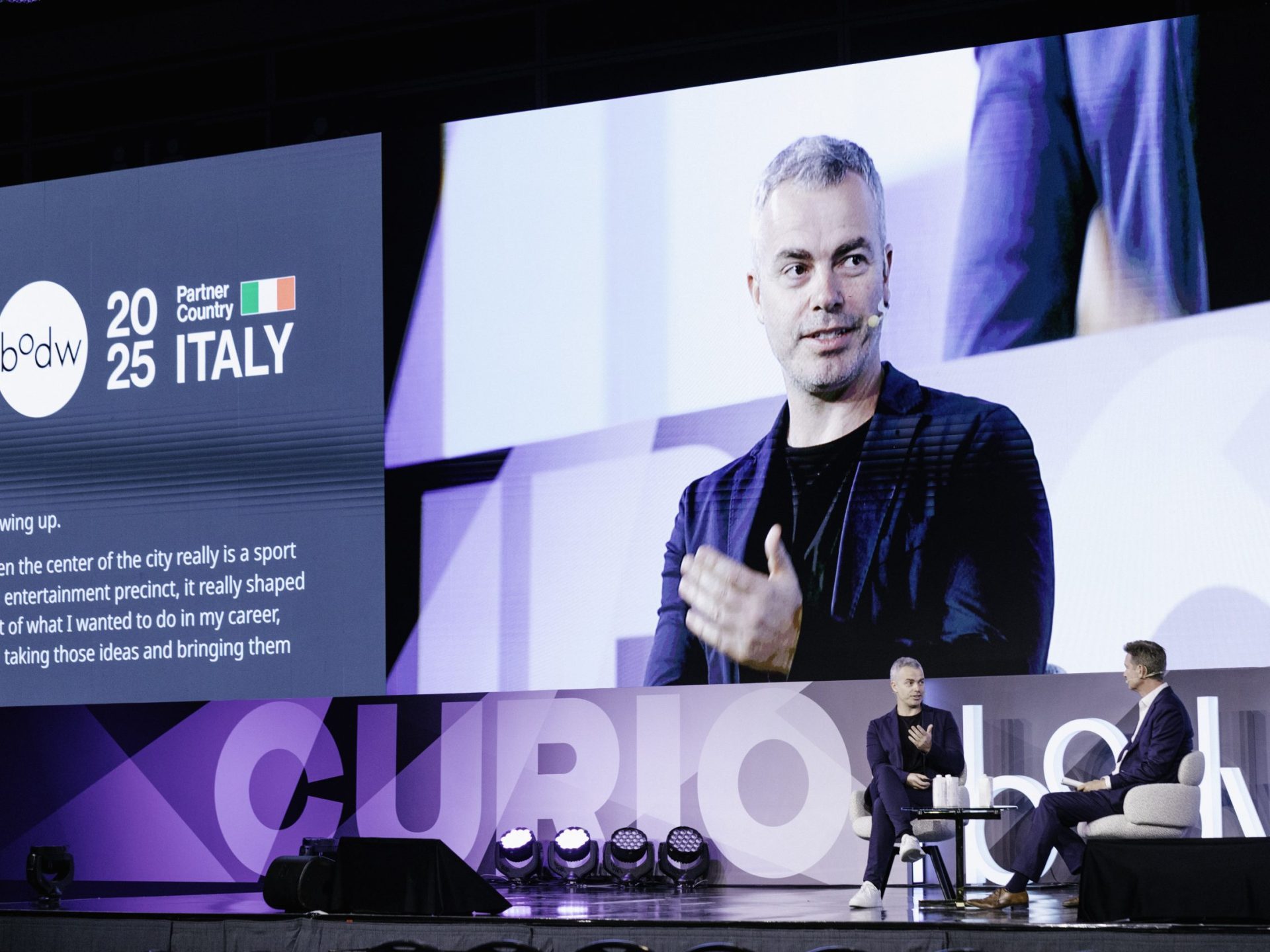
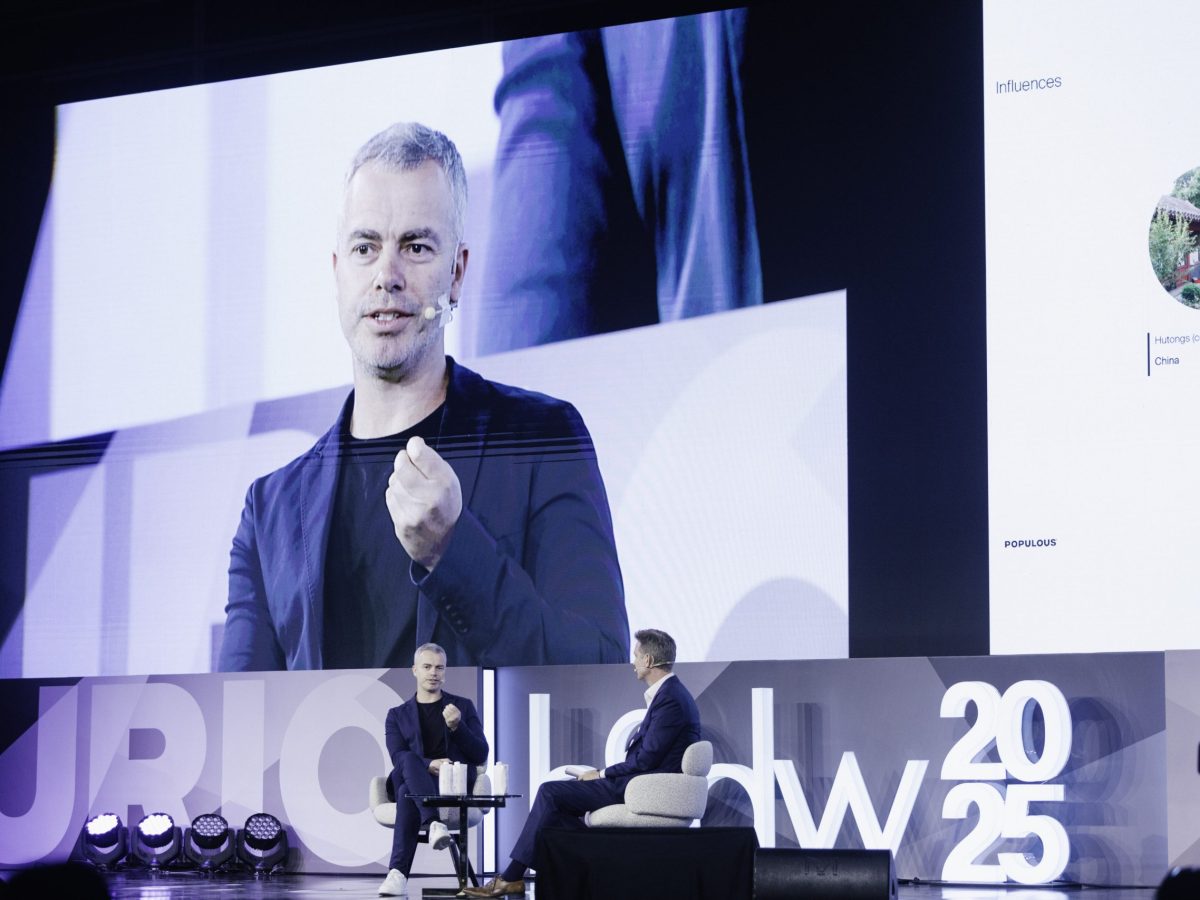
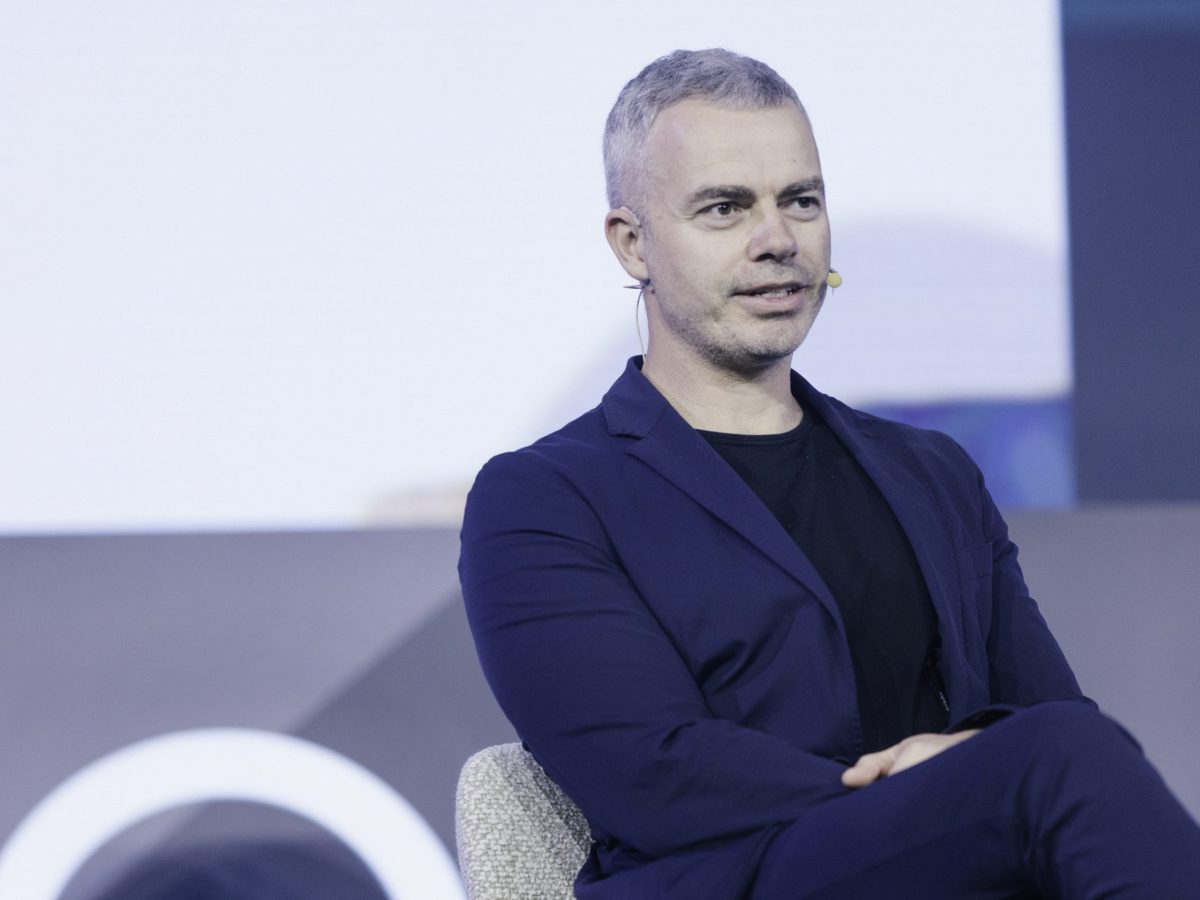
APAC Director and Senior Principal Brett Wightman emphasized this philosophy at Business of Design Week in Hong Kong recently.
Brett descried how the Kai Tak Sports Park precinct was designed for continuous activation, not singular moments. Communities of 100,000 surround Kai Tak and those residents view the area as their community space. They visit for coffee, take their children to sporting activities, attend small events and simply enjoy the waterfront.
This shift in how venues function requires different thinking about operations, logistics and programming. The Populous team worked closely with operators and event teams from the earliest stages of design to ensure that the infrastructure serves multiple purposes simultaneously. A moveable grass pitch allows the main stadium to transform within days from a pristine rugby field to a concert venue with a hard floor and sophisticated climate control. Sound-insulating technology means that major concerts do not disturb neighboring residential areas.
Fortune Brainstorm Design, Macau
The success of Kai Tak Sports Park is playing a part in how Populous approaches sports and entertainment districts elsewhere. In Tokyo, a new National Rugby Stadium began construction recently in the heart of the city. Like Kai Tak, this project prioritizes community engagement and diverse event programming. Unique design features, such as rugby towers positioned on the try line, emerged from the constraint of a tight urban site and allow spectators to watch matches from new vantage points. The project also incorporates a field club and retail spaces, surrounded by mixed-use development supporting the venue financially.
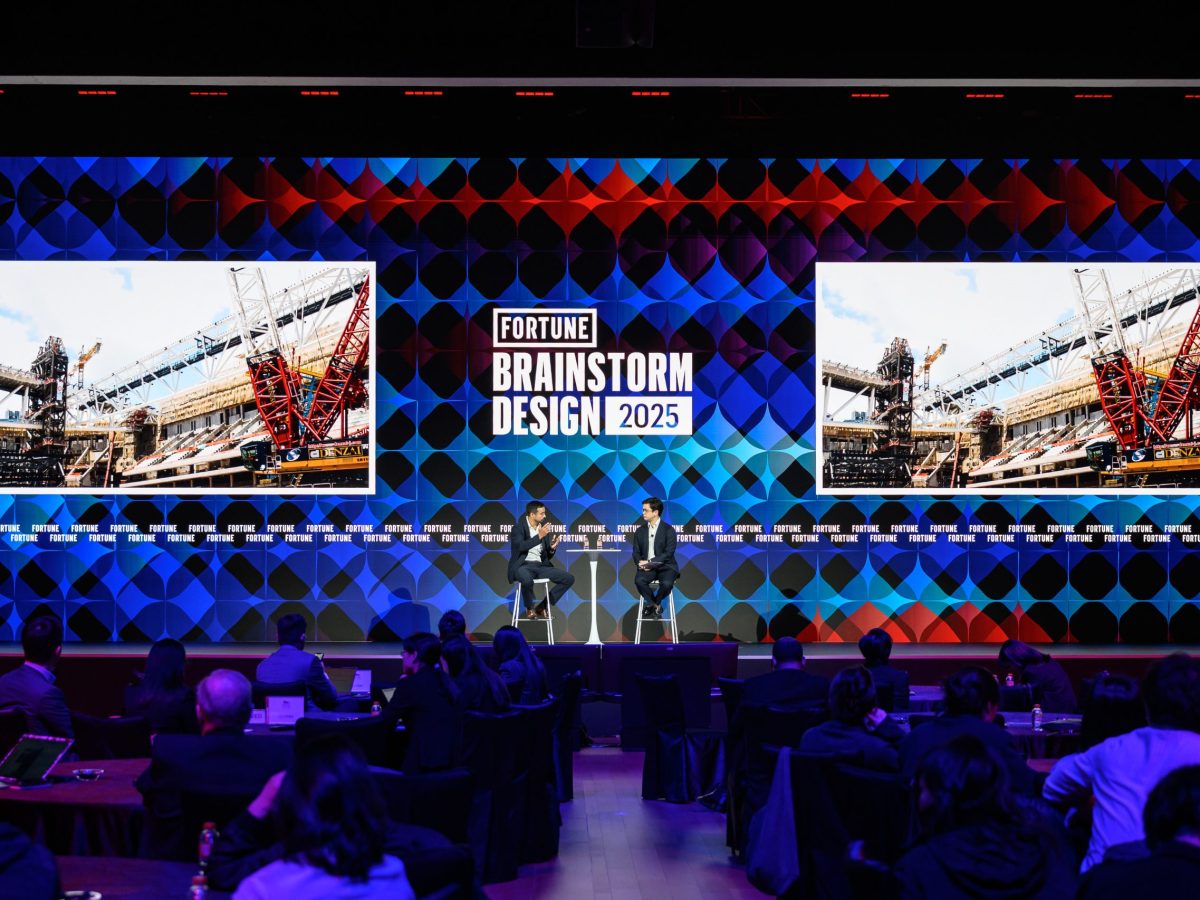
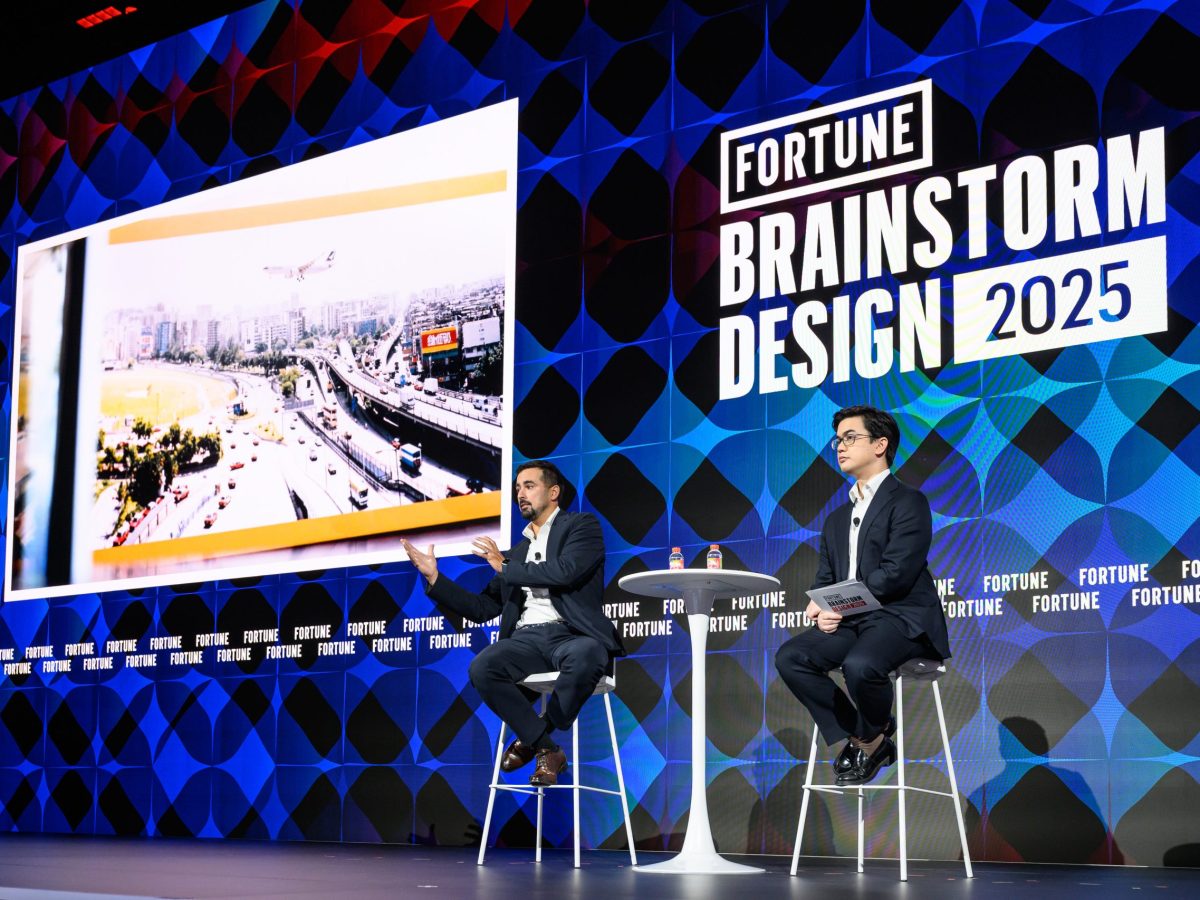
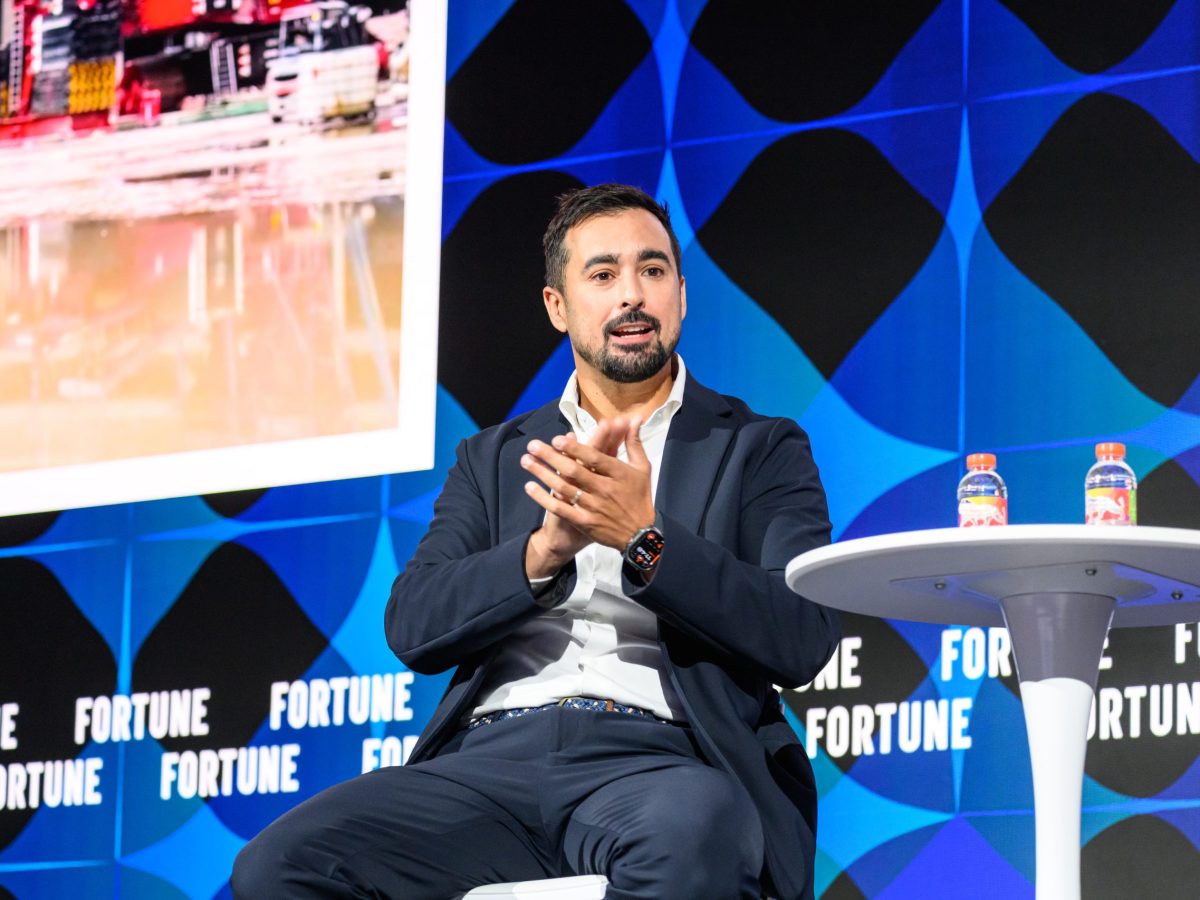
At Fortune’s recent Brainstorm Design event in Macao, Senior Associate | Project Architect Ismael Merchan outlined the thinking behind versatile stadiums. He described how Kai Tak is able to easily switch between drone racing, weddings, eSports events and conferences alongside traditional sports and concerts. The Stadium’s advanced retractable roof serves dual purposes: it controls weather and eliminates sound leakage entirely, allowing amplified entertainment without impacting nearby residents.
Achievements and the year ahead
Developments like Kai Tak Sports Park have shown that sports and entertainment districts can deliver significant public value when they are designed with integration and community use as central priorities.
The goal is to understand every interaction a visitor has with a precinct, from arrival by public transport through ticket purchase, dining, the event experience itself and departure.
The shift from event boxes to urban living rooms is well underway, showing that great sports and entertainment architecture ultimately serves cities and communities.

Lorem ipsum dolor sit amet consectetur, adipisicing elit. Non facere corporis et expedita sit nam amet aut necessitatibus at dolore enim quis impedit eius libero, harum tempore laboriosam dolor cumque.
Lorem, ipsum dolor sit amet consectetur adipisicing elit. Illo temporibus vero veritatis eveniet, placeat dolorem sunt at provident tenetur omnis, dicta exercitationem. Expedita quod aspernatur molestias eum? Totam, incidunt quos.