November 12, 2026
Rise of the Residency: How Changing Touring Models Are Shaping Stadium Design
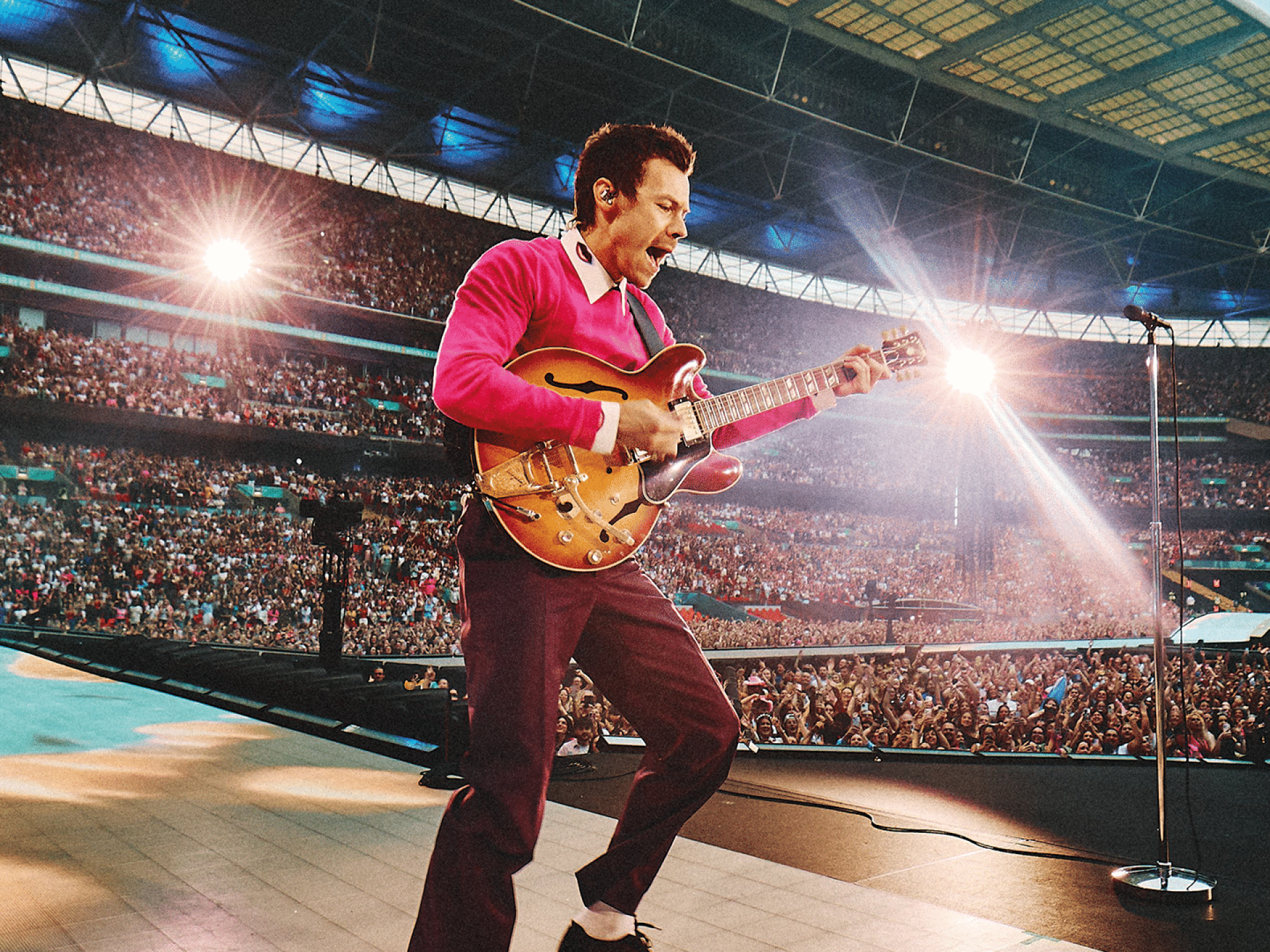
Once upon a time, concert tours operated like travelling medieval troubadours. The singer and the musicians moved from city to city, accompanied by crew, lighting rigs, amplifiers, screens and stage sets, in a convoy of buses, trucks and aircraft. The audience remained where they were while the travelling minstrels came to them.
Nowadays, the world’s largest pop acts are increasingly reversing this arrangement. The show stays put, and the audience does the travelling.
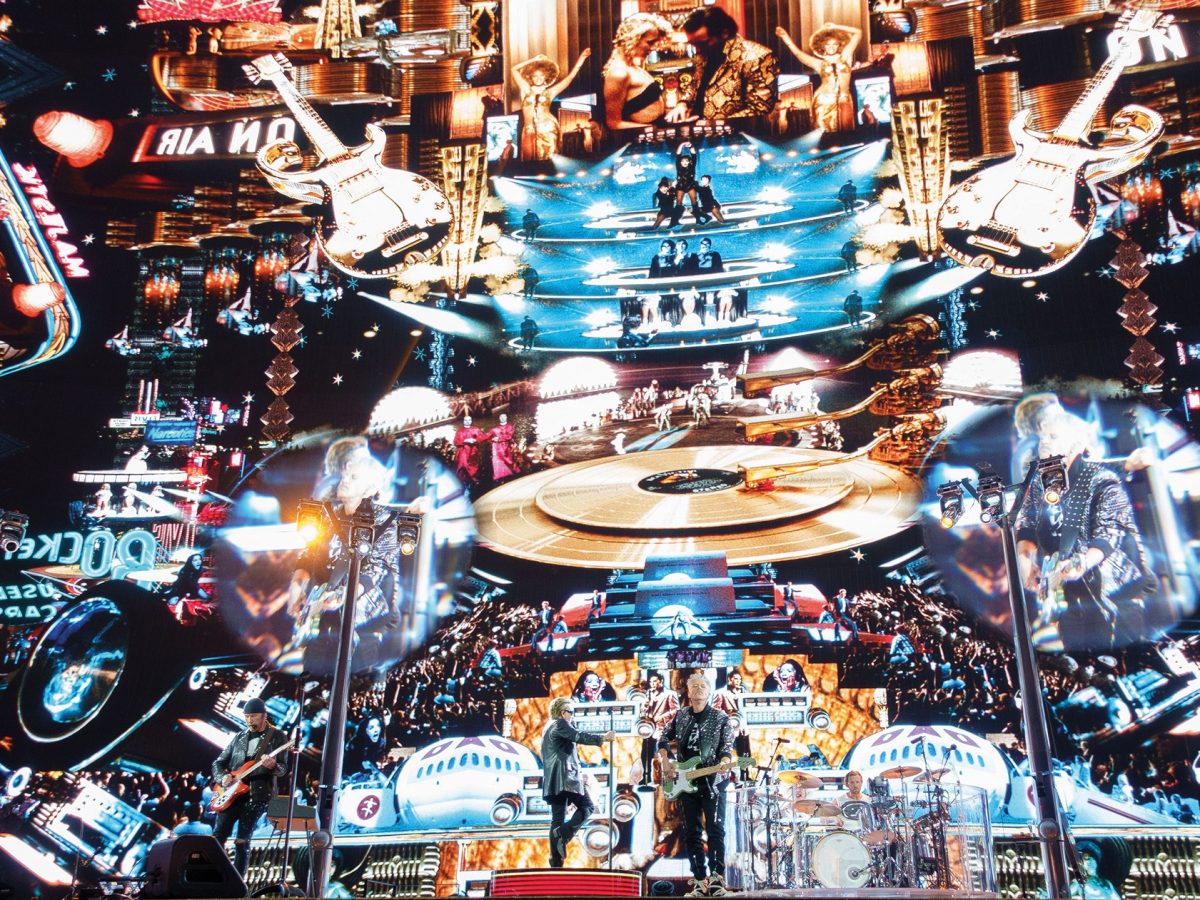
Harry Styles’s 2026 Together, Together tour is an extreme example: 67 shows around the world concentrated in just seven cities, including 12 nights at London’s Wembley Stadium and 30 at New York City’s Madison Square Garden. In 2024, Irish rock band U2 completed a 40-concert residency at the Populous-designed Sphere in Las Vegas. The same year, Adele performed for ten nights in a temporary stadium in Munich, creating what was dubbed “a one-woman music festival”.
When Olivia Rodrigo tours in 2027, 31 of the 46 dates will be at just three massive arenas in London (the O2 Arena), New York City (Barclays Center) and Los Angeles (Intuit Dome). Stadia in the same three cities provided half the shows on Beyoncé’s 32-date Cowboy Carter tour in 2025. Bad Bunny didn’t move at all for his 2025 residency. He called it No Me Quiero Ir de Aquí (I Don’t Want to Leave Here) and pointedly didn’t leave his home island of Puerto Rico, playing all 31 dates at the same arena.
The benefits of residencies
Residencies allow artists to place their entire production infrastructure in a single venue. Instead of rebuilding a show every night in a different city, they sell the same room repeatedly. The appeal is obvious. Modern stadium productions are small travelling cities, employing hundreds and requiring fleets of trucks, catering, security, accommodation and skilled labour. Long engagements allow equipment to remain assembled, saving on fuel, freight, overtime, customs and potential logistical problems.
“Bad Bunny's 2025 residency in San Juan is estimated to have generated more than $200 million for the Puerto Rican economy.”
Las Vegas understood this commercial logic decades ago, proving that a residency sells hotel rooms, meals, drinks and gambling tokens as well as tickets. Pianist and singer Liberace began performing there in the 1940s. Elvis Presley played hundreds of sold-out shows at the International and Hilton hotels between 1969 and 1976. In the 1980s and 1990s, showrooms on the Strip became associated with heritage acts — Cher once described it as “the elephant’s graveyard, where old artists go to die”. However, Céline Dion’s long run at Caesars Palace, beginning in 2003, helped transform the Vegas residency into a prestigious engagement for current stars. Since then, Lady Gaga, Adele, Garth Brooks, Jennifer Lopez, Kelly Clarkson, U2, Katy Perry, Bruno Mars and countless other A-listers have followed suit.
A concentrated residency can create its own narrative, turning gigs into pilgrimages. Fans build short holidays around a date, which benefits the selected cities. British bank Barclays estimated the average attendee at UK venues on Taylor Swift’s The Eras Tour spent £848 ($1,152) on tickets, travel, accommodation, food and merchandise. Bad Bunny’s 2025 residency in San Juan is estimated to have generated more than $200 million for the Puerto Rican economy.
For clubs and venue operators, a residency by one of the world’s biggest artists can represent a significant source of income beyond the sporting calendar. Multiple sold-out nights, each bringing tens of thousands of fans through the doors, can deliver substantial returns across venue hire, hospitality and food and drink. For city authorities, the same concentration of visitors brings valuable trade to hotels, restaurants and local businesses. Attracting these engagements is therefore a commercial ambition that should inform how a venue is designed from the outset.
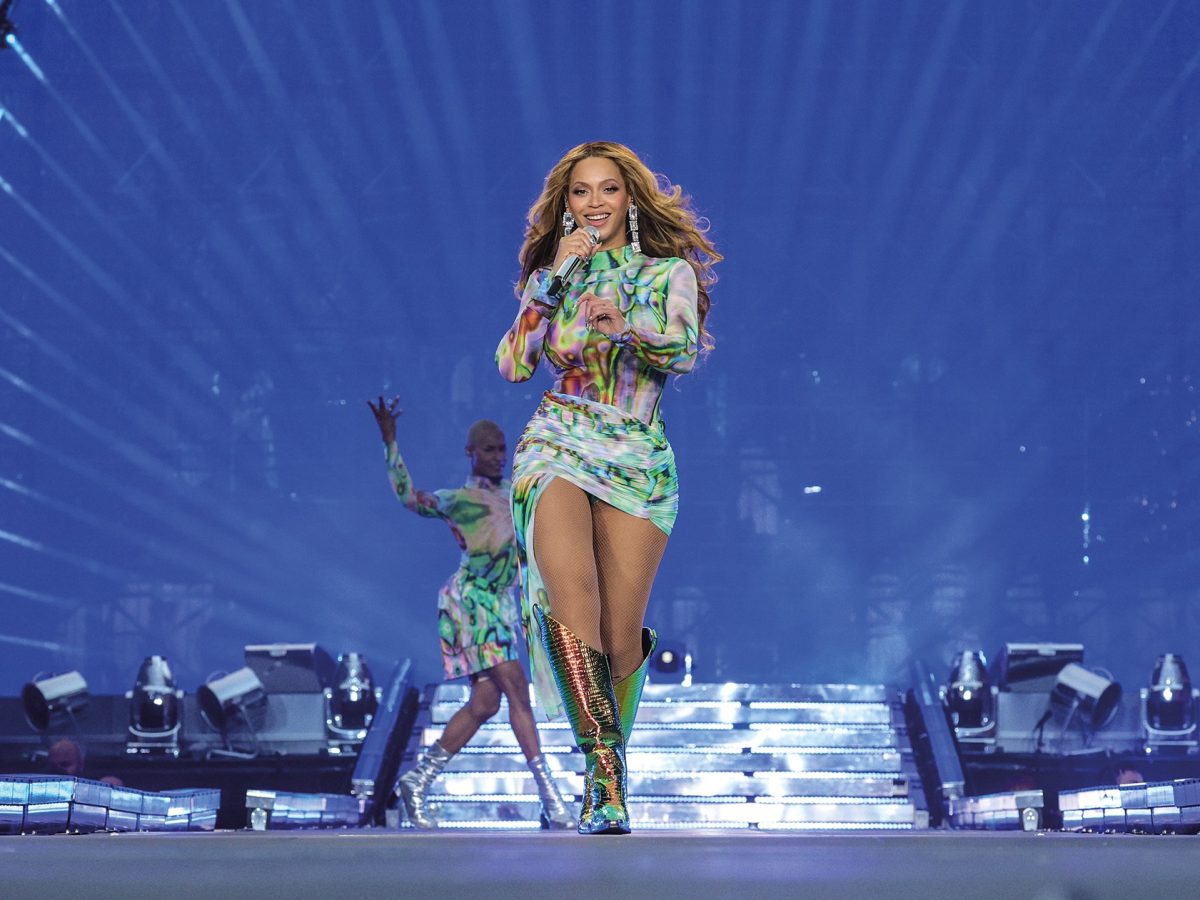
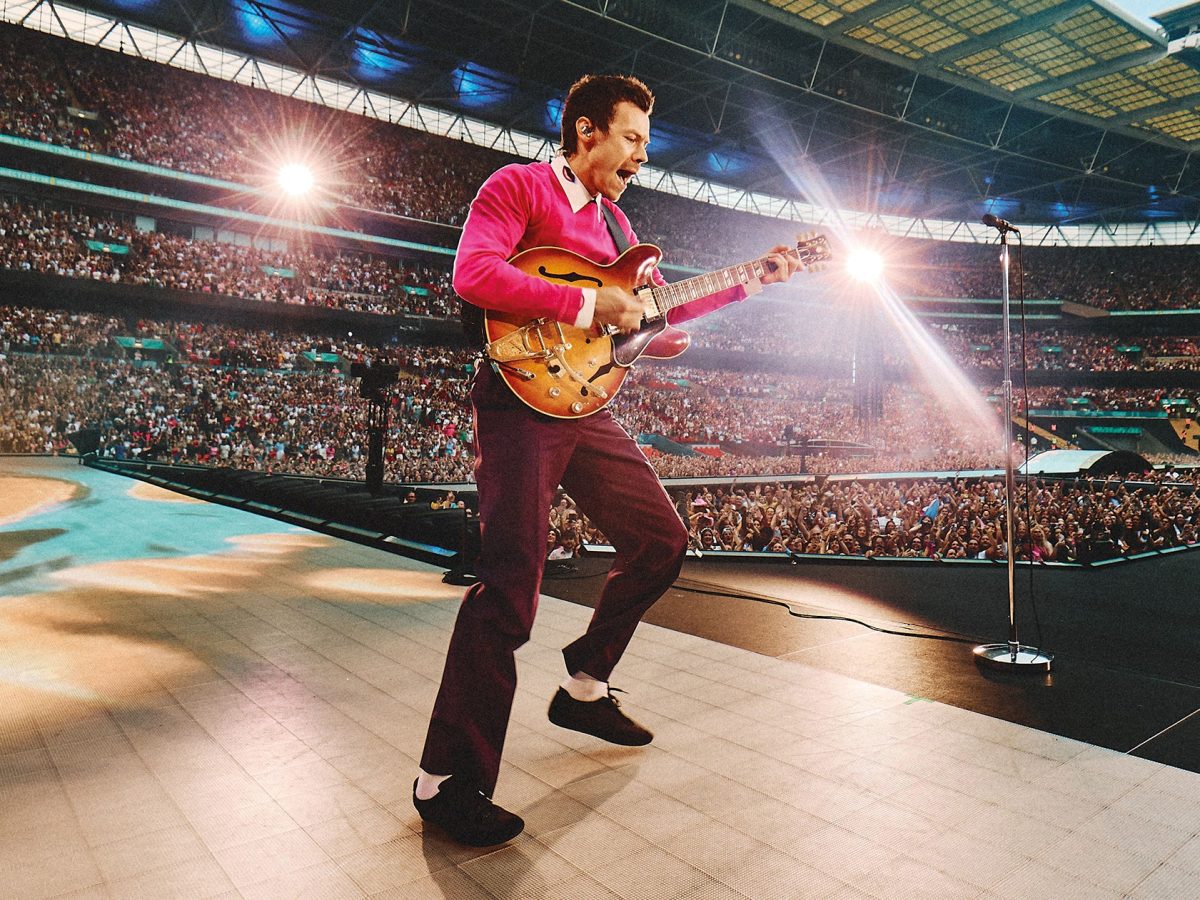
Designed for the show
Securing those engagements takes more than a large seating capacity. Artists need the creative freedom and technical capabilities to deliver a show worth travelling for, while operators need a building that can accommodate demanding productions alongside its regular sporting programme. For Populous, these requirements bring architecture, acoustics, audiovisual design and venue operations into the same conversation from the outset.
The decisions are both creative and practical. Roof structures and rigging positions influence where sound systems, lighting and screens can be suspended. Power and data infrastructure support increasingly complex productions, while loading access, backstage space and the protection of the playing surface affect how efficiently a stadium can move between sport and music. Together, these details help determine which shows a venue can accommodate — and how attractive it is to the teams choosing where to stage them.
Mark Murphy, director and founder of Populous’ Experience Studios, has worked on venues including London’s O2 Arena, Wembley Stadium, London Stadium and Tottenham Hotspur Stadium. He says sound quality has to be considered from the start.
“Our job is all about balancing the overall sound quality. And that's what keeps the musicians and the fans happy.”

“Sound quality drives design from day one,” he says. “And that’s across the entire music spectrum — from amplified rock and pop to all of the urban music styles and electronic dance.”
At stadium scale, delivering that quality consistently is a considerable design challenge. Delay speakers positioned away from the stage help synchronise the sound reaching different parts of the audience. “Some larger venues can be up to 200 metres (650 feet) deep, so that sound takes half a second or more to reach fans,” Murphy explains.
The building itself also affects what the audience hears. Murphy and his colleagues use 3D modelling to study how sound travels through a stadium or arena, including how it decays, echoes and reflects off different surfaces. This allows acoustic considerations to inform the architecture while there is still scope to influence it.
“The shape of the roof, the vast LED video screens, the curve of the seating areas, the fabric used on the seats … these all affect acoustics,” he says. “So, we work with the structural engineers and the cladding designers. Our job is all about balancing the overall sound quality. And that’s what keeps the musicians and the fans happy.”
For a residency, the relationship between building and production becomes particularly valuable. A longer engagement gives an artist’s creative team the opportunity to develop lighting, sound and visual content around the specific capabilities of a space. The venue can become part of the artistic concept, as Sphere demonstrates.
As residencies become more ambitious, a venue’s technical and architectural capabilities become part of its appeal to artists. For clubs, operators and city authorities, investing in those capabilities can help secure the shows that fill seats, hospitality suites and hotel rooms over successive nights. For designers, the challenge is to create venues whose possibilities are compelling enough to make the world’s biggest acts want to stay.

Lorem ipsum dolor sit amet consectetur, adipisicing elit. Non facere corporis et expedita sit nam amet aut necessitatibus at dolore enim quis impedit eius libero, harum tempore laboriosam dolor cumque.
Lorem, ipsum dolor sit amet consectetur adipisicing elit. Illo temporibus vero veritatis eveniet, placeat dolorem sunt at provident tenetur omnis, dicta exercitationem. Expedita quod aspernatur molestias eum? Totam, incidunt quos.