June 2, 2026
Sustainability at Heart of Plans to Reinvigorate Historic King Fahad Sports City Stadium in Saudi Arabia
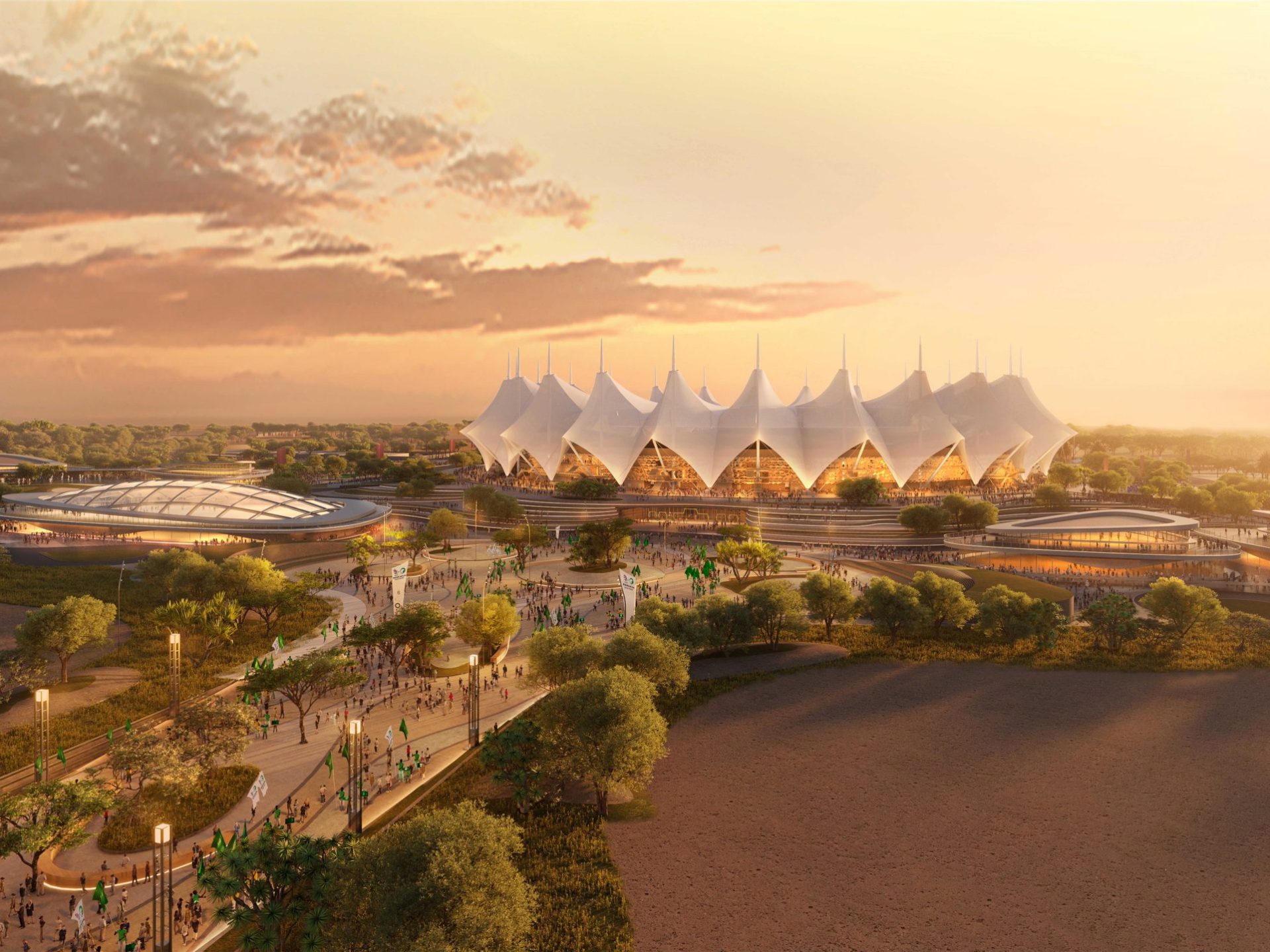
In 2034, as the global football community converges on Saudi Arabia for the FIFA World Cup, attention will focus on the nation’s impressive stock of world-class stadiums.
This collection will feature newly built venues to support Saudi Arabia’s long-term sports infrastructure goals, alongside renovated stadiums to meet a growing regional demand for facilities that meet international standards for elite tournaments.
One of the most significant renovations will be that of King Fahad Sports City Stadium, a historic venue that opened in 1987. As the first large-scale stadium in the region, it became a national icon and regional landmark. Home to Saudi Arabia’s national football team, the stadium has a rich history of hosting major regional sporting and entertainment events. It has staged prominent football tournaments, including the Arabian Gulf Cup, the FIFA Confederations Cup, the Asian Club Championship Championships and the AFC Champions League Final, as well as world title boxing matches, motorsports and concerts by artists such as BTS. It will serve as the centrepiece for the 2027 AFC Asian Cup.
“There is no one-size-fits-all solution to sustainable design — each project is unique and requires a tailored approach. The King Fahad Sports City Stadium showcases how design strategies, materials, technologies and construction methods all play a role.”
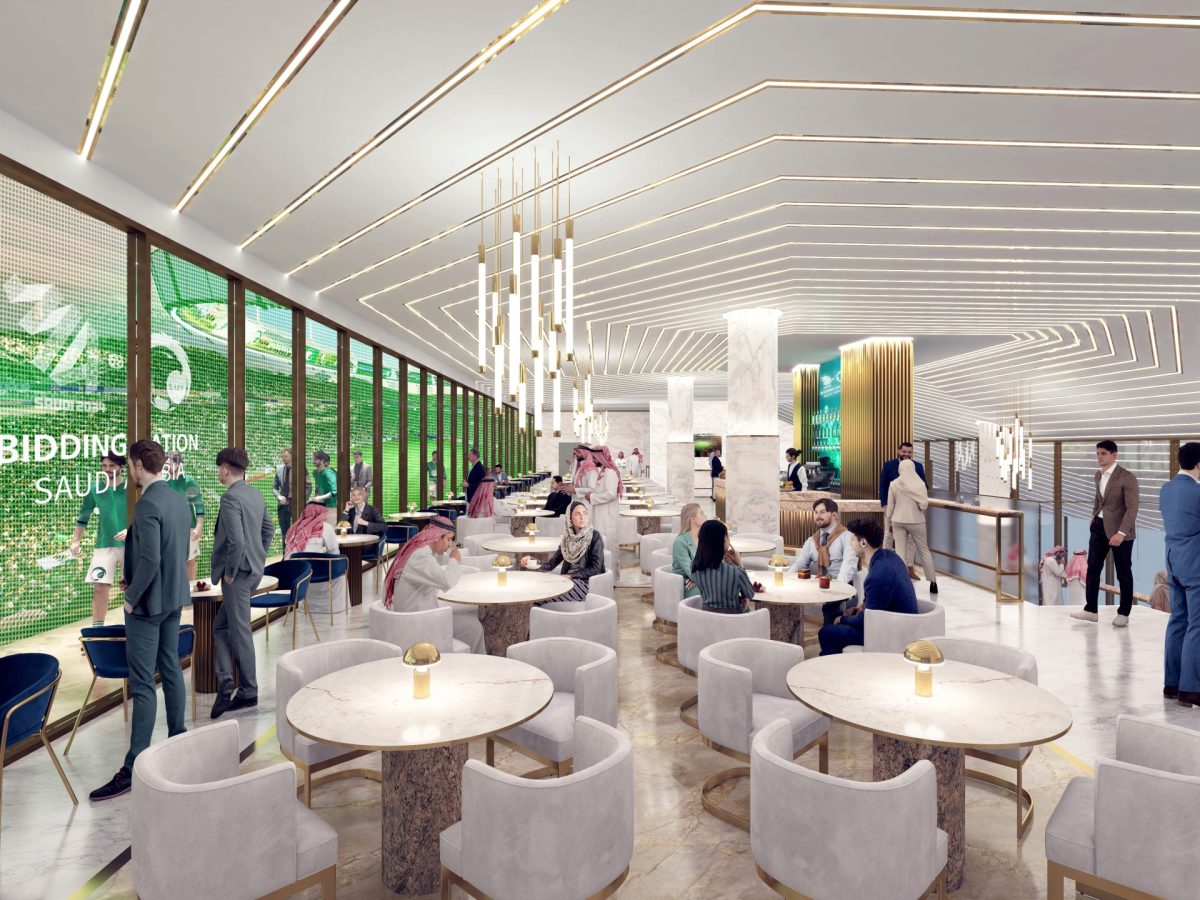
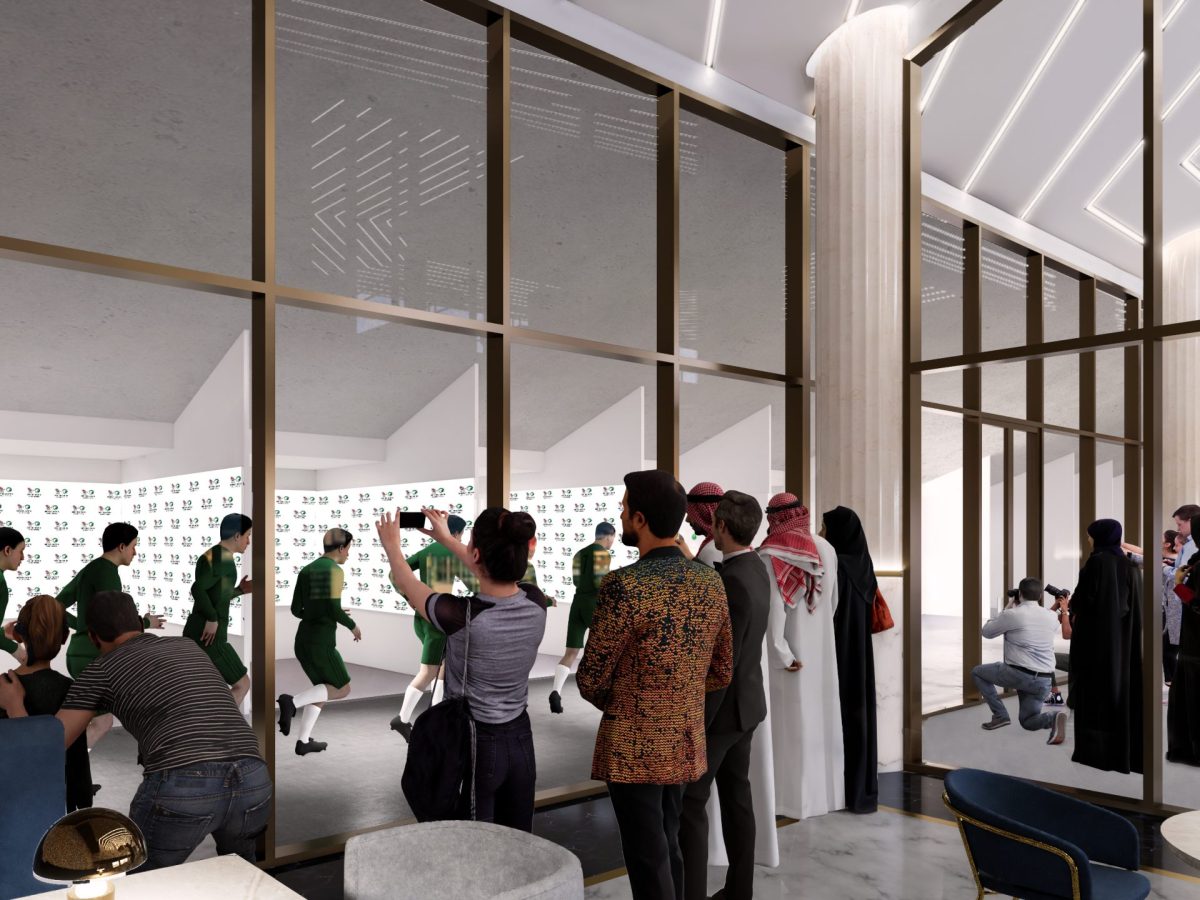
Working closely with the Saudi Ministry of Sports, the renovation project will not only expand the stadium’s capacity and enhance operational sustainability but also improve both operational and spectator facilities, while delivering a major new mixed-use masterplan for the surrounding community. The design approach is rooted in environmental and socioeconomic principles, aiming to preserve, restore and reuse existing building elements, while creating new amenities that enrich the urban fabric.
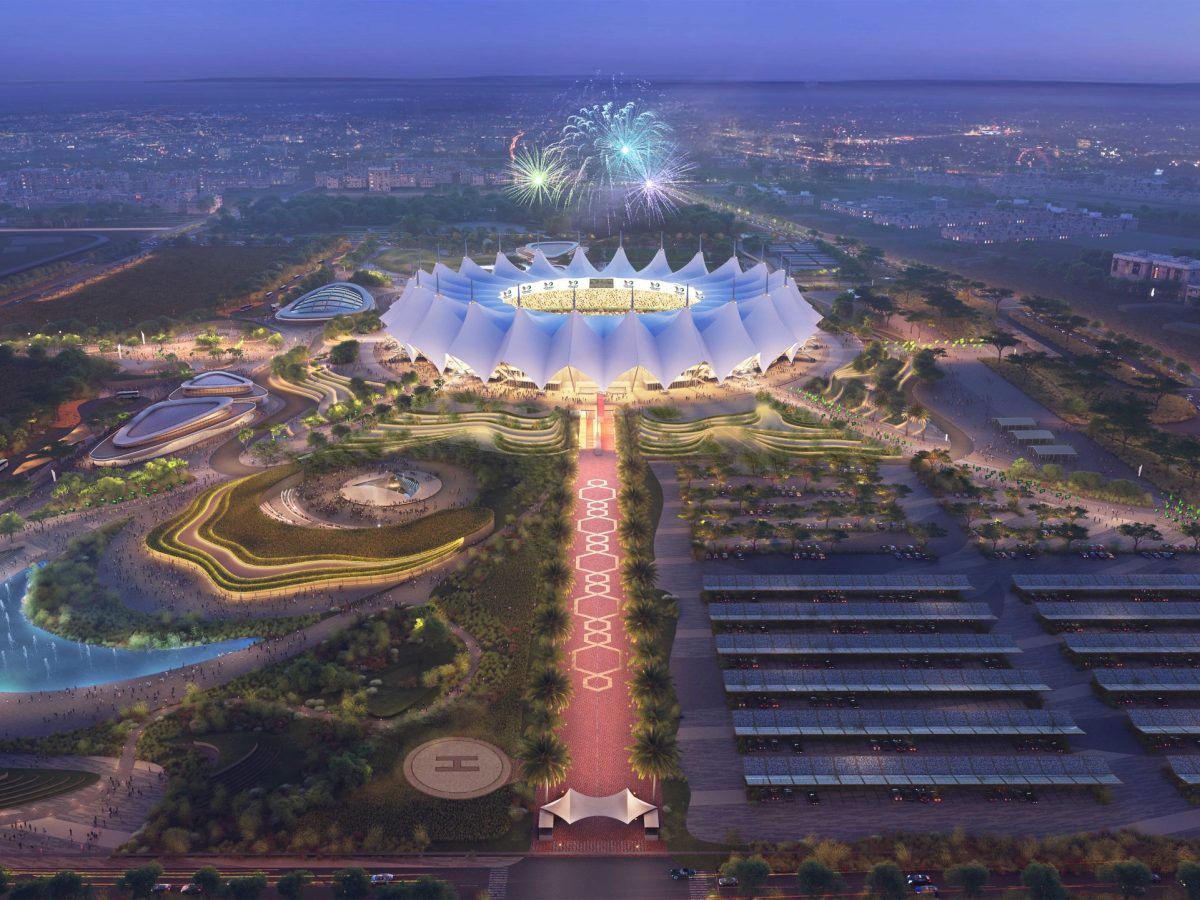
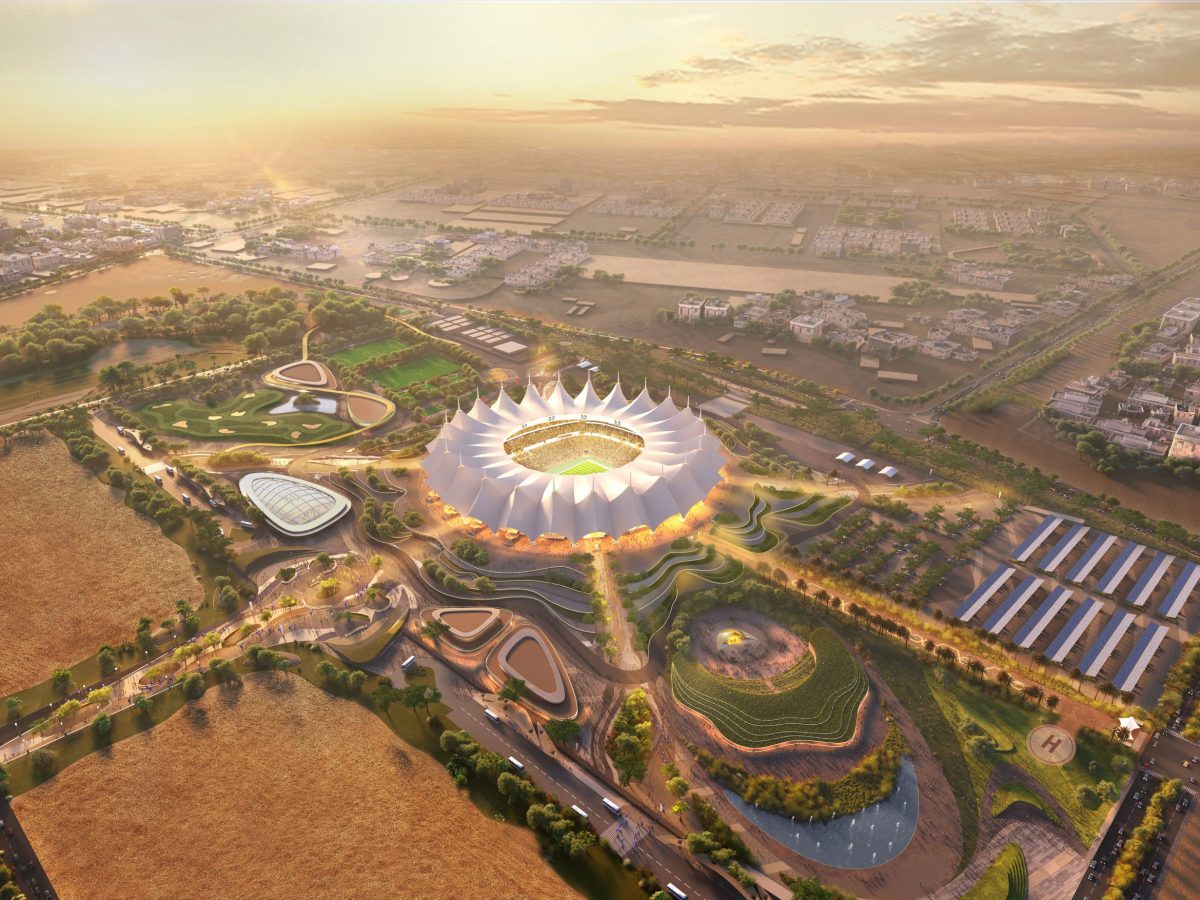
The stadium’s original roof canopy had reached the end of its useful life and lacked the strength to support the extensive audiovisual rigging required for modern concerts. Rather than discarding the structural masts and cables, they have been reused on-site to form new photovoltaic shading structures over the parking areas — providing enough power to meet all of the stadium’s non-event energy needs, including those of the on-site car charging stations.
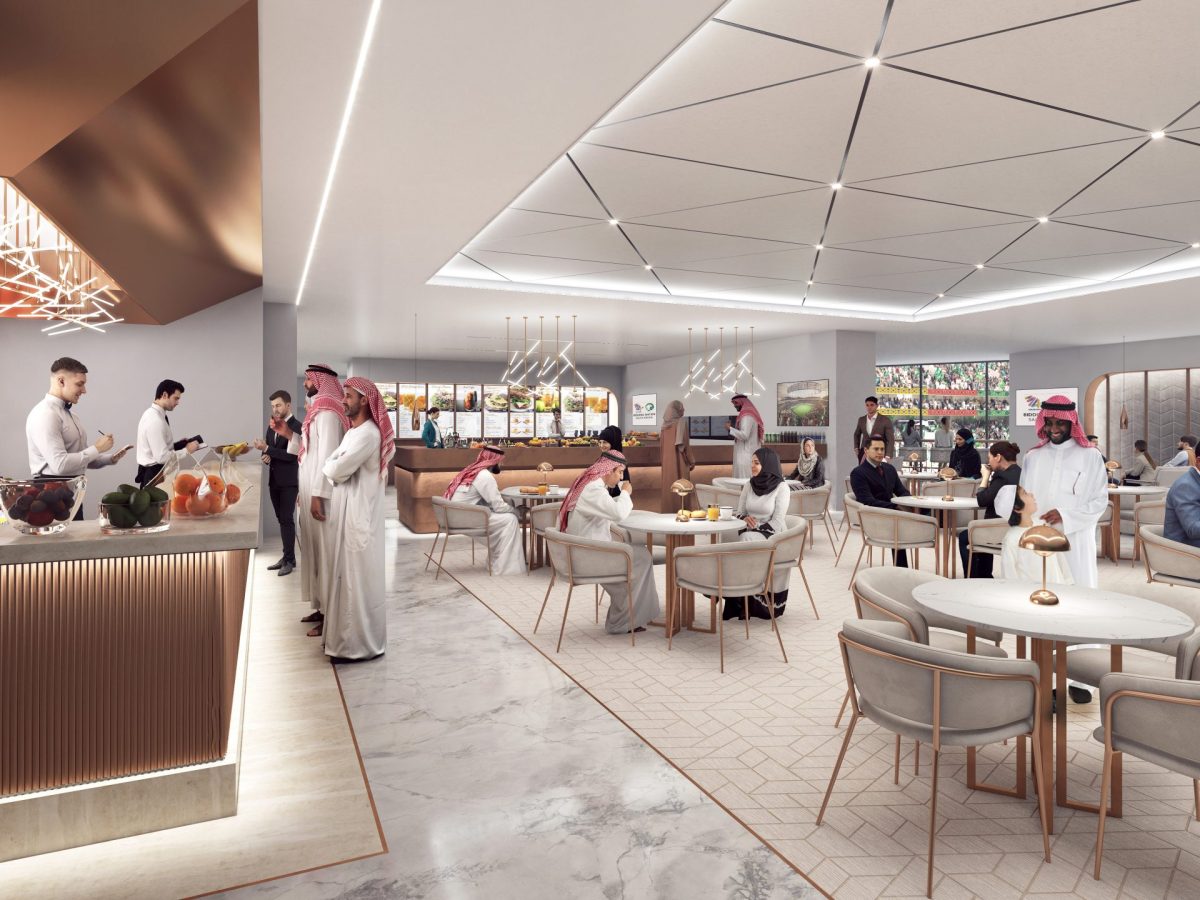
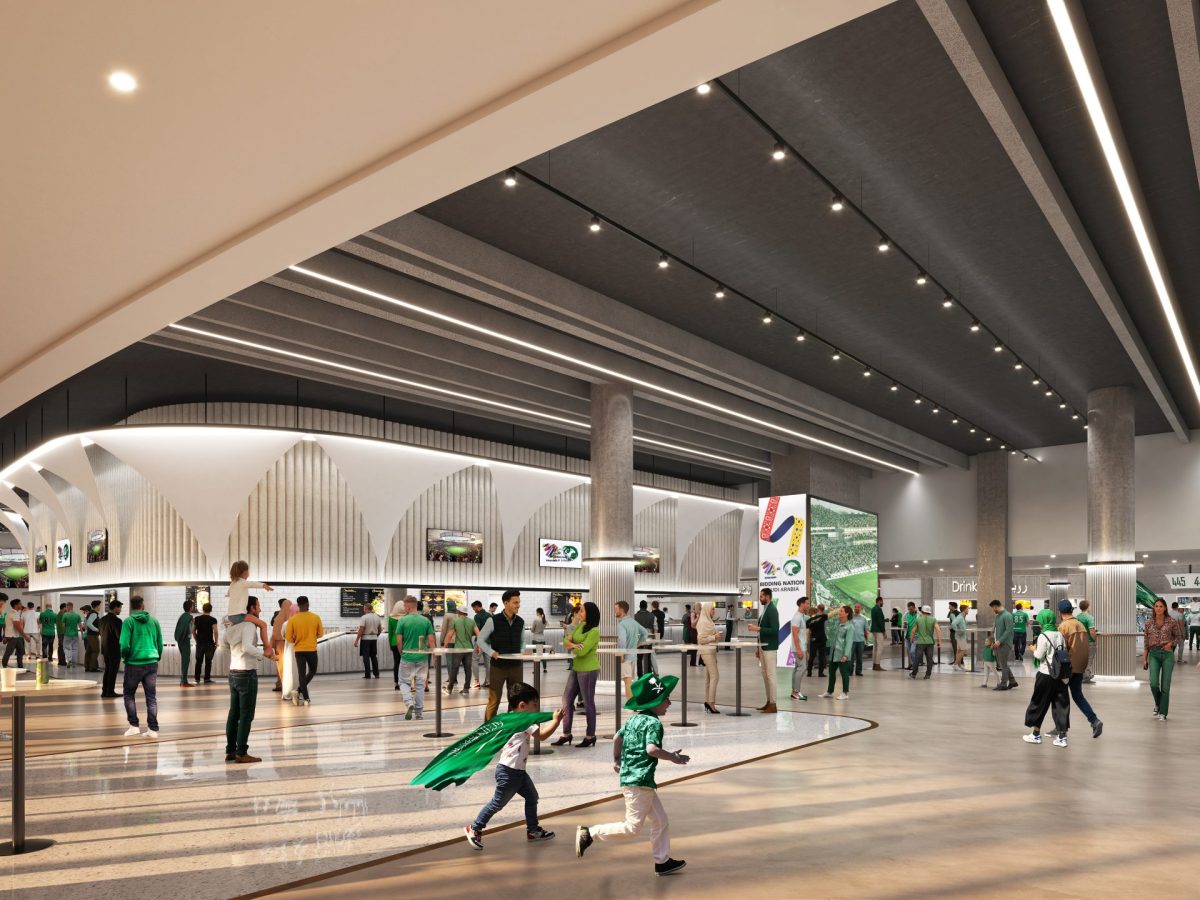
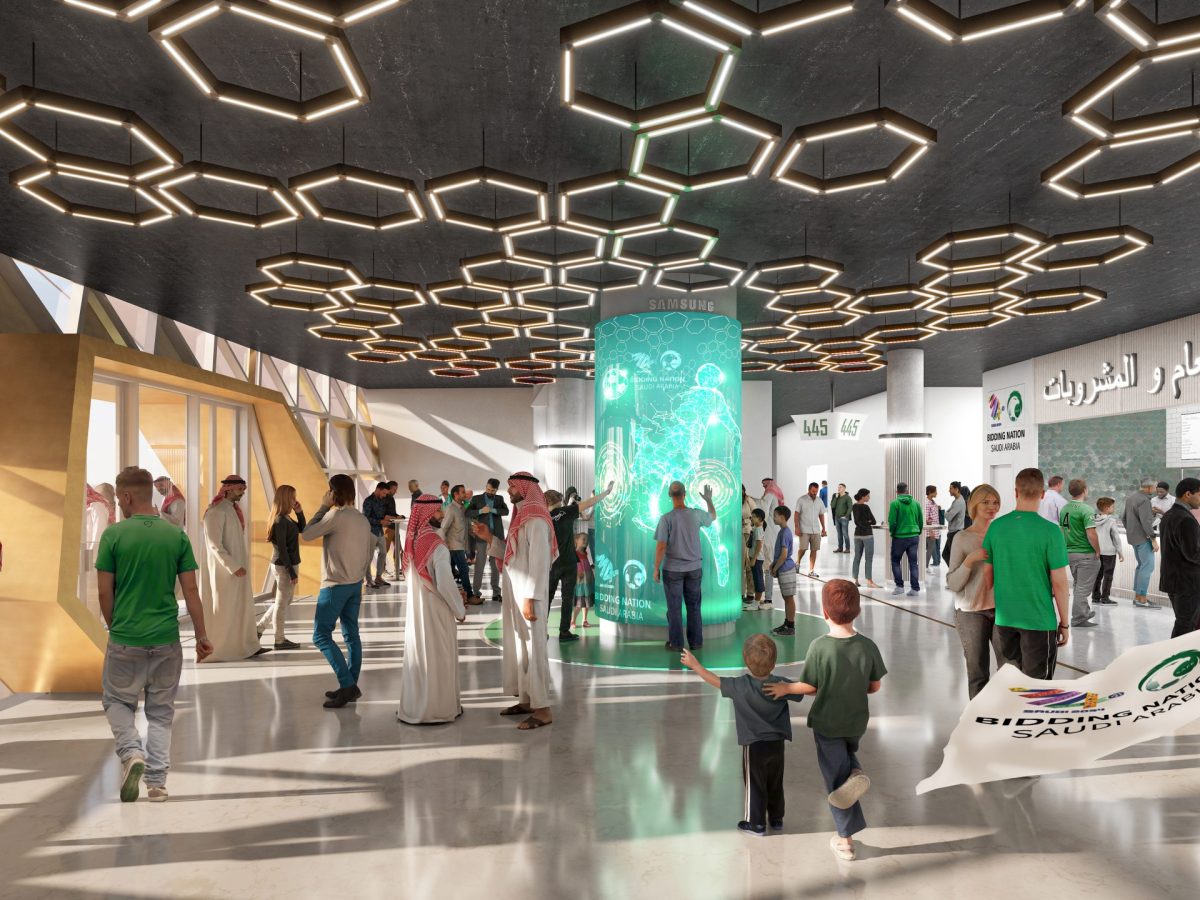
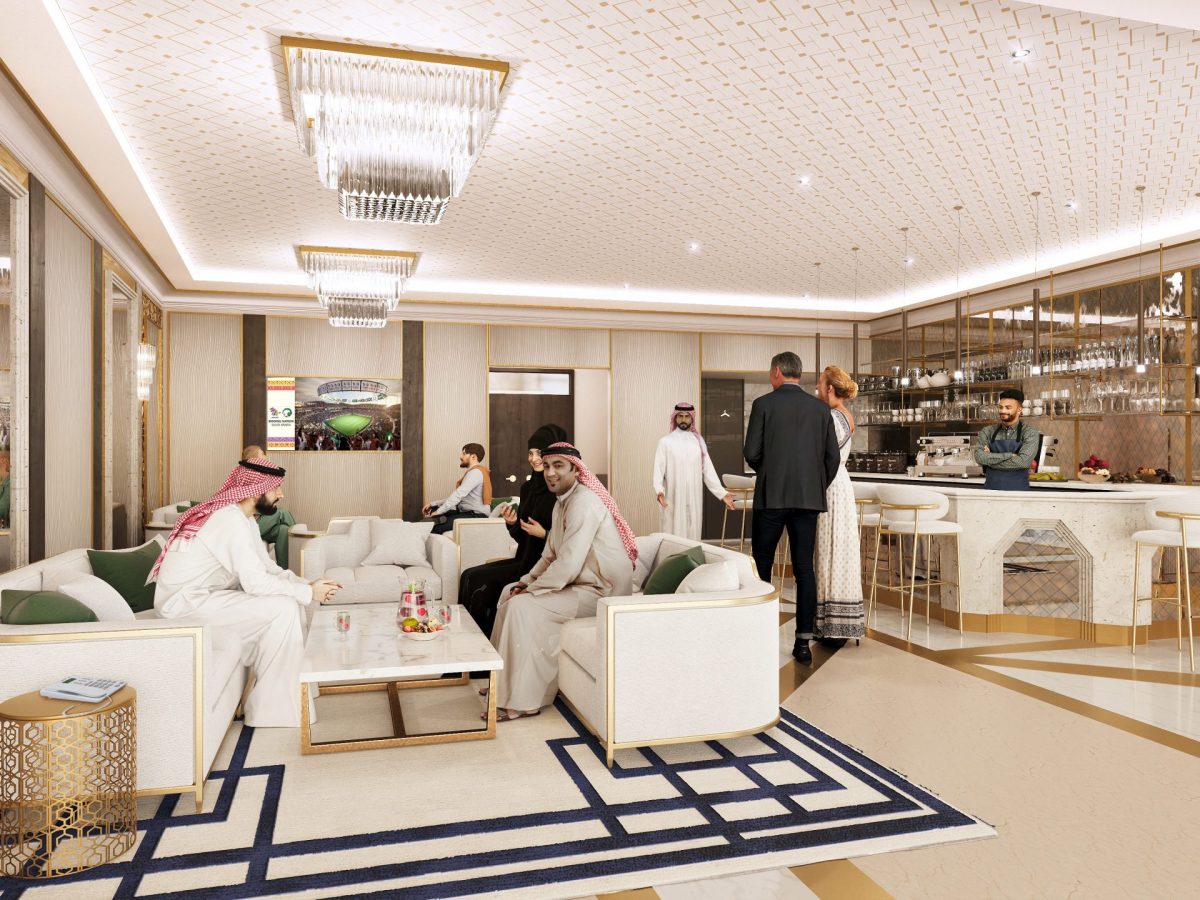
The stadium’s existing East Stand will be retained and renovated, along with the facilities beneath it. On the west side, the stadium’s iconic ‘Hive’ structure will be retained together areas for members of the royal family, maintaining the look and feel of this section of the stadium bowl. These upgrades are essential to meet modern standards and to provide the necessary media and operational facilities for international tournament football and major entertainment events.
To increase the stadium’s capacity, a new lower tier is being created by excavating 10 meters into the ground. Instead of being trucked off-site, the excavated soil will be repurposed to shape a new landscaped facilities and training sites surrounding the stadium, featuring a range of amenities that will transform the area into a vibrant destination for both match days and everyday use.
The park will include a football academy, sports centre, amphitheatre, fan zone, five-a-side football pitches and a footgolf course, along with commercial areas. Over 400 existing trees surrounding the stadium will be carefully relocated during construction and replanted in the new park.
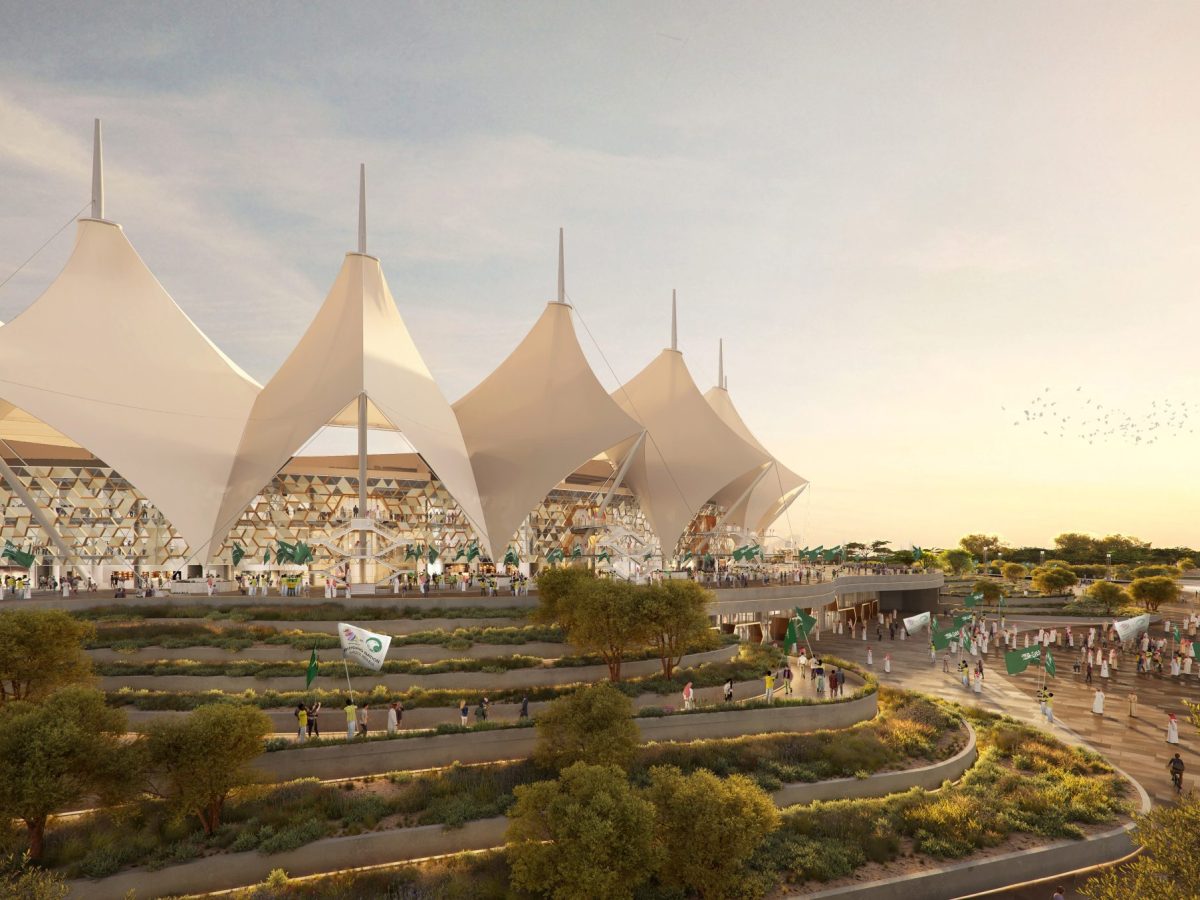
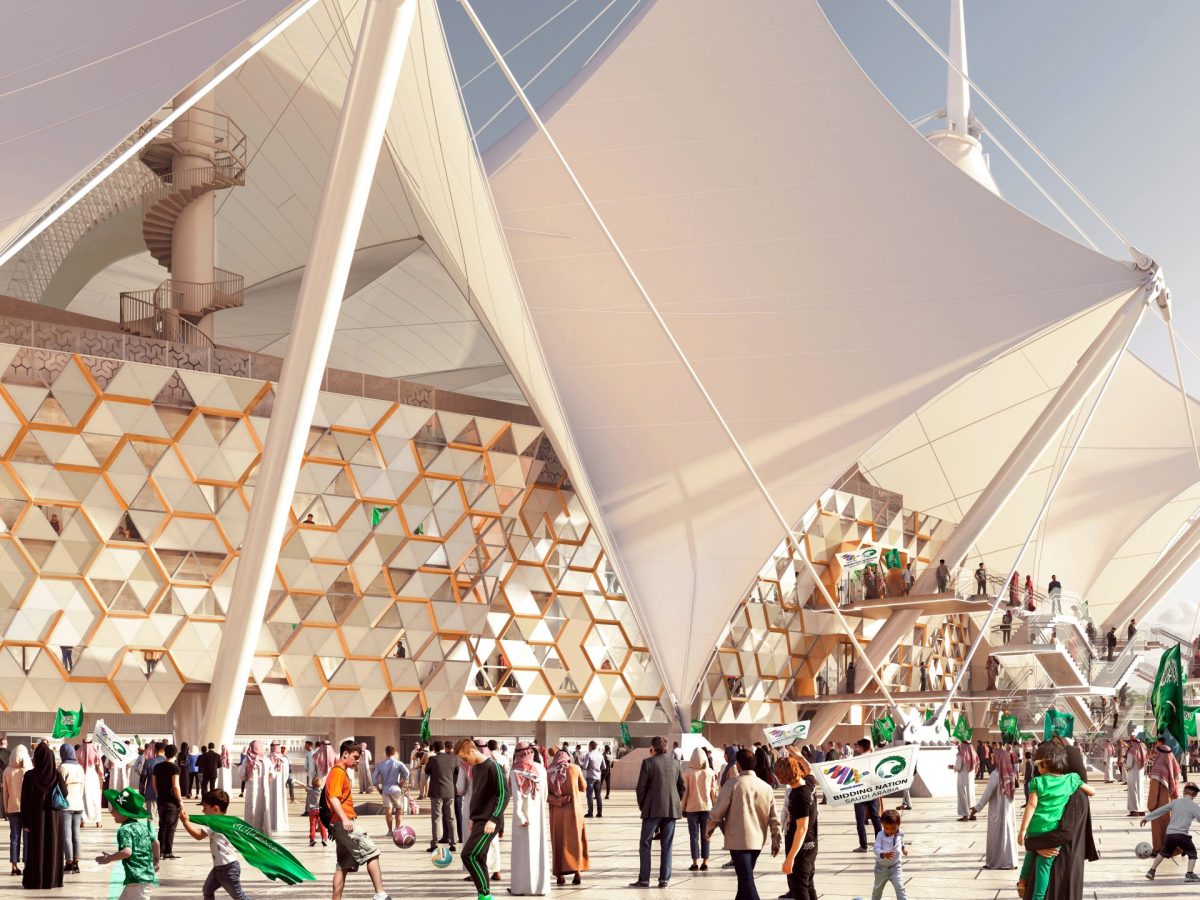
The distinctive hexagonal cladding that once wrapped the stadium’s ramps and podium will be repurposed for the new landscape terraces within the park and used to clad a new on-site energy centre and substation.
During construction, the seats, sanitary fittings and lampposts from the original venue are being carefully removed and repurposed for other community initiatives.
To preserve the heritage and iconic silhouette of the stadium as a landmark on Riyadh’s skyline, a new system of structural masts will be installed. These will be capable of supporting the full load-bearing requirements of modern entertainment events. A new cable-net roof canopy will also be introduced, measuring 36,000 m², continuing to provide natural shade for spectators in the seating bowls and across the surrounding podium.
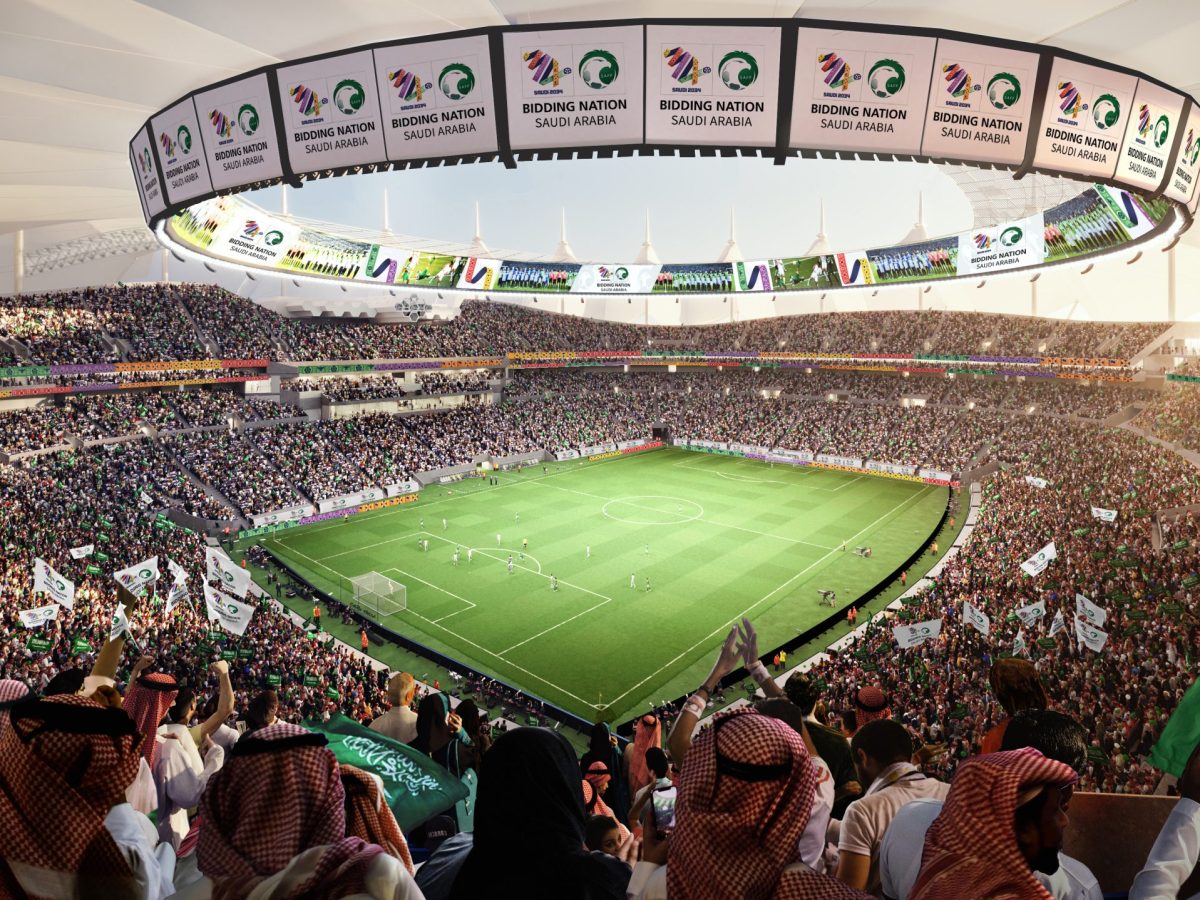
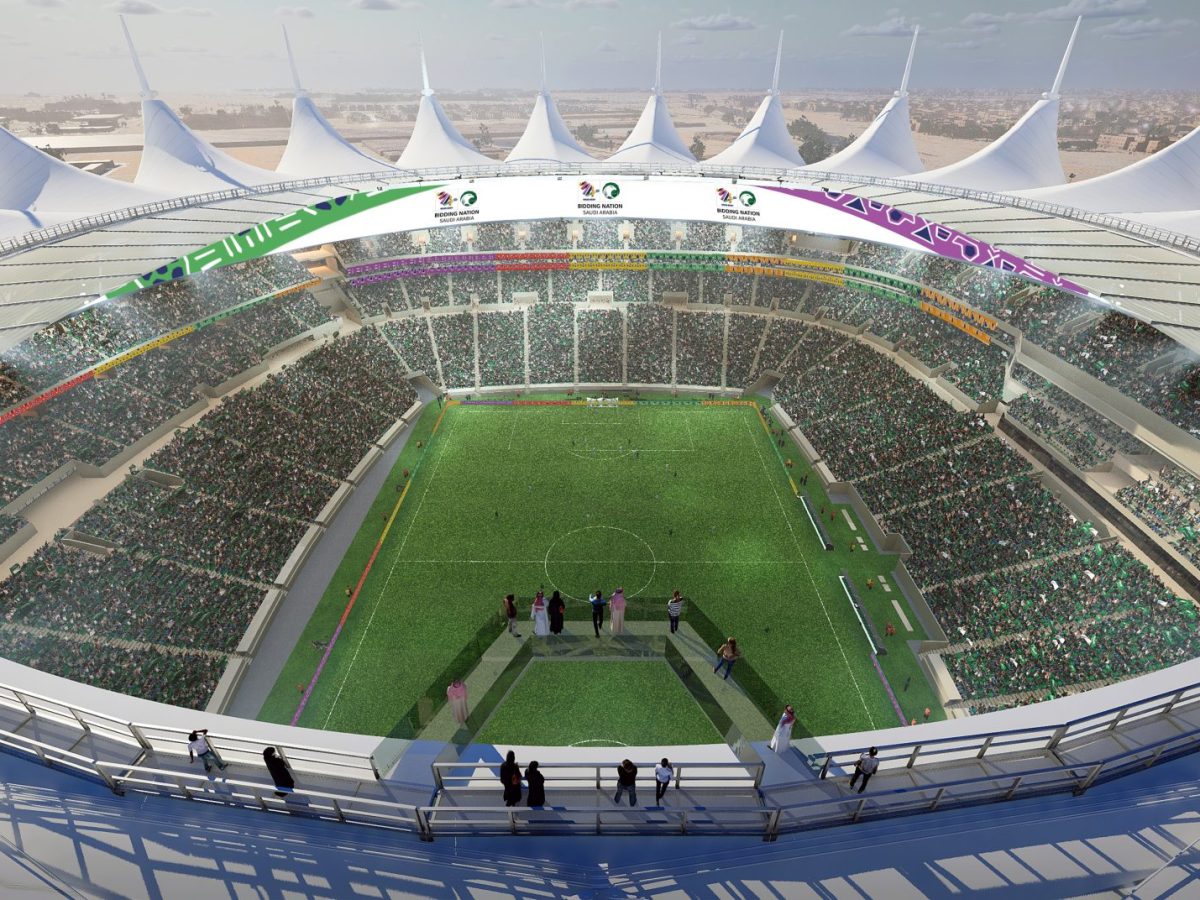
Inside the stadium, fans will also benefit from a new displacement cooling strategy developed by Populous’ sustainability division to enhance spectator comfort.
Following in-depth climatic studies on thermal heat build-up in the concrete seating bowl, the team has developed a system to reduce residual heat. A series of semi-automatic deployable terrace covers will be installed to reflect sunlight and prevent heat absorption during the day. This solution has been shown to lower the temperature of the concrete by up to 8 degrees Celsius. As a result, when the covers are retracted for match time, there is significantly less radiant heat — enhancing fan comfort and easing the demand on the stadium’s climate control systems.
Shireen Hamdan, Global Director and General Manager of Populous KSA, commented: “There is no one-size-fits-all solution to sustainable design — each project is unique and requires a tailored approach. The King Fahad Sports City Stadium showcases how design strategies, materials, technologies and construction methods all play a role. This project not only brings a beloved venue into the 21st century, but does so in a way that minimises environmental impact while preserving the stadium’s legacy for future generations of Saudi spectators to create unforgettable memories.”

Lorem ipsum dolor sit amet consectetur, adipisicing elit. Non facere corporis et expedita sit nam amet aut necessitatibus at dolore enim quis impedit eius libero, harum tempore laboriosam dolor cumque.
Lorem, ipsum dolor sit amet consectetur adipisicing elit. Illo temporibus vero veritatis eveniet, placeat dolorem sunt at provident tenetur omnis, dicta exercitationem. Expedita quod aspernatur molestias eum? Totam, incidunt quos.