April 8, 2026
The Architecture of Equity at the Huber Center
Written by

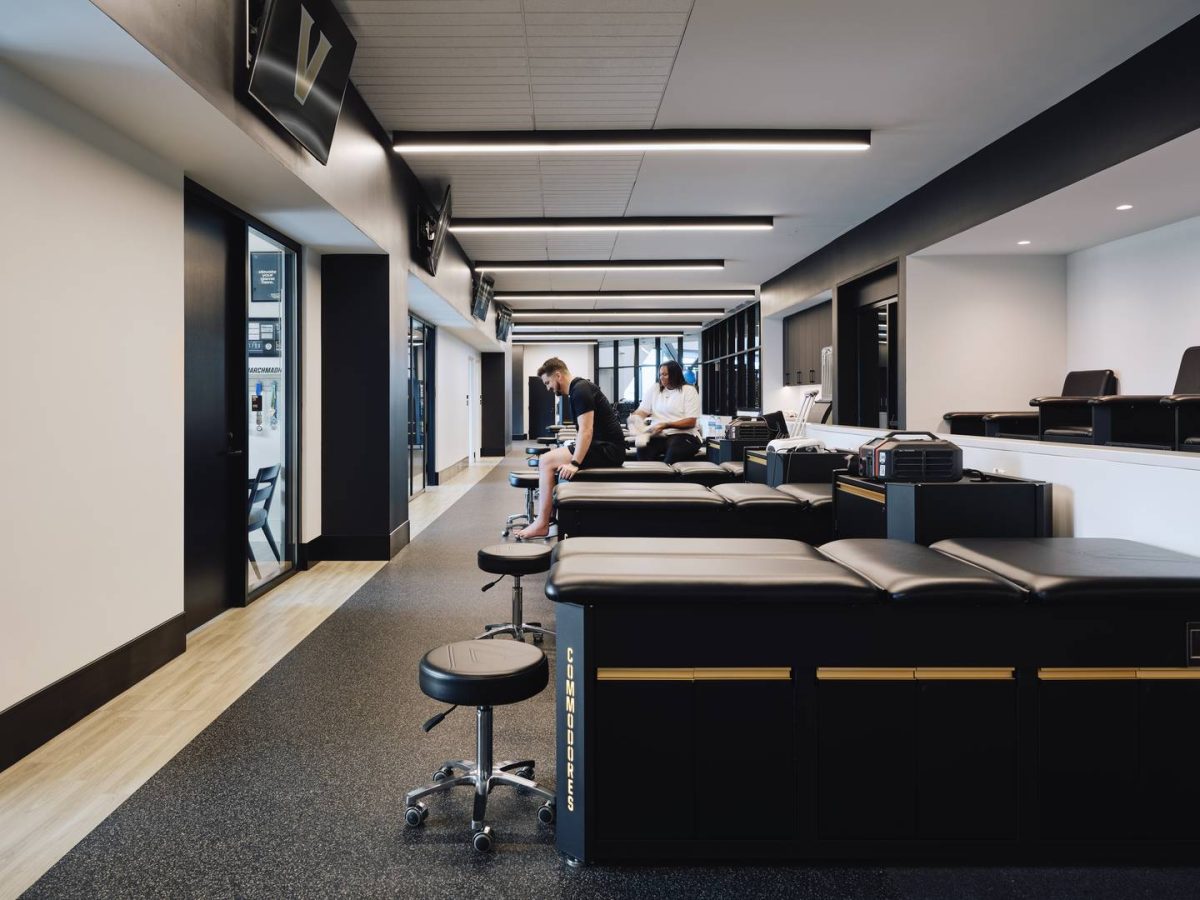
We began with structural parity. Both programs’ team spaces received identical square footage. Shared amenities — weight training, sports medicine, recovery — are located on a central level sandwiched between the two teams, allowing each team to move up or down a single level to access them. Parity established a fairness in access, but equity shaped what came next.
Through conversations with both programs, it became clear that sameness would not serve them. The women’s program described a culture rooted in openness and family. They were looking for transparency and connection, asking for a head coach’s office overlooking the court, lounges that unfold into film space and shared sightlines reinforcing togetherness. The men’s program prioritized focus. They asked for a coaching suite that is more inward and an enclosed and distraction-free film room. Their head coach chose to overlook the football field rather than the practice floor.

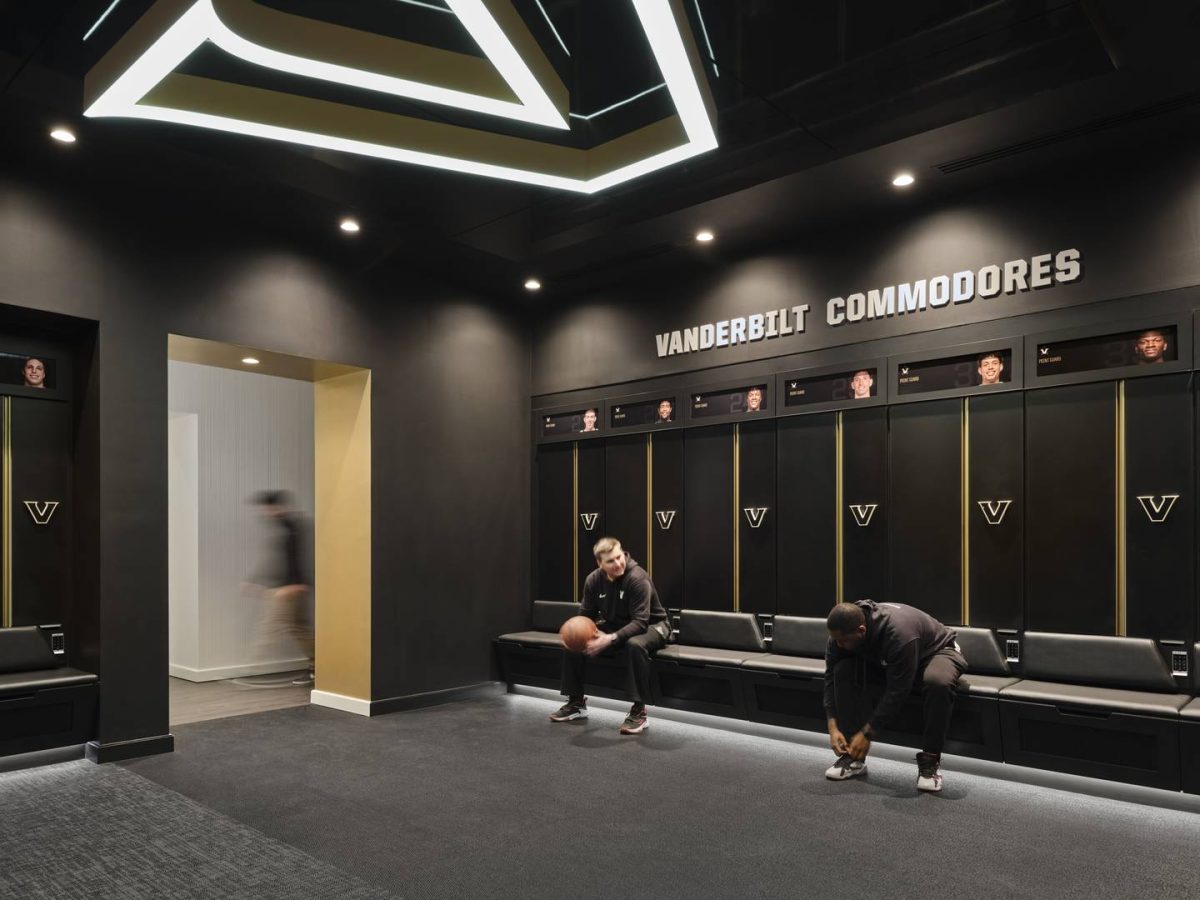

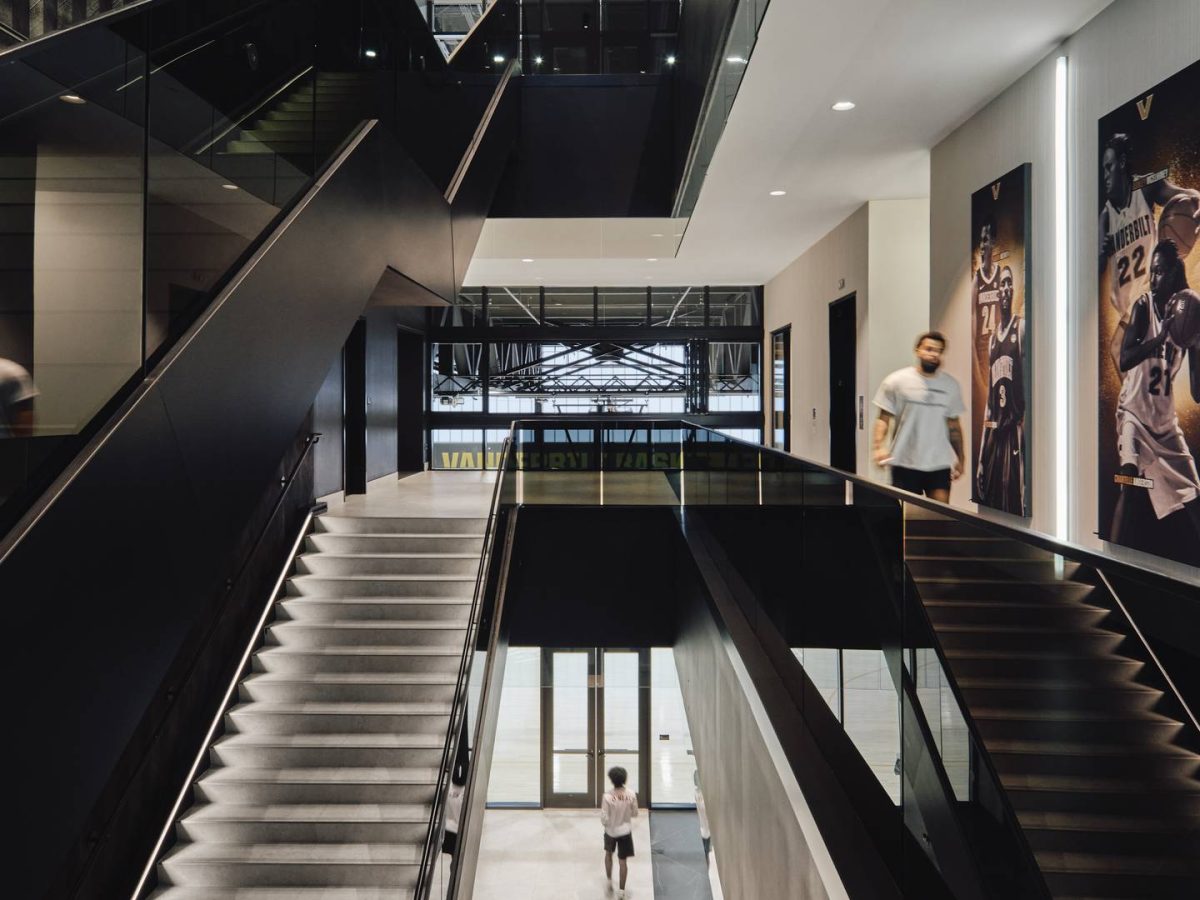
Designing for equity meant listening carefully enough to understand those differences and being disciplined enough to honor them through design. It also meant making decisions that looked unconventional on paper. In a conventional facility, weight rooms and hydrotherapy spaces typically sit at grade for cost and structural simplicity. At the Huber Center, we elevated them to ensure both programs had equal access.
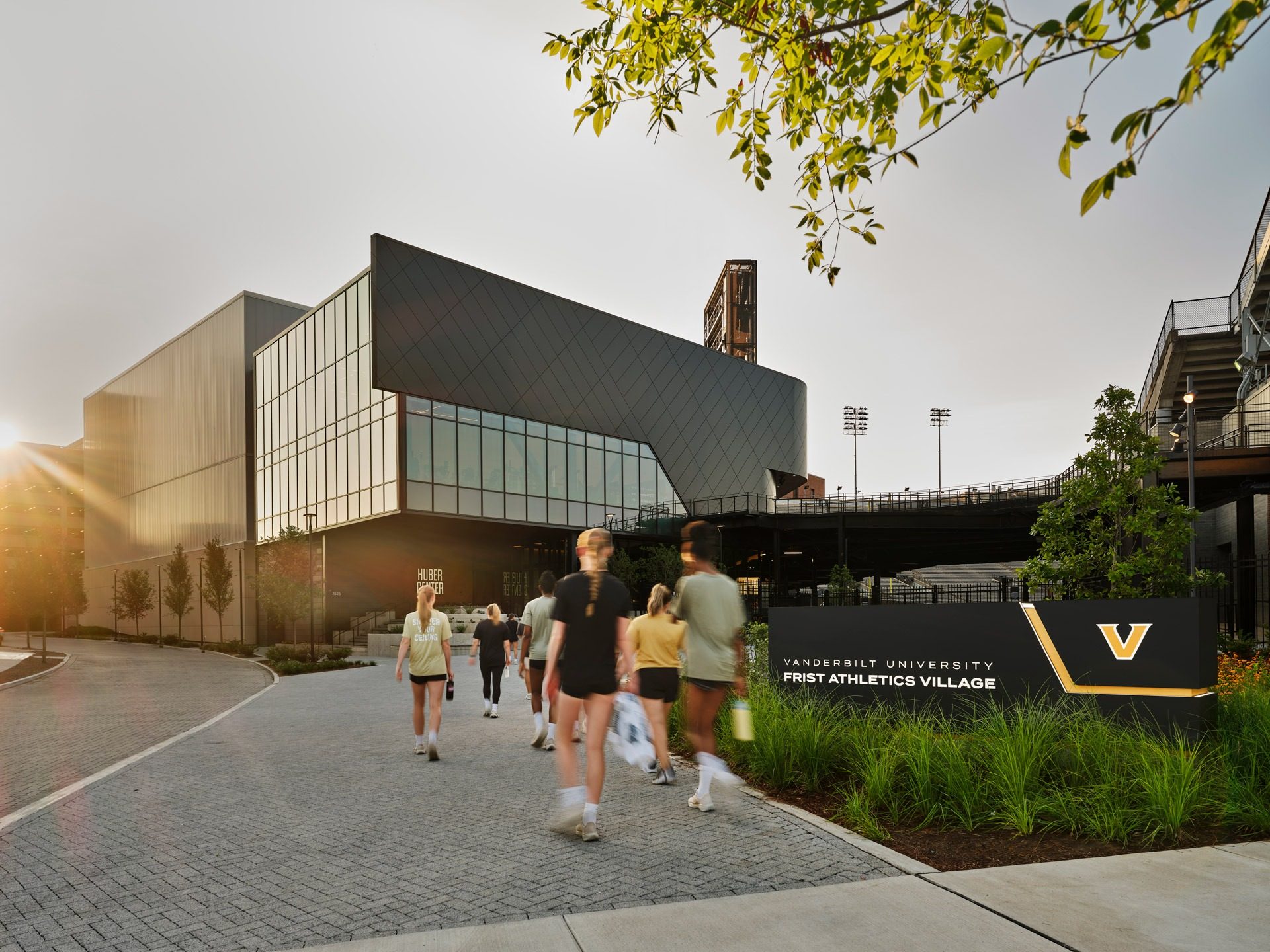
That decision was only possible because Vanderbilt University understands the moment that they, like many colleges and universities, are in. This facility is part of a broader transformation across the athletics campus. It is both a high-performance training environment and a revenue-generating asset embedded within the football stadium. On game days, spaces convert to hospitality and club environments.That revenue capacity empowered the university to invest in equitable design without compromise.
As with any project, we know that coaching staffs will change and philosophies will evolve throughout the lifecycle of the building. The underlying design of the building creates a functional framework that accommodates different leadership styles while maintaining fairness in access.
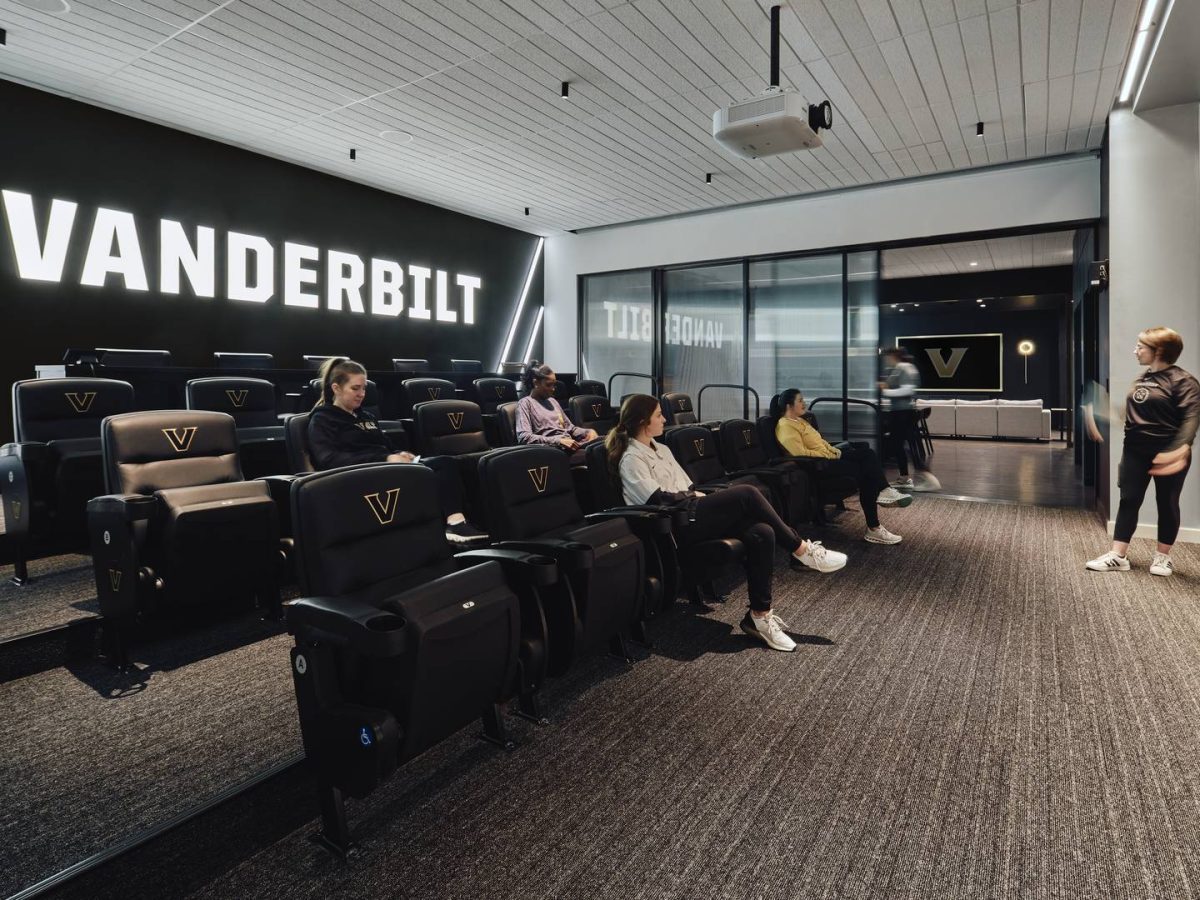
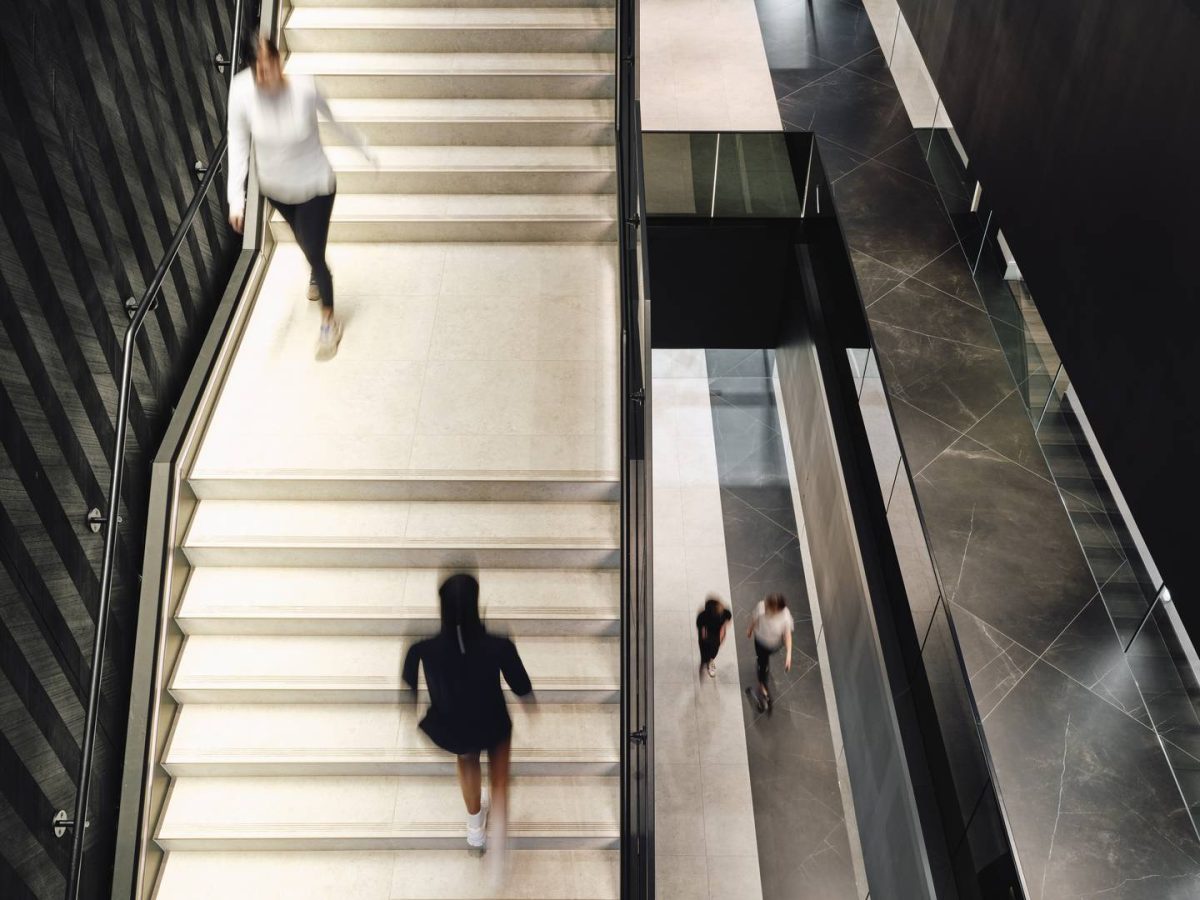

When recruits walk through the Huber Center, they probably won’t recognize the planning behind it. They will notice the natural light, the beauty of the space and the distinct personality of each program. The design unfolds naturally enough to become omnipresent; this is how we know the building is a success. People walk through it and they want to stay, to be part of the teams able to experience this building on a daily basis.
Equity without sameness requires the willingness to challenge assumptions about what a basketball facility “should” look like. At Vanderbilt, the result is a space that treats both programs as individual identities supported by a shared standard of excellence. With creative problem solving and the design acumen to realize thoughtful solutions, the Huber Center demonstrates that equity makes both our designs and their outcomes stronger.

Lorem ipsum dolor sit amet consectetur, adipisicing elit. Non facere corporis et expedita sit nam amet aut necessitatibus at dolore enim quis impedit eius libero, harum tempore laboriosam dolor cumque.
Lorem, ipsum dolor sit amet consectetur adipisicing elit. Illo temporibus vero veritatis eveniet, placeat dolorem sunt at provident tenetur omnis, dicta exercitationem. Expedita quod aspernatur molestias eum? Totam, incidunt quos.