May 21, 2026
What Do World Champions Look For in a Training Center?
Written by

Think about what’s needed to make a training facility truly elite, and you might start with the tangible elements. The pitches. The gym. The locker room. The hydrotherapy pools. But in my experience, the real measure of a training center is less immediately obvious. It lies in bridging the gaps between those components, so they all fit together to create a space that supports everything that happens once the hard work out on the training field has finished.
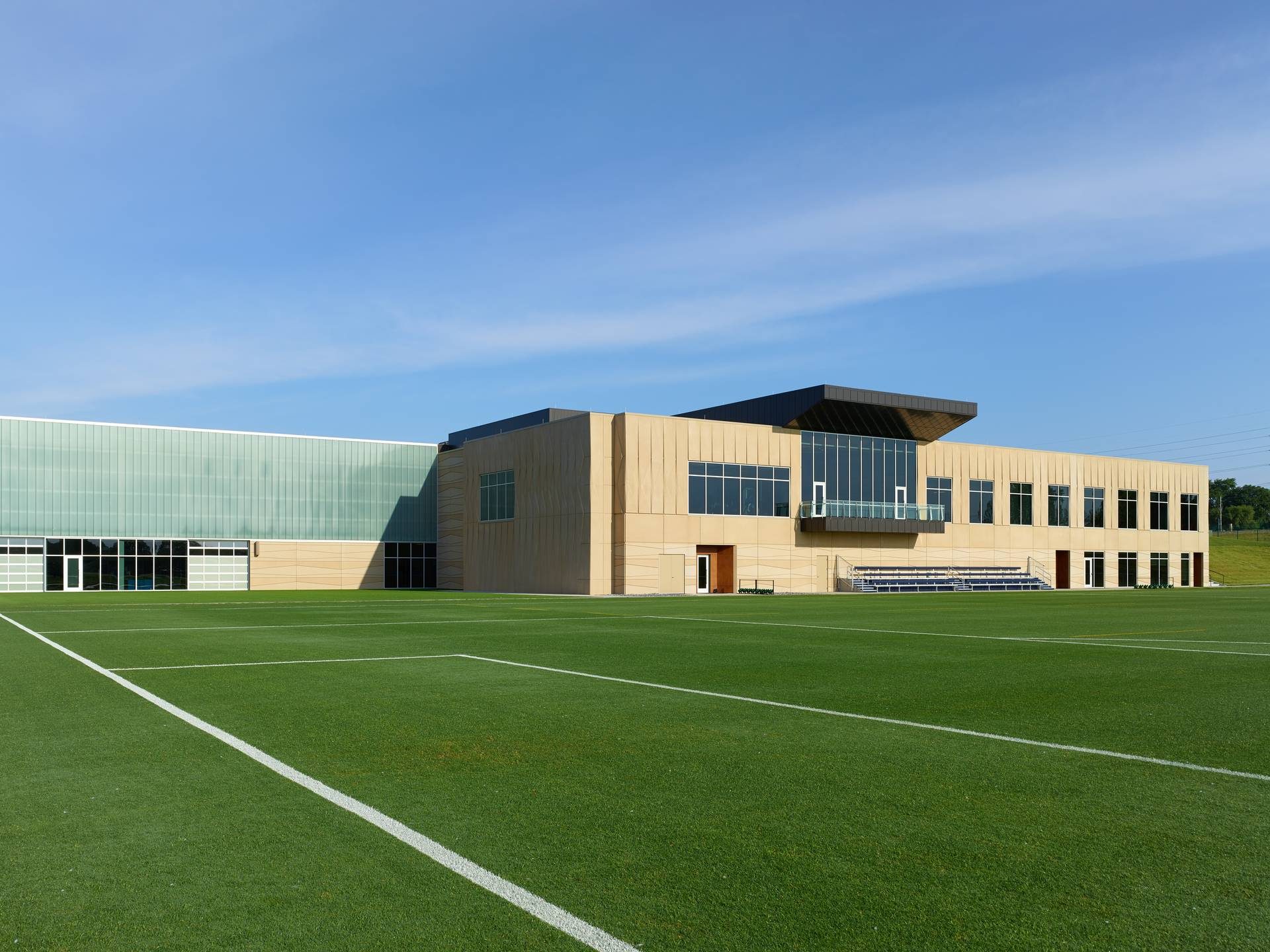
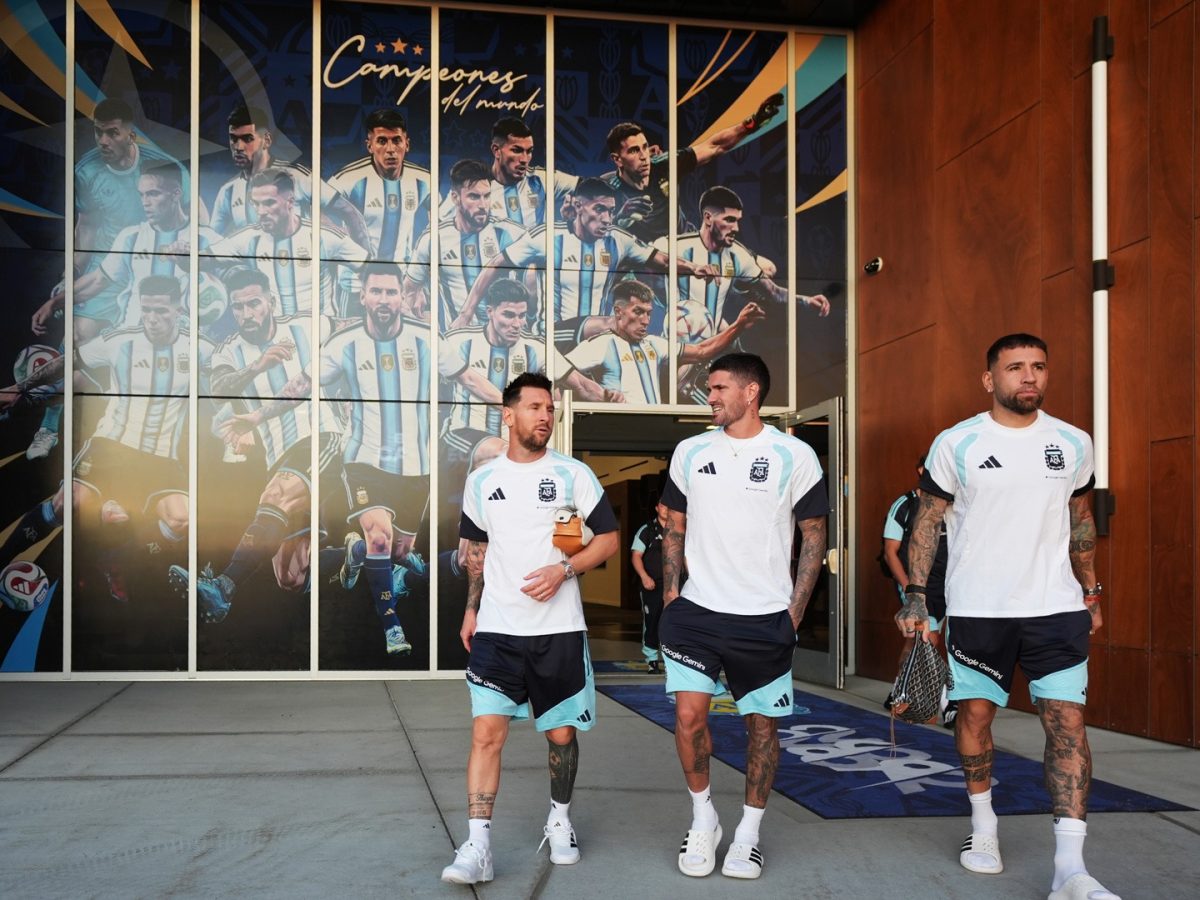
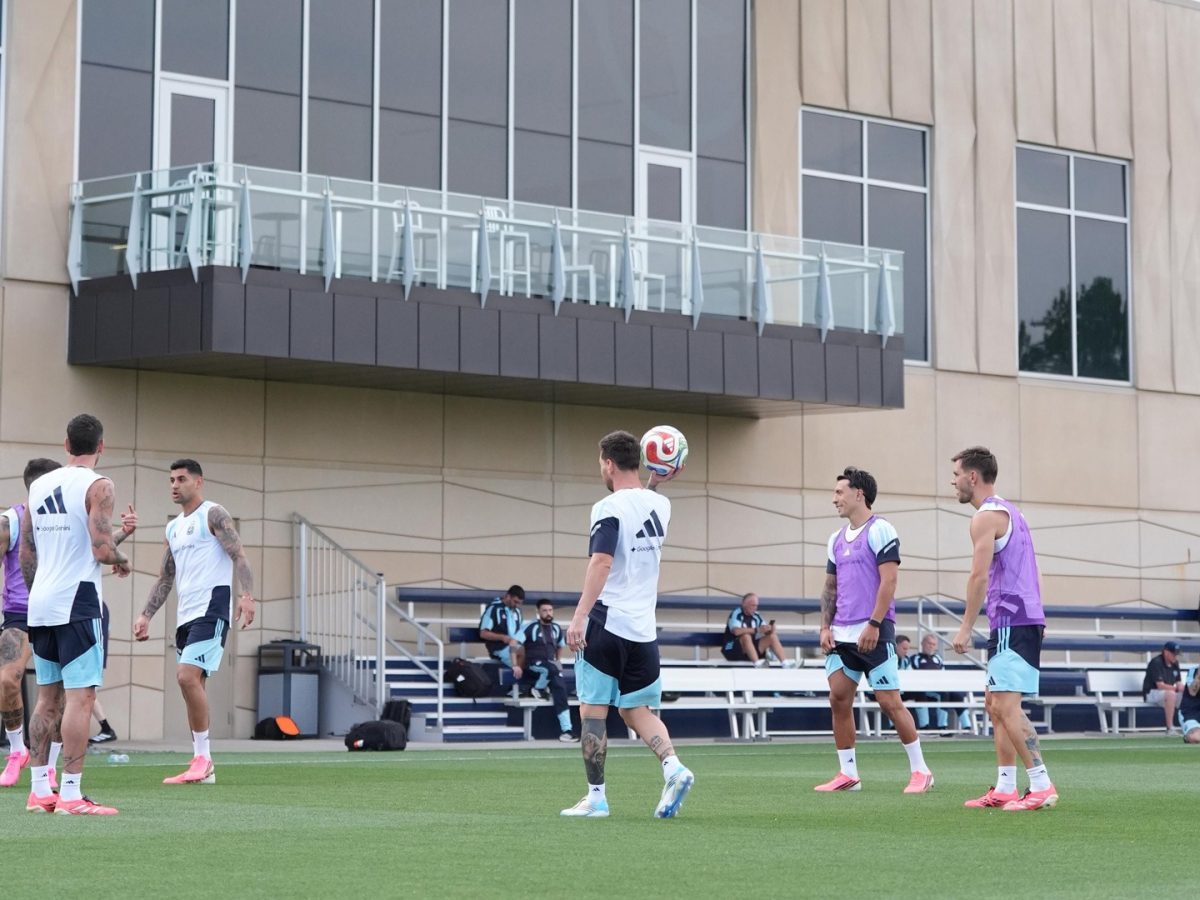
The Compass Minerals National Performance Center was shaped by this idea. And, as the facility hosts Argentina as its team base camp for the tournament, it feels particularly relevant. The current world champions chose Kansas City after multiple site visits, and the center stood out to them because it gives players and staff an environment built around maximising performance, recovery, privacy and efficiency at every step of a player’s training journey.
Raising the Standard
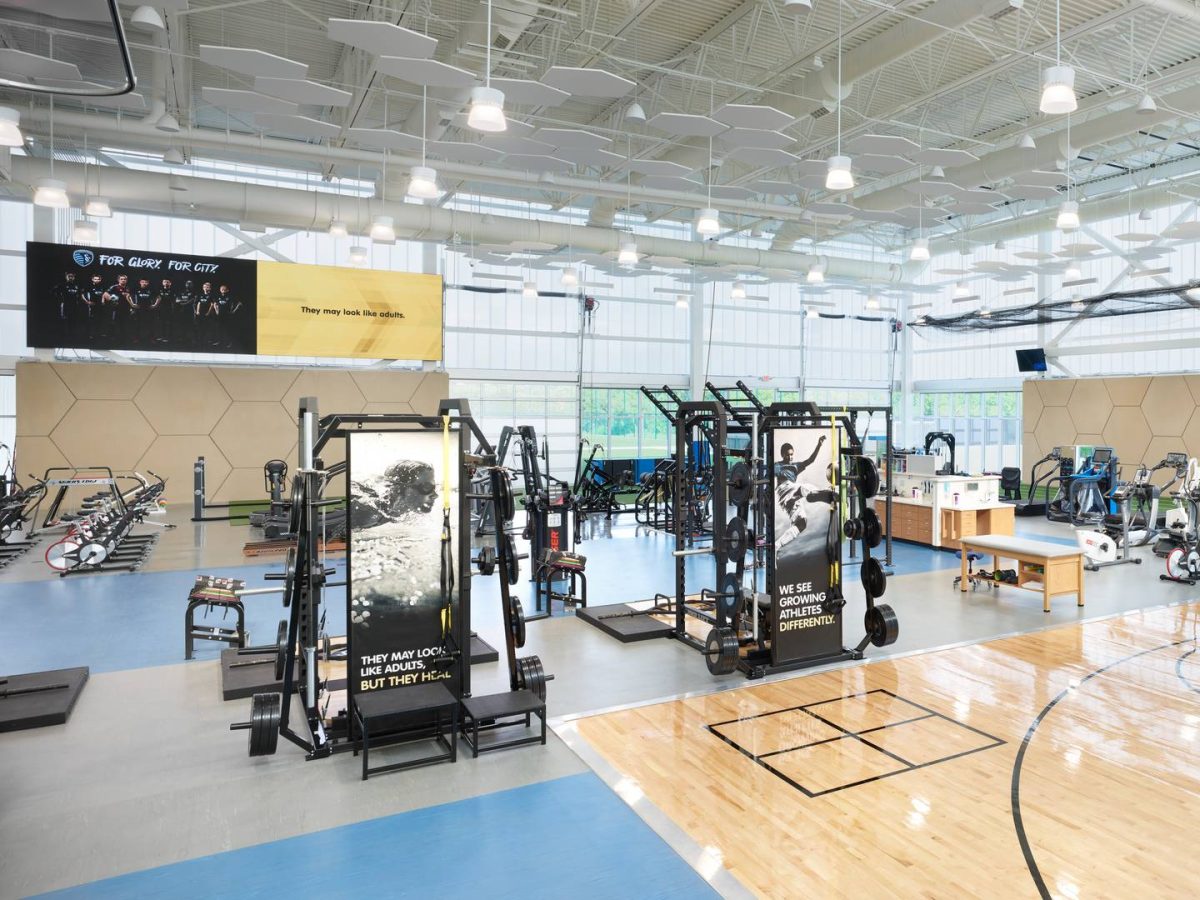
When Sporting Kansas City decided they needed a new training facility, they had clear ambitions to improve their team, but they also saw a bigger picture and an opportunity to improve U.S. soccer as a whole. With that aim, the facility brought together three distinct groups on one site: Sporting Kansas City, the United States Soccer Federation and Children’s Mercy Hospital. The center supports Sporting’s first team performance, but it also serves a wider function, providing coaching education and referee development, combined with cutting edge sports medicine, all in one connected campus.
At the time the facility was completed, this project felt like a major step forward for Major League Soccer, where many training facilities at the time were limited in scale, program and investment. Our design needed to match Sporting’s ambitions and set a new benchmark for soccer in the country.
Learning from the Global Game
As a practice, Populous has a deep well of knowledge from which it can draw when it comes to elite training facilities, including projects in Europe for top-tier soccer clubs like Olympique Lyonnais and Deportivo La Coruna. Our design team spent a lot of time studying leading training facilities with Sporting Kansas City to understand what makes them effective, identifying the qualities that really matter when designing for daily use at the highest levels of performance.
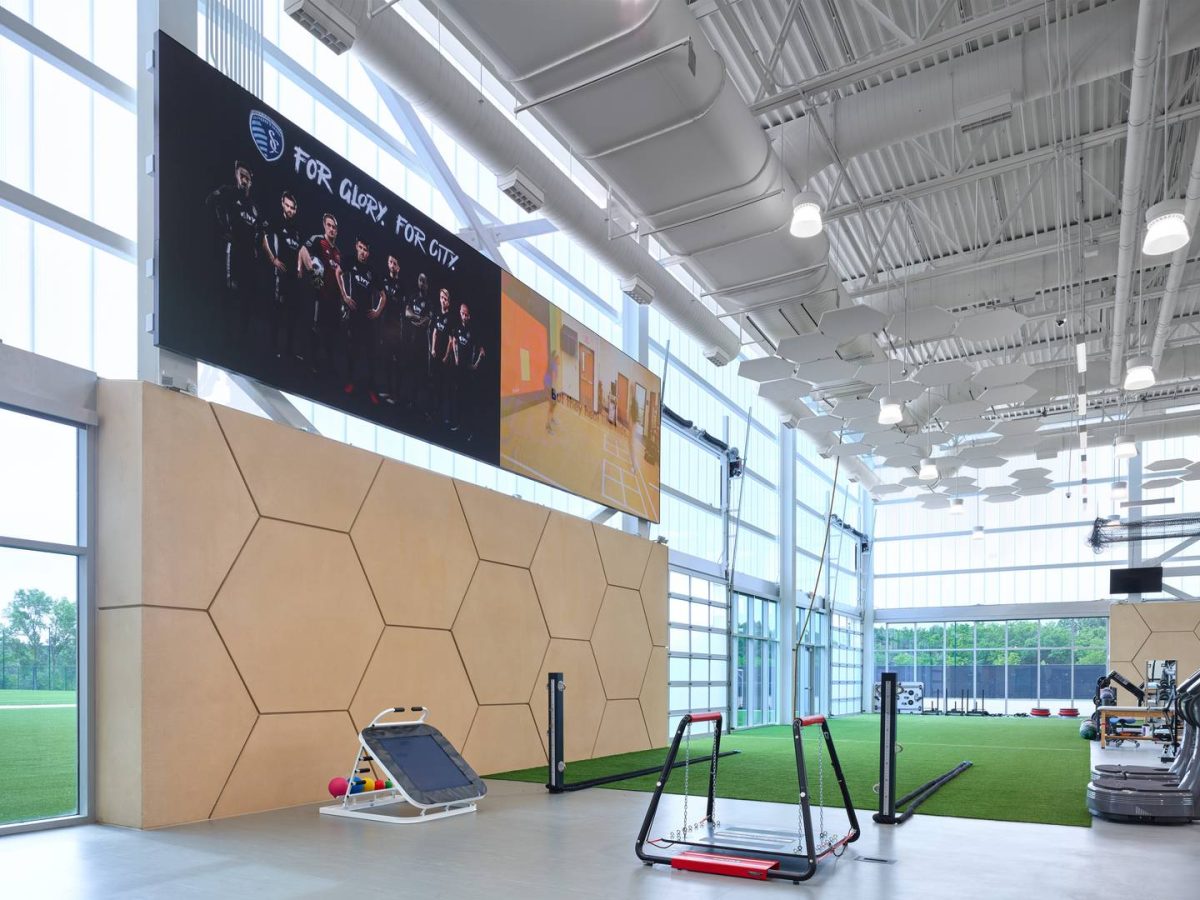
One thing stood out. The very best training centers make high performance habits easier to sustain. Recovery is immediate. Nutrition is built into the daily routine. Analysis stays close to the field. Players don’t have to think hard about how to use the facility effectively because the building guides them intuitively in the right direction.
What Happens After Practice
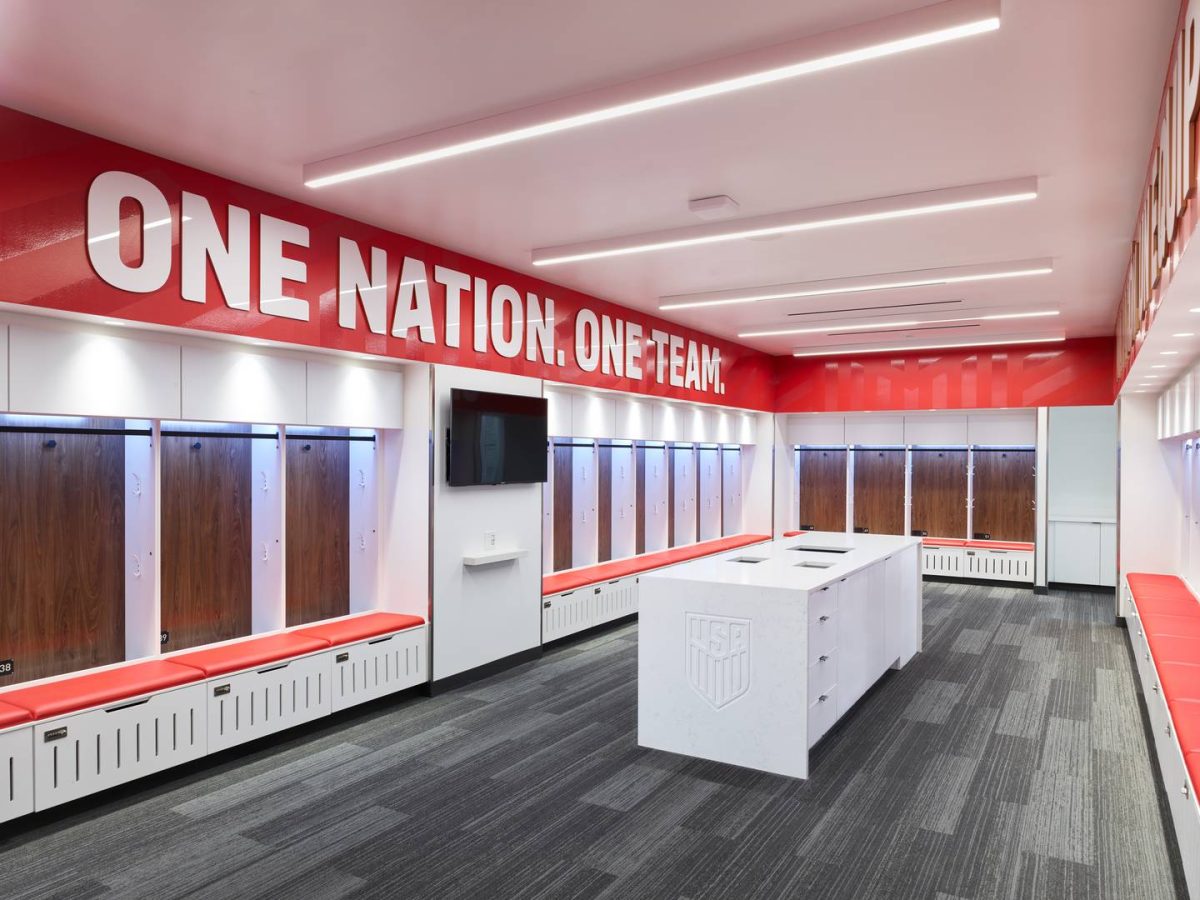
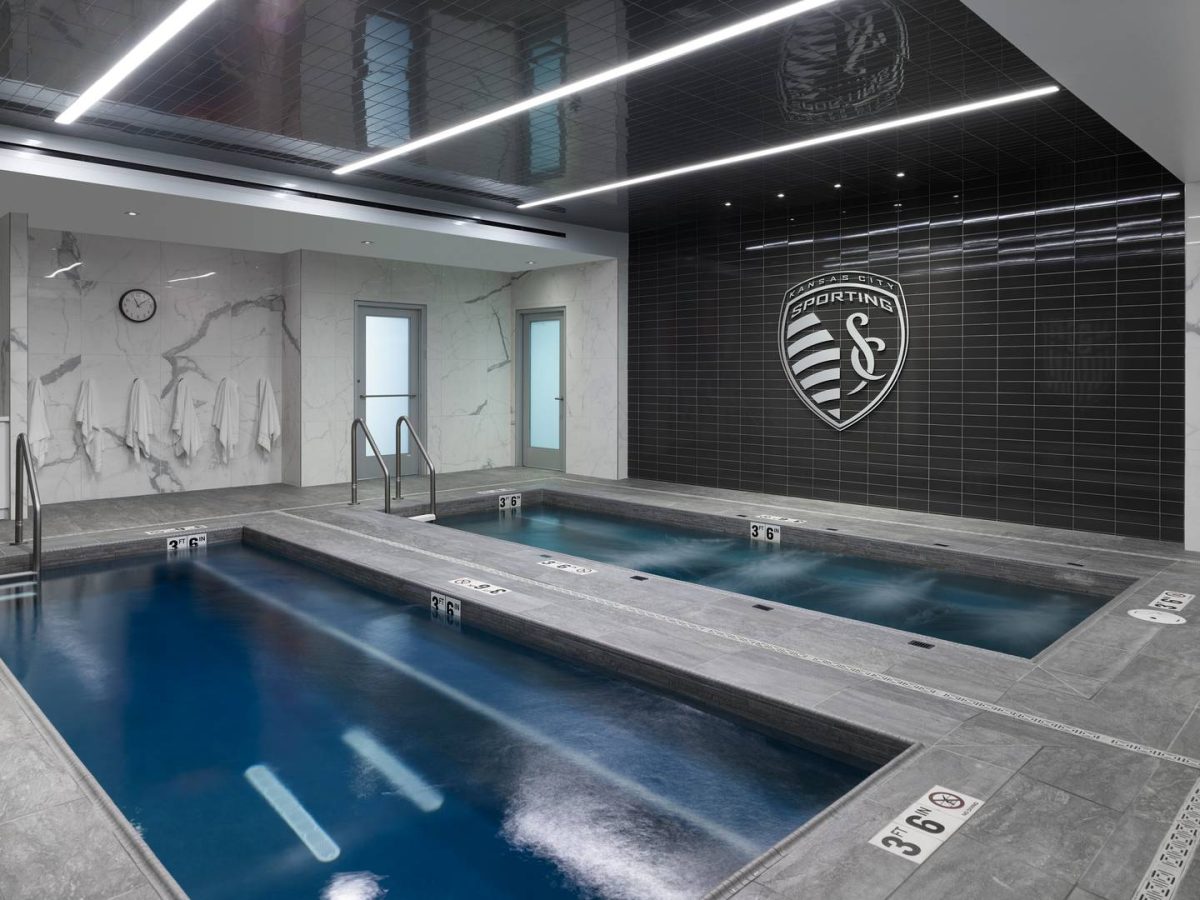
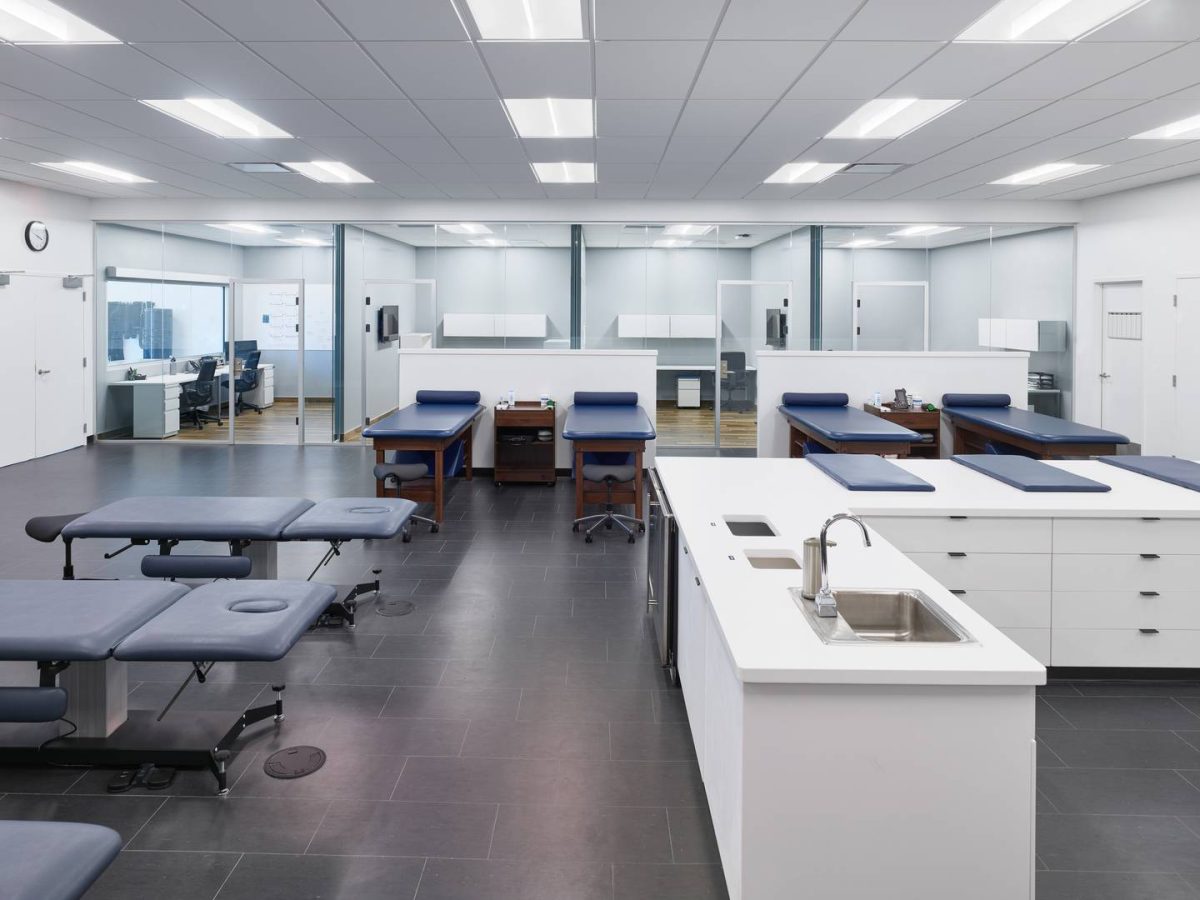
One of the most important elements our design team introduced in this project was tailoring the recovery process to Sporting Kansas City’s goals and needs. The moment practice ends, the recovery phase begins. That principle shaped the layout of the building and the sequencing of the spaces inside it. Players come off the field, offload their boots and their kit, and flow straight into a choreographed recovery journey that makes the next steps feel natural. From the recovery area, the route opens into the locker room, with a nutrition station right outside it, so protein shakes are immediately on hand for refuelling. From that point, players can head up to the larger dining and lounge spaces or move across the hall to the sports lab for any extra treatment they might need.
The Sporting coaches and ownership agreed that if they were going to invest in amenities of this caliber, the players had to be given every opportunity to use them. So, we crafted a scheme that creates habits and eliminates friction. Our design supports performance in ways that are easy to miss if you only focus on finishes and equipment. Over time, these ideas around adjacencies and player flows have informed training environments Populous has gone on to design for other teams in multiple professional and collegiate training facility projects around the world.
“The very best training centers make high performance habits easier to sustain. Recovery is immediate. Nutrition is built into the daily routine. Analysis stays close to the field.”
Bringing in Elite Players
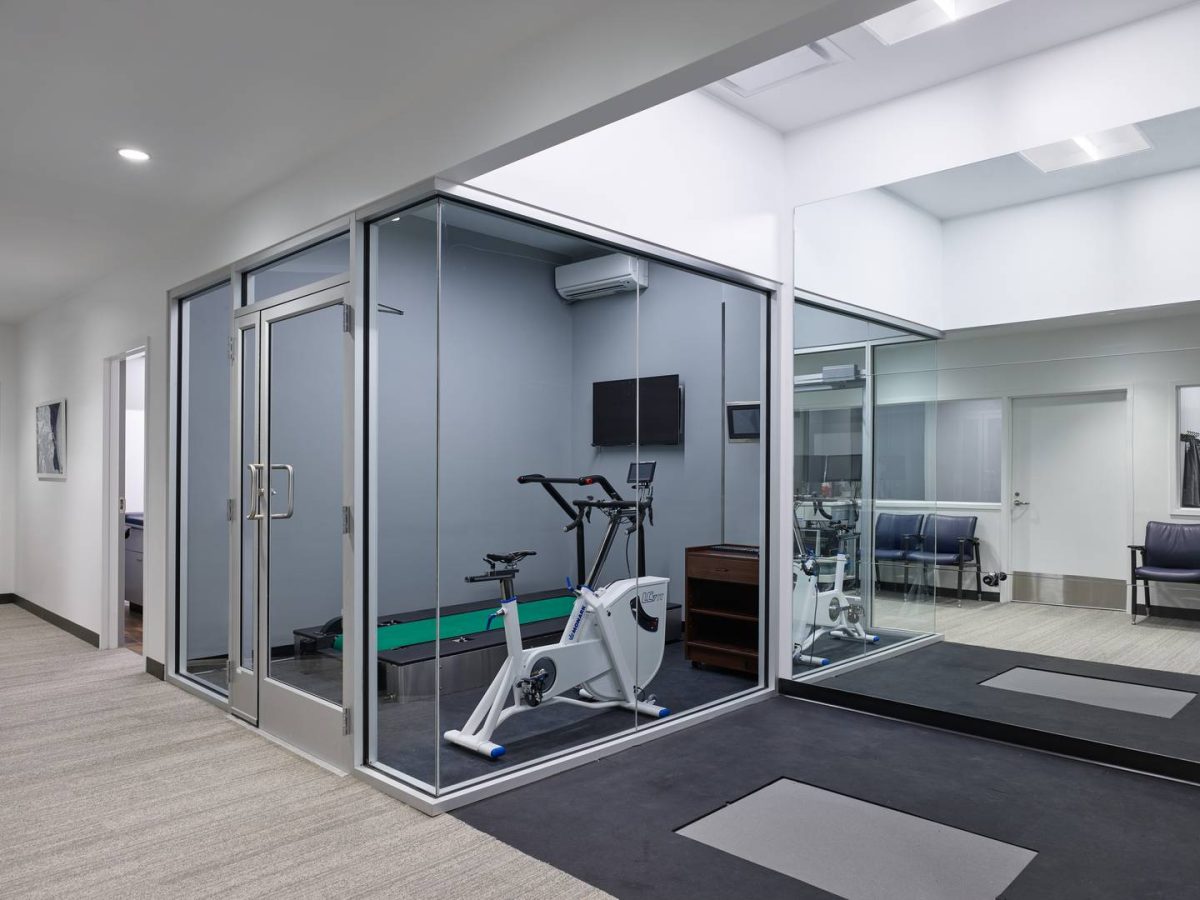
In modern soccer, one of the key roles of a training center is to attract talent. At the time we designed Compass Minerals National Performance Center, features like expanded hydrotherapy areas, hyperbaric chambers and altitude chambers were unknown in MLS. Providing those facilities meant the club could offer incoming players a space that supports both their club performance and their international ambitions.
The altitude chamber is a prime example. It can simulate conditions in places like Denver, Mexico City or La Paz, helping players prepare for the demands of different climates and elevations. For national team players and international recruits, that kind of capability signals that a club is serious, showing it understands performance in a wider global context.
The Importance of a Good Meal
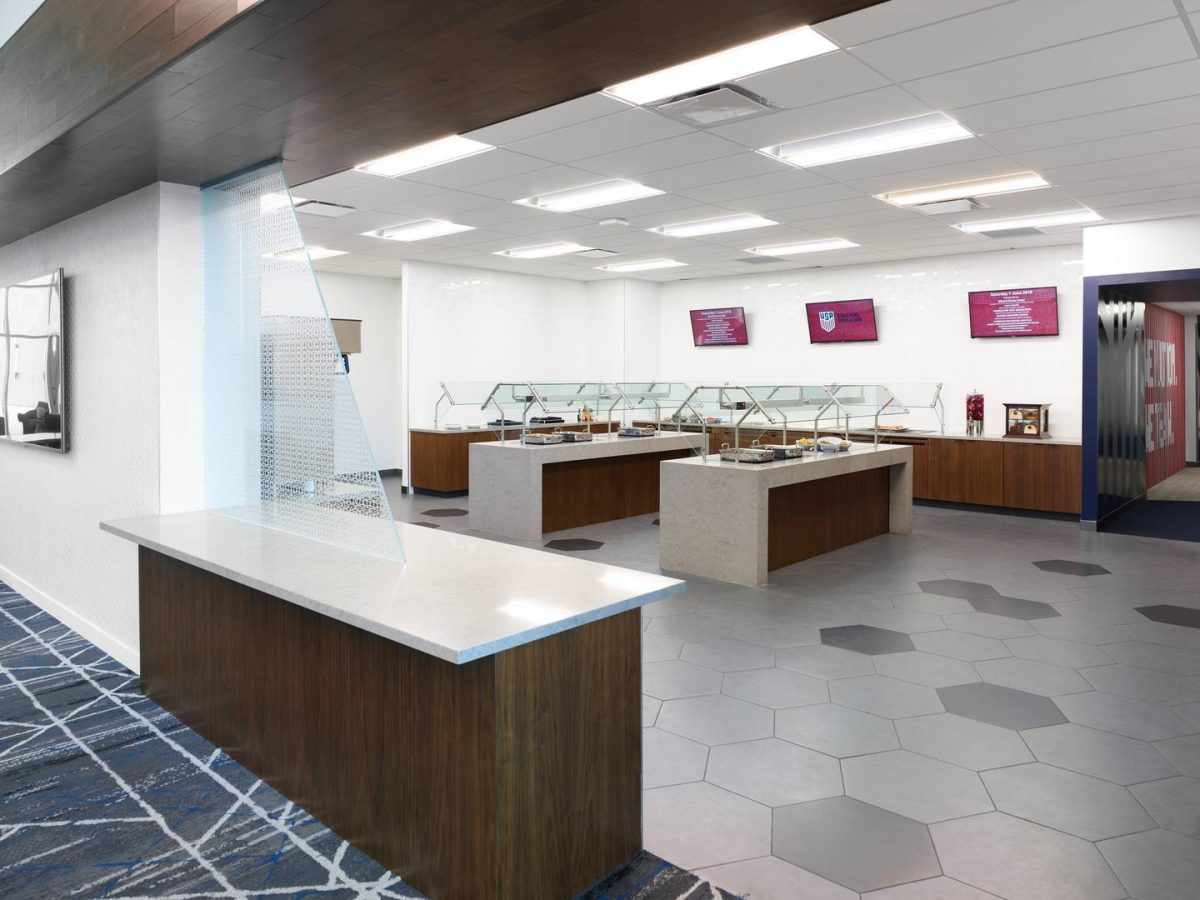
The science of nutrition gets a lot of attention in sport but something that’s often overlooked is the actual joy of eating. Soccer squads are made up of players with a range of nationalities, and we’ve accommodated them with a dining setup planned around variety and quality, understanding that athletes are more likely to use a facility if it fits their individual routines and preferences. The kitchen was built out to support a diverse menu for players from different backgrounds — it even has a smoker, which is essential in Kansas City, where barbecue is almost a way of life. For a team like Argentina, which is bringing its own chefs for the World Cup, a well-equipped professional kitchen becomes central to their base camp in the run up to a tournament.
Facilities like a Smoothie Station might sound like a small thing next to cryotherapy or altitude training, but it’s part of the same logic, supporting the full day of an athlete and not just the hours they spend on the pitch.
Privacy, Focus and Control
As sports stars have become more recognisable, the need for privacy has increased. It’s a need that shaped the site plan for Sporting Kansas City as much as the interior program.
The “super pitch” — three full-size natural grass fields arranged in a sequence — was laid out to support efficient rotation and recovery, but also to create a secluded training environment. There are also two turf fields, and room for further expansion. On the public side of the building, views into the training areas have been intentionally limited. On the field side, glazing opens the building up to the pitches, so players and staff remain visually connected to the work. Media activity is carefully managed, too. The press room sits on its own level with controlled access, allowing media operations without disrupting the team’s environment. That separation is useful for any elite club, but within the clamor of a World Cup it becomes essential.
What it Takes to Defend a World Title
When the Argentina team comes to Kansas City for the 2026 FIFA World Cup, it will arrive with the weight of expectation that comes from being reigning world champions — and with the chance to achieve something few teams ever have. Only Italy and Brazil have successfully defended their World Cup titles, and no team has won back-to-back tournaments since 1962. If Argentina are going to make history and lift the trophy again, the story begins at their base camp, in the routines, rhythms and recovery that shape soccer behind the scenes.

Lorem ipsum dolor sit amet consectetur, adipisicing elit. Non facere corporis et expedita sit nam amet aut necessitatibus at dolore enim quis impedit eius libero, harum tempore laboriosam dolor cumque.
Lorem, ipsum dolor sit amet consectetur adipisicing elit. Illo temporibus vero veritatis eveniet, placeat dolorem sunt at provident tenetur omnis, dicta exercitationem. Expedita quod aspernatur molestias eum? Totam, incidunt quos.