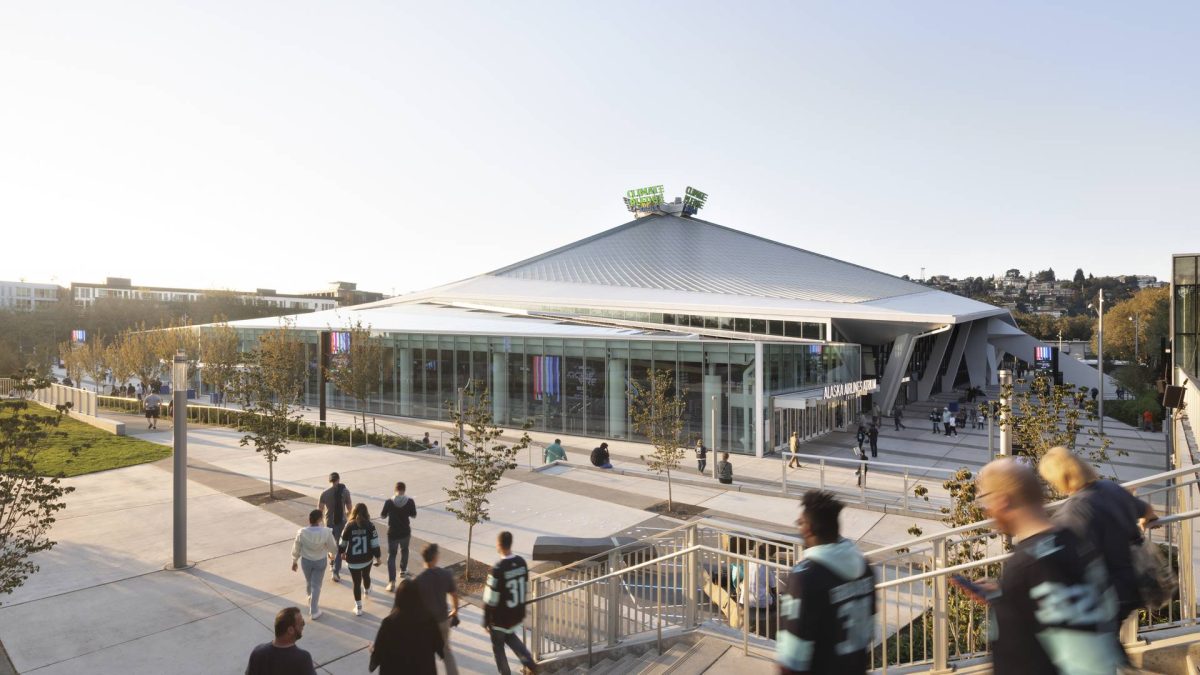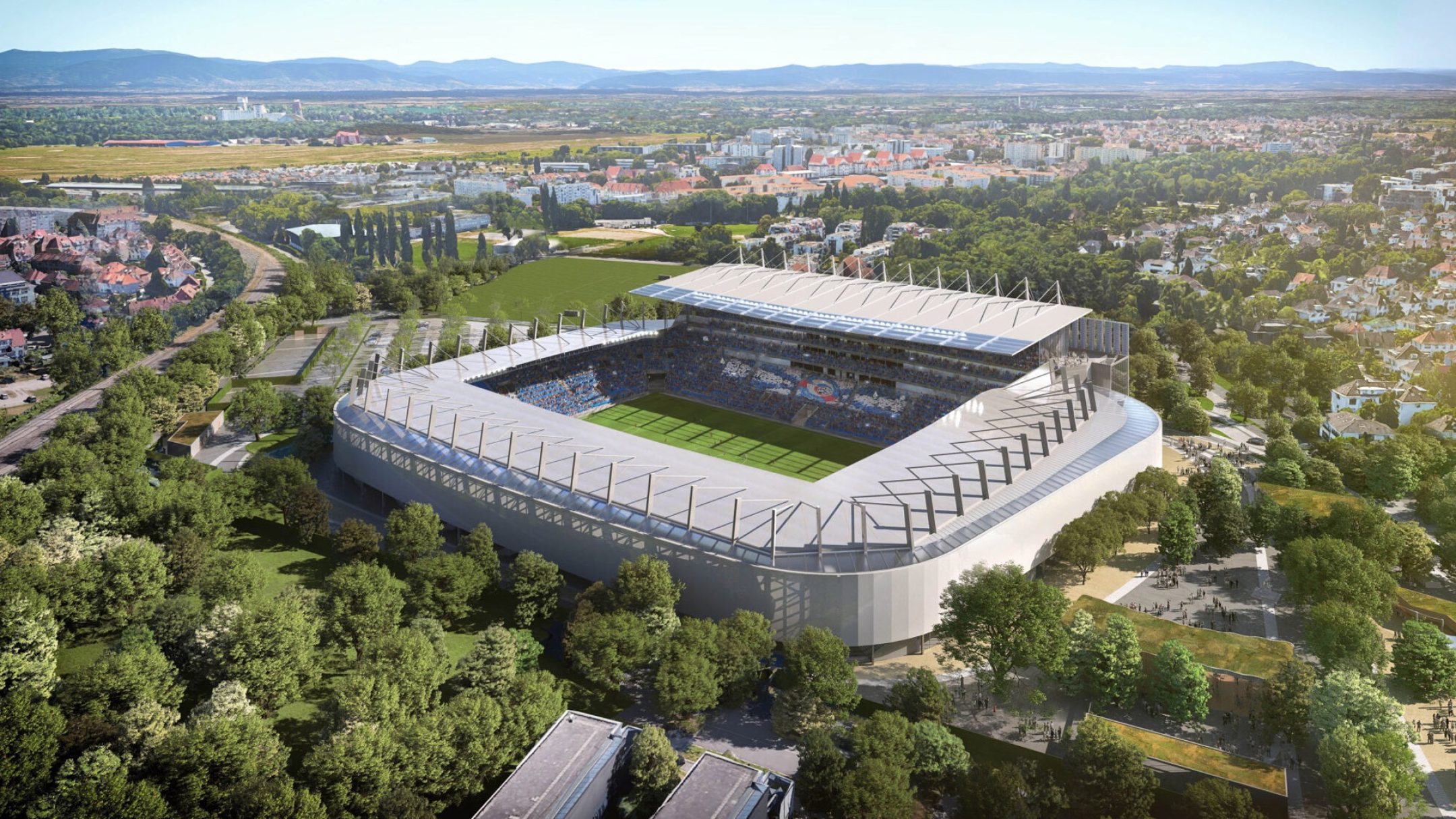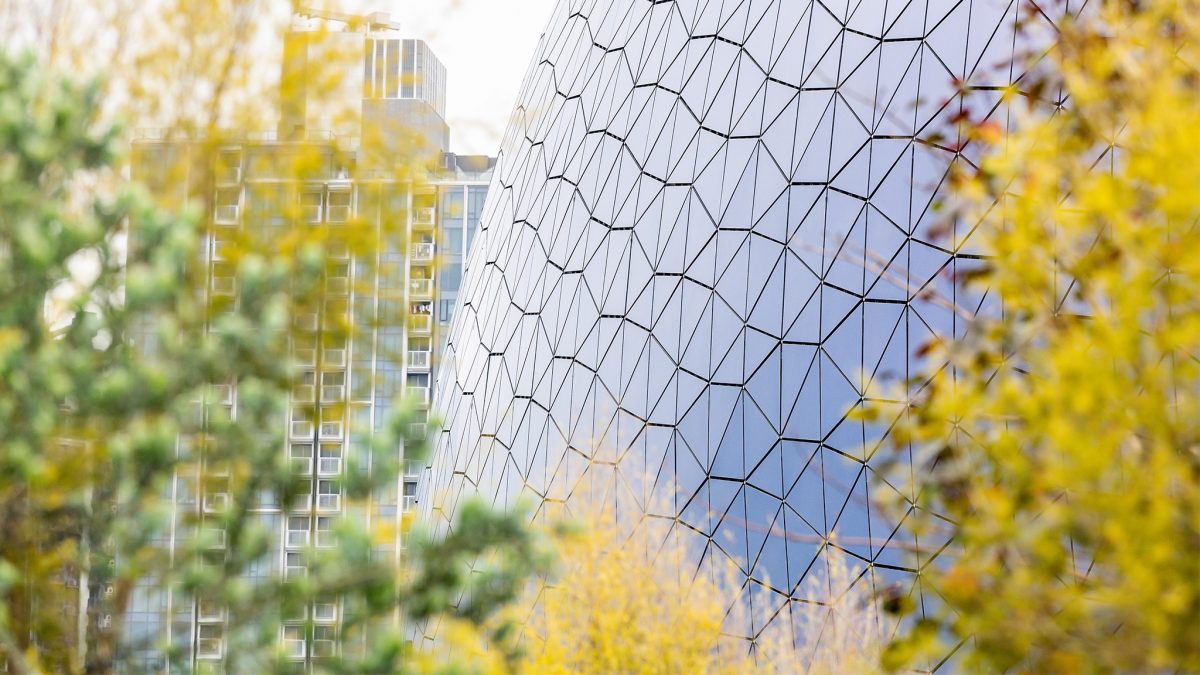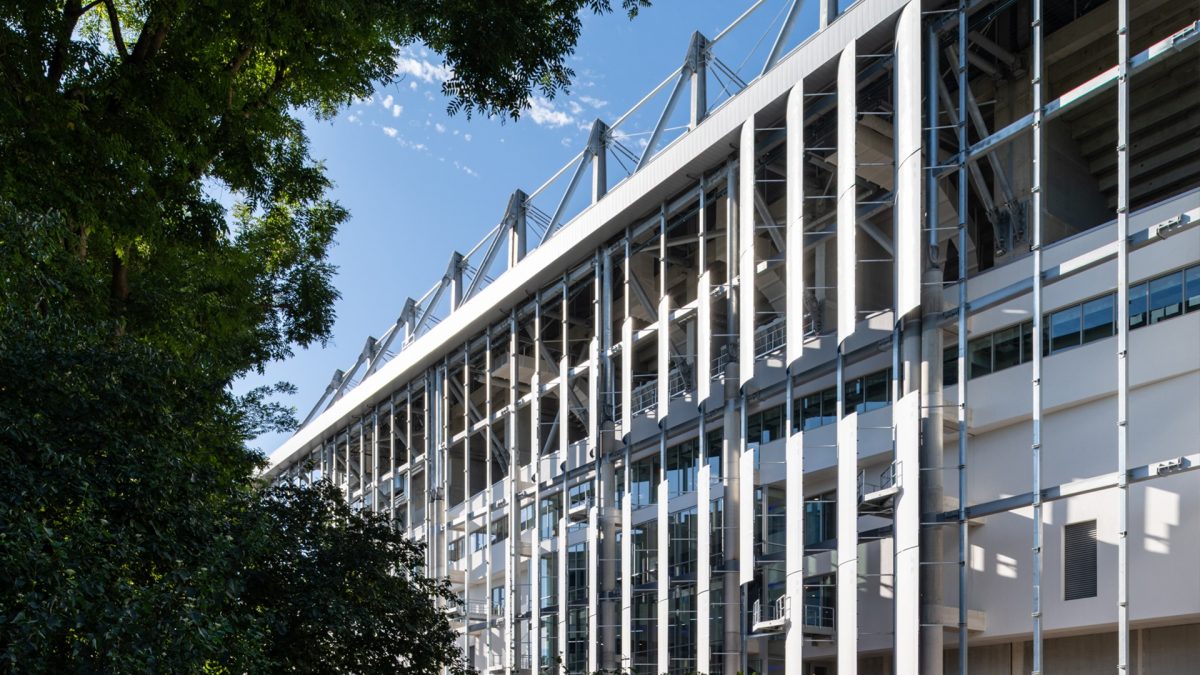
At Populous, we believe that high performance buildings go beyond considerations for the environment and must address the places, people and experiences that together form the foundation for buildings to be embraced and cherished by their communities. The combination of design, construction and community analysis highlights opportunities unique to each project, including careful consideration of the site selection, user experience, community engagement, operational efficiencies, life cycle costs and legacy impacts. Our efforts in the integration of sustainable design is more than certification, it’s about making responsible economic and environmental design decisions embedded into every step of the design process.
RELATED PUBLICATIONS:
Stadia – a design and development guide
February 08, 2012
Sustainable Buildings for the Public Realm
March 21, 2012
Key services
Feasibility
By providing ideas for incorporating relevant sustainable solutions into new build or renovation projects at the early planning stages, we can help clients review the building’s operating costs versus capital expenditure, and show the added value of sustainable design.
Technical Project Review
The design team reviews projects at key delivery milestones to ensure the principles of sustainable design – energy, material, water, waste and site/biodiversity – are developed and embedded in the project from the earliest stages.
LEED / BREEAM
Populous has experienced BREEAM/ LEED Accredited Professionals (APs) working in an advisory role to help our design teams develop an appropriate, cost-effective strategy that integrates credit requirements into the building design, so the desired rating is achieved.
Research & Innovation
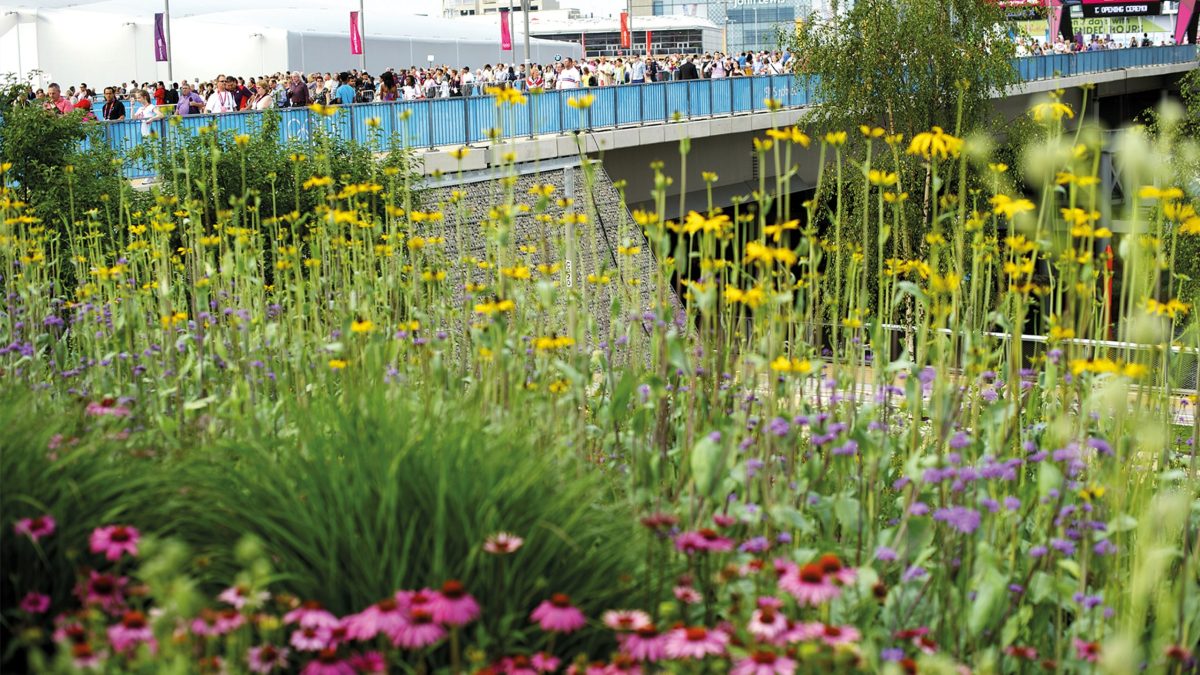
Our designers constantly monitor the latest design ideas and technological developments in the product and manufacturing markets. This leading edge knowledge coupled with benchmarking and best practice guidance helps drive innovation such as our advisory booklet for the delivery of a low impact Olympic Games for London 2012.
SPOTLIGHT:
Amway Center Strives for Sustainability
CHALLENGE. For the design of the new Amway Center, the City of Orlando and Orlando Magic challenged Populous to design a sustainable facility to minimize its ecological footprint and overall impact on the environment. The stated goal was to design the first LEED Gold arena in the NBA.
INNOVATION. Located in downtown Orlando, Florida on land previously developed for various private urban uses, this strategic location features connectivity to numerous high-density residential developments and community services and lies within a quarter of a mile of public transit bus lines, all of which connect to the Lynx Central Station in downtown Orlando.
In addition to its sustainable site, the Amway Center incorporates such sustainable design features as high efficiency heating, cooling and lighting systems, daylight sensors, utilization of waste heat for power and an environmentally preferred operations and maintenance program. Water saving measures in the form of dual flush toilets, low-flow urinals, low-flow faucets and a rainwater collection cistern provide additional sustainability
IMPACT. The Amway Center was recognized with LEED Gold status in 2011, becoming the first such facility in the NBA. The efficient design reduces energy demand by nearly 25% over conventional arena design water efficiency measures contribute savings of nearly a million gallons of water per year.
First to be the Greenest
CHALLENGE. From the inception of the Washington Nationals Ballpark project, the goal was to design a professional ballpark that fit its place and time and also minimized its environmental impact. Challenged with the most sustainability-driven stadium in professional baseball history, Populous forged a new path in green ballpark design.
INNOVATION. Because of the close proximity to the Anacostia River, much care was taken to control and treat storm and ground water runoff from the site. An intricate water filtration system separates water used for cleaning the ballpark from rainwater and treats both sources before they are released to the sanitary and stormwater systems. Special care was given to screening organic debris unique to this building type such as peanut shells.
In addition to the standard LEED strategies, the design team developed two initiatives with the Nationals – a sustainable housekeeping plan and a sustainable education program. The sustainable housekeeping plan incorporates a program that trains employees per green guidelines, and to use sustainably-certified cleaning products. The sustainable education program presents the project’s sustainable design practices to facility occupants and visitors, and includes a display highlighting the building’s sustainable design features, a published case study and public tours.
IMPACT. The U.S. Green Building Council has said Nationals Park was one of the most ambitious projects ever to achieve certification. Through strategic implementation of sustainable design principles Nationals Park was ultimately recognized as the first professional stadium in the United States to achieve LEED Silver certification. Water conserving plumbing fixtures save 3.6 million gallons of water per year and reduce overall water consumption by 30 percent. Also, recycled materials were used in 20 percent of the ballpark’s construction and 5,500 tons of construction waste was recycled. Remarkably, Populous was able to bring the final cost of delivering a green facility down to less than one percent of the overall cost of construction. The result is a beautiful, lasting ballpark with a fitting stature befitting the nation’s capital.
Sustainability in the City
CHALLENGE. With the design of Target Field, the Minnesota Twin’s new baseball-only facility, not only did the design team have to fit a 40,000-seat ballpark into just more than nine acres, it also had to consider the transit implications of building a stadium in an exceedingly compact urban environment.
INNOVATION. The brownfield site provides immediate access to public transportation options. In fact, the Metro Rail line was extended to the site with the creation of a new station that links the lower level commuter line with main ballpark entries at street level. Fans can bicycle to games and use bike storage racks at the perimeter of the ballpark and ground level of the adjacent city parking garage. Adjacent parking garages and mass transit alternatives allowed the stadium to be developed without need for additional parking inventory. In addition to water saving plumbing fixtures, water conservation is achieved via a buried cistern that captures rainwater and filters 90% of solids before being recycled for irrigation and seating bowl wash-down. The Twins have also implemented a green housekeeping program.
IMPACT. Shortly after completion, Target Field earned LEED Silver Certification – just the second MLB ballpark in the country to do so. Storm water conservation measures will save 1.26 million gallons of water per year. The ballpark also utilizes a substantial amount of green power available from the local utility. The ballpark’s purposeful design focusing on urban integration is a model for positive growth for many years to come.
First LEED® Certified U.S. Collegiate Football Stadium
CHALLENGE. To sustainably return a major collegiate football program back to The University of Minnesota campus and create a gathering place where history and tradition could pick up after a three decade absence.
INNOVATION. The campus location allowed the Populous design team to capitalize on several sustainable opportunities such as alternative transportation, development density, shared plant equipment and reduced parking. Populous maximized those opportunities to create a vibrant core to the campus’ East Gateway District.
IMPACT. Acting as the new emotional and physical center of campus, TCF Bank Stadium anchors the East Gateway but also serves vast amounts of while accommodating spectators and event functions in an environmentally friendly way. Water efficiency measures allowed potable water consumption to be reduced by 1,037,850 gallons (or 33%) below the baseline calculation. The design of energy related systems also saves the owner more than 15% annually on energy costs.
The sustainable design efforts put forth by the Populous design team earned TCF Bank Stadium the notable title of first LEED® Certified collegiate football stadium in the United States.
London 2012 Olympic Stadium
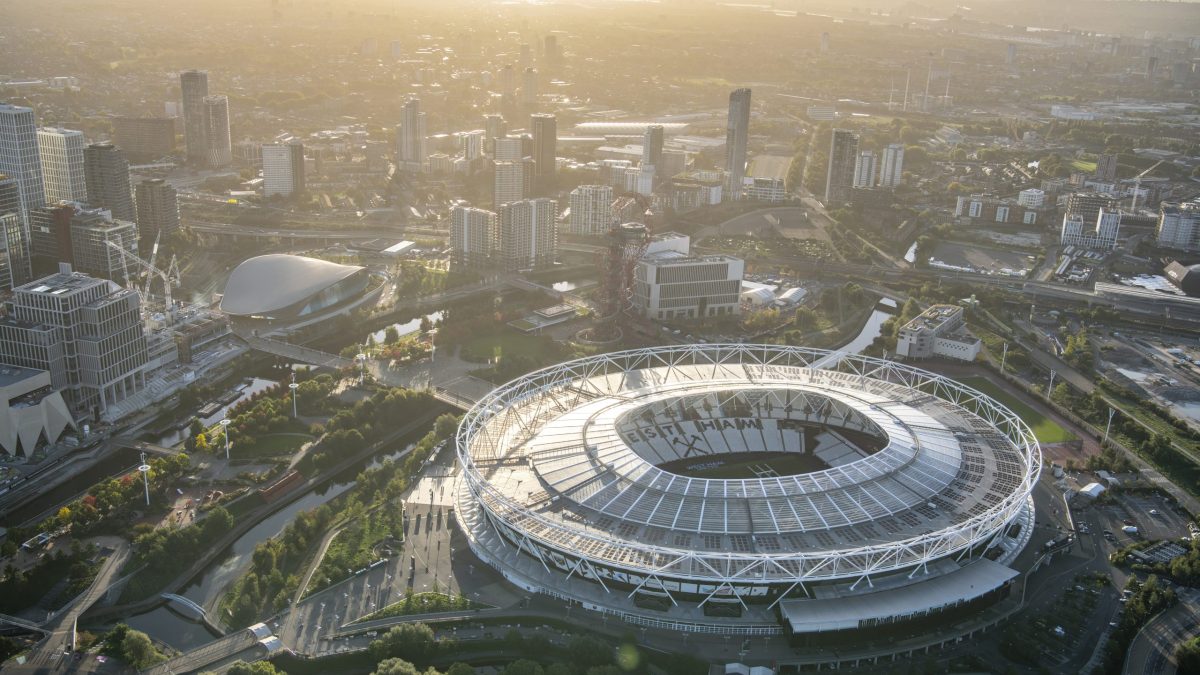
CHALLENGE. Building a stadium for a specific event carries an inherent challenge: to create a structure that is both temporary and permanent. From a technical perspective, the London 2012 Olympic Stadium has to be capable of holding 80,000 spectators during the Games themselves but become a more manageable 25,000 seat stadium after the Olympics – “a scale of reconfiguration that had never been attempted before,” acknowledges Populous Senior Principal Rod Sheard.
INNOVATION. We had to re-think the way we design a Stadium, exploring materials, structures and operational systems in a completely different way. The resulting design is compact, flexible and lightweight. Slender black steel supports the temporary upper seating tier, while the concourse façade – the ‘wrap’ – is made of a porous translucent fabric that allows the building to breathe naturally. The stadium used 43% recycled content by value and has achieved a 20% reduction in water use.
IMPACT. After 130,000 architect hours spent on the project, the world’s most environmentally-responsive Olympic stadium was completed ahead of schedule and handed back to the ODA, showing, as Secretary of State for Culture, Olympics, Media and Sport Jeremy Hunt said, “that Britain is at the forefront of the construction world.” It has made a significant contribution to the target of 20% renewable energy across the Olympic Park and, more broadly, has changed the world’s approach to large stadia design with an influence that will be felt in Sochi, Incheon and beyond.
Sustainable Stadium, UK
CHALLENGE. For this conceptual stadium, we wanted to design a large-scale public building that would not adversely affect the environment and would be responsible in terms of the quantity and types of material that it used, while also minimising its energy use during operation. The challenge was to combine this kind of truly sustainable approach with the need for a strong image and brand identity.
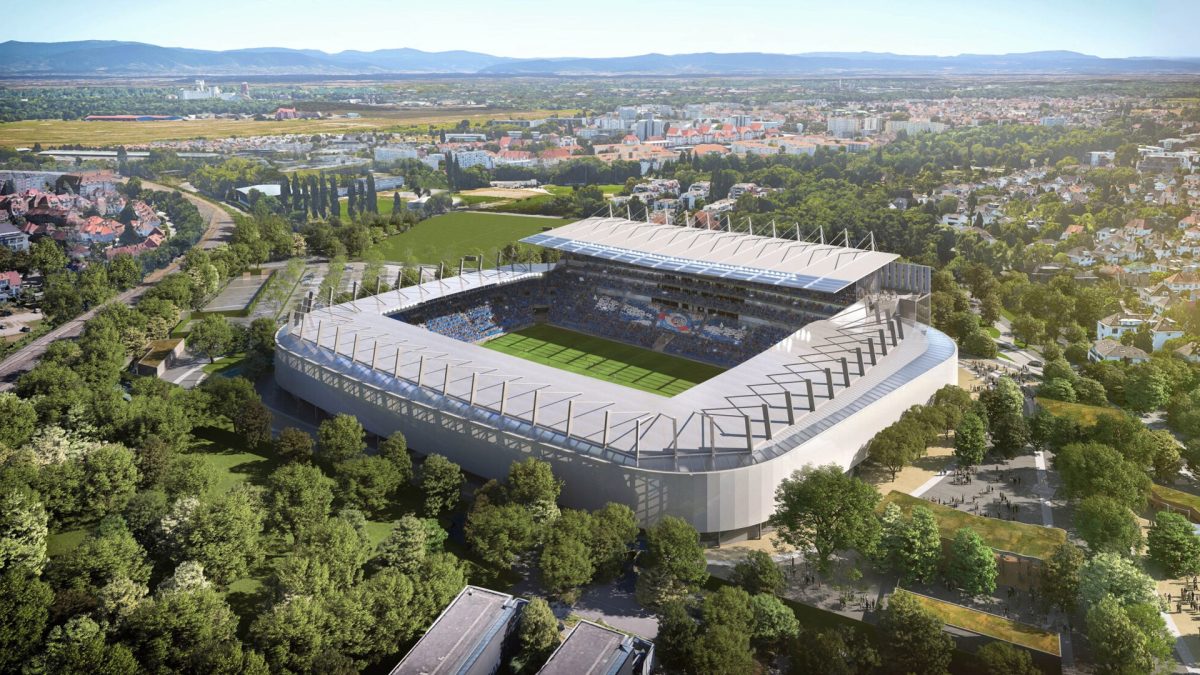
INNOVATION. Our design proposes two stands: the West stand contains the majority of the facilities, so it’s here that operational costs can be reduced via natural ventilation and solar shading, while the East stand, constructed on compacted earth, would result in low levels of embodied energy. Low environmental impact Glulam beams would tie in with the image of the stadium, while a sedum green roof mat could help water retention and CO2 absorption. The design allows for flexible development of the stadium, with the options of creating rentable space, adding a second tier or using temporary stands.
IMPACT. This innovative design solution is sustainable, cost effective and flexible, resulting in a unique eco stadium which, when built, would position any city at the forefront of sporting and environmental excellence. We believe that this kind of sustainable approach in public buildings will have a positive influence on both the environment and people’s perceptions of sustainable building.
ANZ Stadium, Sydney
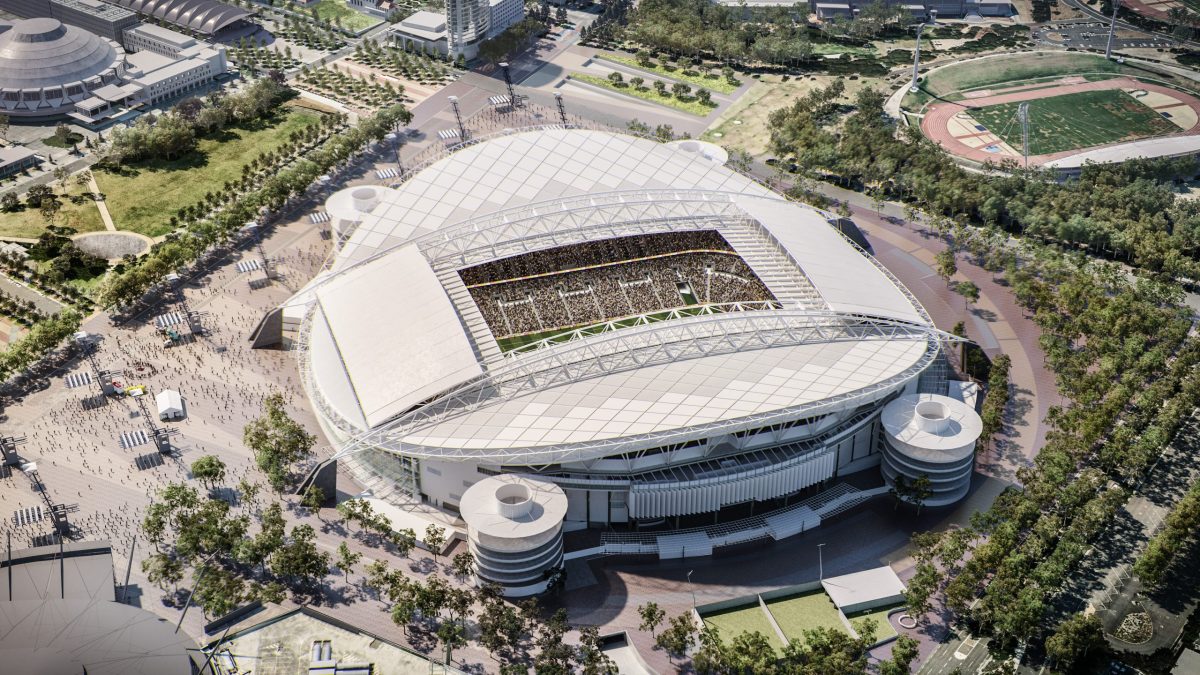
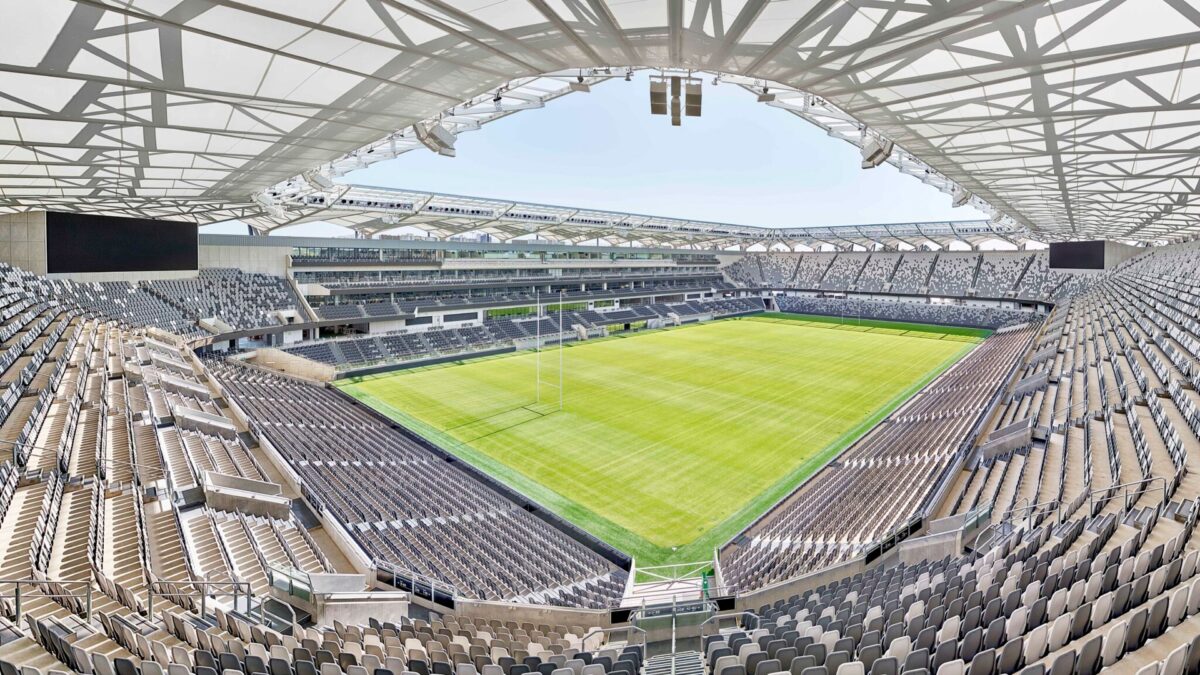
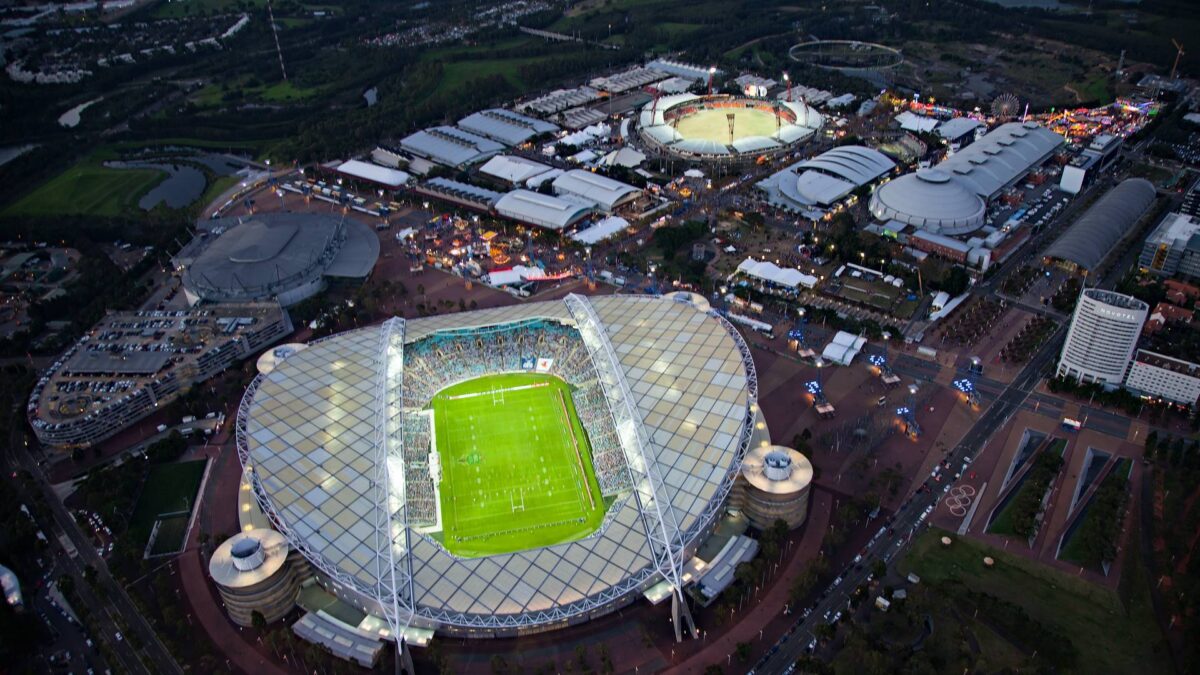
CHALLENGE. For Sydney in 2000, the International Olympic Committee wanted a ‘Green Games’. The challenge for us was to develop a sustainable design for the 110,000 seat stadium, which was being created as the centrepiece for the Games. We were starting from scratch in every sense, with a site that was wasteland and little precedent for energy-saving and environmental design of this type.
INNOVATION. During construction, 15-20% of the steel used was recycled. In the finished facility, ventilation shafts draw air in naturally, reducing the need for air-conditioning (crucial in Sydney’s climate) and resulting in 30% less energy usage compared to conventional stadium design over the life of the building. Energy use is further reduced by efficient, computer-controlled integration of natural and artificial lighting. The building’s advanced waste managed system divides wastes streams to allow recycling. Roof water is collected by a siphonic drainage system and is sufficient to irrigate the sports field and surrounding landscape.
IMPACT. The facility’s truly innovative strategy of environmental sensitivity has come to act as a prototype for many of the applications that are now taken for granted and has shifted public perception of sustainable design. The flexibility of the stadium, with its reconfiguration from 110,000 seats to 80,000, enhances its sustainability credentials.