March 27, 2026
Designing the Moment Everyone Feels
It’s the moment every live experience is chasing.
You feel it before you can name it. A shift moves through the room and the energy changes direction. What begins on stage starts to travel outward, passing from person to person until the entire space is carrying it together.
Strangers fall into rhythm. Attention sharpens. The experience becomes shared.
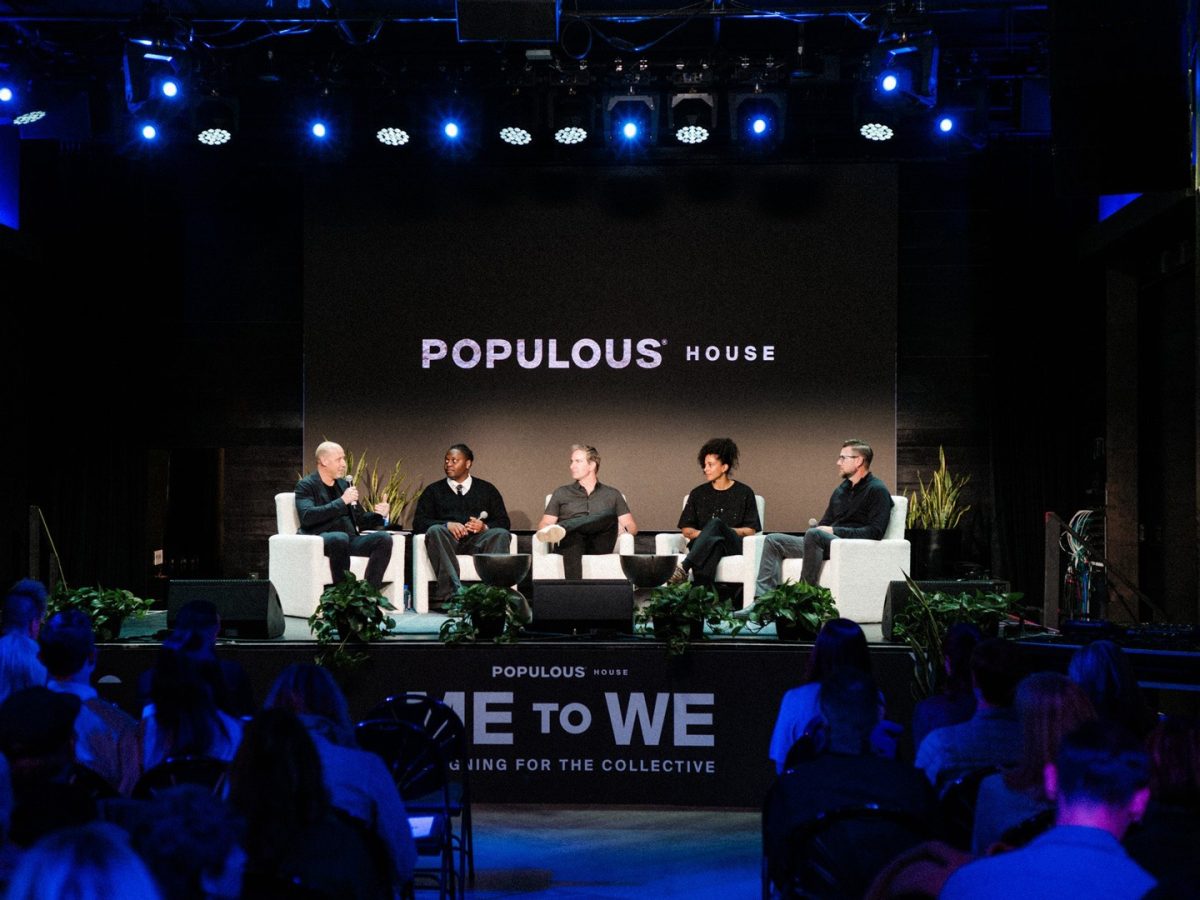
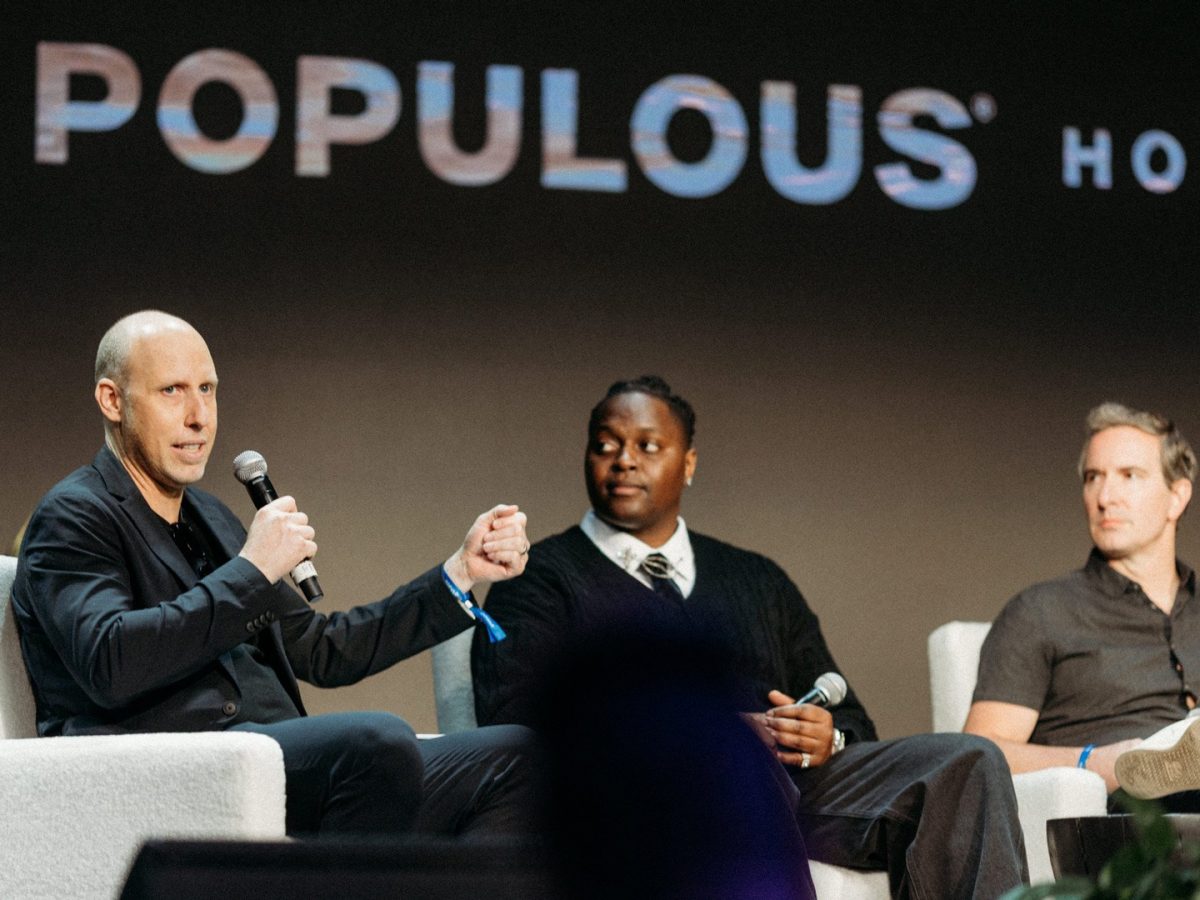
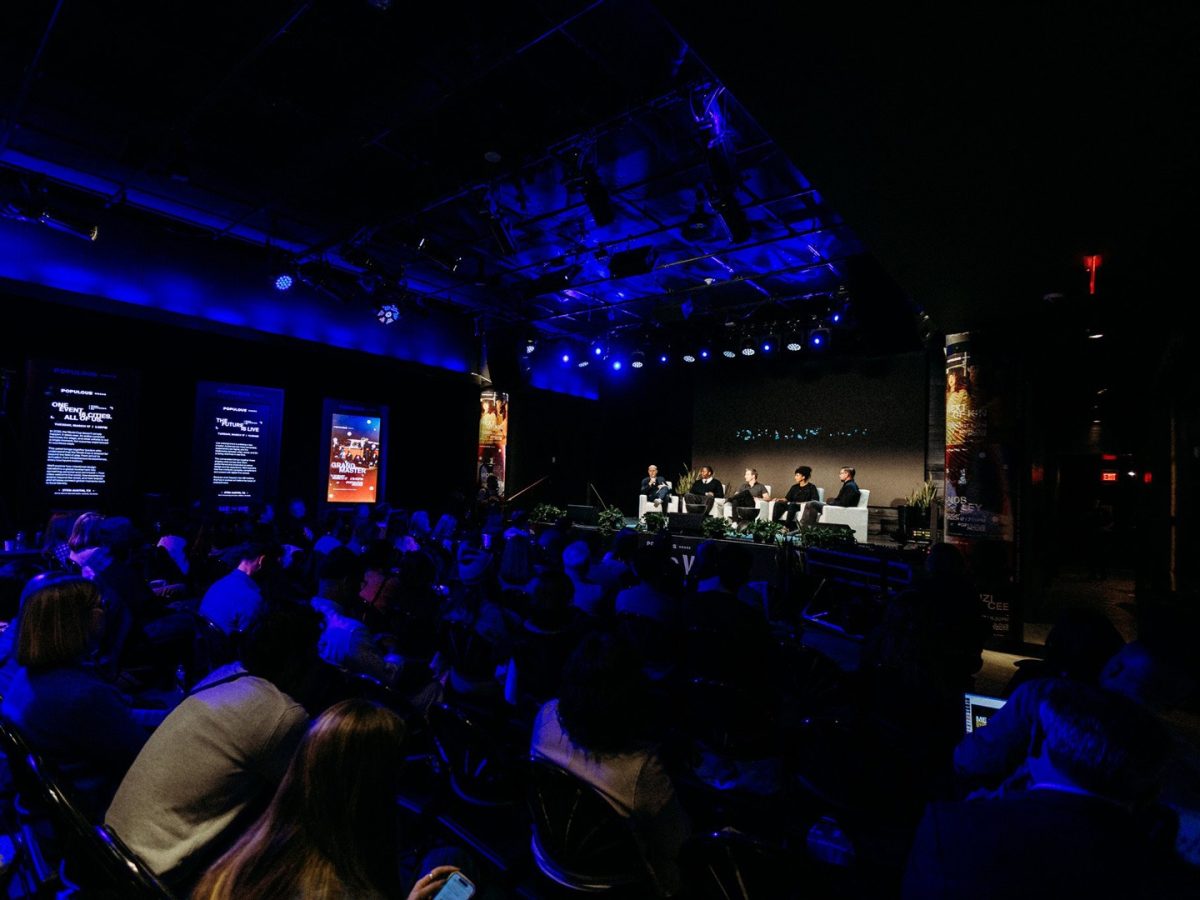
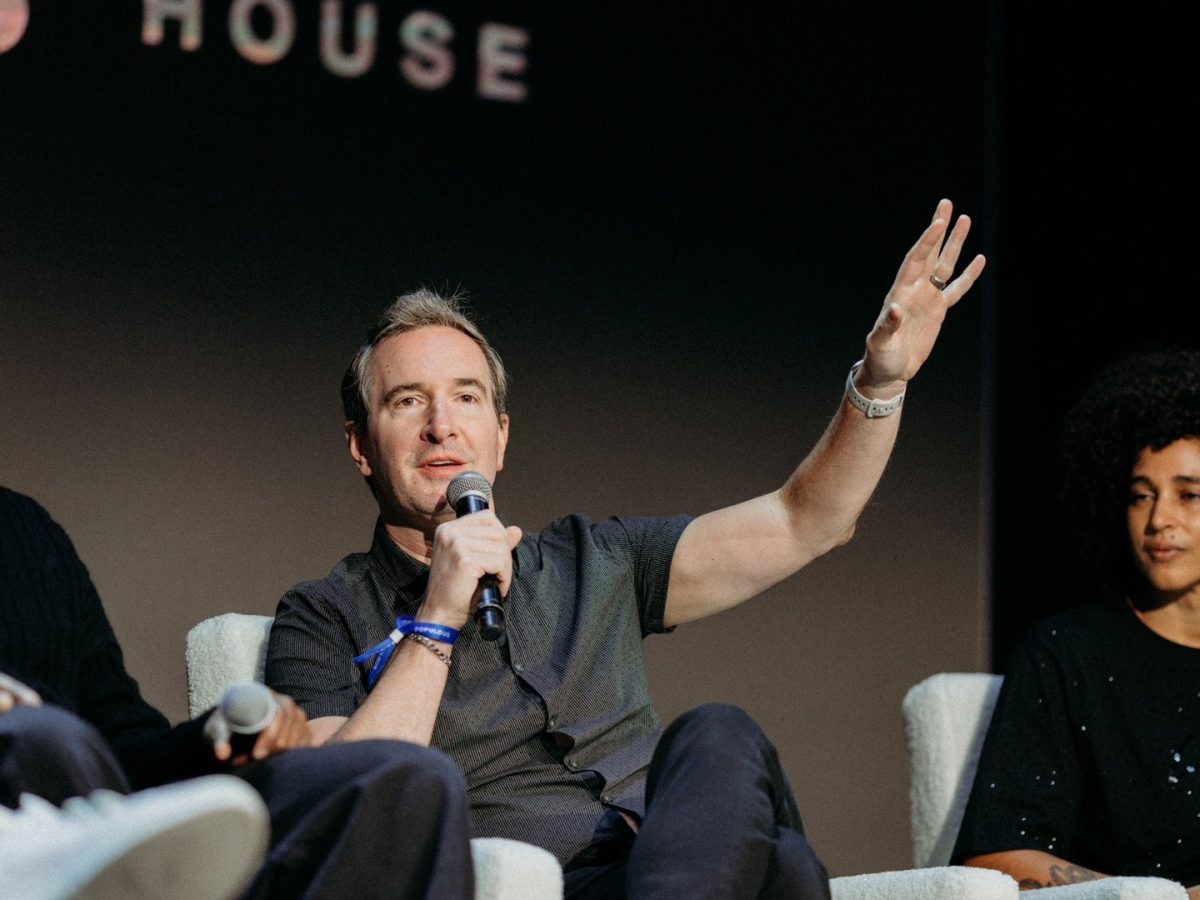
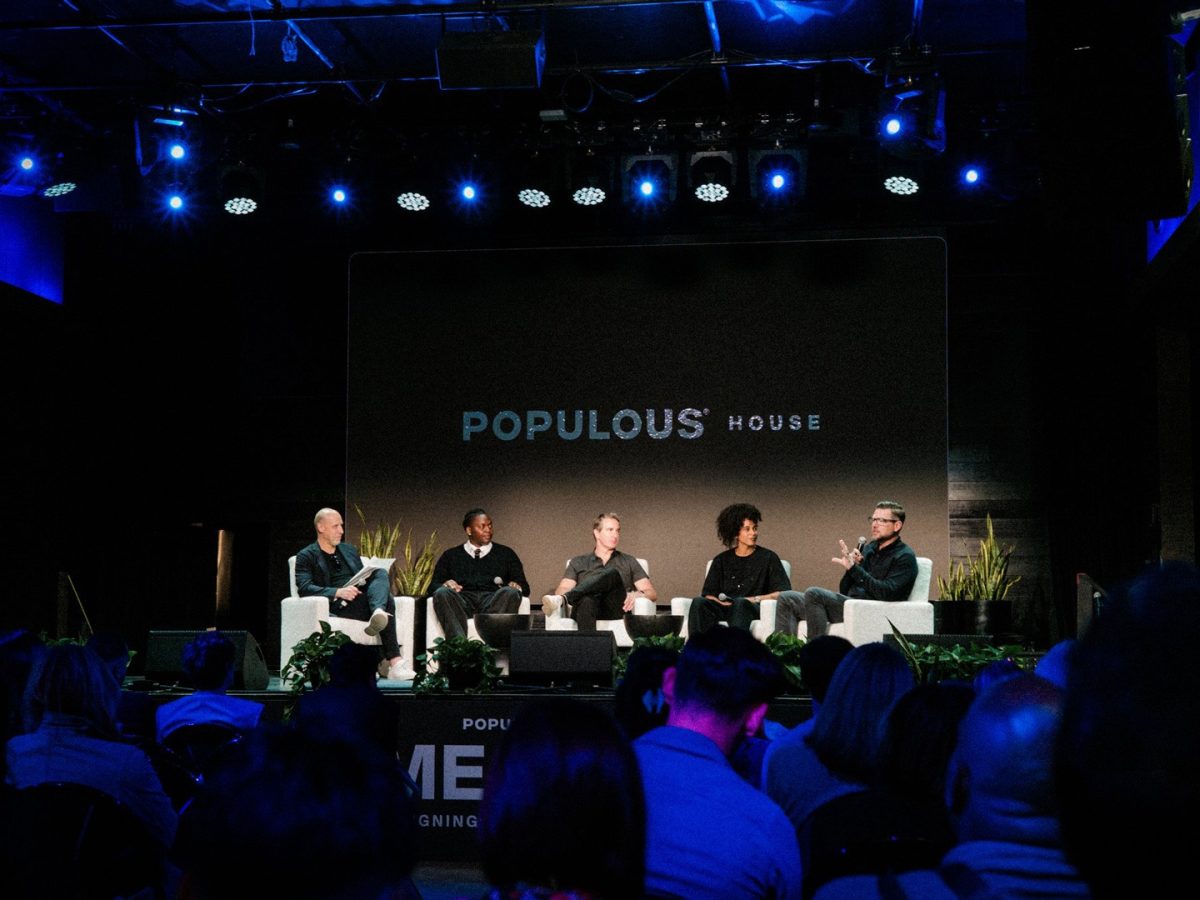
At Populous House in Austin, that moment surfaced again and again as artists, designers and innovators described what makes live experiences resonate.
For pop and r&b performer Kuzi Cee, it comes into focus the instant the room responds.
“When you finally get into the room with your people, you just want to be with your people,” he said.
Live entertainment continues to grow in reach and ambition. The expectation inside those spaces is evolving just as quickly.
Scale is rising. So is the standard.
Live experiences now extend far beyond a single venue or moment. Tours span continents. Audiences gather across time zones. Engagement begins well before arrival and continues long after people leave.
The reason people show up has remained consistent.
“Humans are desiring real-life experiences more than ever,” said Brian Mirakian, Senior Principal at Populous.
They want to feel present. They want to experience something in real time, alongside other people, and carry that memory with them after they leave.
What has changed is the level of expectation attached to that experience.
“People aren’t willing to lower their expectations anymore,” said Michael Lockwood, Senior Principal at Populous. “Everybody wants every moment to be special.”
That expectation applies across the entire experience. Arrival, exploration, performance, departure. Each piece contributes to how the moment is remembered.
Connection has to reach every seat
From the stage, connection is measurable.
Artists can see when a room comes together and when it doesn’t. The difference shows up in how people respond, how long they stay engaged and how the energy moves through the space.
Kuzi described that responsibility in practical terms.
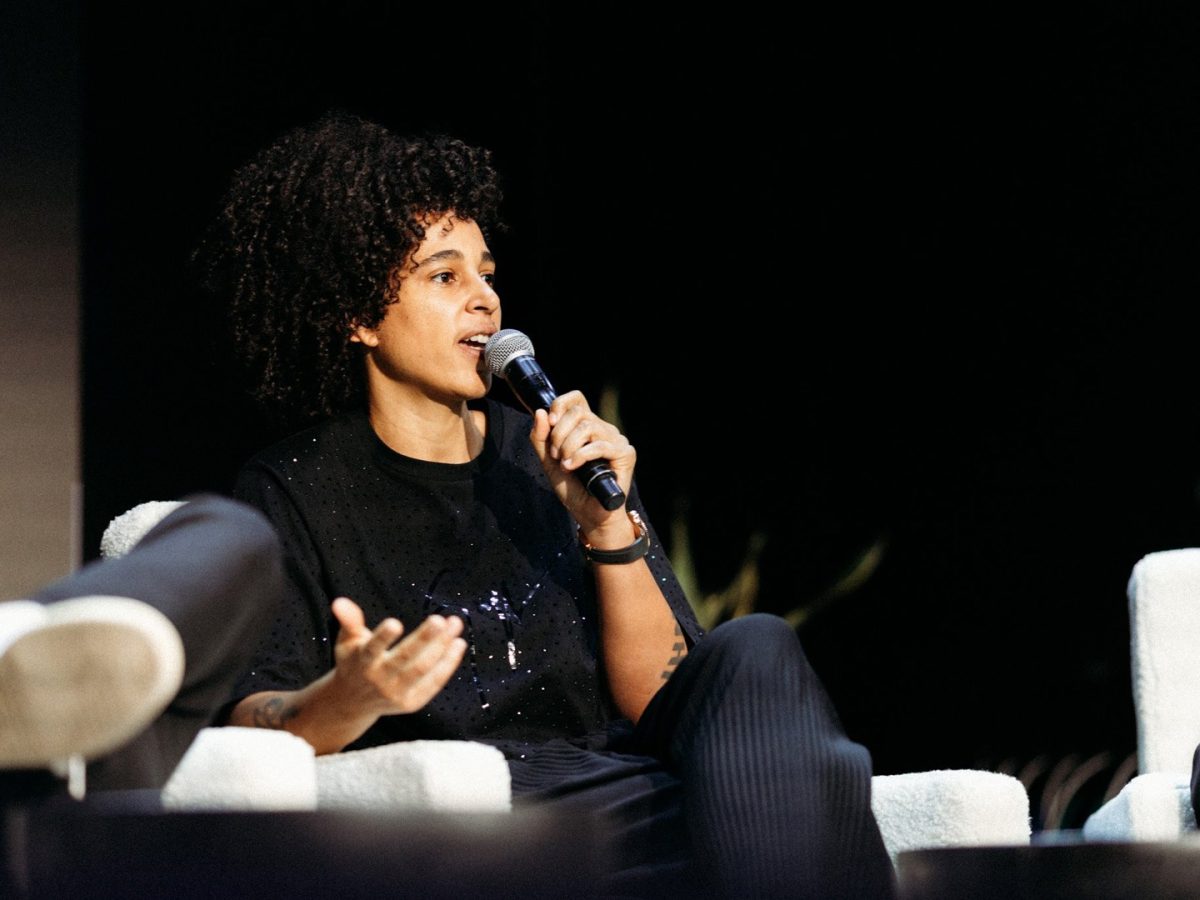
“You want to make sure they feel connected, they feel engaged, whether they’re front row or all the way at the back,” he said.
That expectation shapes how he performs. It requires constant adjustment, reading the room in real time and creating openings for people to connect with what is happening.
He leans into that dynamic fully, allowing the performance to loosen as the room builds.
“I may show up looking very presentable, very cool, but at the end of this, I’m two towels deep and now I’m a hot mess,” he said. “Because why? We just wanted to have fun.”
The more the performance invites participation, the more the audience responds. Distance dissolves. The experience becomes shared.
Design has to move with the crowd
For designers, the same principle plays out across space.
“We design the places where people love to be together,” said Michael Lockwood, Senior Principal at Populous. He followed with a clarification that anchors the work: “The most important part of that statement is that people love to be together, period.”
Design begins with behavior. It considers how people move through a space, where they gather and how they interact before, during and after an event.
“Sometimes the building needs to disappear and just let the event happen,” he said.
At the BMO Centre in Calgary, that approach shaped the entire project. By stacking the program vertically, the design team opened the ground plane and created space for festivals, markets and everyday activity. The convention center can now host major events upstairs while public festivals unfold below.
The result is a place that remains active whether a major event is underway or not. Connection is not confined to a single moment.
From watching to taking part
For Shantell Martin, artist, philosopher and cultural facilitator, that engagement begins with reconnecting people to instincts they already have.
“We’re slowly training that creativity out of ourselves, until we become a room of adults who believe we can’t do something we could do as a 2-year-old,” she said.
Her work creates simple entry points for participation. Drawing, breathing and paying attention become ways for people to re-enter the experience and contribute to it.
That shift changes how the moment is experienced. When people contribute, they carry a sense of ownership that extends beyond the event itself.
“People come away going, ‘What’d you do last night?’” said Jonathan Vlassopulos, Managing Partner at A-Force Ventures. “It’s like, ‘I drew, and then I danced on the drawing.’”
The memory stays with them because they were part of creating it.
The experience now starts earlier, lasts longer
The live experience no longer begins at the door. It builds over time and continues after the event ends.
Discovery happens across platforms. Anticipation builds in communities. The event itself becomes one moment in a longer arc.
“It’s refocusing on the fan and delivering an experience that really connects,” Vlassopulos said.
That connection spans both physical and digital environments. Each plays a role in shaping how people engage before, during and after the event.
“The general thesis is it’s both,” Vlassopulos added.
Together, they create continuity and deepen the relationship between the audience, the artist and the place.
The standard is set
As the conversation came to a close, the throughline held across every perspective.
Live entertainment will continue to grow in scale. The opportunity is clear.
The pressure is what happens inside those experiences.
“I’d say creating a safe space for people to be vulnerable, develop those deep-rooted moments in their lives and party on,” said Kuzi Cee.
That expectation is shaping how artists perform, how venues are designed and how experiences are built.
People are showing up for something they cannot get anywhere else. A shared moment that feels immediate, human and worth being there for.
That is now the standard.
###
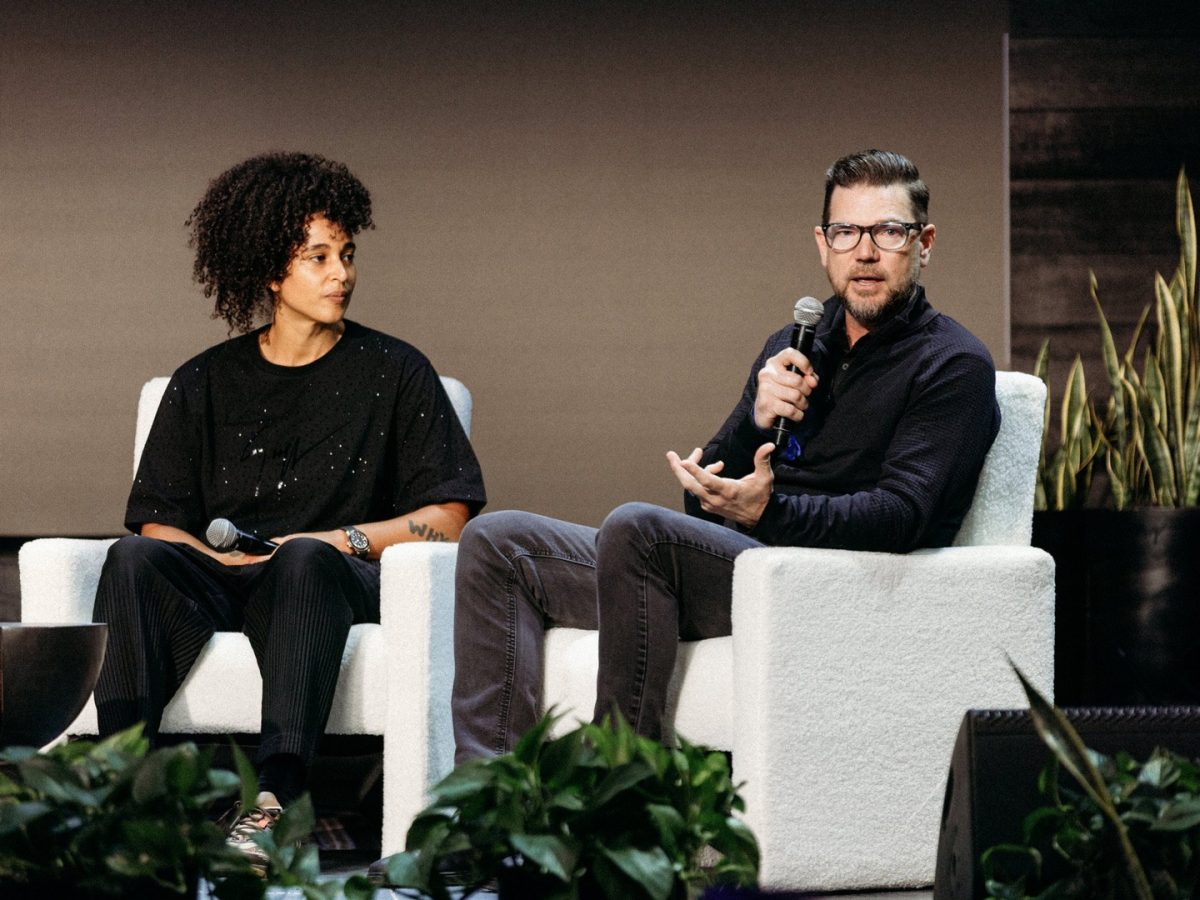
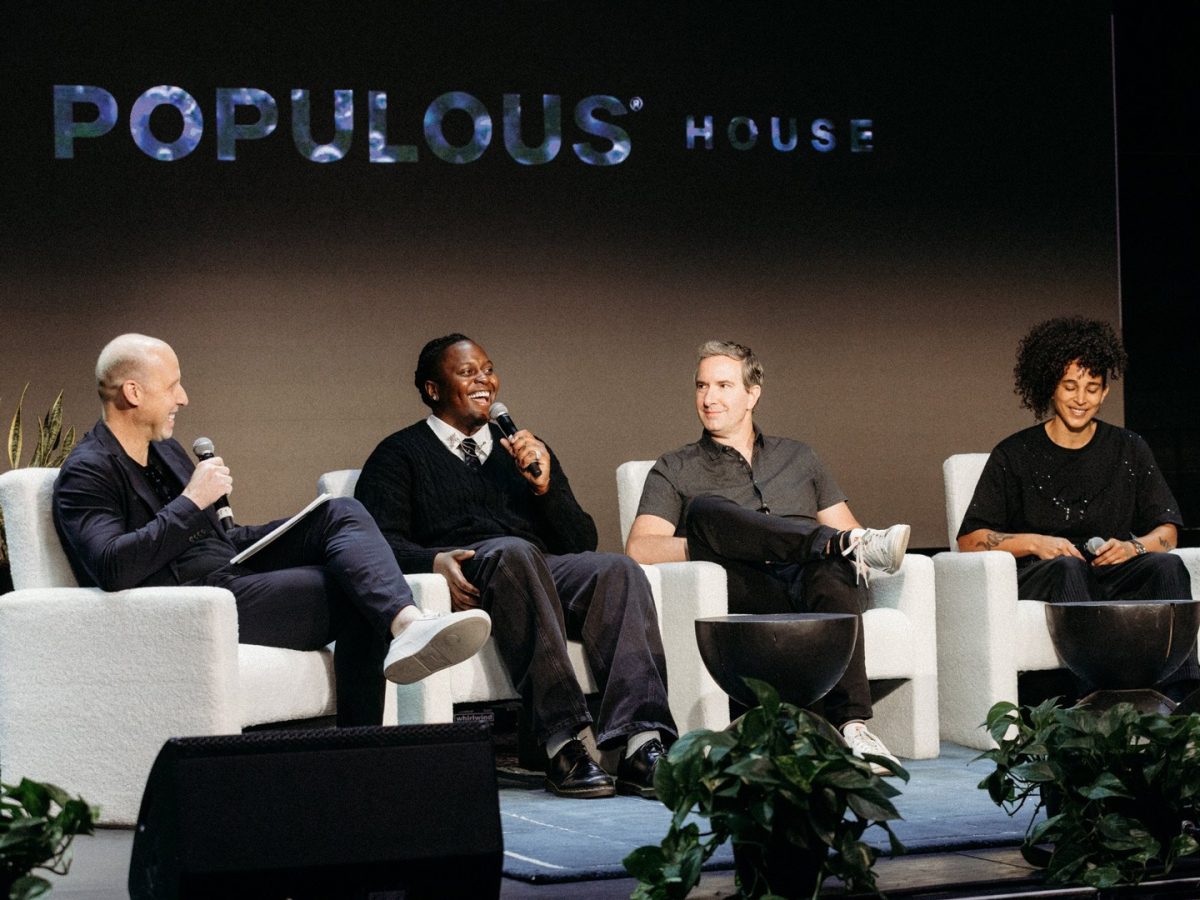
The Future is LIVE Panel
Shantell Martin, MBE | Artist, Philosopher, Cultural Facilitator
Jonathan Vlassopulos | Managing Partner, A-Force Ventures
Kuzi Cee | Performer
Michael Lockwood | Senior Principal, Populous
Brian Mirakian | Senior Principal, Populous – Moderator

Lorem ipsum dolor sit amet consectetur, adipisicing elit. Non facere corporis et expedita sit nam amet aut necessitatibus at dolore enim quis impedit eius libero, harum tempore laboriosam dolor cumque.
Lorem, ipsum dolor sit amet consectetur adipisicing elit. Illo temporibus vero veritatis eveniet, placeat dolorem sunt at provident tenetur omnis, dicta exercitationem. Expedita quod aspernatur molestias eum? Totam, incidunt quos.