December 9, 2025
Honoring the Past While Building the Future – Japan’s Infrastructure Paradox
Written by

Learning from decades of sport and society
Japan’s relationship with sporting infrastructure runs deep. The 1964 Olympics triggered a transformation that extended far beyond new buildings. That year, color television arrived in Japanese homes just as sport became a unifying national experience. Stadiums stopped being specialist venues and became cultural landmarks; athletes became household names; and sporting infrastructure wove itself into the fabric of everyday life.
What makes this history relevant now is that the mid-twentieth century venues built during this period have not been discarded. They have been reimagined. Meiji Jingu Stadium, which hosted Babe Ruth when he visited Japan in 1934, still operates today. It stands as proof that well-built infrastructure can serve multiple generations. This continuity shapes current thinking: infrastructure is not just a vehicle for national prestige; it is a mechanism for regional revival, economic growth and community purpose.
Economic momentum
Japan’s sports market has genuine momentum. The government-backed Stadium Arena Reformation initiative, launched in 2016, identifies venues capable of delivering regional economic revitalization, and the numbers are significant. Japan’s sports sponsorship market stands at approximately US$2 billion, projected to grow 8.5% annually. The sporting events market expanded from US$22.5 million in 2024 to a forecast of 39.2 million US dollars by 2030, representing a compound growth rate of 9.7%.
This financial trajectory underpins a wave of projects with genuine community purpose and moves beyond mere commercial ventures.
Three projects; three solutions
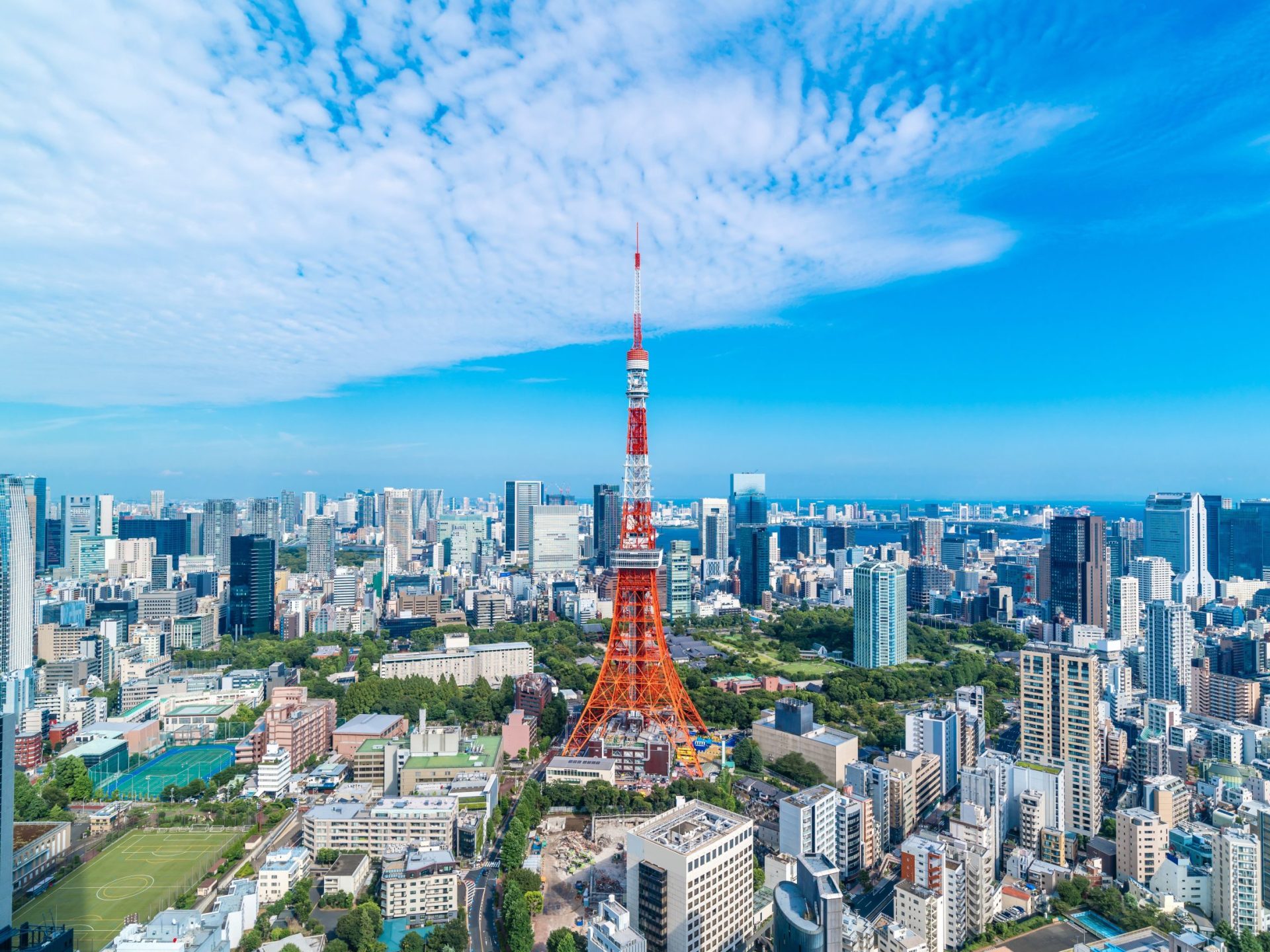
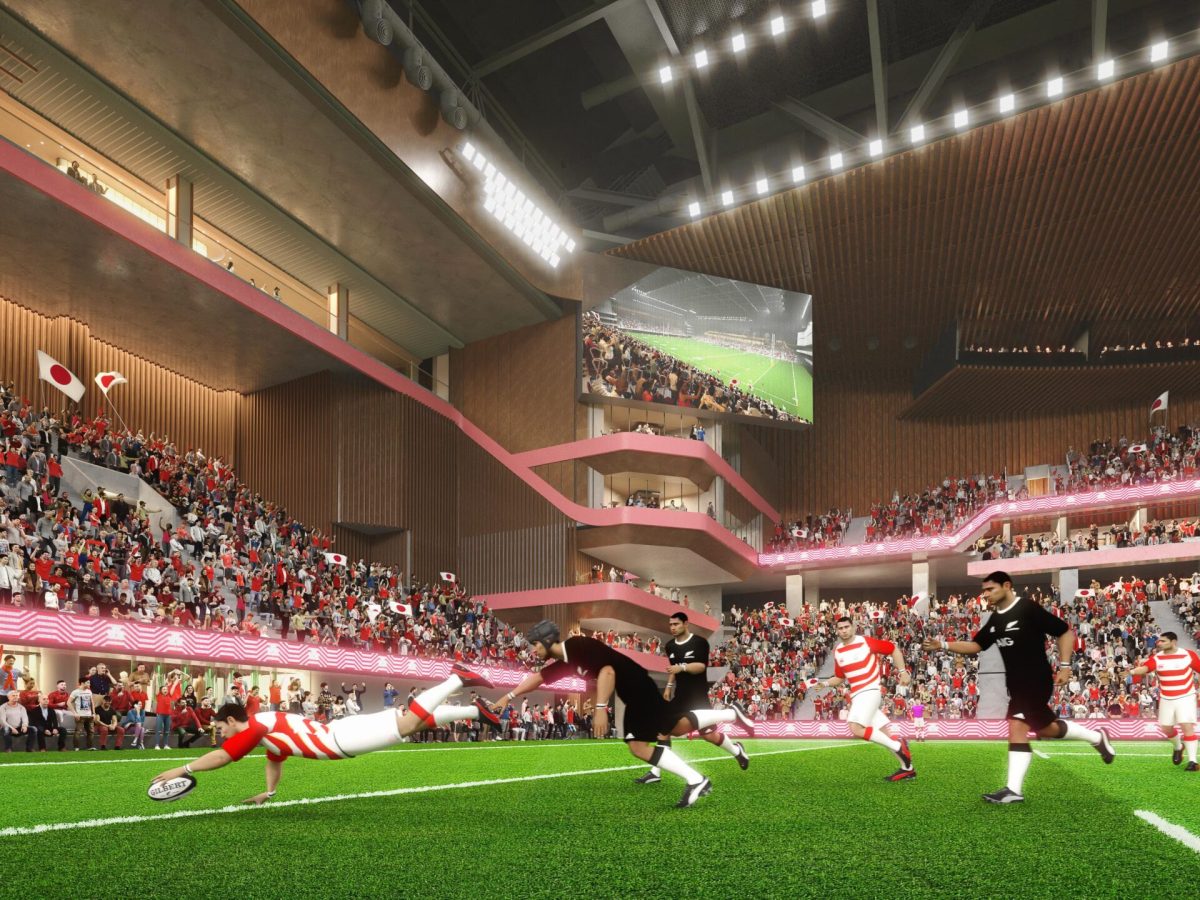
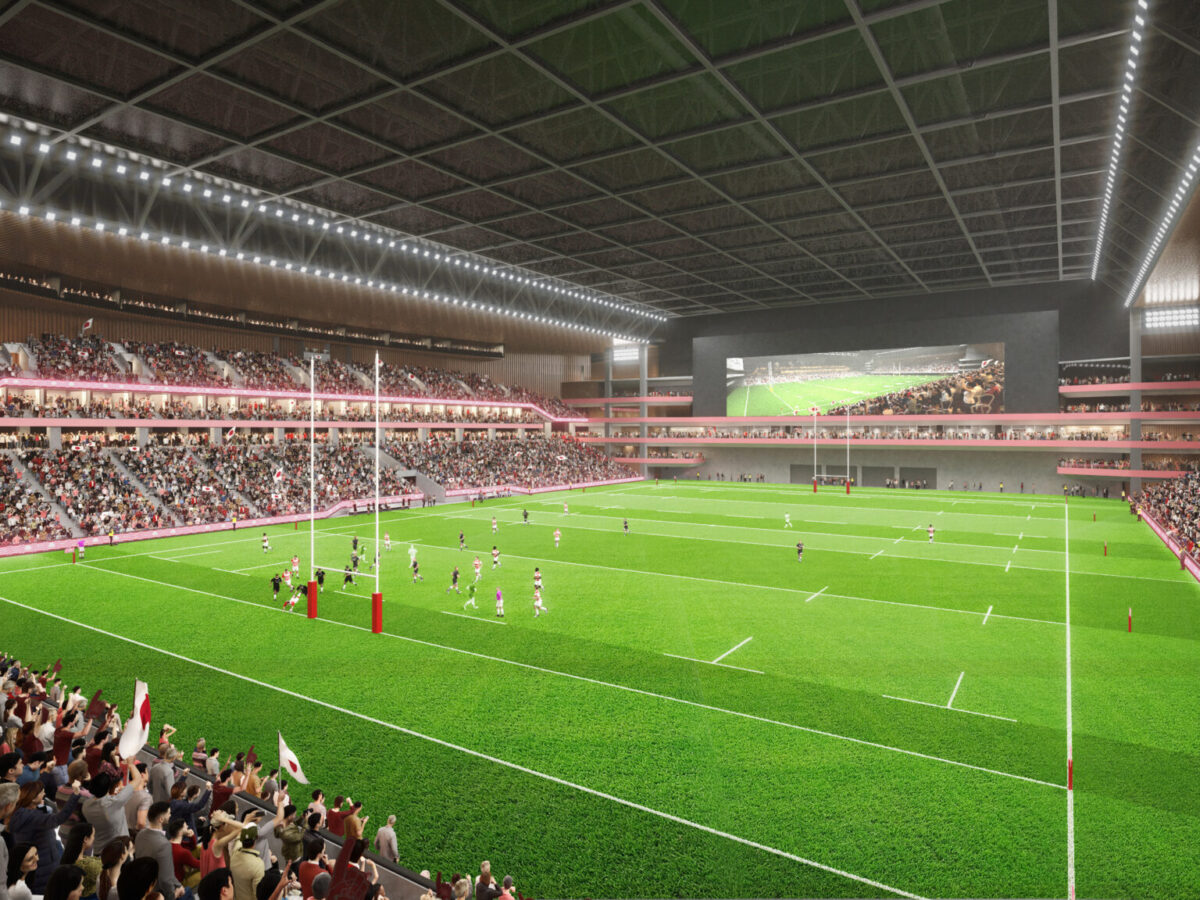
Consider how Japan’s current generation of sports venues demonstrates locally responsive design. The Japan Rugby Stadium occupies a spot in the historic Meiji precinct in Tokyo, where heritage sites including Meiji Jingu Stadium operate alongside new developments.
Rather than impose solutions from elsewhere, the team created a viewing tower for the New Prince Chichibu Memorial Rugby Stadium, which will offer multiple viewing perspectives whilst maintaining intimate proximity to the field. This innovation emerged from constraints; tight site boundaries forced creative solutions. The result is a venue that will be rooted in its context, not transplanted from elsewhere.
Tsukiji presents a different challenge and response. Tokyo’s former fish market district will be transformed from a single-purpose facility into a mixed-use cultural destination. The scale is vast: the development serves 40 million people across the greater metropolitan area and draws approximately 500 million tourists annually. The design philosophy, however, remains constant. Rather than erasing the district’s reputation as ‘Tokyo’s kitchen’, the new precinct celebrates artisan traditions, food culture, and craftsmanship alongside modern entertainment and sporting functions.
Himeji City, a regional city with 520,000 residents, demonstrates how mid-sized infrastructure can serve local communities while attracting international events. A new 5,000-capacity arena hosts both international sporting competitions and traditional Japanese disciplines like judo and kendo. Crucially, wellness facilities are designed for daily community engagement, not just event days. The distinction matters. Infrastructure that sits empty 11 months of the year generates neither economic return nor social benefit. Infrastructure that serves its community daily generates both.
New Prince Chichibu Memorial Rugby Stadium
The design philosophy
These projects share a common approach, rejecting standardized ideas and philosophies in favor of deep local understanding.
Our architects and designers begin by interrogating what makes each place distinct and then embedding that identity into new infrastructure. This means combining global best practice with locally rooted functionality.
Rather than importing a template, architects examine how tradition and technology might coexist; how sumo wrestling’s 1500-year heritage can share space with modern entertainment; how centuries-old shrines can anchor contemporary mixed-use precincts.
This philosophy produces venues with distinctive character. A tower in a rugby stadium is not a gimmick; it reflects the challenge of designing world-class spectator experiences within a constrained urban site. Mixed-use programming in former market districts is not trendy; it preserves the cultural identity that attracts both residents and visitors.
Critical balance
Japan’s challenge mirrors a broader urban challenge facing cities globally as they attempt to reconcile community benefit with commercial sustainability demands. Ageing facilities lag global standards in accessibility and technology while regional venues struggle with low utilization rates and insufficient private-sector expertise. Public-private partnership models are gradually emerging, though risk allocation remains contentious.
Yet this struggle yields opportunity. Infrastructure projects now focus on prioritizing their communities meaningfully rather than being centers of spectacle. The question has shifted from “Will this venue attract attention?” to “Will this venue remain relevant to the people who live here?”
Building infrastructure for the long term
The emerging challenge is ensuring that large pieces of infrastructure maintain relevance across their entire lifespan. An Olympic and Paralympic venue that serves its host city for 60 years requires different thinking than a facility designed for a single mega-event. This requires understanding the core function of a city and its role within the urban fabric – the identity and experiences unique to each place.
Strategic frameworks need to support long-term positive impact rather than short-term returns. When teenagers access the same courts as international competitors; when local food traditions integrate with modern programming; when communities see their identity reflected in new facilities then infrastructure becomes genuinely sustainable. Completion is not the finish line; it is the beginning of continued growth.
A sustainable model
The Japanese model resists the mindset that characterizes much global infrastructure development. Sporting venues need to function as more than isolated economic assets and act as platforms for social cohesion, cultural expression and collective pride. The infrastructure landscape across the Asia Pacific can learn from this approach. It requires patience, demands deep engagement with local context and necessitates balancing commercial viability with community value.
Japan’s experience suggests that the most enduring sporting infrastructure is not the most expensive. It is the infrastructure that communities claim as their own; that serves them consistently over decades; that connects people, places and shared possibilities. This is not new thinking, but it is increasingly rare, and in that rarity lies opportunity for cities willing to build differently.

Lorem ipsum dolor sit amet consectetur, adipisicing elit. Non facere corporis et expedita sit nam amet aut necessitatibus at dolore enim quis impedit eius libero, harum tempore laboriosam dolor cumque.
Lorem, ipsum dolor sit amet consectetur adipisicing elit. Illo temporibus vero veritatis eveniet, placeat dolorem sunt at provident tenetur omnis, dicta exercitationem. Expedita quod aspernatur molestias eum? Totam, incidunt quos.