April 13, 2026
Why Cities Need Design to Thrive
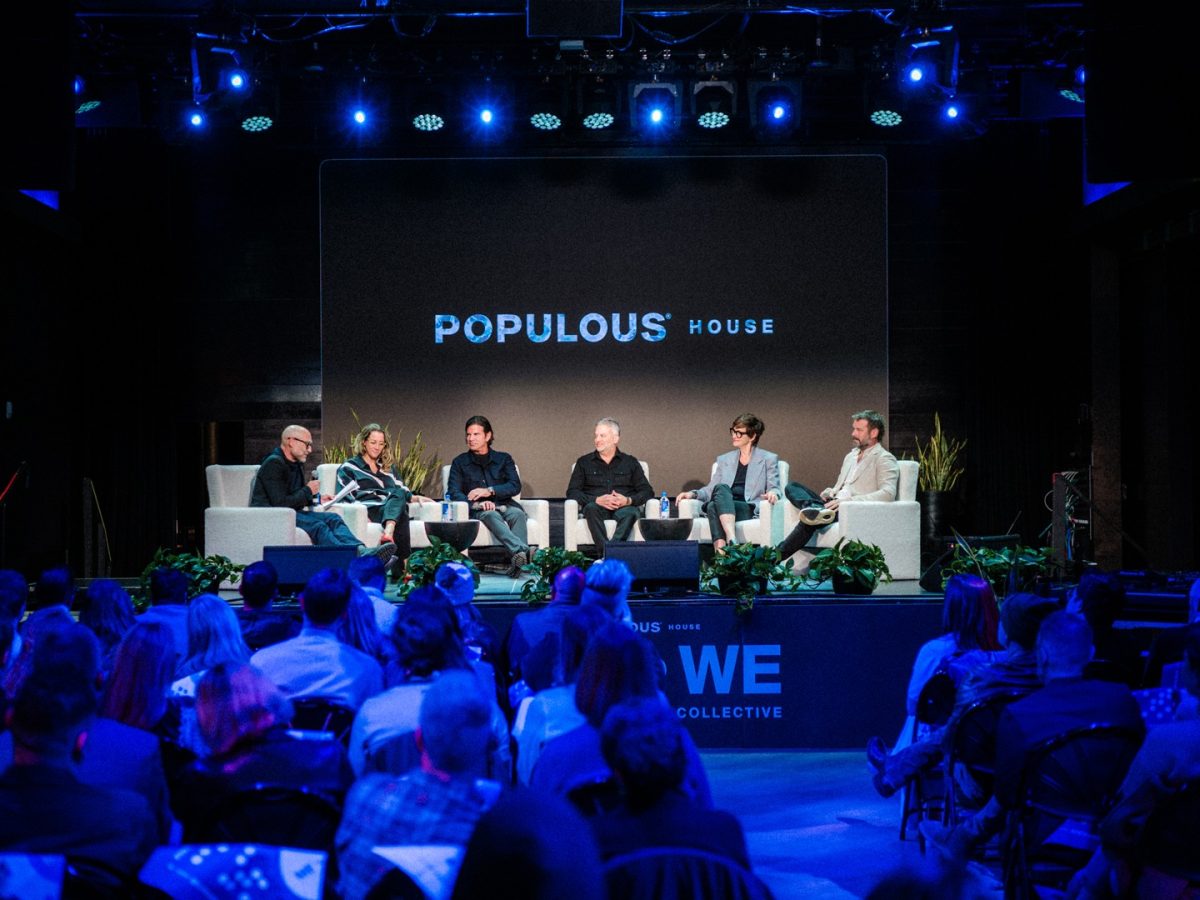
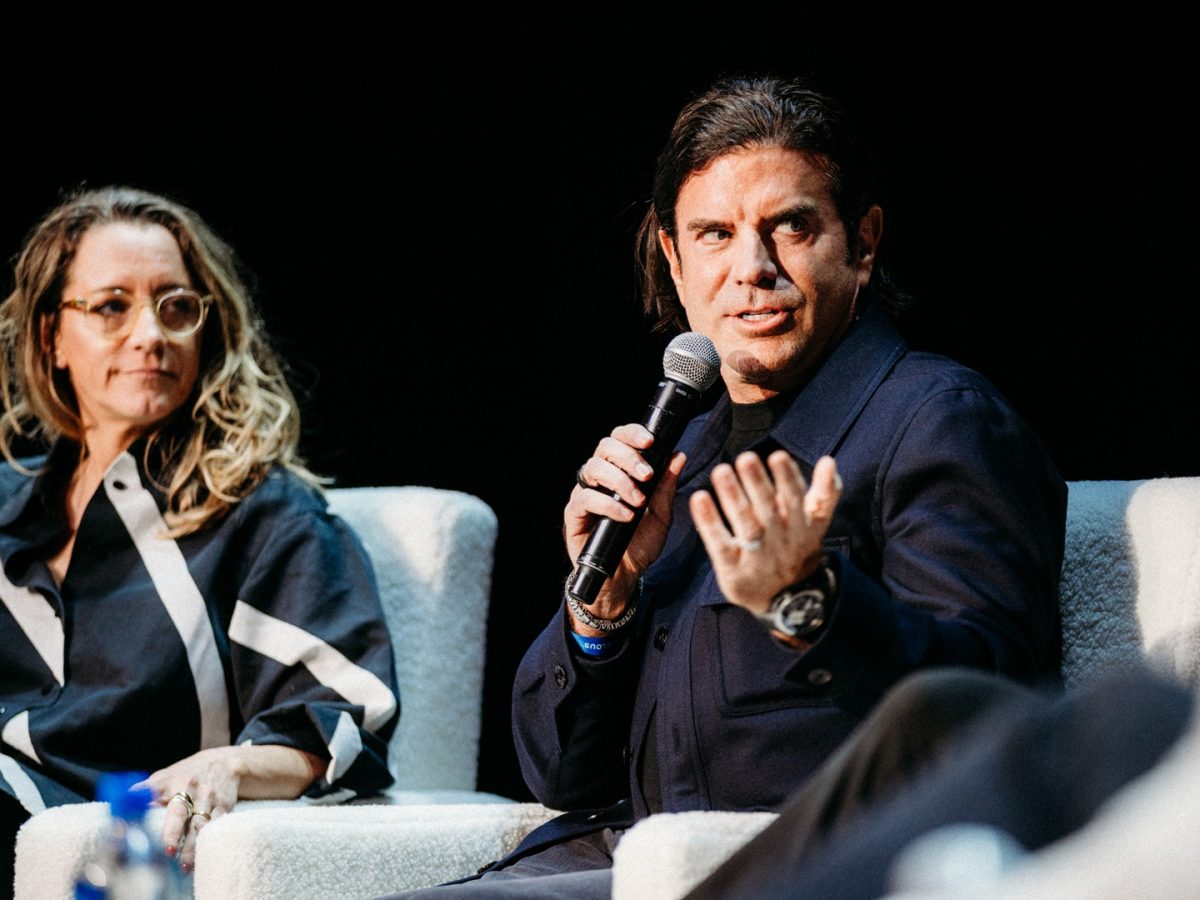
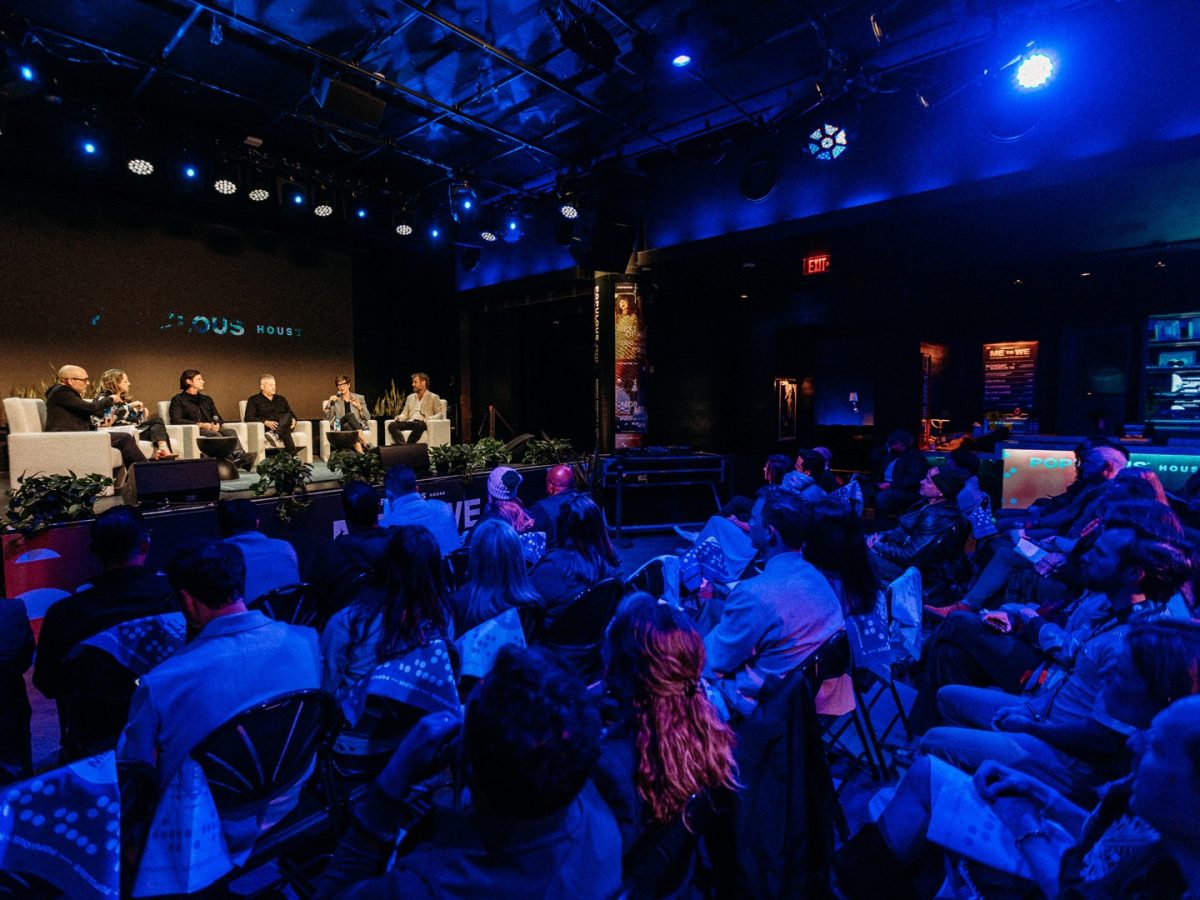
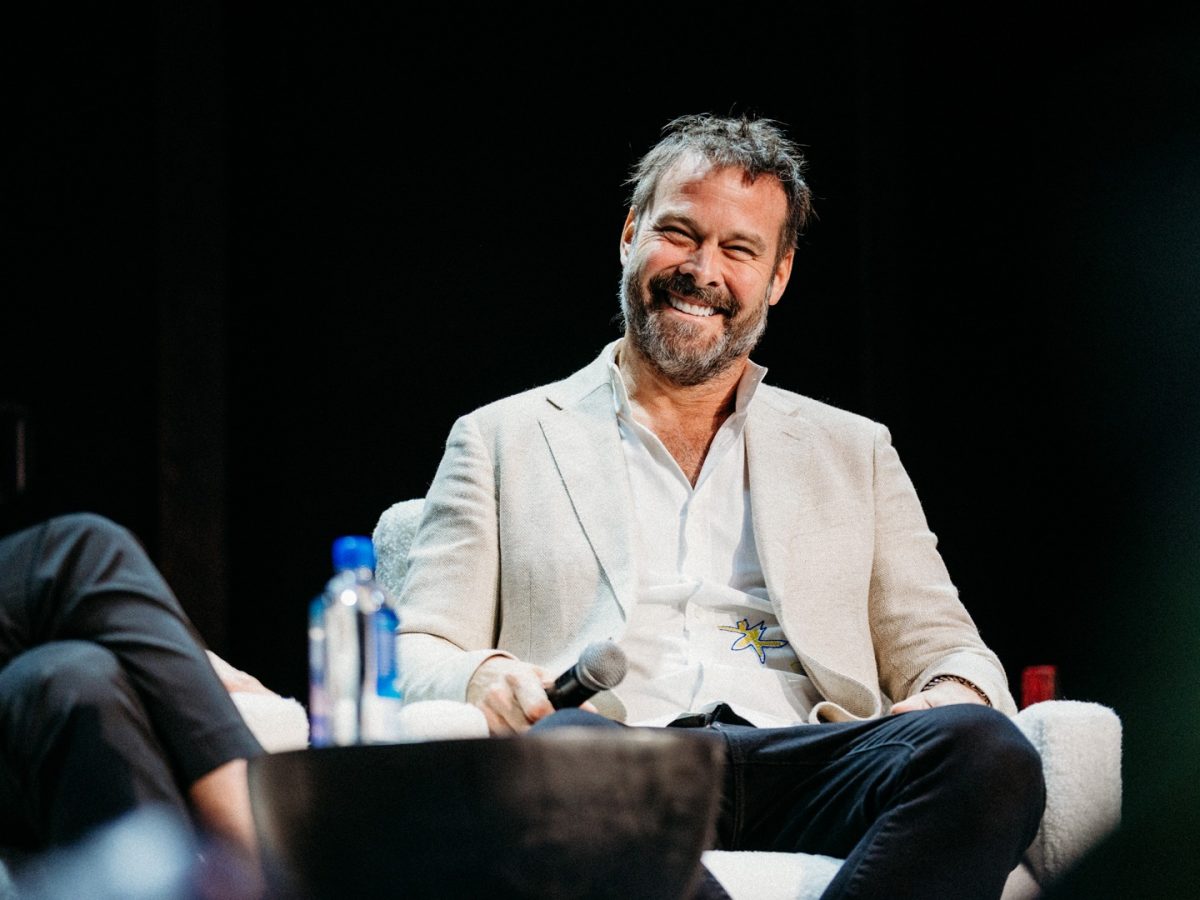
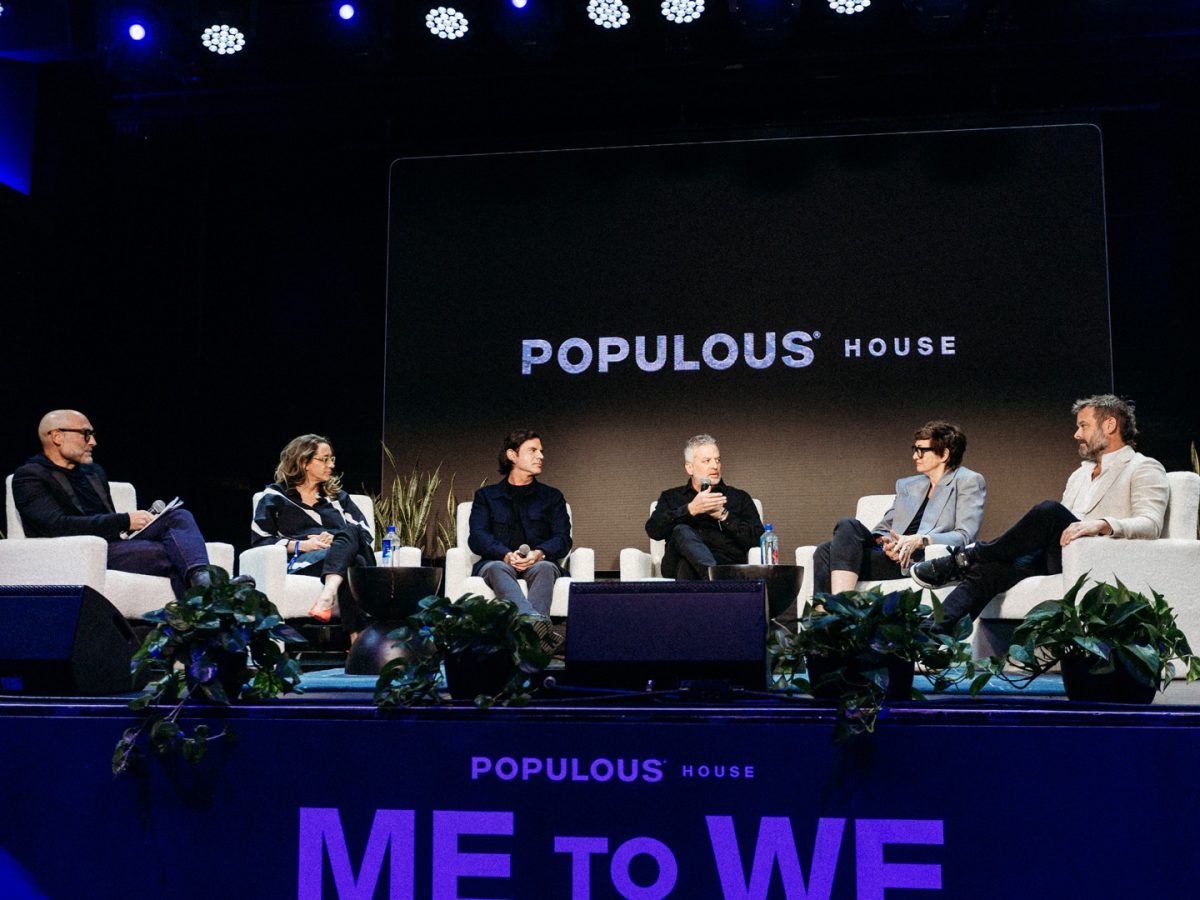
Inside Populous House in Austin, the conversation moved across sport, entertainment and the future of cities, but kept returning to a single idea: the places people come back to, and the ones they talk about, are shaped by how they make people feel.
For Chris Danton, that shift is already underway. The focus has evolved beyond moving crowds efficiently or delivering a single moment of excitement. It now centers on environments that hold energy, build connection and stay relevant over time. These are places people choose to be and return to.
That perspective carried through the broader discussion. As expectations change and attention fragments, venues and districts are being asked to extend their role. The opportunity is to create aliveness, spaces where people gather, linger and connect in ways that reach beyond the main attraction.
Later in the conversation, David Adelman offered a simple way to describe it. People respond to each other’s energy, he said. That human pull, subtle but powerful, is what great places are built to amplify.
The live premium
Chris Danton, Chief of Ideas + Co-Founder, IN GOOD CO, put it plainly. As people retreat from digital overload, they are also “seeking out radical spectacle because we want to feel really alive.”
It is not just live experience, she argued. It is “aliveness.”
That distinction matters. For years, technology promised more access, more convenience, more connection. Now, it is sharpening the value of what it cannot replicate: trust, presence, the certainty of having experienced something firsthand. Danton described that need as fundamentally human. “These are venues to create belonging, create trust.”
At Populous House, that idea became the brief.
Authenticity is now the design challenge
For Jonathan Mallie, Global Director & Managing Director of the Americas at Populous, the conversation starts with a word that keeps gaining weight: authenticity.
“AI is this tool, and it should be about the how, but not about the what,” he said. “The what needs to remain authentic.”
That is a useful correction to the way cities and venues are often discussed. The question is not whether technology belongs. It does. The question is what the technology enables.
At their best, Mallie said, our venues are “these vessels that contain live experience.” And those live experiences — music, sport or spectacle — create connection that technology simply cannot replicate.
Dom Audet, Co-Founder and Chief Innovation Officer, Moment Factory, echoed that point from a different angle. “We’re mastering this technology, but always for the live [experience],” he said.
That is the shift. Digital is no longer the destination. It is the support system. The real product is still what happens when people show up.
The venue is no longer the whole story
If one theme united the panel, it was this: stadiums are no longer isolated buildings built for a few hours of use. They are civic anchors.
Adelman called sports teams “a community asset” and described ownership less as control than stewardship. “My partners and I, we always say we’re just stewards of this franchise for a defined period of time,” he said.
That mindset changes the design brief. A venue cannot simply function on event day. It has to contribute to the life of he a city before, during and after the main attraction.
“Mom and dad hire a babysitter to go to a concert or a sporting event,” Adelman said. “They are entitled to more than just what happens in the arena.”
What follows from that is bigger than hospitality. It is urbanism. Pre-event. Post-event. Dinner. Public space. The chance to stay a little longer. The reason to come even when nothing is scheduled inside.
Mallie framed that demand in economic terms, but also in human ones. “We are in this experience economy,” he said, and that is what is driving the push for districts around venues.
From parking lots to cathedrals
Mallie offered the line that best captures the evolution of the industry.
“Forty-five years ago, they really were stadiums in a parking lot,” he said. Over time, as more moments were made in these purpose-built structures, “we started thinking of them as these cathedrals for memories.”
That shift reflects how the role of the stadium has changed. The building still matters. What endures is what happens inside (or even outside) it.
The point surfaced more than once. What stays with people is not just what happened, but how it felt to be there.
Design for the second life
Winka Dubbeldam, Founder & Partner, Archi-Tectonics and Director & CEO, SCI-Arc, pushed the discussion beyond sport and into the longer timeline cities demand.
Describing her work on the Asian Games, she said, “Every building was built for the future of the city, and we kind of loaned it back for two weeks to the Olympics.”
That is the kind of sentence that should reset how architects talk about legacy. The spectacle matters. But the harder and more consequential question is what remains when the spotlight moves on.
In Dubbeldam’s case, that meant hybrid buildings, restored local ecology, and public life that continued after the event itself. In one of the panel’s most vivid images, she described the return of dragonflies to the site. It was a small detail, but it captured an overarching theme. Good design does not just host activity. It can restore a place’s capacity to live, and, in turn, improves the lives of people who interact with that place.
The future arena is a platform
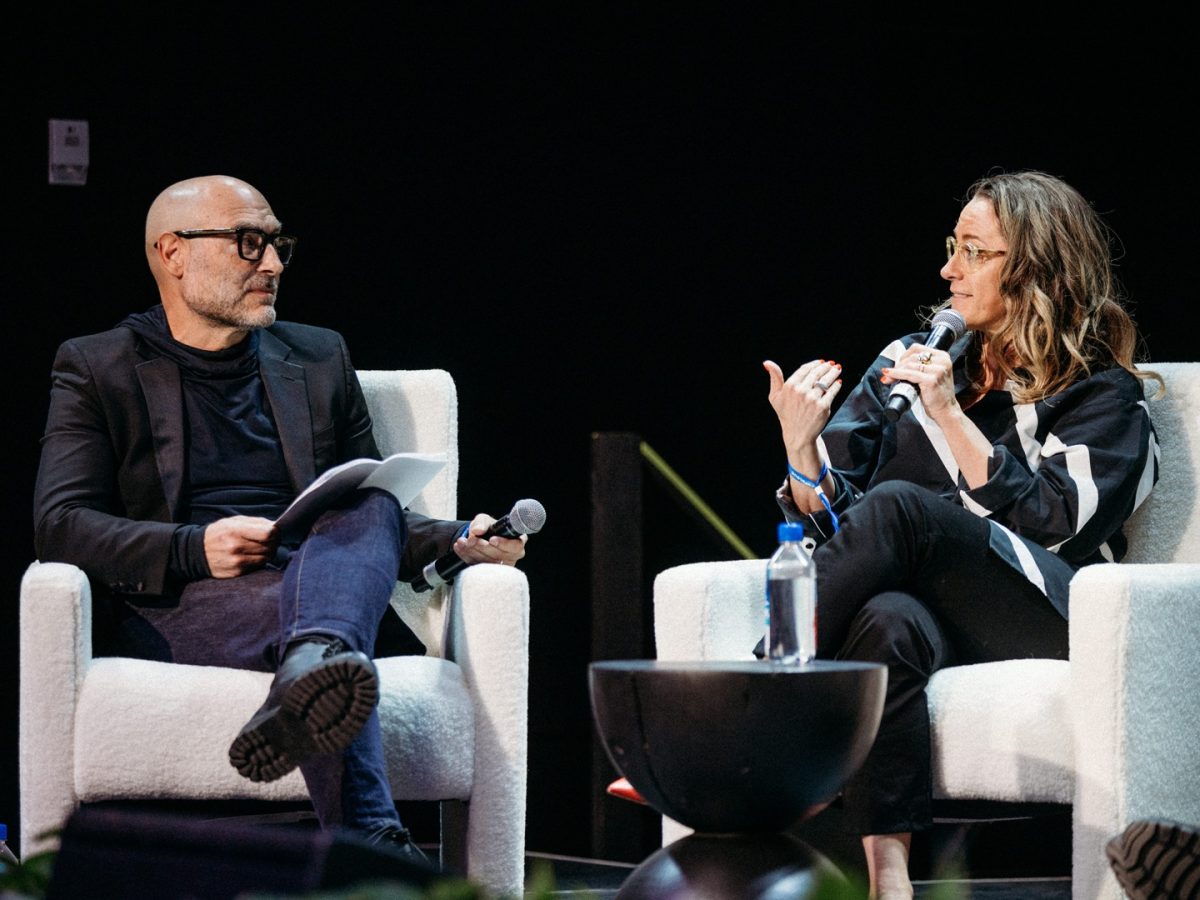
Near the end of the conversation, panel moderator Dean Di Simone posed a question: Is the future arena a building, or is it a platform?
“Well, I guess it’s a platform,” Mallie said.
That answer sounds simple, but it’s actually an enlightening gateway. A platform is adaptable. It can evolve with technology, with audiences, with culture. It can connect to a district. It can connect to other venues. It can support new kinds of programming without losing its center.
For Adelman, that means venues that still feel fresh decades later.
For Audet, it means content and operations that scale with the life of a place.
For Danton, it means environments that answer a growing hunger for trust and belonging.
For Populous, it means designing spaces that pull people off their phones and back into one another’s orbit.
From me to we
At the start of the day, Mallie said the concept of Me to We “really struck a chord” with Populous. Ariana Vargas, Head of Brand, Media and Events, named the word underneath it: belonging.
By the end of the panel, that idea felt less like a theme than a test.
Can a city create places where people want to gather, not just pass through?
Can a stadium do more than host a game?
Can design make room for energy, memory, trust and return?
At Populous House in Austin, the most compelling answers were not abstract. They were physical, emotional and shared.
A dog does not need your attention to feel connected. It just wants to be near you.
The best venues and cities understand that, too.
###
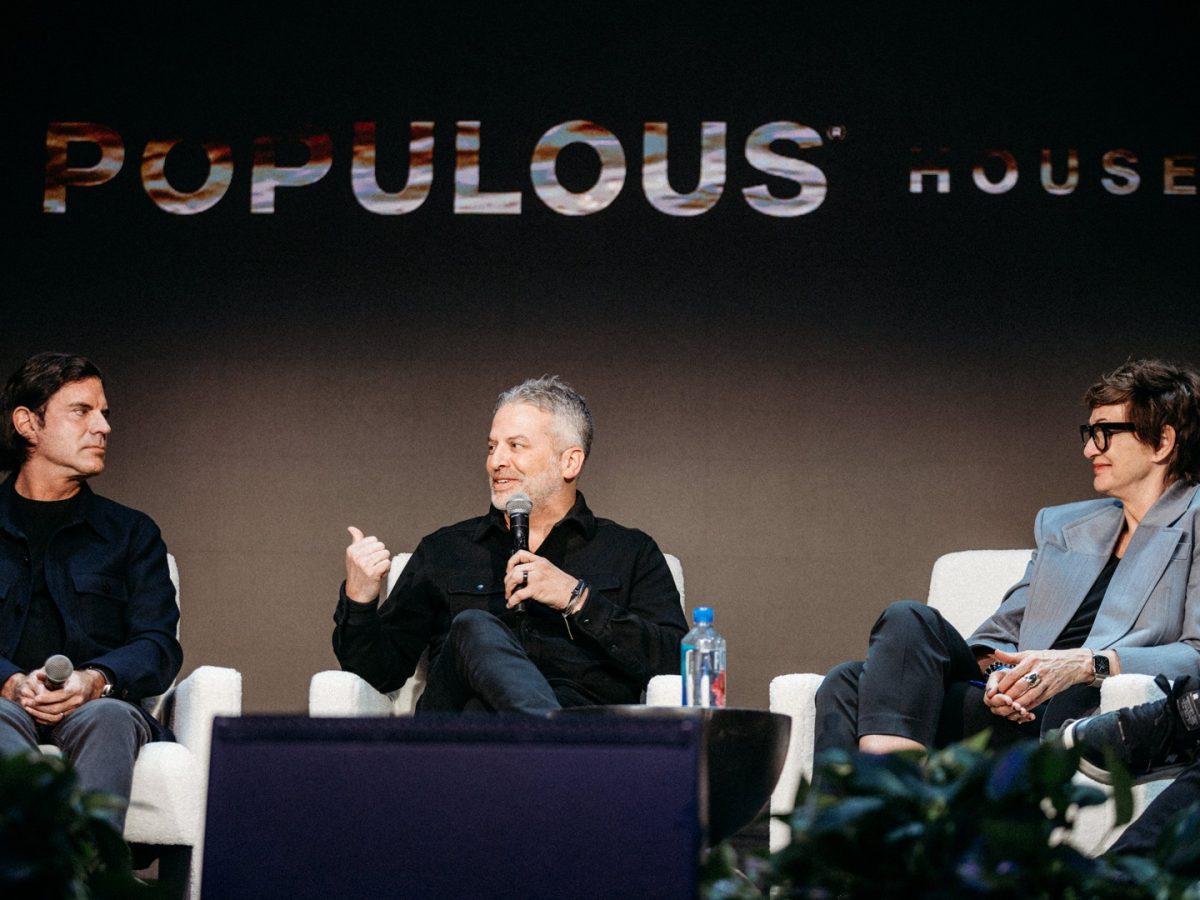
The City as Collection Ambition Panel
David Adelman | Partner, HBSE/Philadelphia 76ers & Founder, Darco Capital
Dom Audet | Co-Founder and Chief Innovation Officer, Moment Factory
Winka Dubbeldam | Founder & Partner, Archi-Tectonics and Director & CEO, SCI-Arc
Chris Danton | Chief of Ideas + Co-Founder, IN GOOD CO
Jonathan Mallie | Global Director & Managing Director – Americas, Populous
Dean DiSimone | Director, Studio Di Simone – Moderator

Lorem ipsum dolor sit amet consectetur, adipisicing elit. Non facere corporis et expedita sit nam amet aut necessitatibus at dolore enim quis impedit eius libero, harum tempore laboriosam dolor cumque.
Lorem, ipsum dolor sit amet consectetur adipisicing elit. Illo temporibus vero veritatis eveniet, placeat dolorem sunt at provident tenetur omnis, dicta exercitationem. Expedita quod aspernatur molestias eum? Totam, incidunt quos.