March 25, 2026
Why the Future of Innovation Depends on Shared Experience
Written by

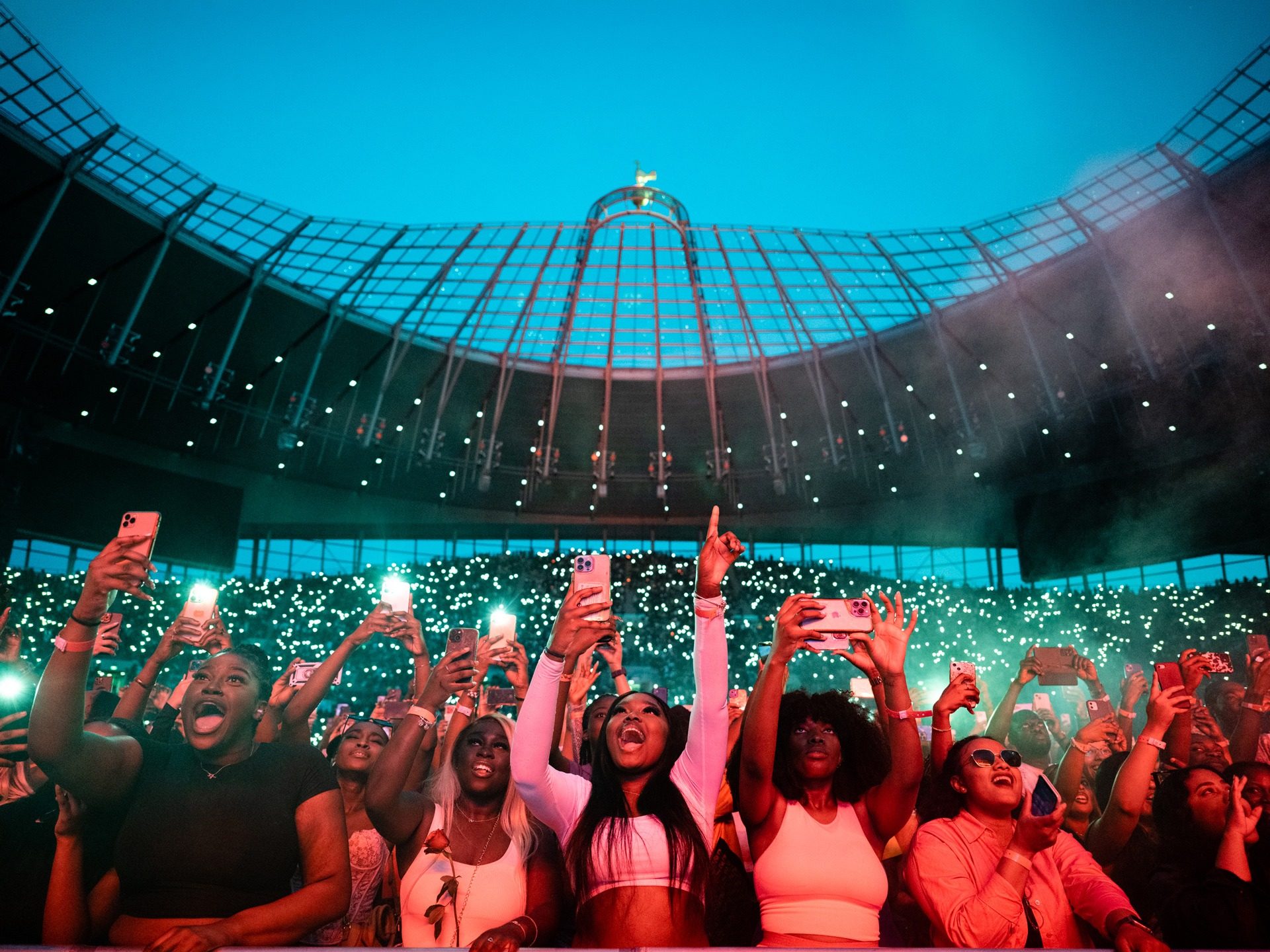
From the moment humans emerged, gathering followed closely behind. Long before technology, people came together to survive, to exchange ideas, and to create meaning. Across cultures and centuries, we’ve designed places to support this instinct: town squares, theaters, stadiums, and cathedrals. These weren’t just buildings. They were environments built to inspire awe, connection, and a sense of belonging.
The growing shift in design and innovation—from “me” to “we” is now unmistakable. At a time when technology is more personal and isolating than ever, people are actively choosing real-world, shared experiences. And that choice carries an important lesson for innovators.
Gathering Is Still Our North Star
As AI and immersive technologies accelerate, designers and technologists face a defining challenge: how to harness extraordinary new tools without overpowering the deeply human instincts that make experiences meaningful in the first place.
Recent trends suggest people are quietly pushing back against technologies that isolate. The response isn’t rejection—it’s recalibration. People want technology that enhances togetherness, not replaces it.
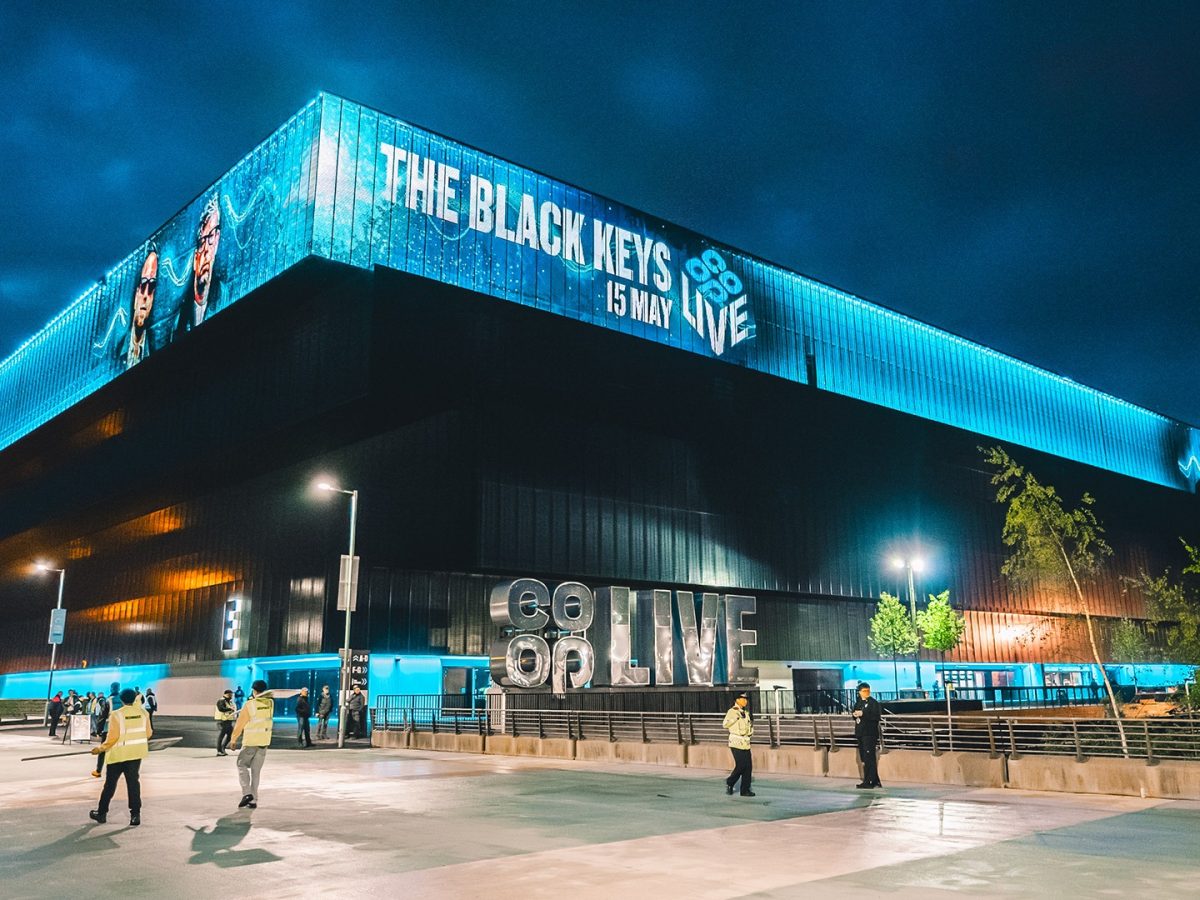
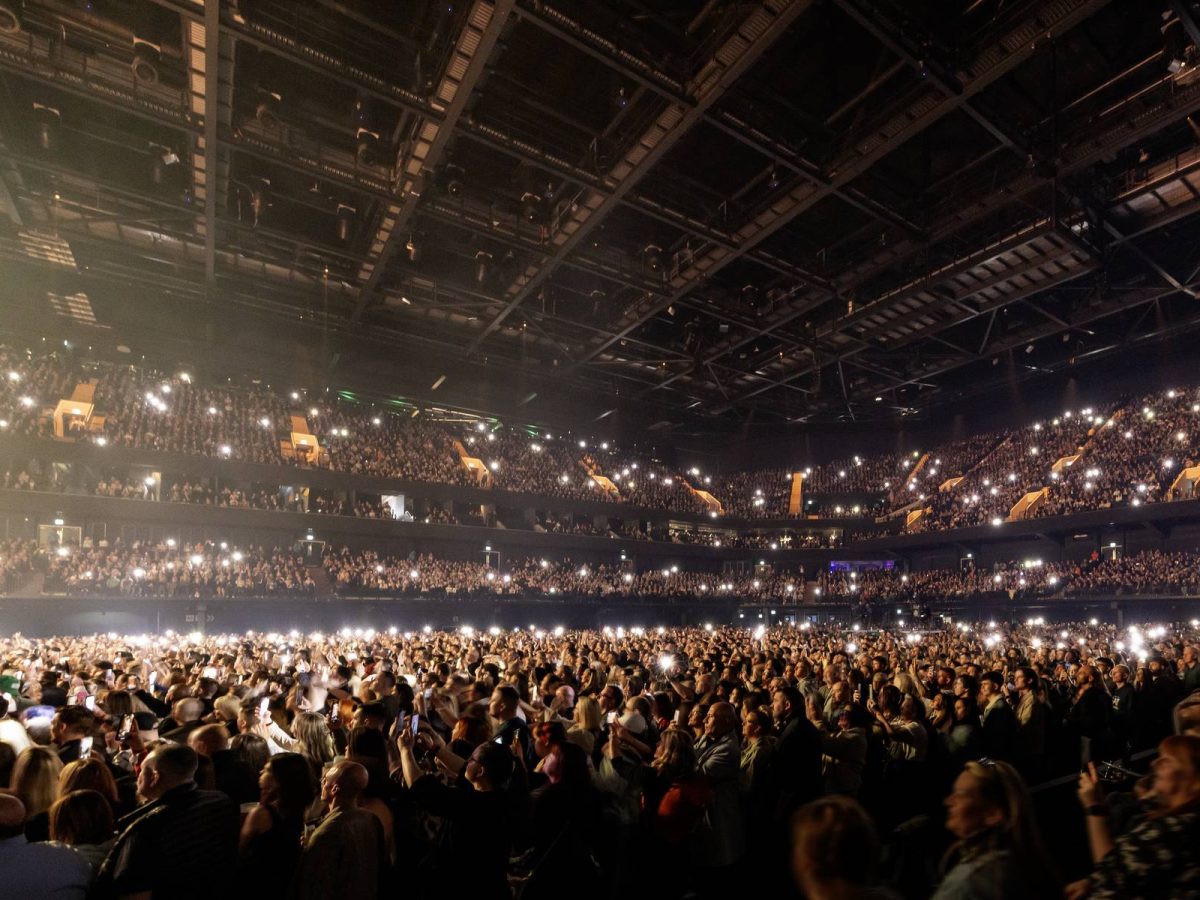
For example, at Manchester’s Co-op Live, the latest in exterior lighting and digital signage was turned outward for the community, with a live LED wraparound that creates a stunning “digital halo” and an inviting, well-lit, and captivating environment for guests.
This is where innovation finds its balance. When thoughtful design meets the human need to gather, something powerful emerges: modern cathedrals of connection, places that feel essential because they bring people together in ways no screen can.
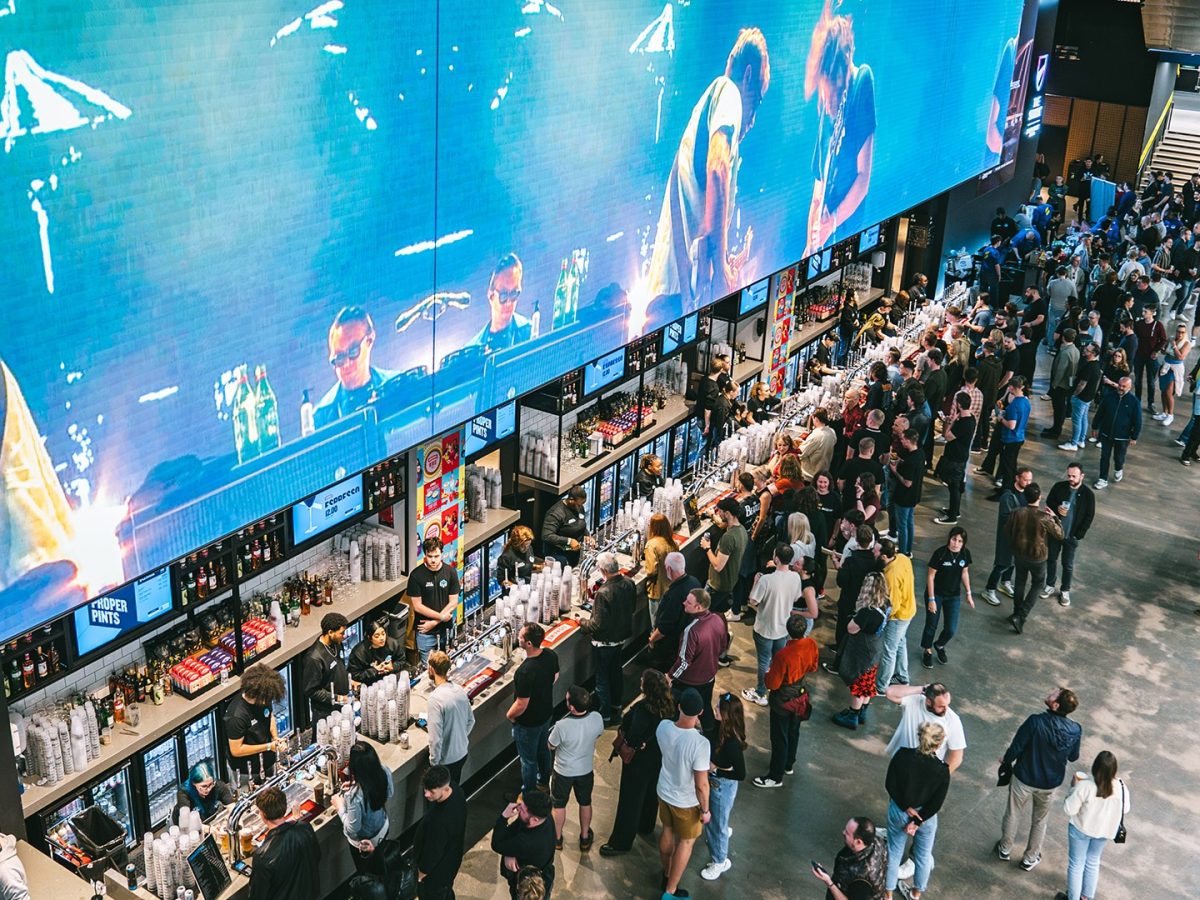
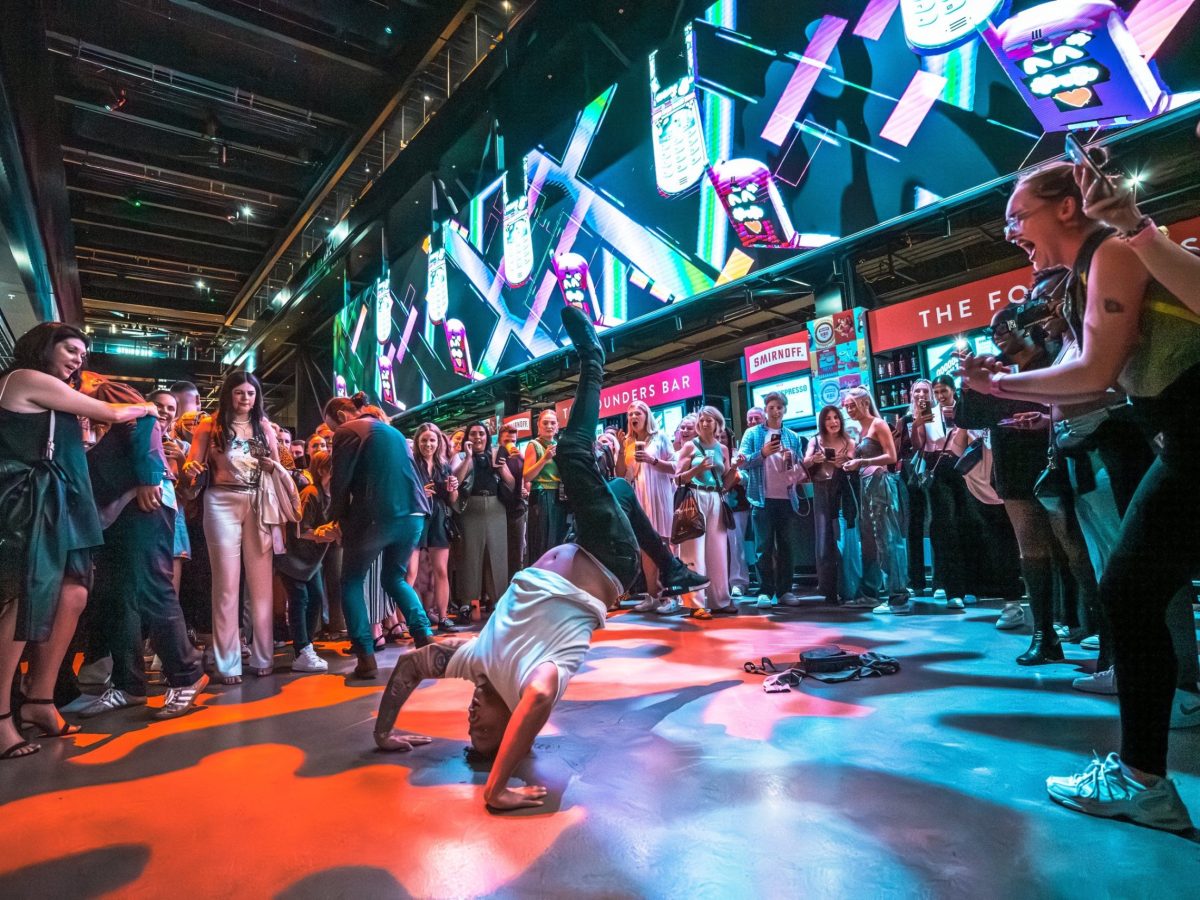
Co-op Live
Technology Alone Isn’t The Draw
The last decade has produced breathtaking technological capabilities. Audio, visual, VR, and AI-driven experiences have transformed what’s possible in live entertainment. Yet many highly touted innovations have failed to gain traction.
The reason is simple: People don’t show up for technology. They show up for each other.
Being part of a crowd, feeling the collective energy, the shared moment, is what draws us in. These “we” experiences are the ones we return to again and again. They also offer a practical test for designers and innovators evaluating new tools: Is this technology serving the individual—or the collective?
If the answer is “me,” it may impress briefly. If the answer is “we,” it has staying power.
From Shared Interests to Real Community
One of the clearest signs of this shift is happening right now in live entertainment. Certainly, concerts and major sporting events. But equally, new forms of entertainment like live podcasts and creator-led shows have surged in popularity, selling dramatically more tickets year over year. These events aren’t driven by spectacle. They succeed because they bring like-minded people into the same room.
When you attend one of these shows, the person next to you often shares your interests, values, or worldview. That common ground creates a sense of belonging. It’s the foundation of community.
This resurgence reflects something deeply human: the need to gather around shared stories and ideas. No matter how convenient or impressive a technology becomes, its long-term relevance depends on whether it connects people beyond the individual level.
Design Against a Disposable Culture
At the same time, we’re witnessing growing fatigue with low-quality, AI-generated content—widely labeled “slop.” For the first time, many people struggle to distinguish what’s real from what’s artificial. The result is a renewed desire for authenticity.
That desire extends to physical space. Designers have a responsibility to ensure real-world environments don’t become as disposable or hollow as the digital ones people are increasingly tuning out. This doesn’t mean avoiding technology. It means using it with intention.
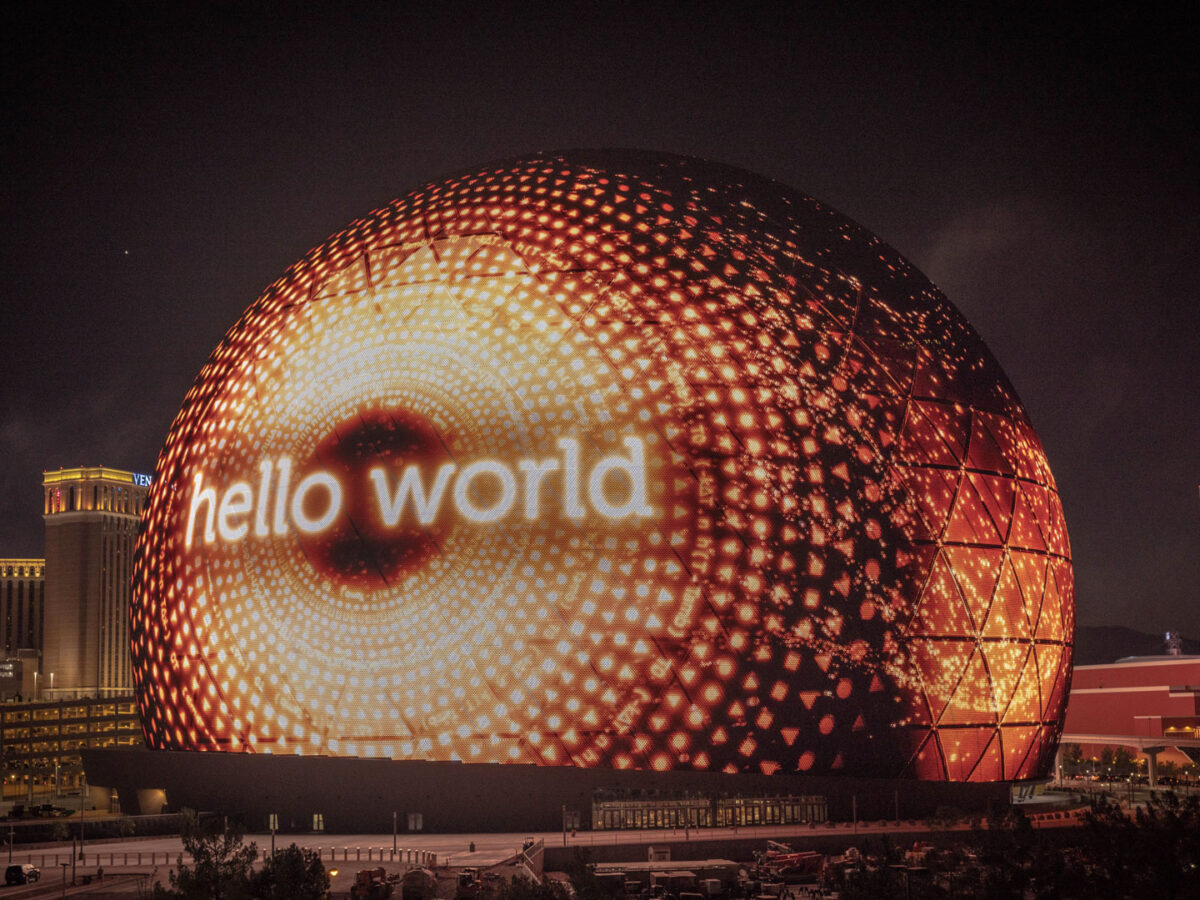
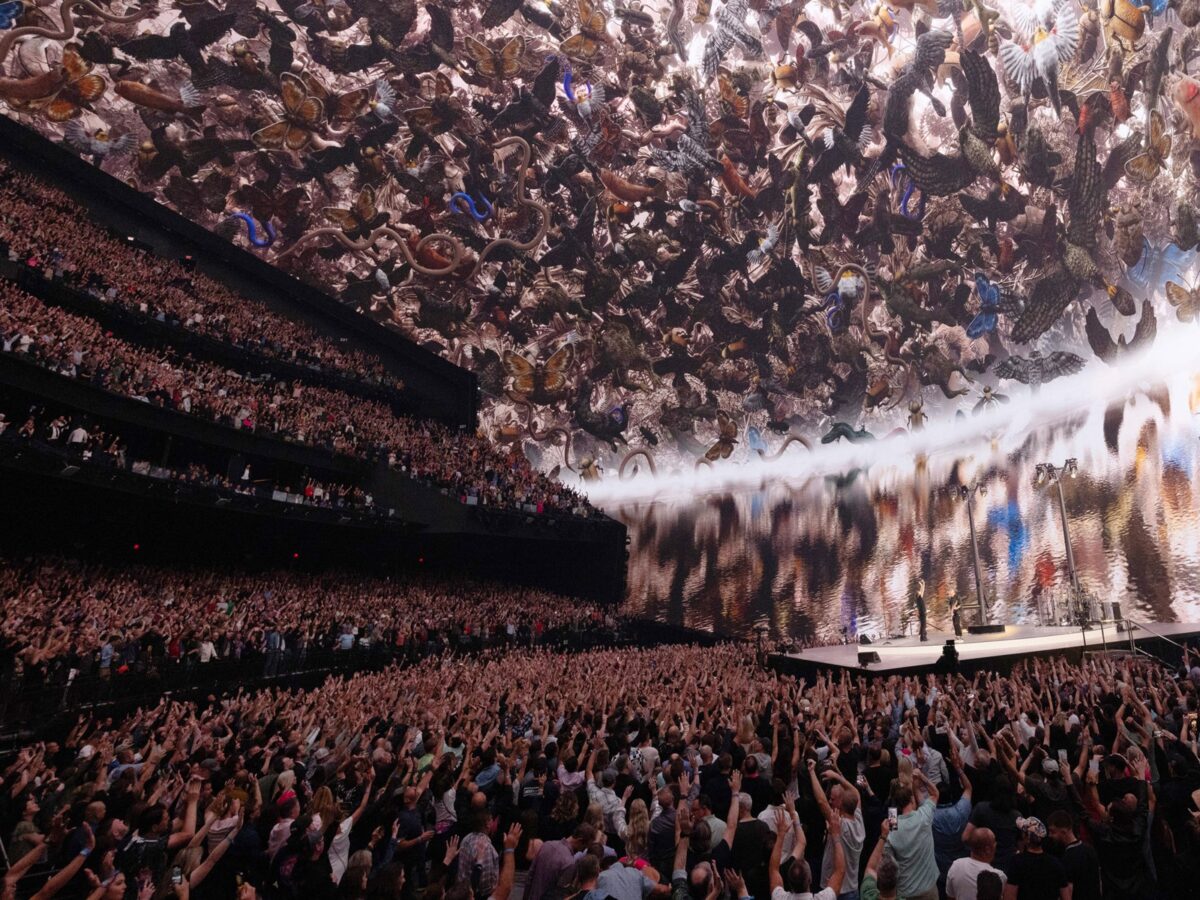
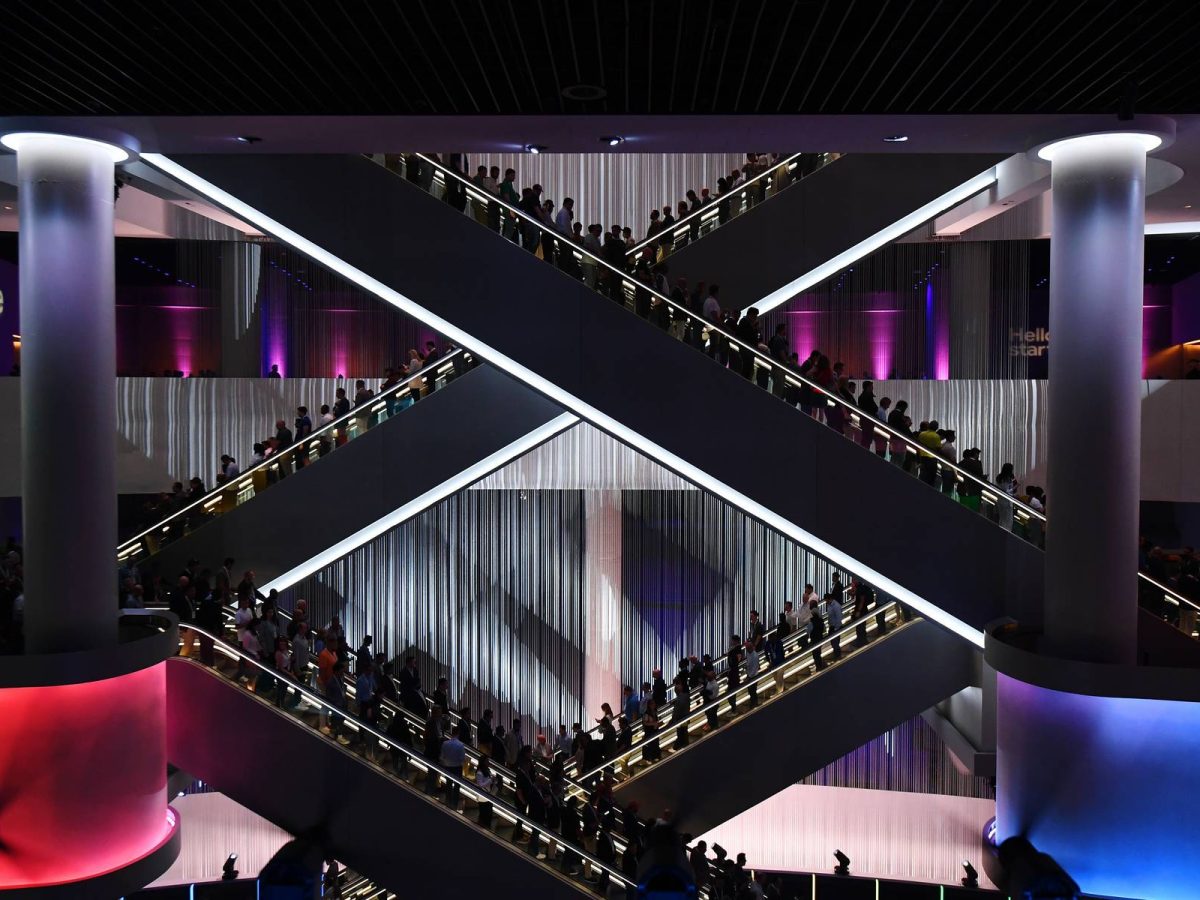
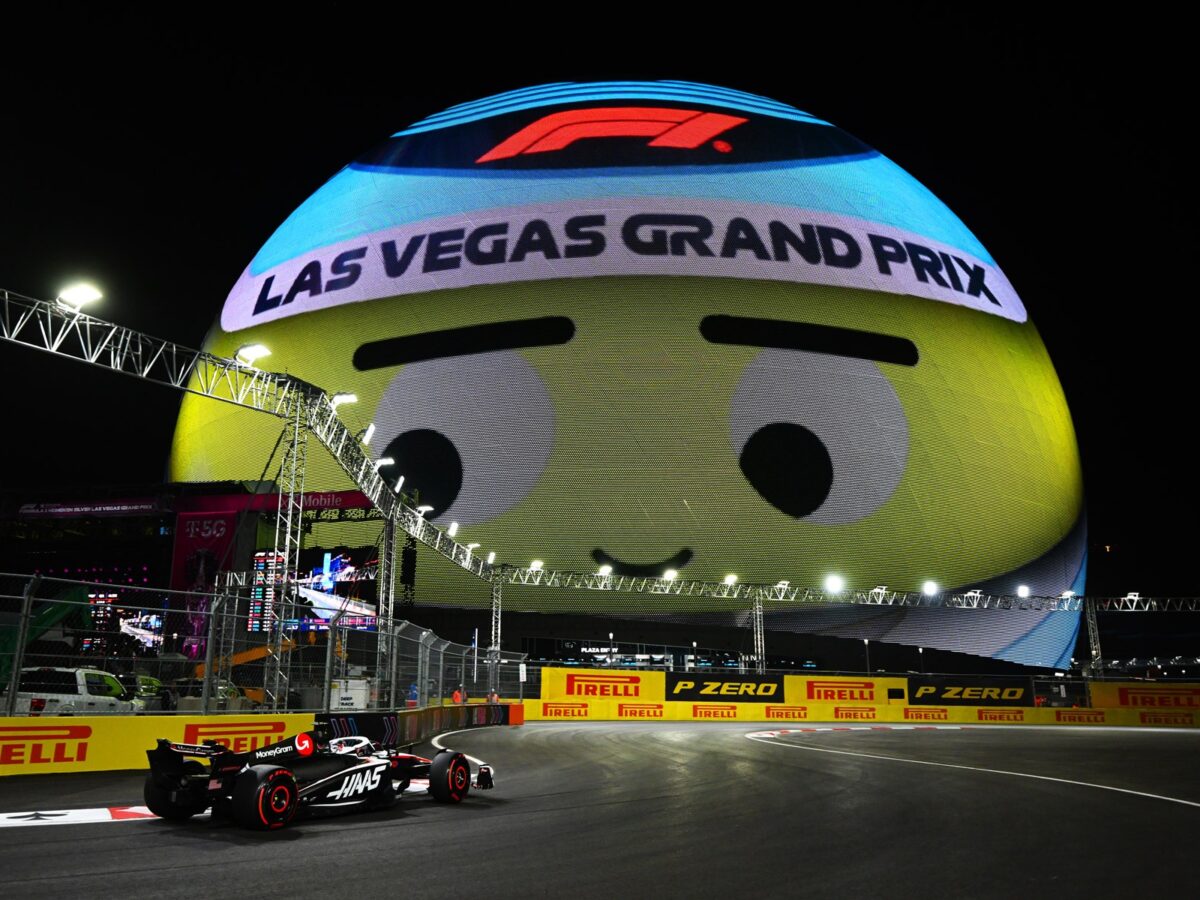
Projects like the Sphere demonstrate what’s possible when technology amplifies human emotion rather than distracting from it. When done well, innovation can elevate shared experiences, creating places people seek out because they feel something real there. These are today’s cathedrals of emotion.
Sphere
Beyond Buildings: Design for Belonging
Looking ahead, the most successful designers will think beyond individual venues and events. The future lies in creating entire environments, districts, neighborhoods, and cities that support connection.
A great venue doesn’t exist in isolation. It opens into the public realm. It invites discovery before and after the main event. It treats visitors not just as attendees, but as members of a broader community.
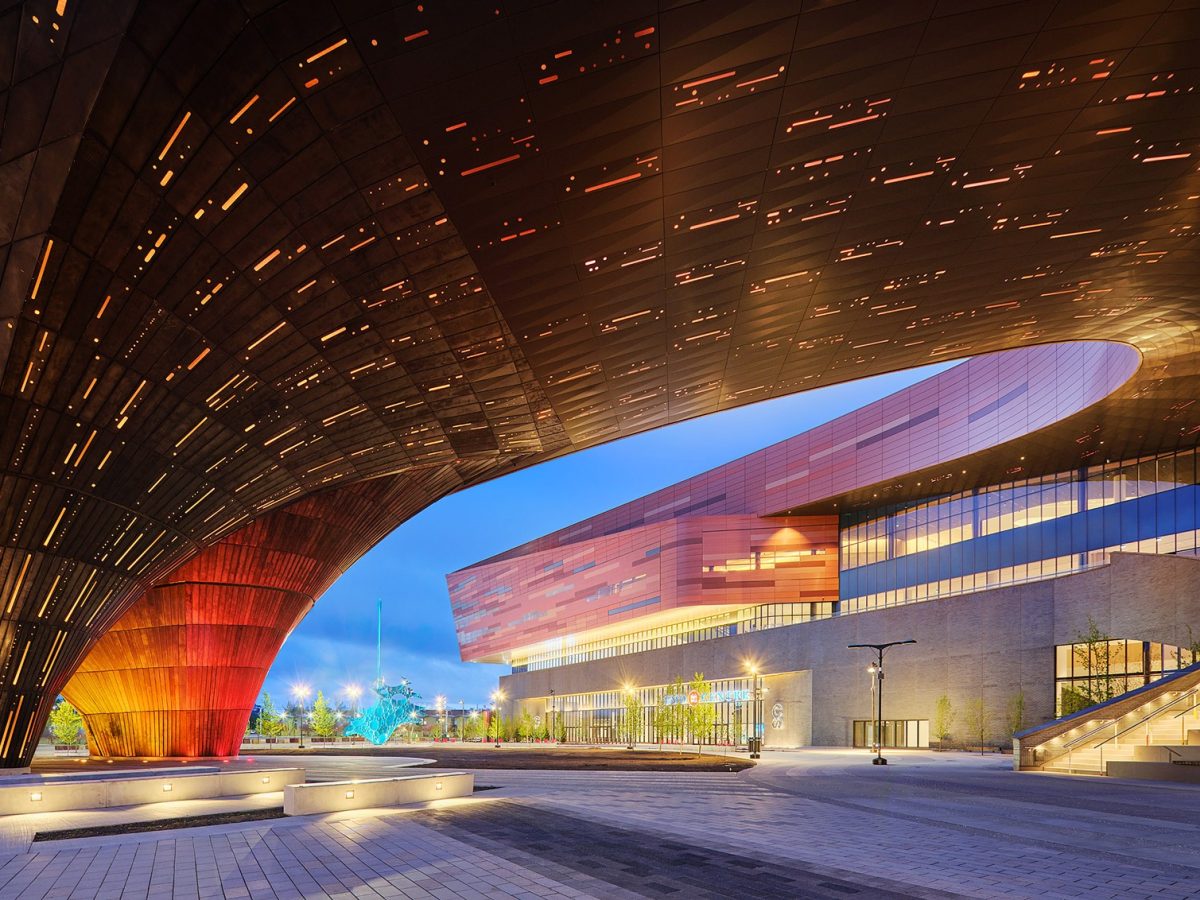
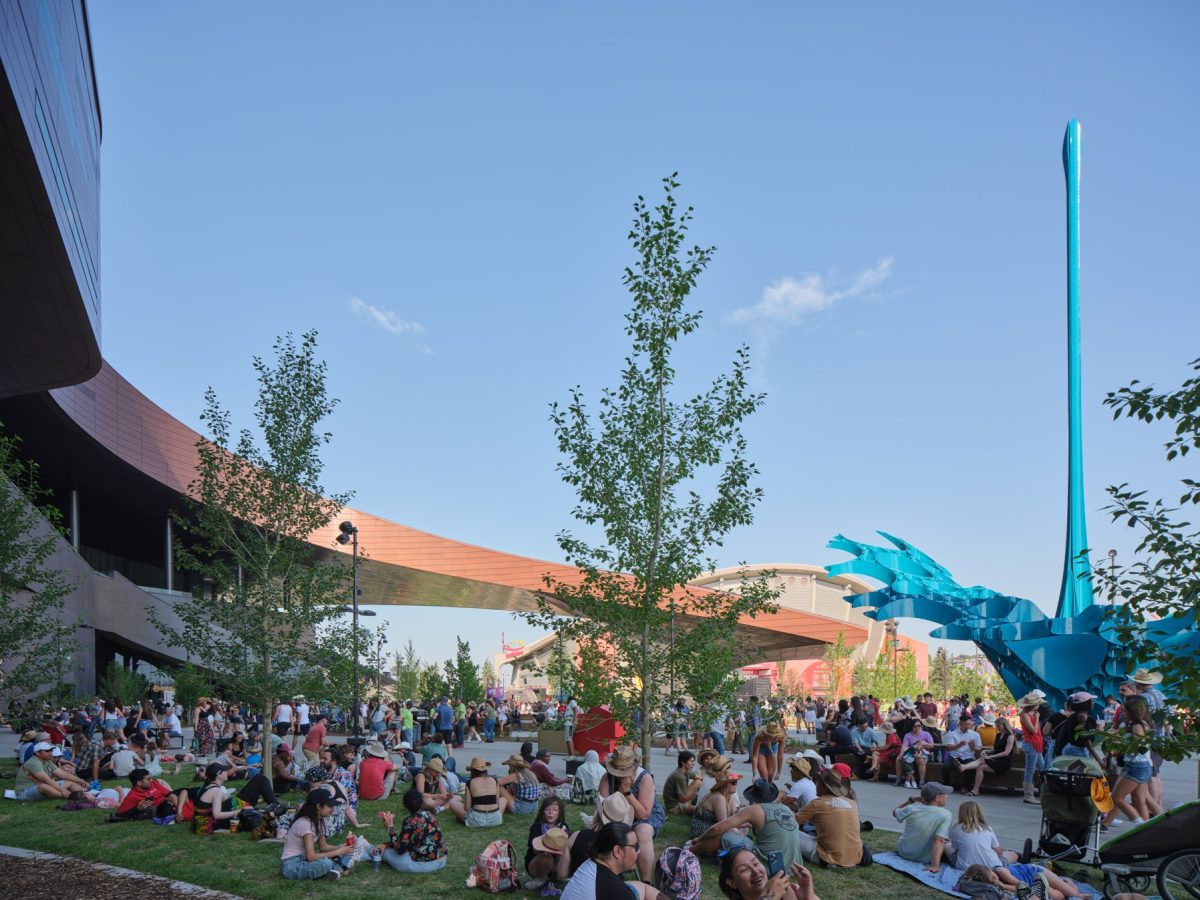
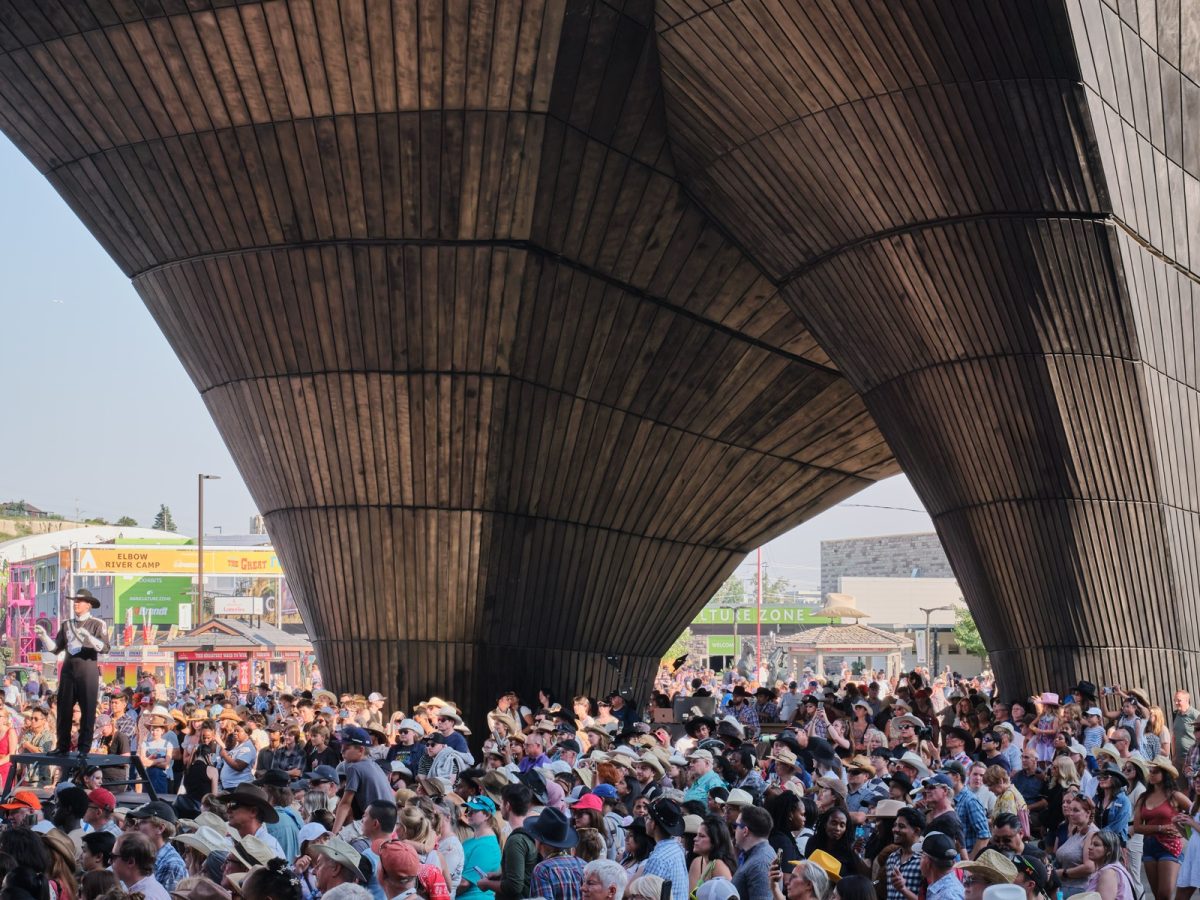
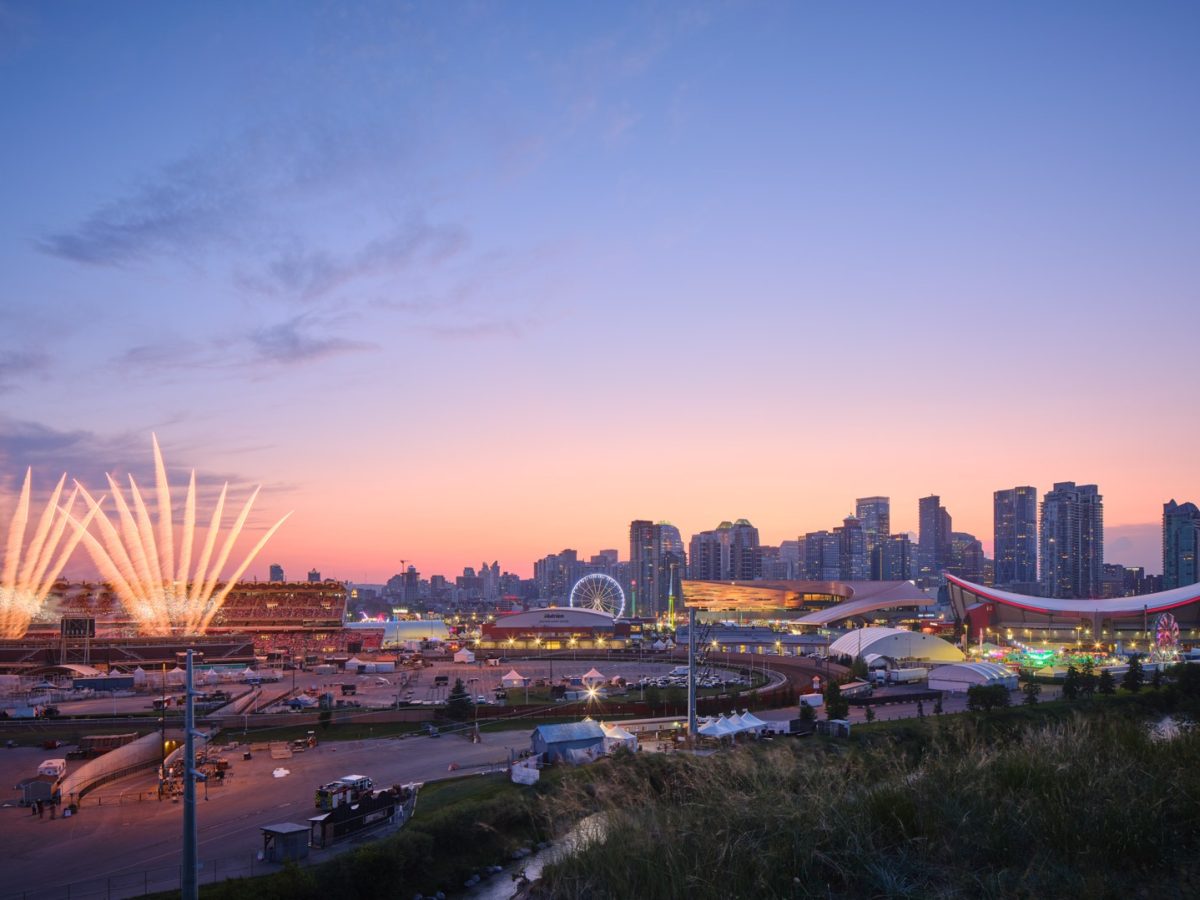
At BMO Centre, the 170-foot curved canopy in the outdoor plaza was designed as a canvas for an immersive light display known as the pavilion lights that captures the energy of a stampede, providing a digital fireworks show for attendees and passersby that also evokes the draw of a campfire. But it is also a first-of-its-kind technological marvel featuring thousands of programmable LED lights, an astronomical time clock, with software that adapts the lights to the seasons, serving as a North Star for the district and the larger city.
Meaningful innovation is evolutionary. Humans are improvisers. We adapt, experiment, and survive. The same is true of truly innovative companies—those willing to evolve continuously, guided not just by technology, but by human behavior.
BMO Centre
Move Forward, Together
The shift from “me” to “we” is no longer theoretical. It’s unfolding now, in the places people choose to gather and the experiences they value most. The organizations that understand this won’t just build better products or places, they’ll help shape culture.
This month, I’ll join fellow leaders from Populous at SXSW in Austin to explore this idea further: how shared experiences through design can drive innovation and bring people together.
Because in the end, no matter how advanced our tools become, progress has always depended on one simple truth: The future is built together.

Lorem ipsum dolor sit amet consectetur, adipisicing elit. Non facere corporis et expedita sit nam amet aut necessitatibus at dolore enim quis impedit eius libero, harum tempore laboriosam dolor cumque.
Lorem, ipsum dolor sit amet consectetur adipisicing elit. Illo temporibus vero veritatis eveniet, placeat dolorem sunt at provident tenetur omnis, dicta exercitationem. Expedita quod aspernatur molestias eum? Totam, incidunt quos.