January 8, 2026
Thinking outside the box – unwrapping arenas in Asia
Written by





If you look at any other piece of major infrastructure in Asia, whether it’s a transport interchange, office development or shopping complex, the density and cultural diversity of the region promotes integration between the built environment and the surrounding amenities. The MRT in Singapore is often conveniently located inside a shopping center where you can get dinner and your groceries on your way home. A commercial hub in Hong Kong would not have tenants if the right bars and restaurants were not located within easy distance for after work socializing. And a shopping center in Bangkok that was in the middle of a car park without any other reason to go there would not sell much if people couldn’t feel the proximity to the hustle and bustle of a bargain.
It’s no different when we’re designing arenas in Asia for sport and entertainment. This infrastructure is as large as any major rail station, should be as activated as any commercial hub, and must be as busy as any shopping precinct throughout the day. In fact, for an arena in this region to really work with the community we need to stop thinking only about what’s going on inside the venue box itself.
Like any present, the first thing you see is the wrapping, and when you are in that box of chocolates you may have your favorite, but you didn’t open the box just for the one pandan cream in the center; you want to taste every flavor. That’s how we want arenas in Asa to be designed. Whether they are funded by government or private investment, they are gifts to the community.
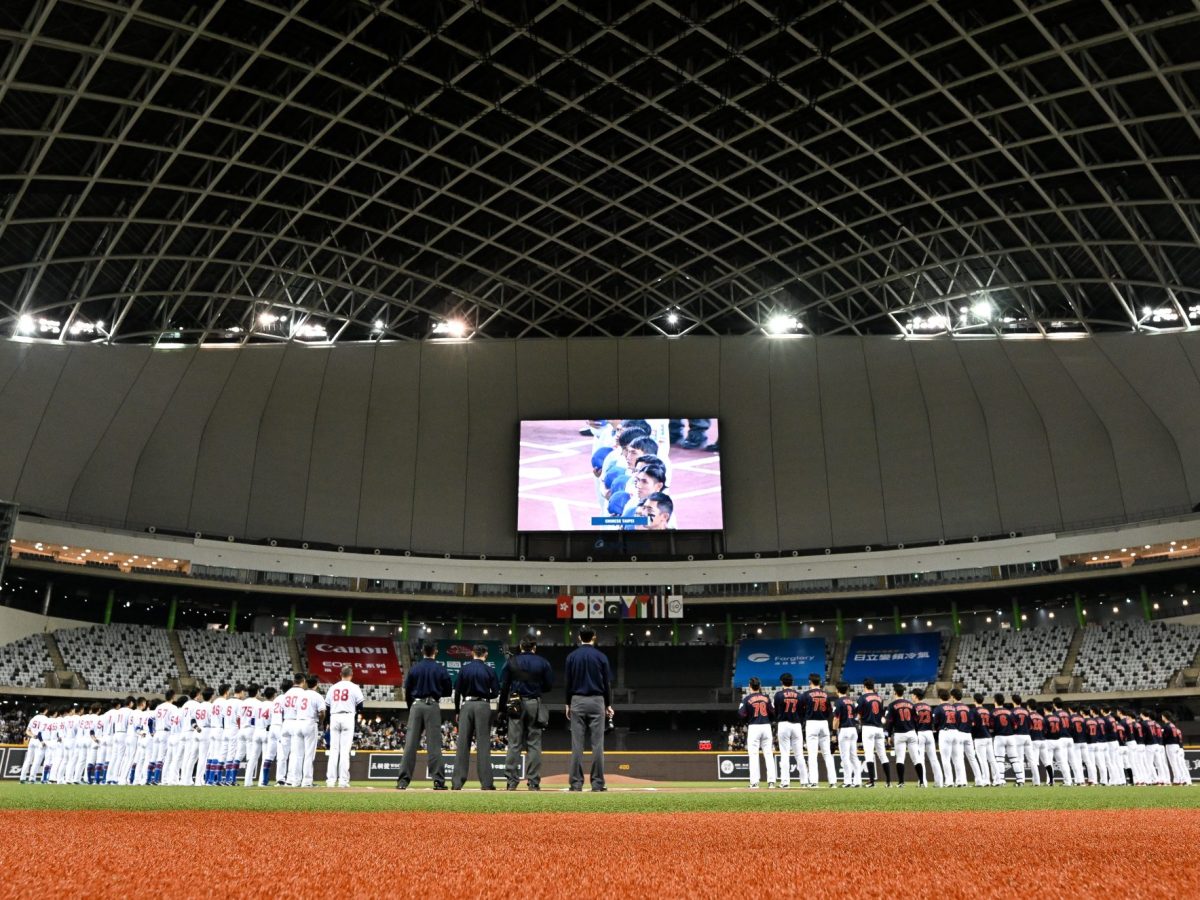
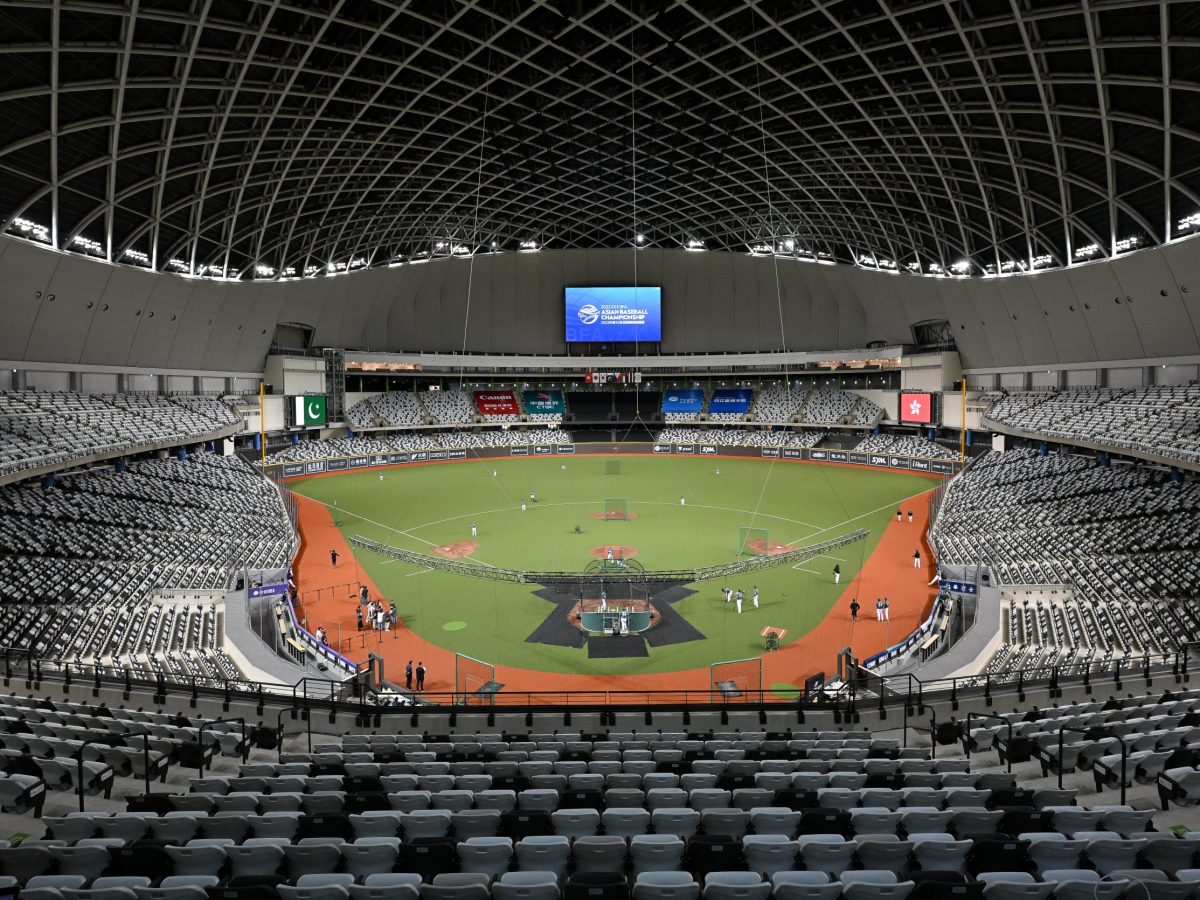
Taiwan’s first-of-its-kind integrated mixed-use sport and retail development, Taipei Dome, is an example of the creative and cultural change that is reshaping how arenas in Asia are designed. This indoor arena, designed by Populous, is located in the center of Taipei City. The Dome includes a 40,000-seat covered arena and more than 200,000m² of integrated themed retail, offices and apartments and a hotel on a historic site. While sport might be the main draw that brings people to the venue, the precinct is well connected to the rest of the city by direct access to a bus terminal below and an adjacent subway. Combine this with the myriad of other activities on site, this allows gameday visitors to spend the whole day unboxing a unique experience.
A mix of flavors
Speaking of chocolates, if there’s one thing Asia is not short on, it’s flavor. This diversity applies to every aspect of life, not just food. From the melting pot of cultures to the different sports and performances that take center stage at an arena, often requiring specific rigging or flexibility within the venue.
We meticulously plan for how we accommodate these different types of users. One day it could be an international basketball tournament and the next a K-pop concert. The same level of planning goes into how the audience will get to the venue, enter the venue, move around the venue, exit the venue and then what they will do afterwards.
The commercial reality of an arena is that there is just as much value in what happens outside as inside. Whether it’s surrounding retail, community facilities, residential areas or offices, the arena brings them inside the event box but there is just as much commercial value around it – or at least there should be.
“In Japan, there's a strong dining culture. You’re going out with friends to watch a game or a show, but you’ll have several stops on that journey before and after to eat, drink and socialize.”

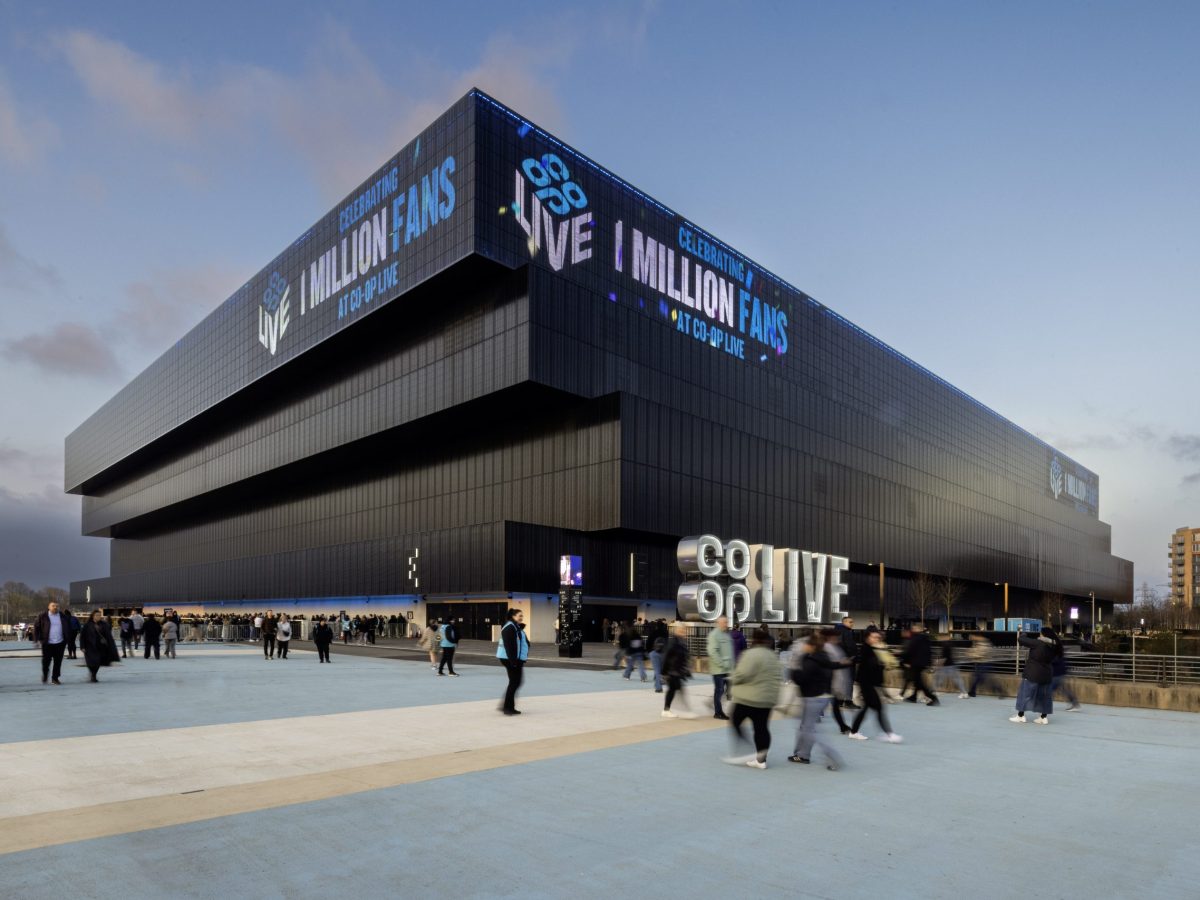
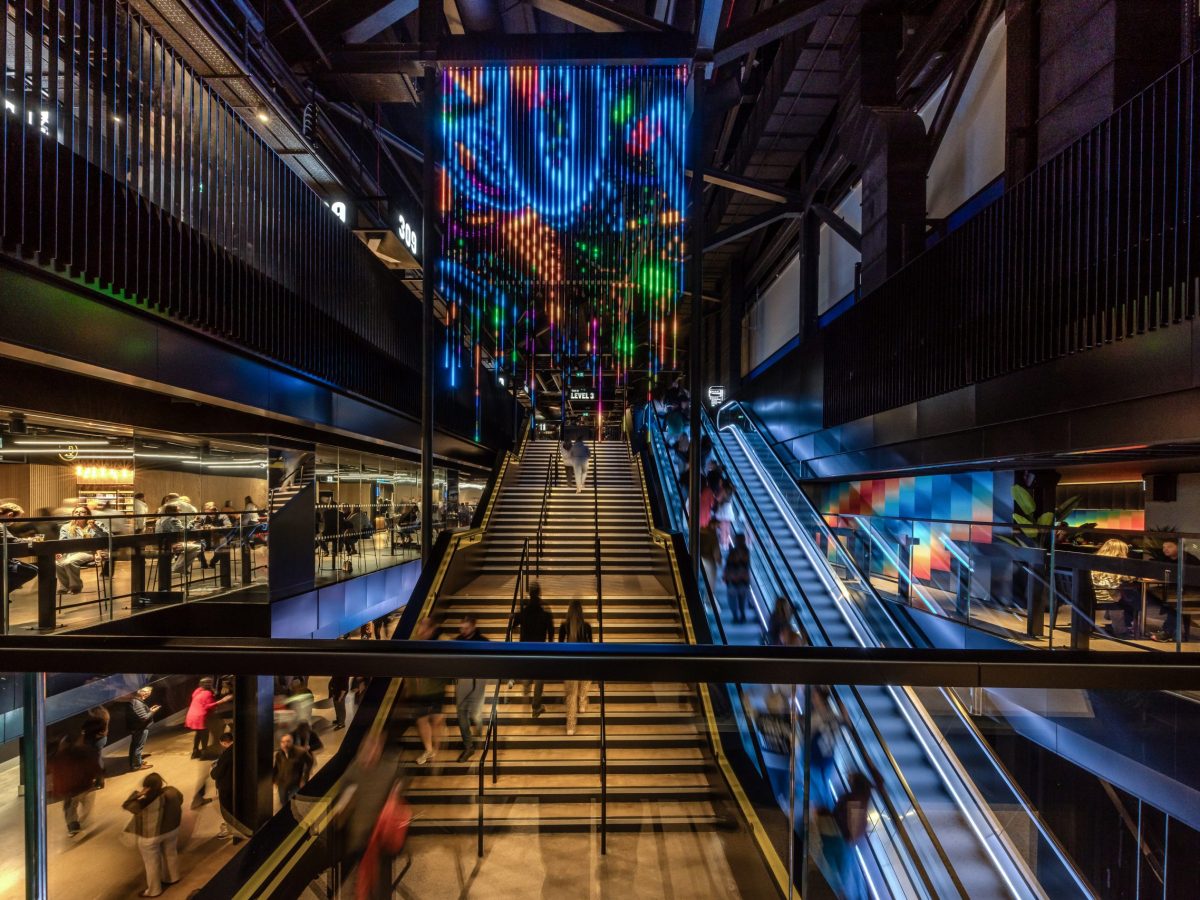
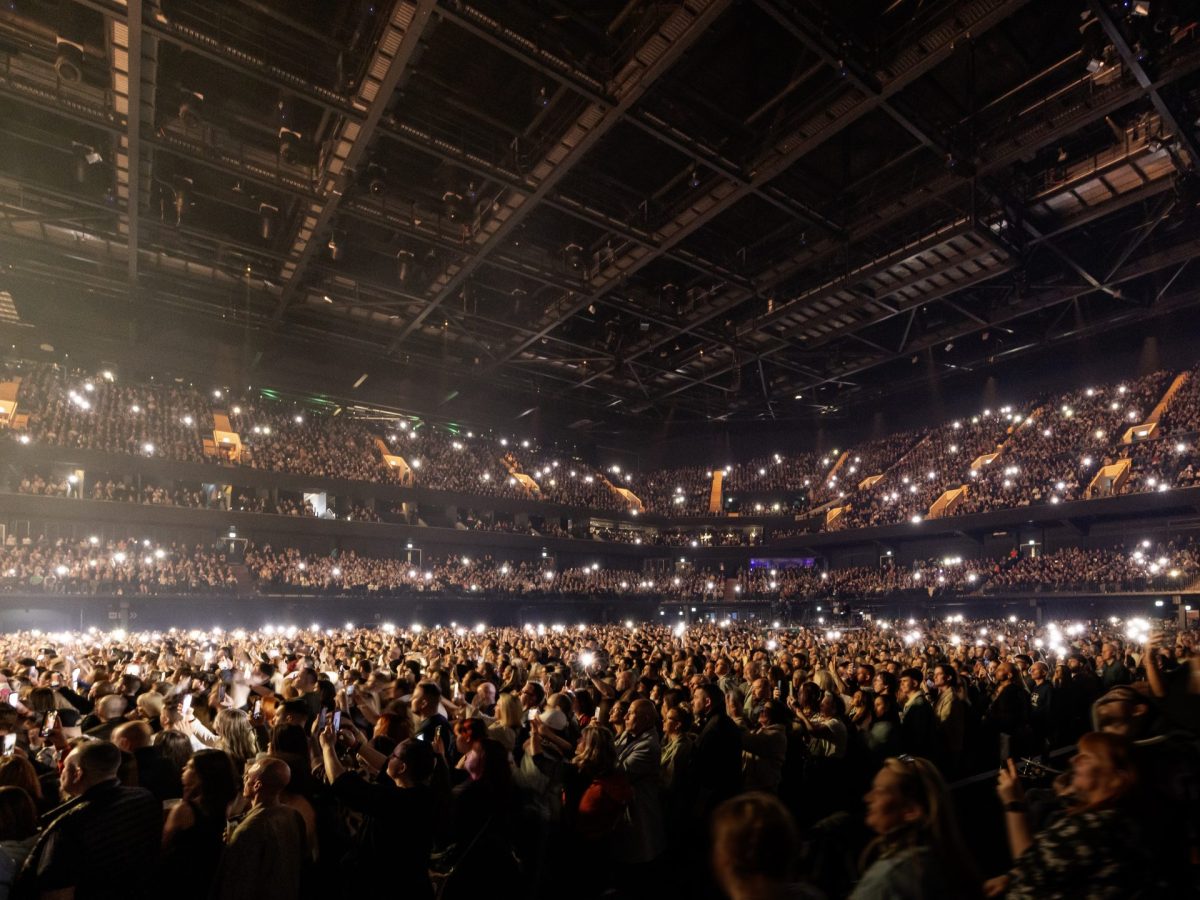
The Co-op Live site in Manchester is the perfect example of precinct activation and a project that many sports and entertainment precincts in other parts of the world are looking to as an example. The arena has been designed so that it can host diverse events of different sizes throughout the week, and is within walking distance of Manchester City’s major stadium and training facilities. With the new arena regularly drawing foot traffic outside of matchdays, the entire precinct benefits. Manchester City has built its own museum on the campus, and a new hotel is under construction. The venue has created a fan experience that sets the bar for sports districts in the UK and is a model that is being replicated around the world.
Destination creation
The Southeast Asian region, probably more than any other, has seen increased growth in entertainment tourism, where people will travel one to three hours to a different country to see their favorite performer. Many of these fans will want to stay, shop and eat close to the arena itself, meaning that the arena becomes a destination in itself. It acts as an anchor to draw people into a broader precinct of shops, restaurants and other exciting facilities.
Venues in Asia still have some way to go to make the best use of this growth in sport and entertainment tourism but are looking to those in major cities in Europe for inspiration.
A recent project that exemplifies this “stay and play” approach is Tottenham Hotspur Stadium in London. Within the South Stand, the five-story Market Place atrium is a lively gathering place for fans before and after matches. It features street-food-style eateries, an on-site microbrewery, and the longest bar in Europe. But outside of the venue itself is where visitors, regardless of whether they are from Newcastle coming to watch an FA Cup match or overseas coming to watch a Beyonce concert, see most benefit.
The wider venue development scheme encompasses a gym and supermarket. Attracting around two million visitors a year, it buzzes with activity, thanks to venue tours, retail spaces, conference and banquet facilities, cafes and the first official Formula 1 karting experience, which features 180 meters of track beneath the venue.
“You have to mix all of the different flavors of the event experience together to make a destination that people want to be in.”

Welcoming density
While arenas help to bring in tourists, they are also anchors for the local community. Tottenham even has a school located in the precinct.
Many new arenas in Southeast Asia are also being built in very dense parts of cities, so they immediately become part of the urban fabric. In Singapore, for example, the Government is relocating the Singapore Sports School from Woodlands on the outskirts of the city to The Kallang precinct, which is home to the National Stadium and many other sport and entertainment facilities, allowing student-athletes to train alongside senior athletes.
This is a different type of intentional activation that welcomes people in with purpose and integrates the right facilities around the venue with the people who are going to benefit from and use them most.
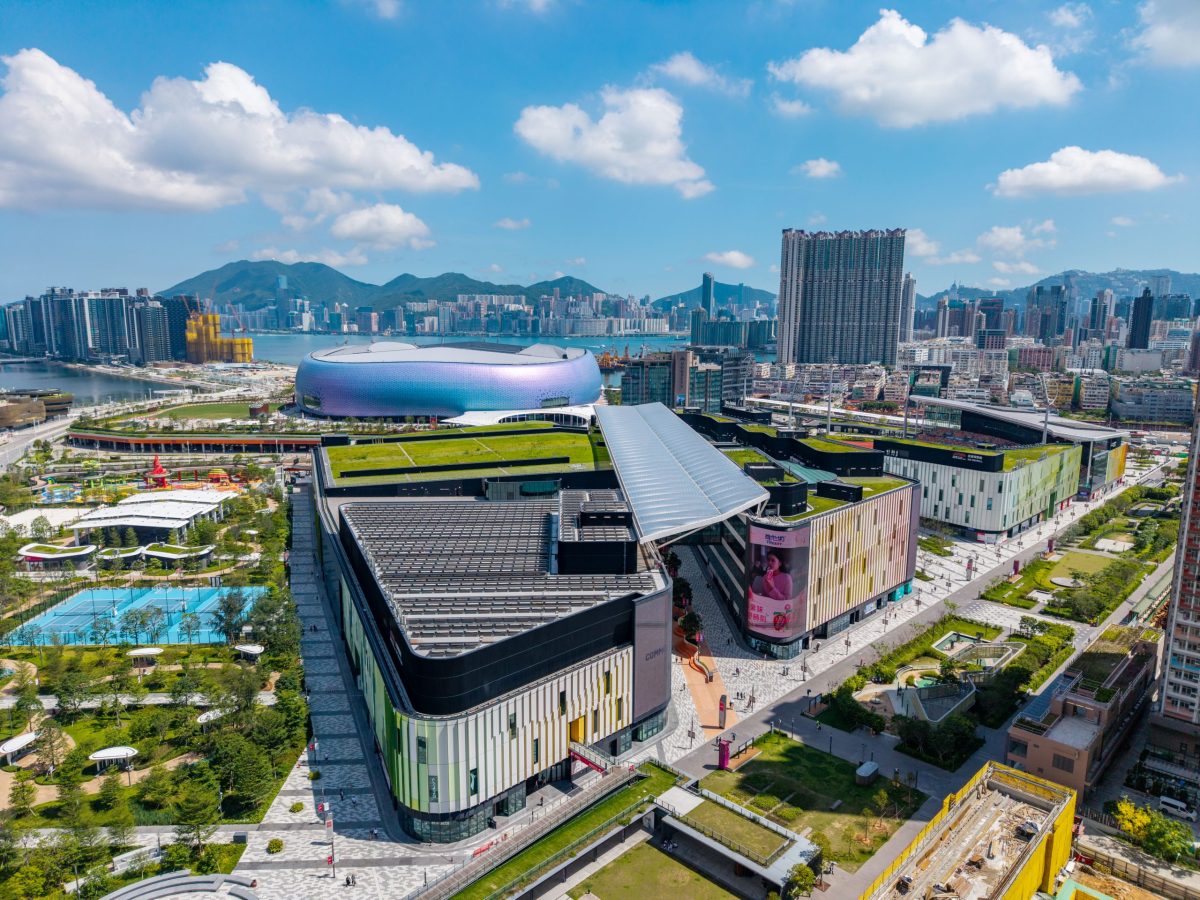
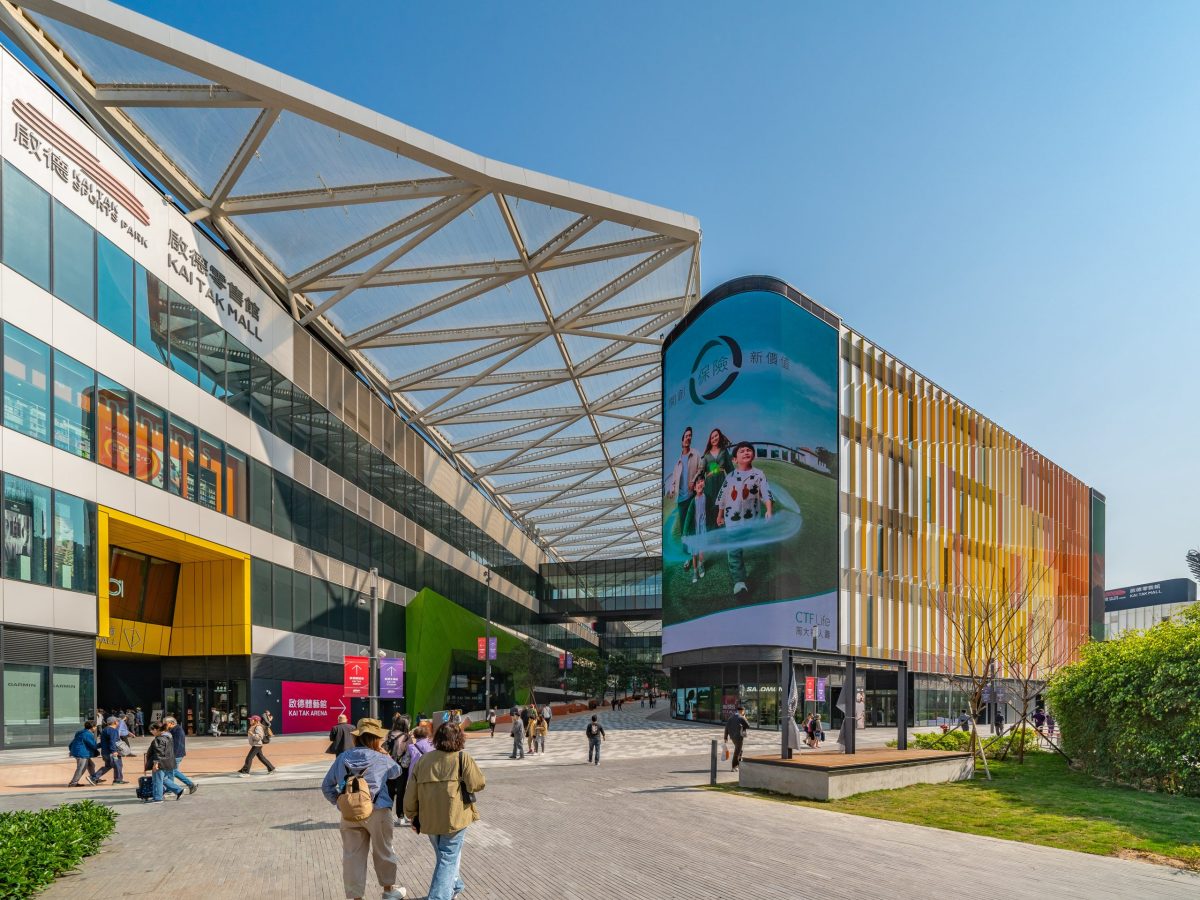
We have seen this type of purposeful activation work most recently at Kai Tak Sports Park in Kowloon, Hong Kong where the vast 28-hectare precinct serves one of the most densely populated cities on Earth. Despite this, it would have been easy to put up entry barriers, fences and curfews. Instead, our team took the opposite approach, wanting to draw people into this 24/7 precinct regardless of what was happening at the 50,000 seat Stadium or 10,000 seat Arena. From the nearby MTR station, visitors use a covered avenue to navigate through the Park, passing by shopping and dining options, health and wellbeing spaces, public sporting facilities, and landscaped gardens. The thoughtful urban design guides visitors through the precinct with clear wayfinding and brand activation, ensuring ease of access and a memorable experience.
This urban renewal project is more than just a sports and entertainment complex – it has become a bustling, integrated community hub. Along with the venues, the precinct features retail spaces, a health and wellness center, outdoor recreational areas, and dining facilities, ensuring it remains a focal point for daily life. The Kai Tak Sports Park also connects seamlessly to surrounding districts and public transport, enhancing accessibility for all.
“Kai Ta Sports Park isn’t just about the venues. The venues themselves, no matter how well designed they are individually, don’t make the precinct work. What makes everything work together and with the community is the masterplan for the whole precinct that is designed for density.”

Community driven development
In highly dense cities you need to understand the community you’re designing for. There are many examples of sport and entertainment precincts in some of Asia’s most populated cities that are empty outside of a concert or major sporting event. That’s because, the residential and commercial areas of these cities are already well-serviced by retail, nightlife and day-to-day community facilities so the dedicated sport and entertainment precinct can only attract people on event day.
The answer to this is real community integration that includes residential, health, religious office and everything else that makes a community a thriving place to be part of.
Singapore and Malaysia are examples of societies that are very community driven. Family is very important, and different generations often live together, eat together and socialize together. Event spaces must respond to this with a different type of activation that is more than just shops and restaurants. It has to be multi-generational and based around the way the community socializes together.
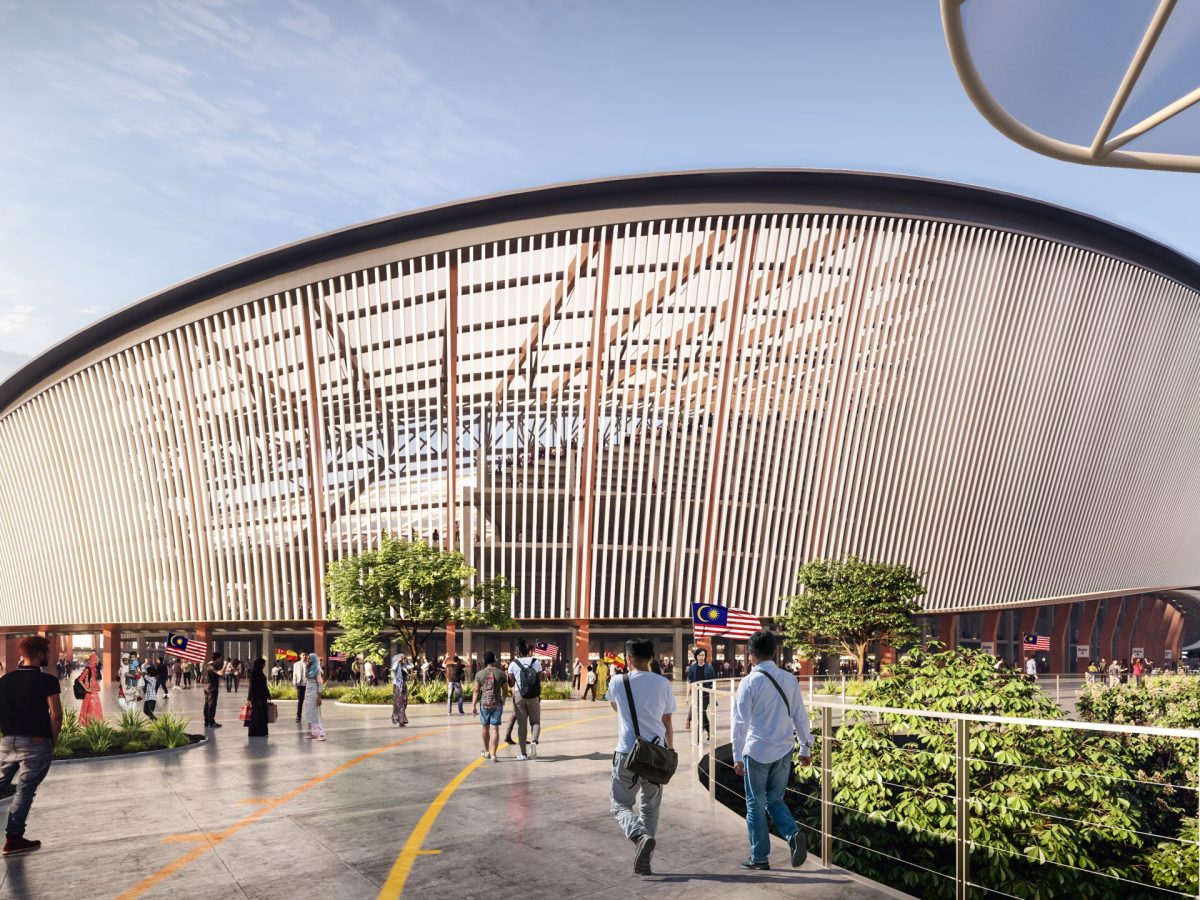
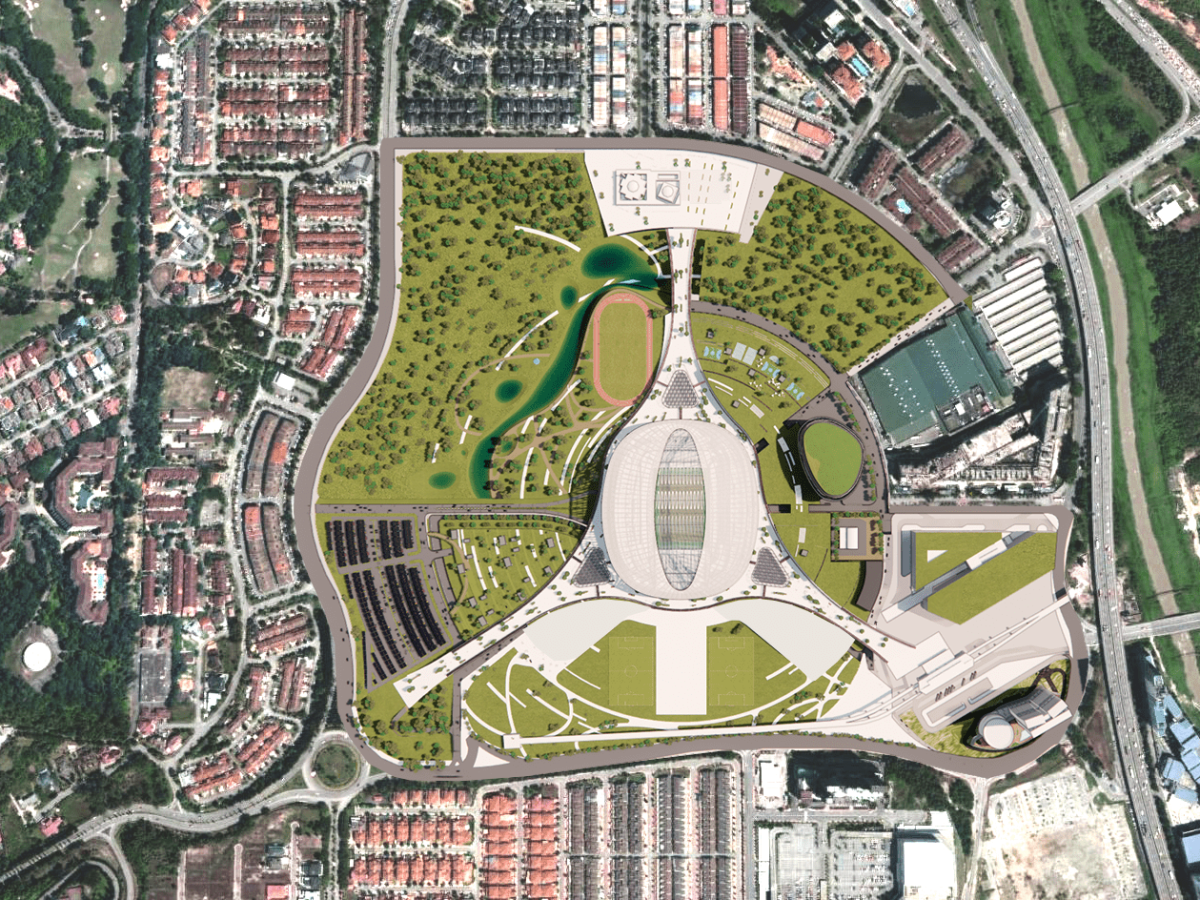
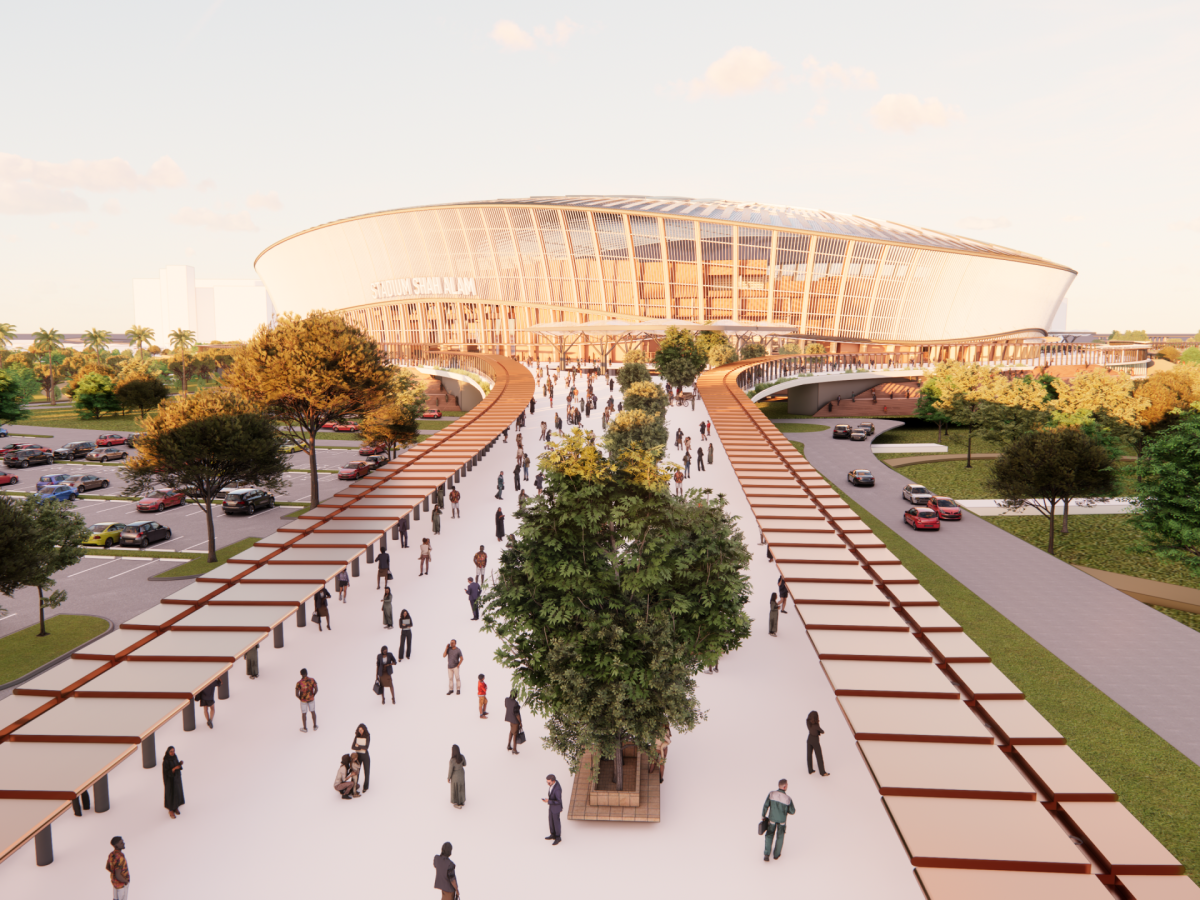
This is something that has been a key focus of the Shah Alam Sports Complex in Malaysia where iconic heritage combines with modern, inclusive elements to meet community needs. The focal point of the new complex, which includes a 45,000 seat stadium, will be a 310,000 square meter green area featuring a botanical garden, running and cycling paths, and walkable spaces. Commercial spaces and community facilities from the northeast will provide further convenience for neighboring residents while a new LRT station will be built on the southeast corner of the site, providing sports fans and the community with direct access to public transport. A second mosque will also be built to the north of the stadium.
“You have to design for people and place. It’s like creating an extension of the living room, particularly here in Southeast Asia where that sense of connection to others is so important.”

This type of community integration can’t be forced. It is sometimes organic and can take time. If we go back to London, one of the world’s leading sports and entertainment centers, we can see that the O2, which is the largest entertainment precinct in the city, built on what was a vast unused space in Greenwich, wasn’t an immediate success. Transforming from the former Millenium Dome, it took years to reinvent itself and to become a catalyst for the redevelopment of the Greenwich peninsula. Over time valuable additions to the area’s infrastructure have been added such as a riverboat service, and in 2018 a new shopping center opened its doors.
Unboxing an arena
As designers, we understand that an arena is more than its physical box that the action takes place within. Every part of the journey to, from, in and around the venue is an experience that the arena can shape. The arena becomes a catalyst for future development that can add to the precinct’s experience.
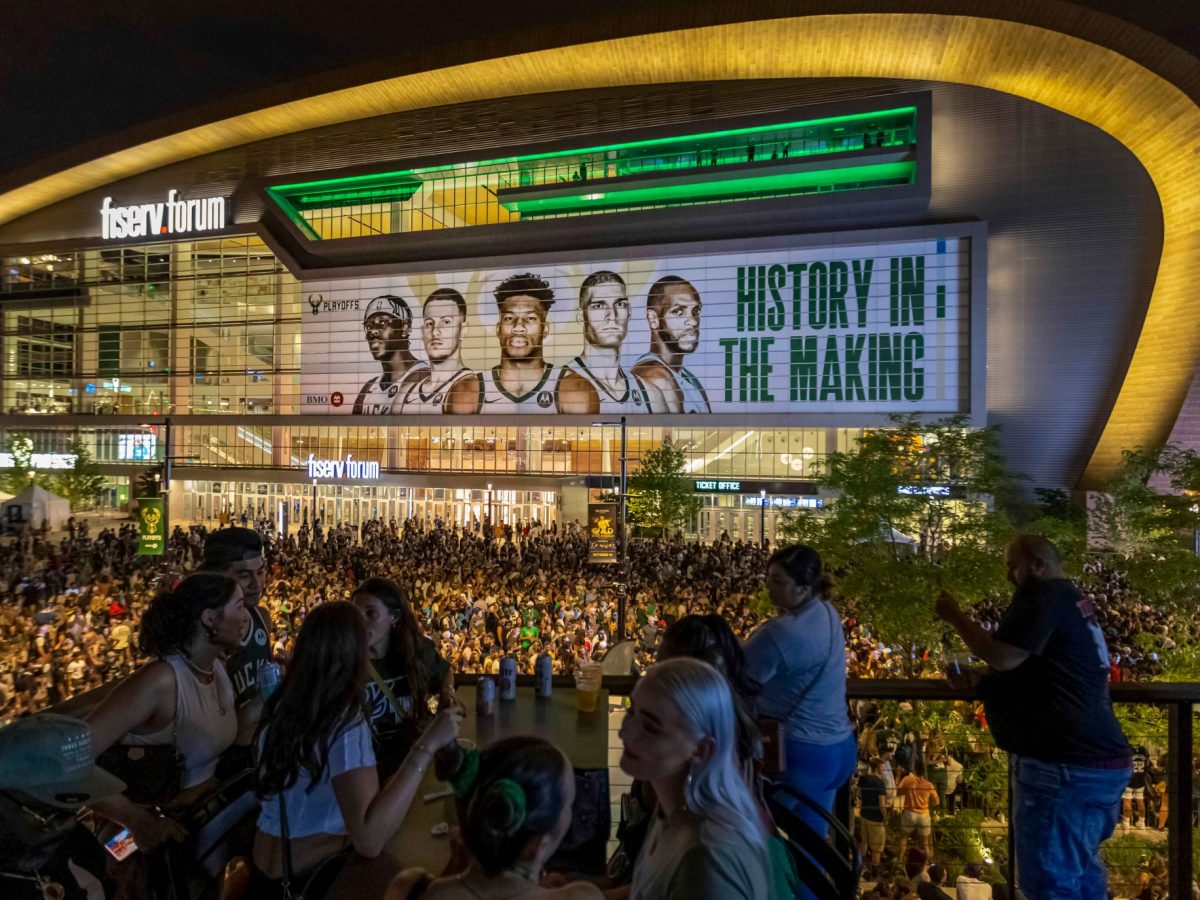
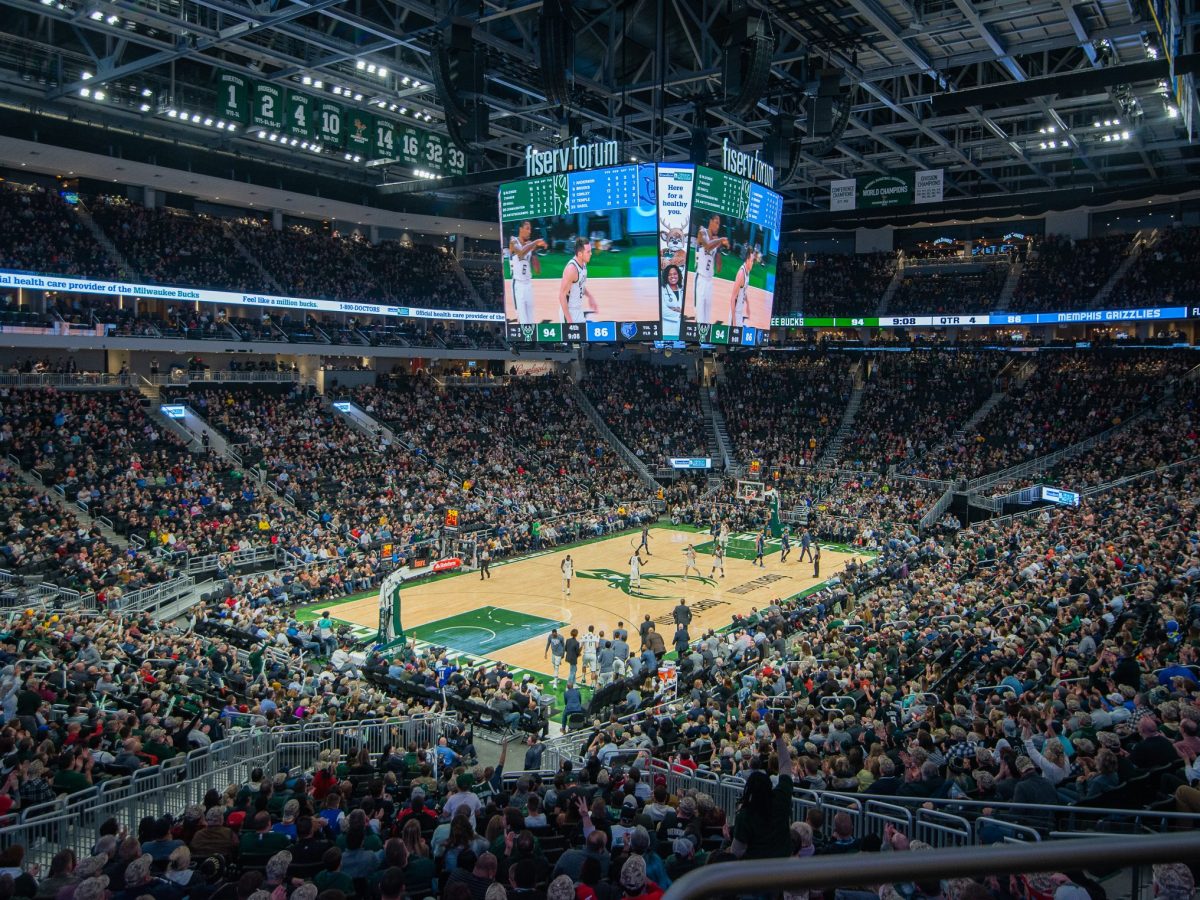
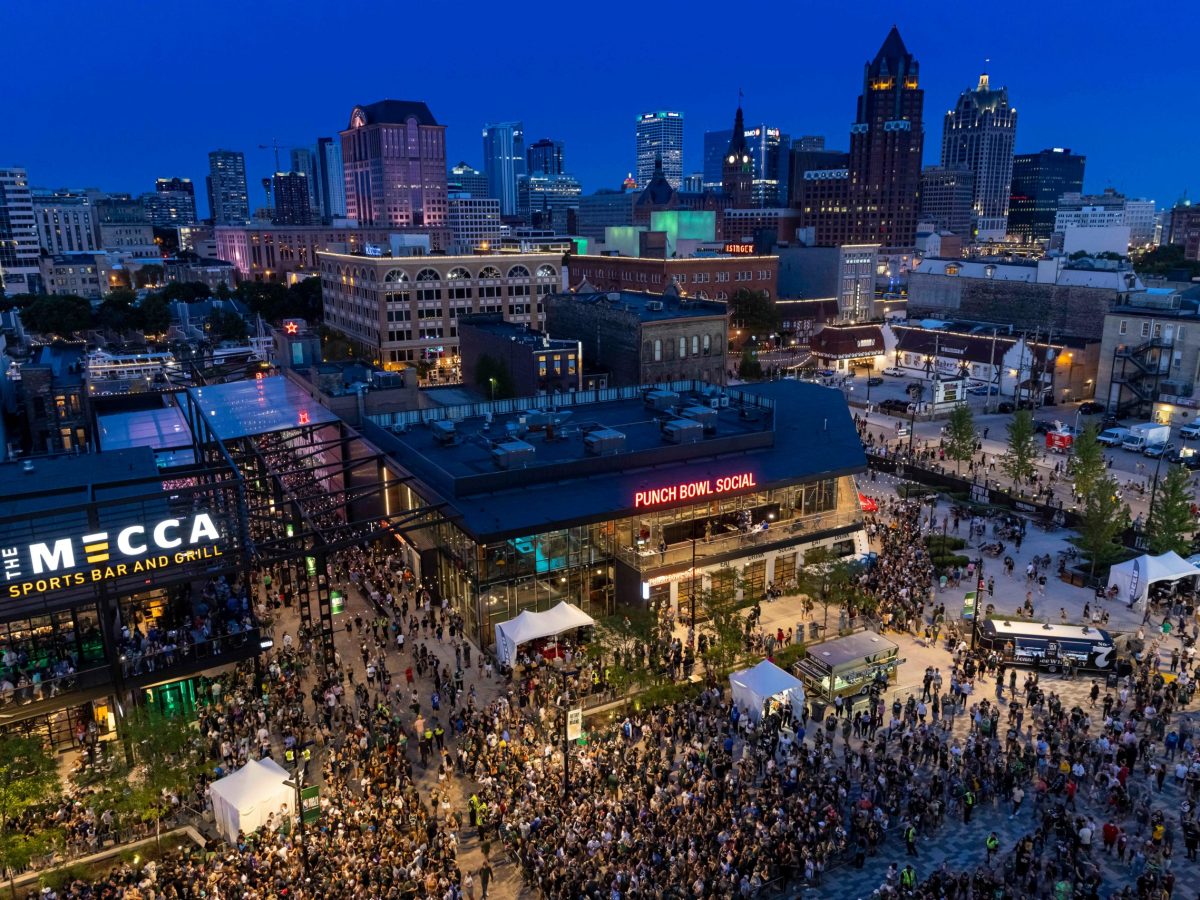
In the US, the Deer District is Milwaukee’s hottest up-and-coming neighborhood. What’s different about the Deer District? Well, it’s no coincidence that since it became anchored by Fiserv Forum in 2018, luxury apartments, more entertainment spaces, bars and restaurants have continued to pop up, making it the must-go place in the city.
“That's the beauty of what we're doing as designers – we’re creating places where people love to be. We understand very well the people we're designing for; we know what a Tuesday night in this area looks like compared to a Saturday afternoon and we design for that flexibility in the precinct.”

You can never design an arena in isolation. You have to have a conversation with the community to understand how they will use every part of the space. The arena is the anchor that draws people in; it’s the box where the action happens in those special moments of celebration, but there are gifts all around it for the community to enjoy every day.

Lorem ipsum dolor sit amet consectetur, adipisicing elit. Non facere corporis et expedita sit nam amet aut necessitatibus at dolore enim quis impedit eius libero, harum tempore laboriosam dolor cumque.
Lorem, ipsum dolor sit amet consectetur adipisicing elit. Illo temporibus vero veritatis eveniet, placeat dolorem sunt at provident tenetur omnis, dicta exercitationem. Expedita quod aspernatur molestias eum? Totam, incidunt quos.