Climate Pledge Arena – Enduring Places
-
Client
Oak View Group
-
Total Capacity
18,600
-
Disciplines
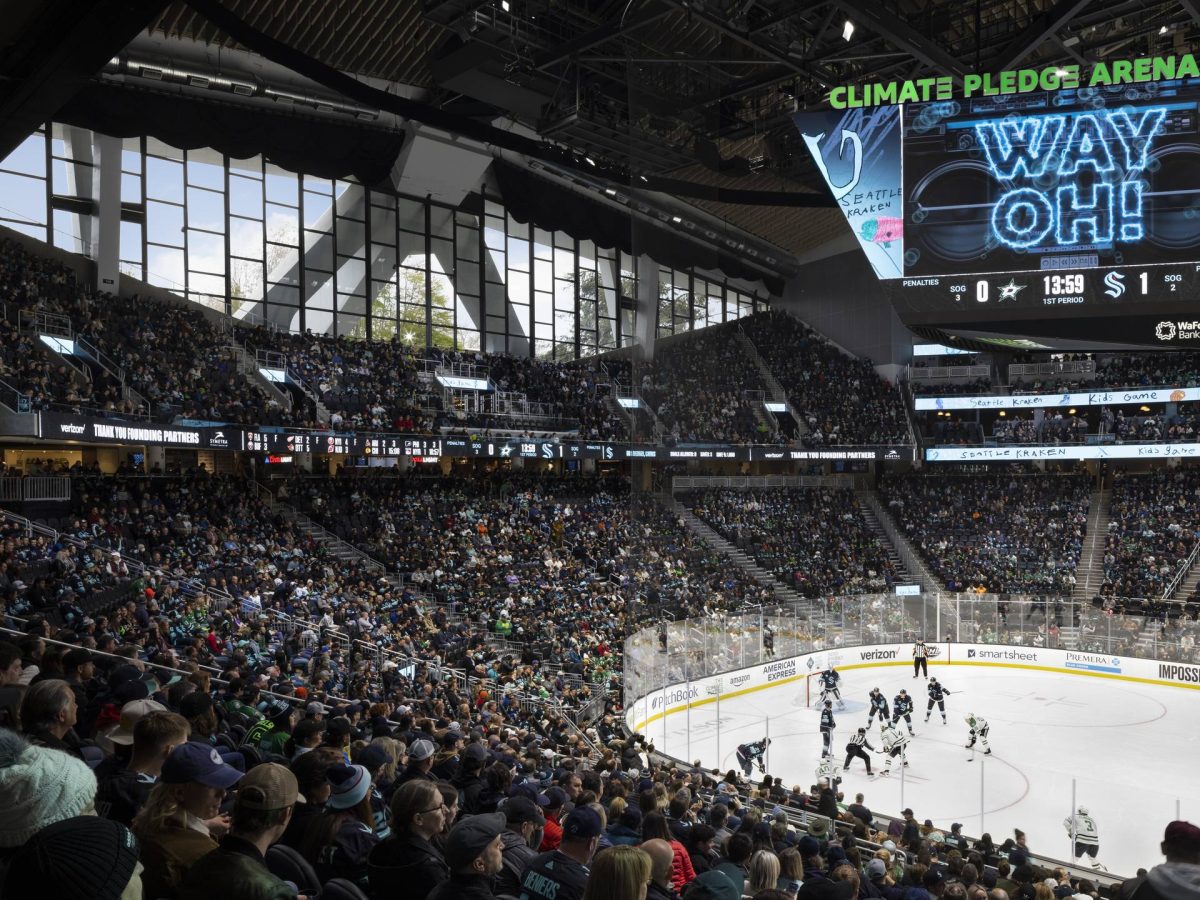
Opened in 2021, the arena is home to the NHL’s Seattle Kraken and WNBA’s Seattle Storm and hosts major concerts and events. Its enduring value lies in the combination of adaptive reuse, verified operational performance, equitable construction practices, and a renewed relationship with the wider Seattle Center campus.
Environmental protection: Turning a Historic Structure into a Zero-Carbon Arena
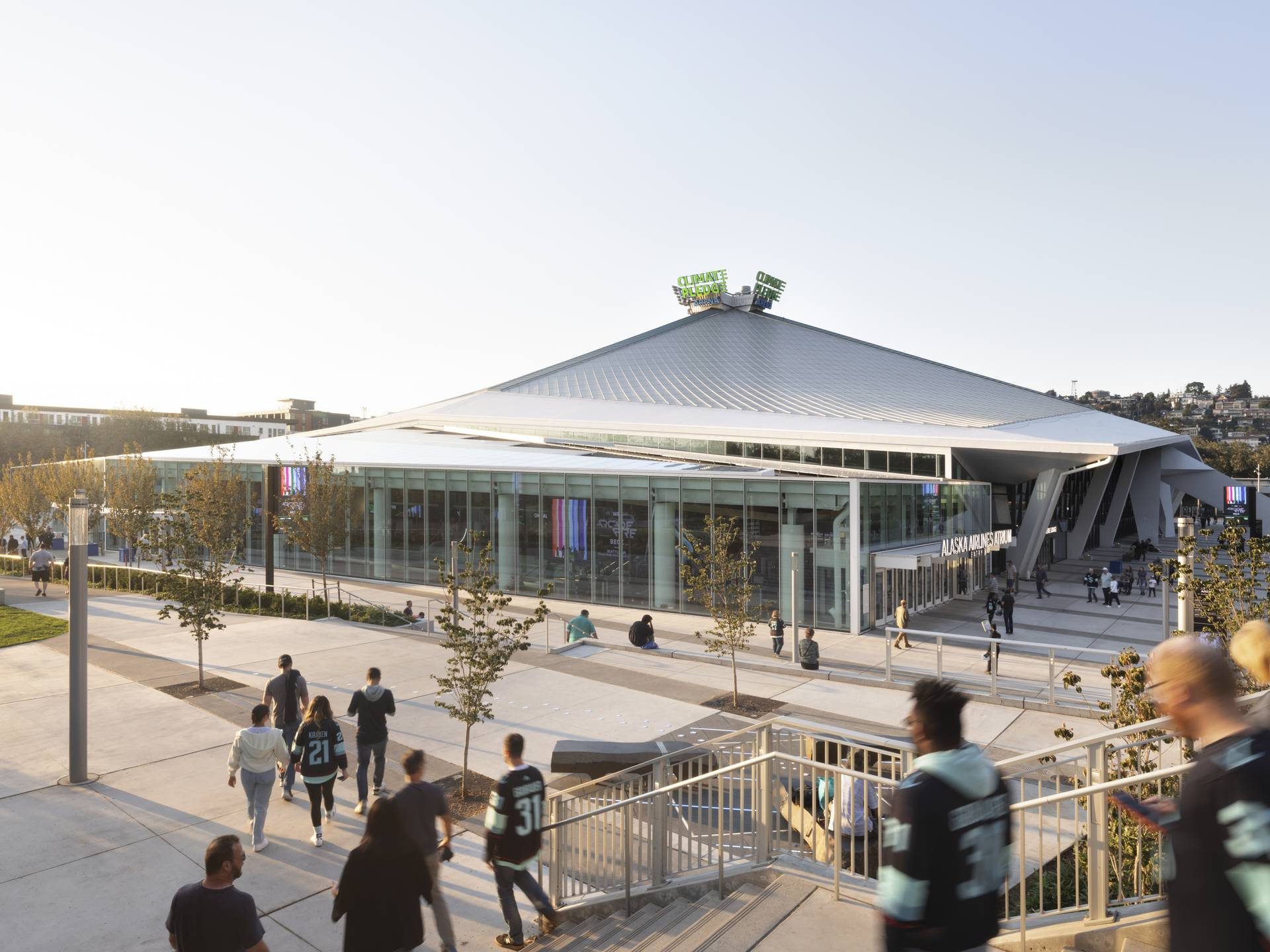
The project began with one of the most consequential reuse decisions in contemporary arena design: preserving the 44-million-pound roof and original glass curtain walls rather than replacing the historic structure. The new arena was built beneath the suspended roof, almost doubling the former venue’s size while conserving 22,000 tons of roofing material and reducing the embodied carbon impact associated with wholesale demolition and replacement.
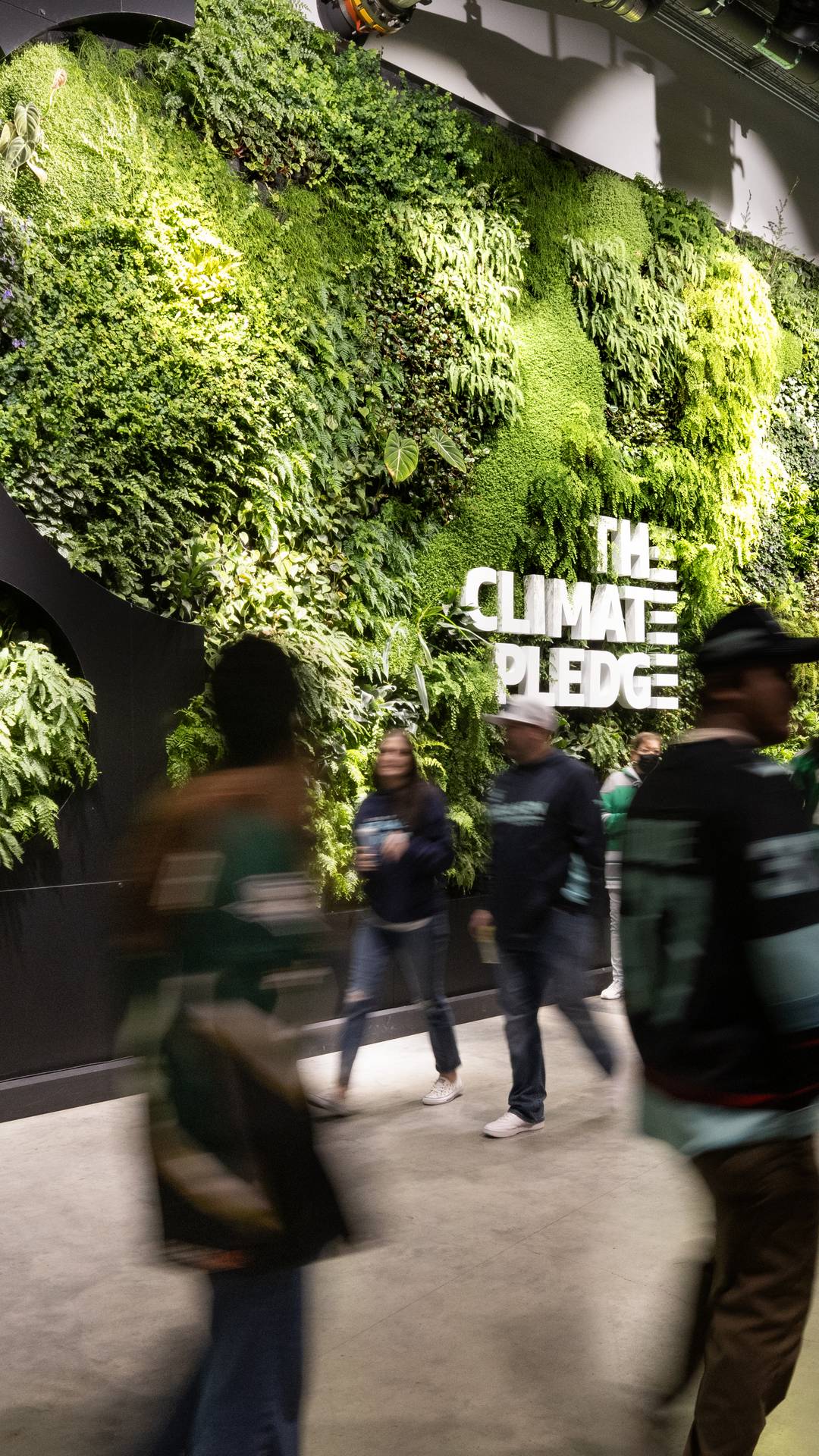
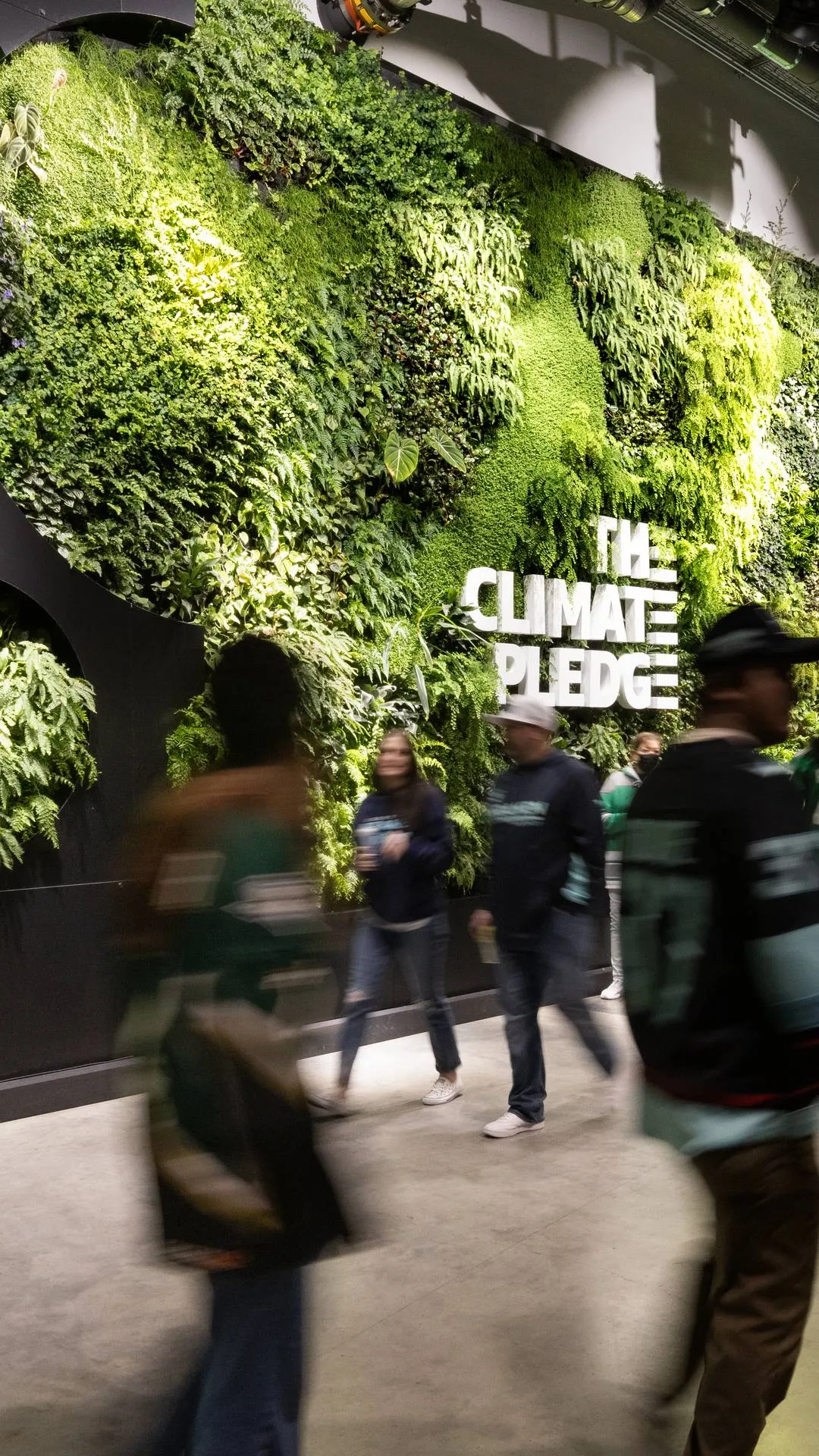
Climate Pledge Arena’s fully electric operations are powered by 100% renewable energy, including on-site solar generation.. Rainwater harvested from the roof is used to make ice for the Seattle Kraken, while the venue combines composting, recycling, food-waste diversion and the elimination of single-use plastics as part of its zero-waste approach.
In 2023, the International Living Future Institute awarded the arena Zero Carbon certification after reviewing 12 months of performance data and accounting for both operational and construction-related carbon. LEED Silver and TRUE Platinum certifications reinforce an approach in which carbon, water, materials and waste are treated as connected parts of venue performance.
Social Wellbeing: Linking Climate Action with Access and Equity
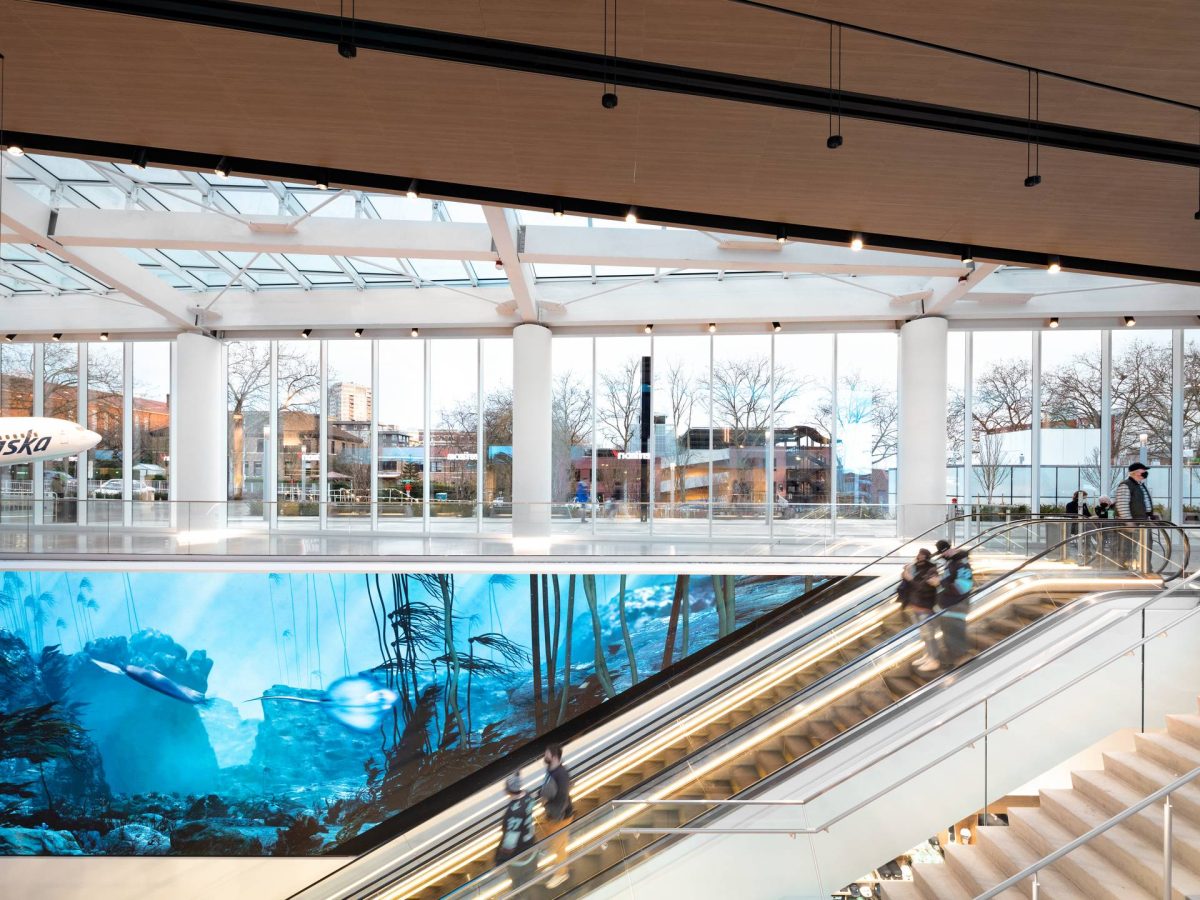
The arena’s social impact is embedded in how people reach and experience it. Every game and public event ticket includes public transit, while the site strengthens connections to the Seattle Center Monorail, pedestrian routes, cycling facilities and bike valet services. The redevelopment also created a 360-degree park setting around the arena, improving pedestrian access and reinforcing Seattle Center as a civic public space.
Construction was used as a tool for economic inclusion. Through the City of Seattle’s Priority Hire framework, workers from economically distressed communities earned $32 million in wages, including an estimated $14 million above what would have been expected without the program. The project also awarded $179 million in work to eighty-eight women- and minority-owned businesses.
The Climate Pledge Arena Community Fund extends that commitment into operations, supporting youth-focused programs that use arts, music and culture to advance racial equity and social justice, particularly in communities around Seattle Center.
Economic Growth: An arena Anchoring a High-Performing Civic Campus
The redevelopment represented a major private investment in Seattle’s sports and entertainment infrastructure. Since opening, the arena has become one of Seattle Center’s largest attendance generators, welcoming approximately 1.94 million visitors in 2024 and 1.73 million in 2025.
Those visitors contribute to a much wider campus economy. A 2026 independent analysis found that Seattle Center generated nearly $3.3 billion in total economic output across King County in 2024, supported 19,400 jobs and produced more than $37 million in annual local tax revenue. Those figures apply to the Seattle Center ecosystem rather than Climate Pledge Arena alone, but the study identifies the arena as a major anchor within it.
The enduring economic lesson is that sustainability and competitiveness can reinforce one another. By preserving a landmark while creating a contemporary NHL, WNBA and concert venue, the project protected cultural value while building a new platform for year-round visitation and revenue.
Zoom
Zoom
Zoom
A New Benchmark Beneath a Familiar Roof
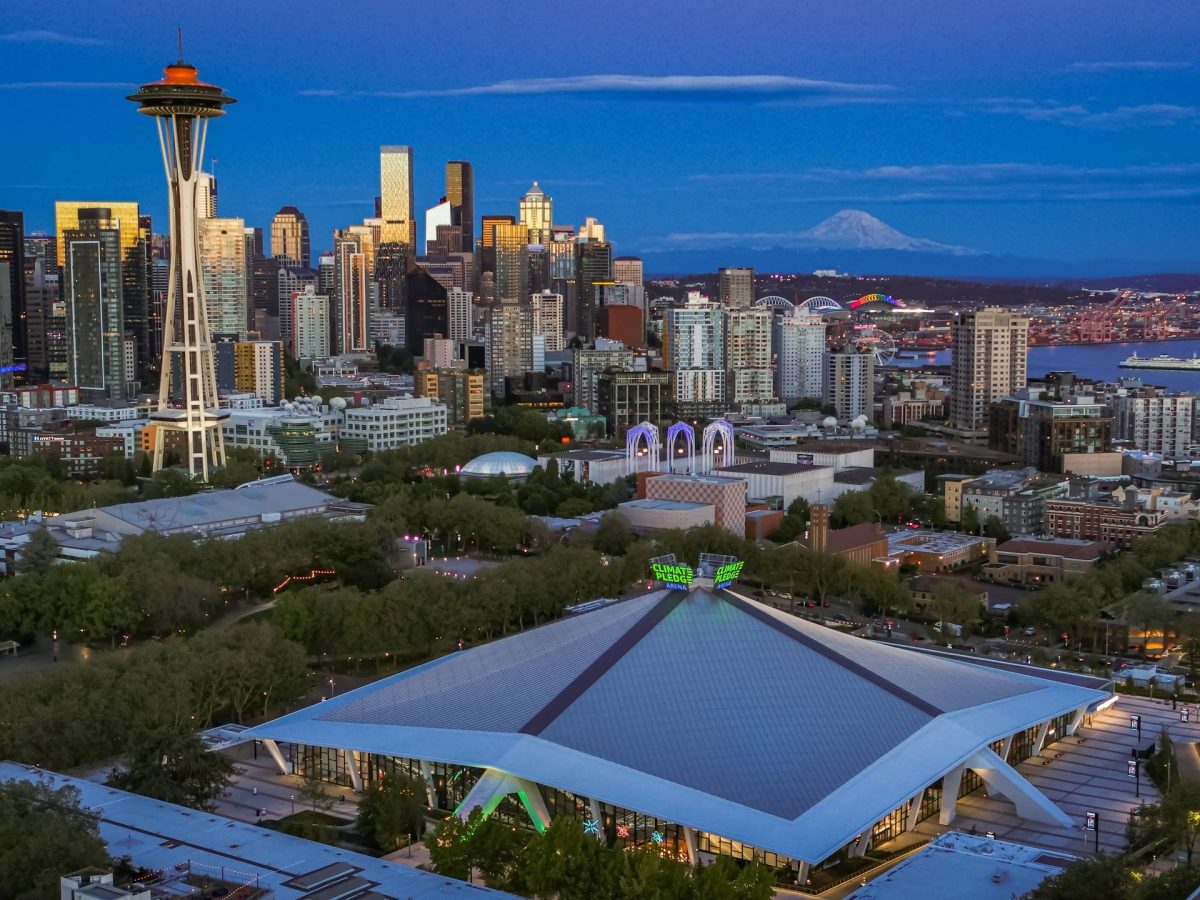
Climate Pledge Arena shows that a high-performance venue does not need to start with a blank site. Its most recognizable architectural element is also its clearest symbol of endurance: a 1962 roof preserved above an arena designed for the demands of the 21st century.
The project balances planetary health, social equity and long-term economic vitality in a single civic asset. By verifying carbon performance, widening access and retaining the identity of Seattle Center, it provides a model for how existing venues can be transformed into places that remain meaningful for generations.
Sustainability Snapshot
-
Maximum capacity
18,600
-
First arena in the world to achieve ILFI certification
Zero Carbon
-
Historic roofing material retained and preserved
22,000 tons
-
Annual arena visitation in 2024
~1.94M
-
Construction contracts awarded to women- and minority-owned businesses
$179M
-
Public transit with event tickets
Free

Lorem ipsum dolor sit amet consectetur, adipisicing elit. Non facere corporis et expedita sit nam amet aut necessitatibus at dolore enim quis impedit eius libero, harum tempore laboriosam dolor cumque.
Lorem, ipsum dolor sit amet consectetur adipisicing elit. Illo temporibus vero veritatis eveniet, placeat dolorem sunt at provident tenetur omnis, dicta exercitationem. Expedita quod aspernatur molestias eum? Totam, incidunt quos.